







Introduction:This article provides an in-depth analysis of blend selection, roasting strategies, and the golden ratio for making espresso, along with precise espresso extraction parameters and latte-making steps. From bean development, grind size adjustment to milk frothing techniques, it details the key points and common problem-solving methods for each step, helping coffee enthusiasts and professionals master the core techniques for consistent quality output.
Although single-origin coffee has garnered significant attention in recent years, espresso still holds an important place in actual consumption scenarios. The charm of espresso lies in its ability to blend flavor characteristics from different regions through blending techniques, creating a richly layered and balanced taste experience. This article will focus on the selection logic of espresso blends, differences in roasting processes, as well as practical extraction and latte art applications, taking you through a comprehensive understanding of how to make a satisfying cup of espresso.
[Definition and Core Value of Espresso Blends]
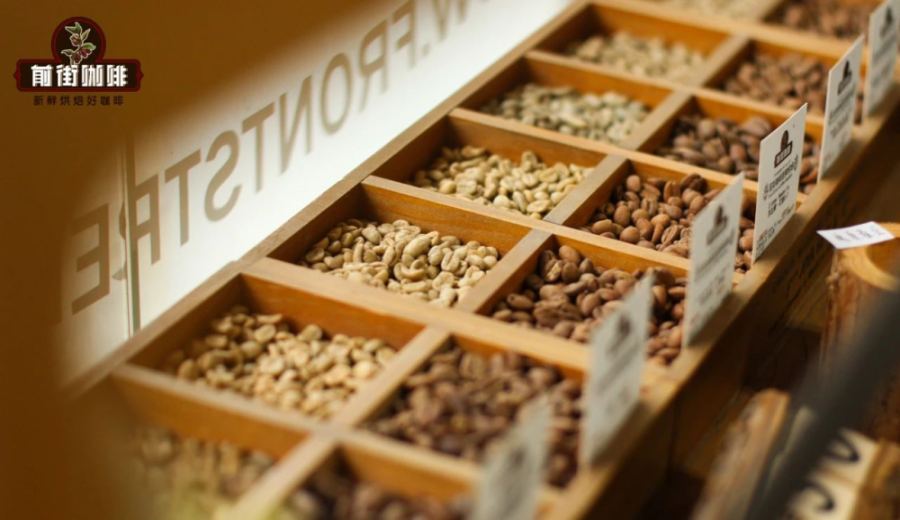
Espresso beans generally refer to specially designed blend formulas, usually composed of coffee beans from 2 to 3 different regions. The purpose of blending is to complement the characteristics of different beans—such as combining bold, low-acid beans with highly aromatic but thin-bodied varieties—to achieve flavor balance and feature enhancement. This blending approach not only stabilizes product quality but also allows for adjustments to create different styles such as intense, sweet, or balanced, according to needs.
[Two Mainstream Modes of Roasting Techniques]
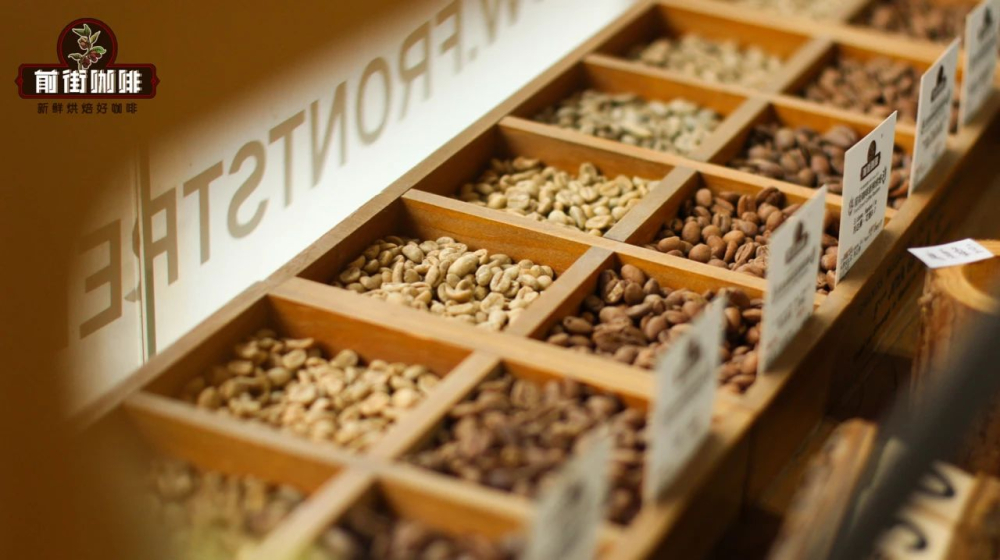
The roasting methods for espresso blends are mainly divided into two categories: "roast after blending" and "roast separately then blend." The former involves blending green beans from different regions before roasting them together, ensuring color consistency and flavor harmony, with a relatively simple process. The latter requires a thorough understanding of each bean variety’s hardness, moisture content, and other characteristics, controlling the roasting curves separately before blending. While it preserves more distinct single-origin flavor profiles, it demands higher experience and skill from the roaster. Both methods have their pros and cons and are suitable for different product positioning and market demands.
[Practical Blend Formulas and Flavor Profiles]
Common espresso blend combinations in the market are diverse. For example, a formula using Colombian and Brazilian beans in a 3:7 ratio can provide a smooth base with moderate bitter-sweet balance. A 7:3 combination of Honduran Sherry and Yirgacheffe Red Cherry offers pronounced fruit acidity, berry aromas, and a rich wine-chocolate tone. There are also commercial formulas that include Robusta to enhance crema performance and intensity, suitable for high-volume coffee shops for daily use. Each formula is designed for specific application scenarios, considering everything from cost to flavor pursuit.
[Key Parameters for Espresso Extraction]
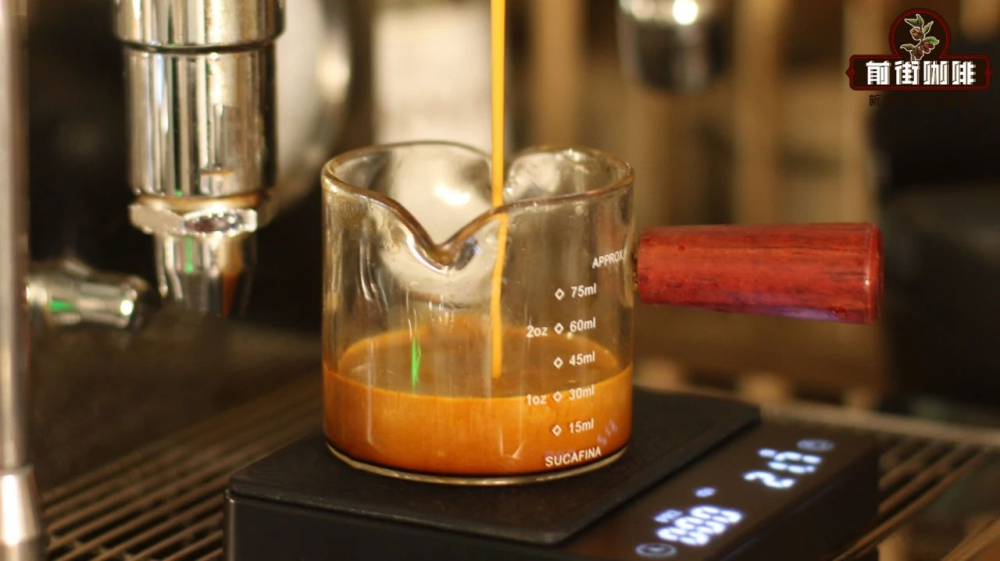
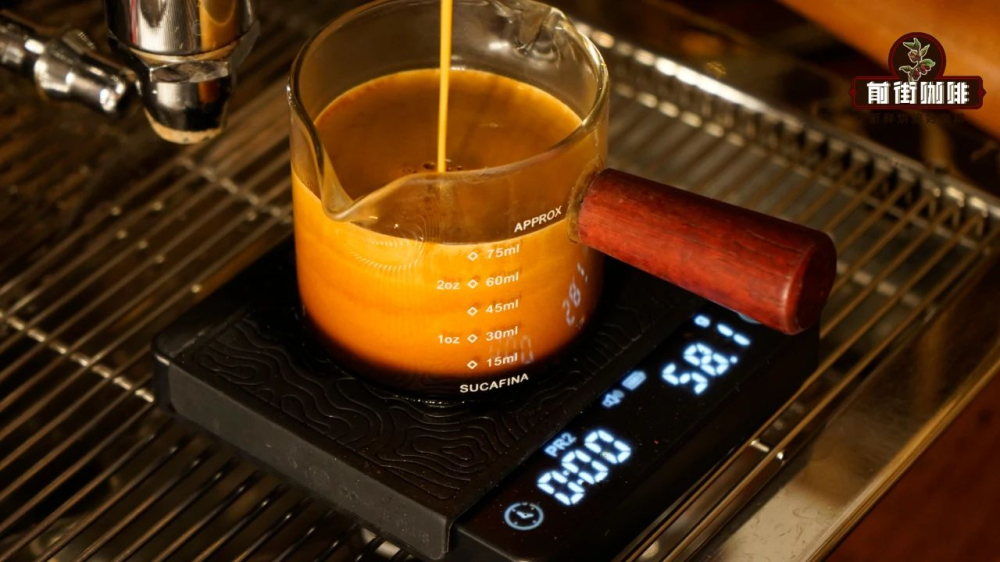
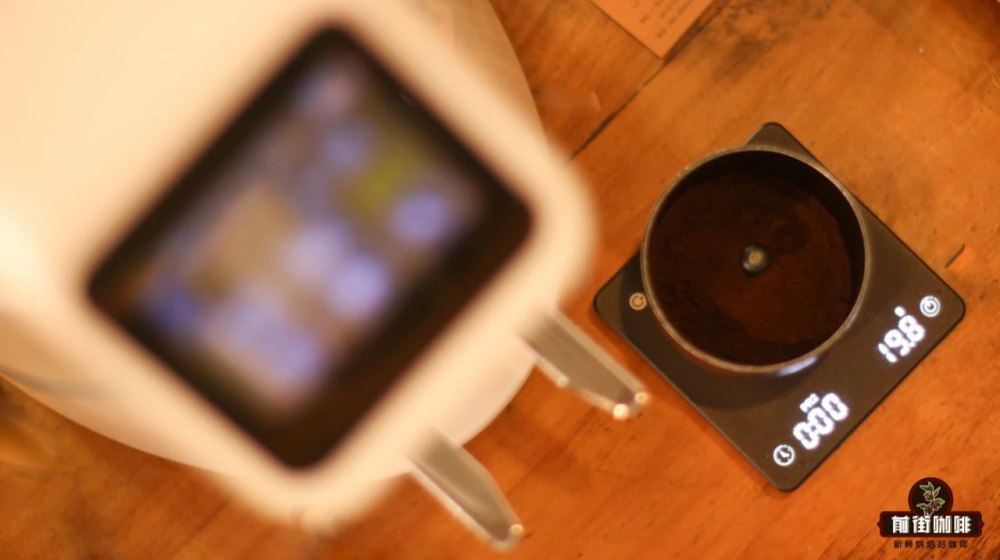
To make an ideal shot of espresso, it is essential to precisely control the coffee dosage (about 18 grams), extraction yield (36 grams), and time (28 seconds) to achieve a rich and balanced shot. Using whole milk (50°C) frothed to 1 cm thickness and mixing it with the espresso at a 1:9 ratio produces a standard latte. It is recommended to use a 200 ml ceramic cup, which helps maintain beverage temperature and taste stability.
[Grind Size Adjustment and Daily Maintenance]
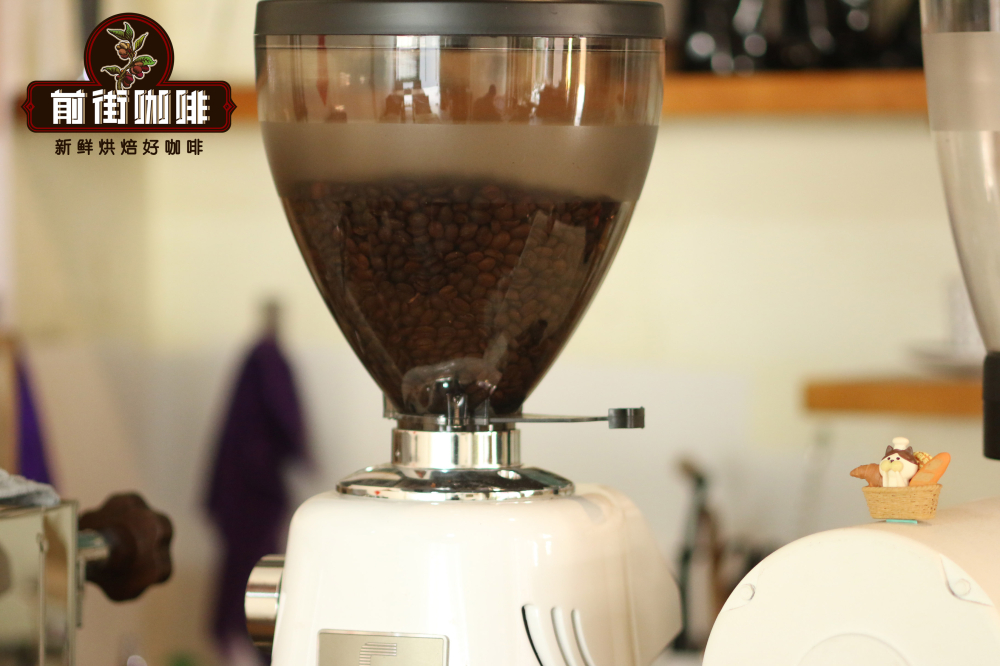
The grind size for espresso needs to be dynamically adjusted based on environmental variables (such as temperature, humidity, and air pressure) and the freshness of the beans. It is recommended to check daily whether the extraction time falls within the 25–30 second range and to observe the puck condition and flow rate changes. If sharp acidity or burnt bitterness appears, the grind size may need to be coarsened. If the flow is too fast and the color is too light, it should be adjusted finer. Additionally, continuous extraction may cause the burr disc to expand due to heat, leading to a narrower grind gap, which requires special attention during adjustment.

[Puck Preparation and Tamping Techniques]
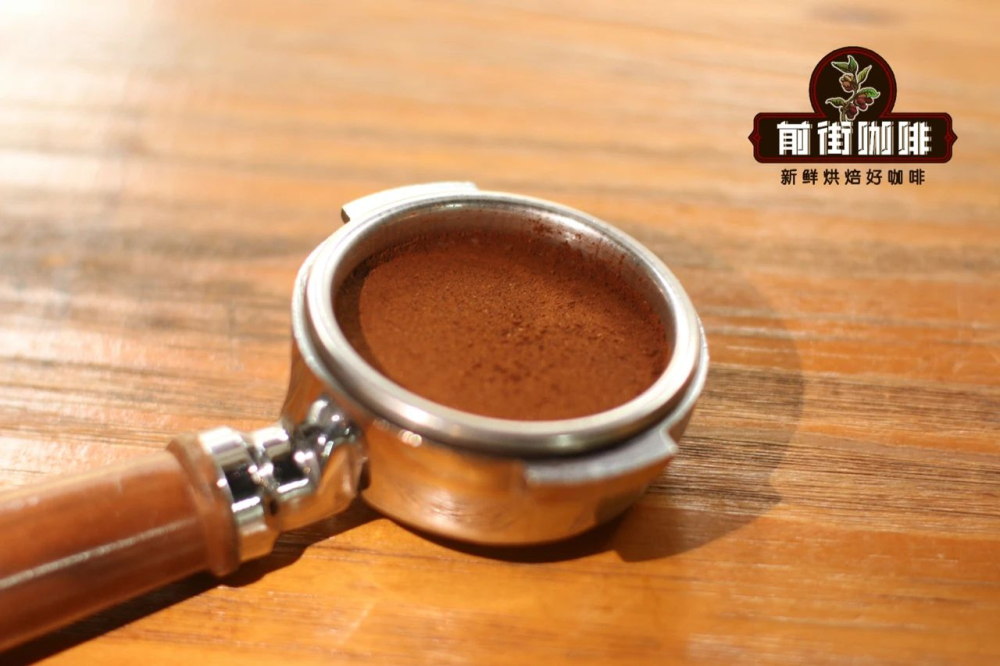
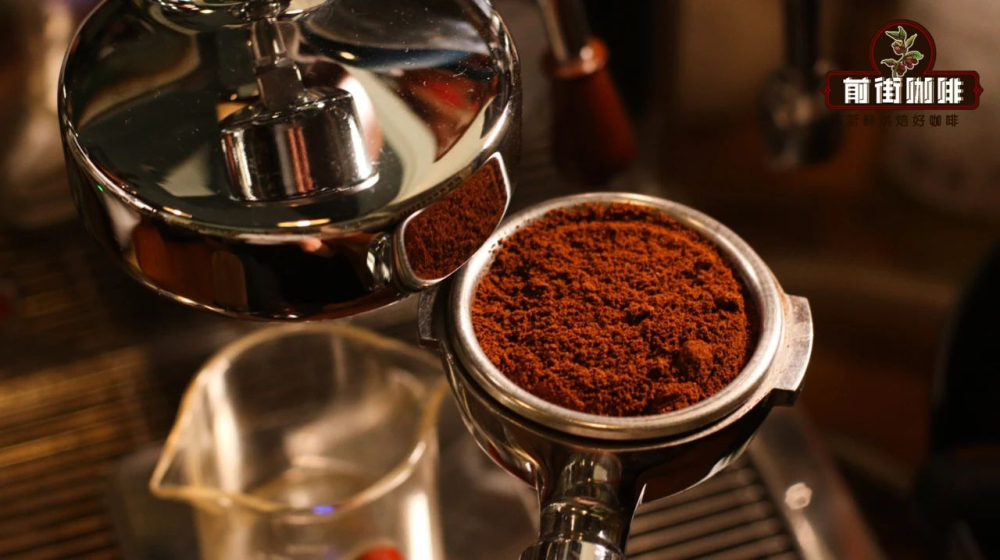
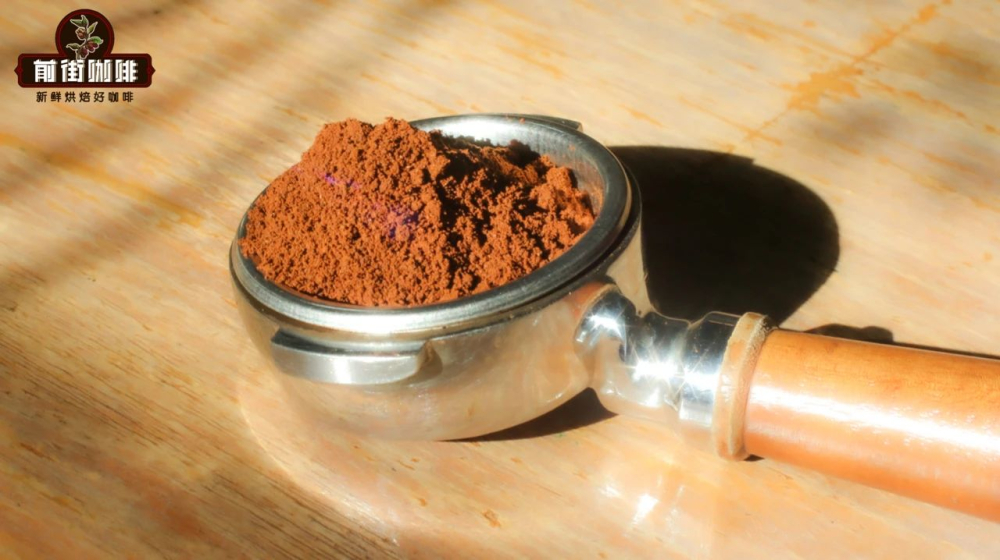
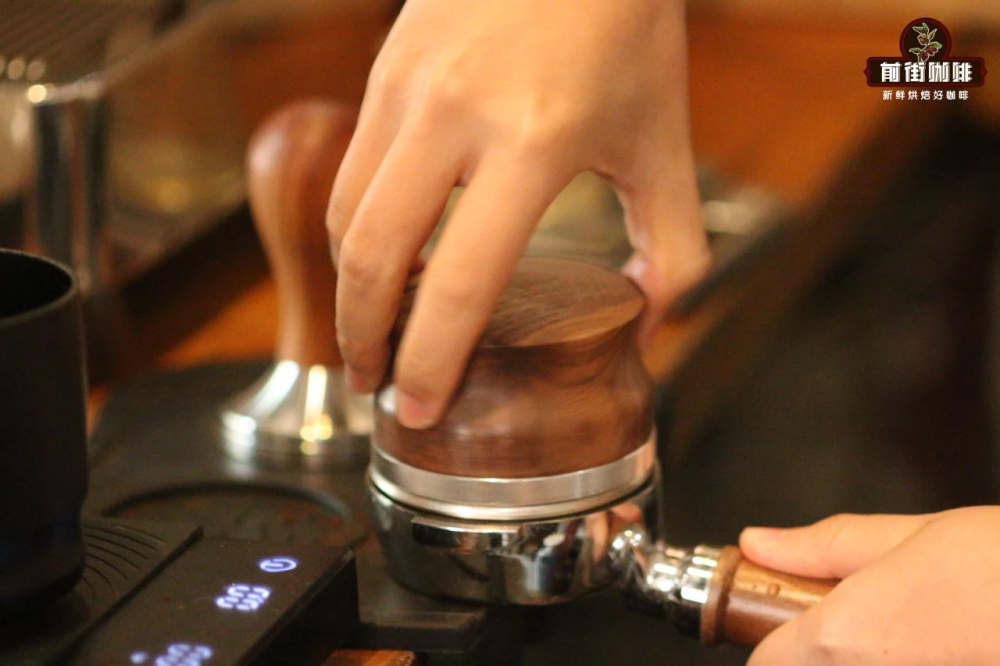
Even distribution and leveling of coffee grounds are the foundation of stable extraction. It is recommended to use an electronic scale to ensure accurate dosage and to distribute the coffee evenly using a rotating motion. After leveling, tamp the coffee with a downward force to ensure the puck is compact with no gaps, avoiding channeling that could affect extraction uniformity. Pay attention to maintaining a consistent tamping direction to prevent angled tamping, which could lead to uneven water flow.

[Milk Frothing and Latte Art Basics]
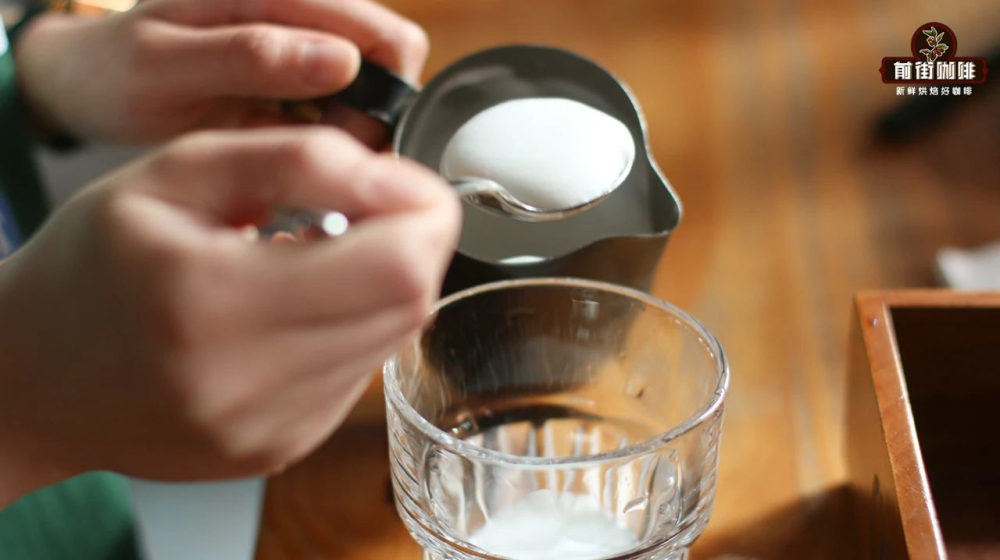
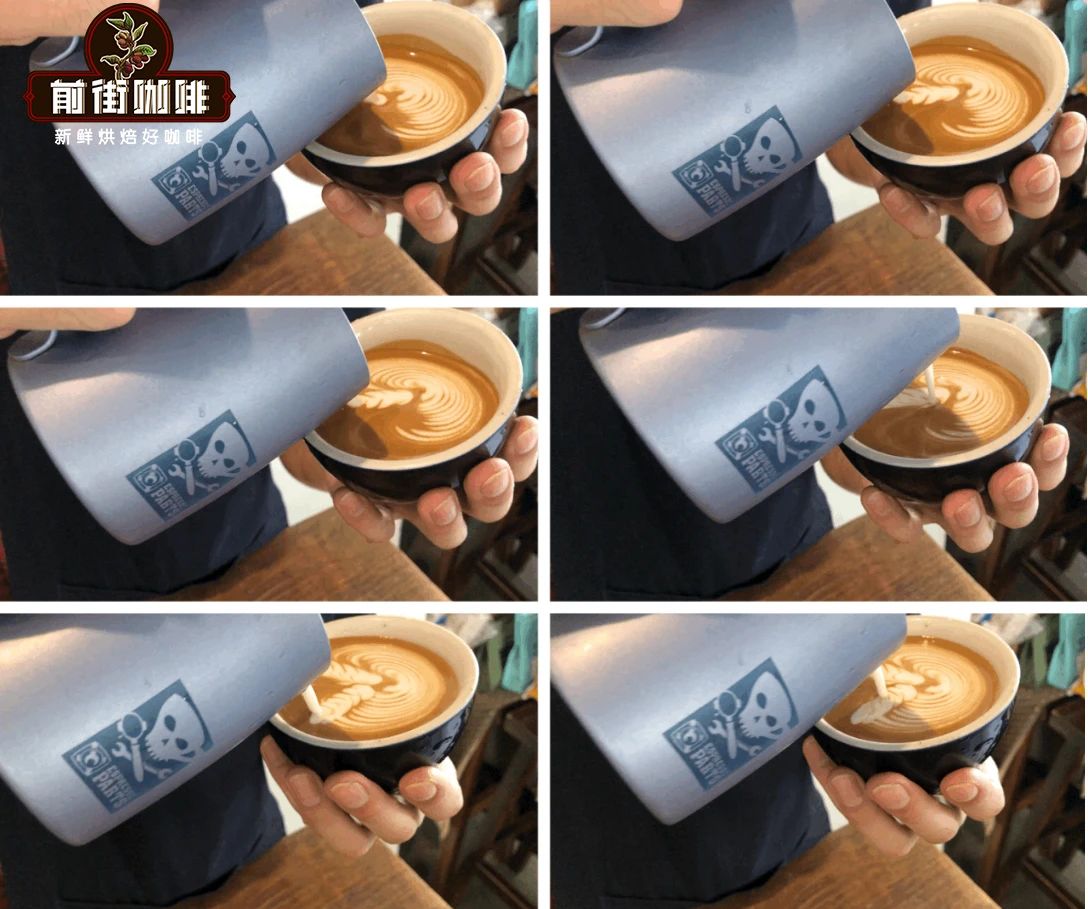
The key to making a latte lies in creating velvety microfoam. It is recommended to use whole milk with a fat content of 3.2–3.8%. The frothing process is divided into two stages: aerating and texturing. Control the steam wand angle and depth to produce fine bubbles and form a whirlpool, achieving the ideal temperature and texture. When pouring latte art, start by injecting milk into the cup at a 40-degree angle from the rim, gradually expanding the swirling motion, and finish with a thin stream to complete the pattern.






The above content is compiled by CoffeeHunters, a coffee news website.


