







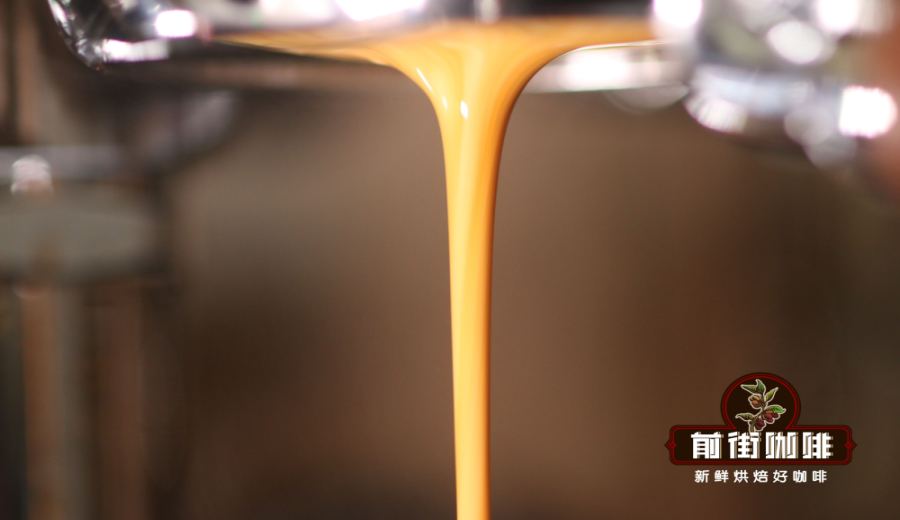
Introduction:Espresso is the base of many coffee beverages, but its unique intense flavor and the crema on the surface often spark curiosity. What exactly is this golden layer of oil? How can you brew an espresso with balanced flavors? This article delves into the principles behind espresso extraction, the science of crema, recommends suitable types of coffee beans, and provides practical extraction parameters and tips to help you master the essence of Italian-style coffee.
The Origins and Characteristics of Espresso
Espresso originated in Italy in the 19th century. It is a concentrated coffee liquid extracted under high temperature and pressure in an extremely short time. This beverage is usually served in small cups, not only saving time but also quickly providing a strong caffeine kick, making it an indispensable part of daily life for Italians.
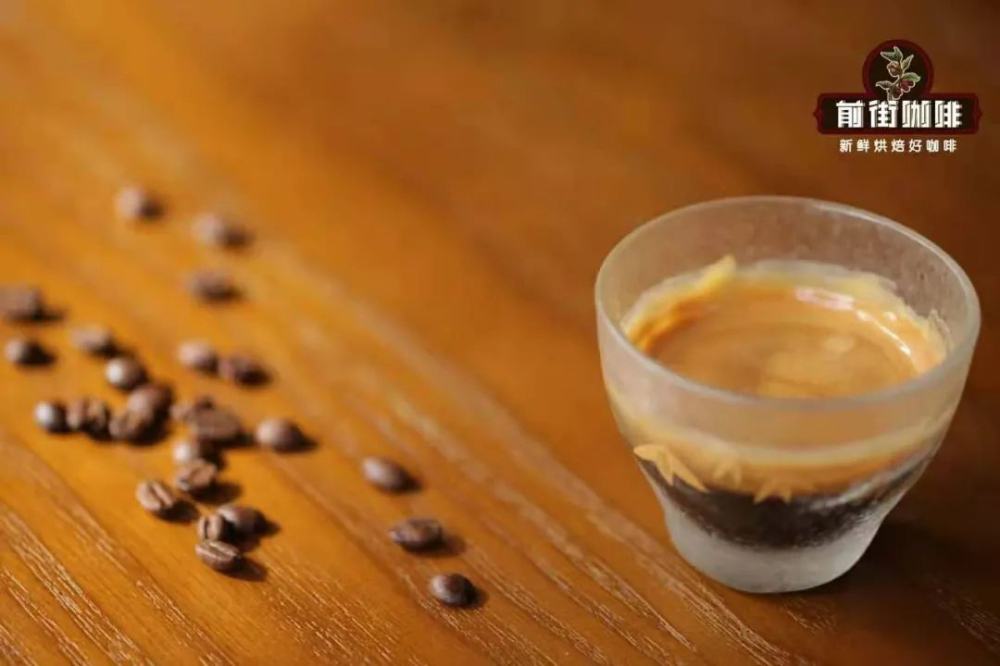
Compared to traditional drip coffee, espresso is extracted at a higher pressure, typically around 9 bars, resulting in a more concentrated and layered flavor profile, and serving as the foundation for many coffee drinks such as lattes and cappuccinos.
What is Crema? Is it really cream?
A high-quality espresso often features a golden to dark brown foam layer about 4 to 5 millimeters thick on top — this is what we call crema. Butcrema is not cream. Instead, it is an emulsified layer formed during high-pressure extraction from carbon dioxide, soluble oils, and tiny bubbles in the coffee.
When hot water passes through finely ground coffee at high pressure (about 9 atmospheres) and high temperature, it emulsifies the oils and aromatic compounds in the coffee while releasing carbon dioxide produced during roasting, forming this fine and persistent foam. Crema not only affects appearance but also carries many volatile aromatic molecules, making it one of the key indicators of a successful espresso extraction.
The Evolution of Espresso Machines and the Popularity of Espresso
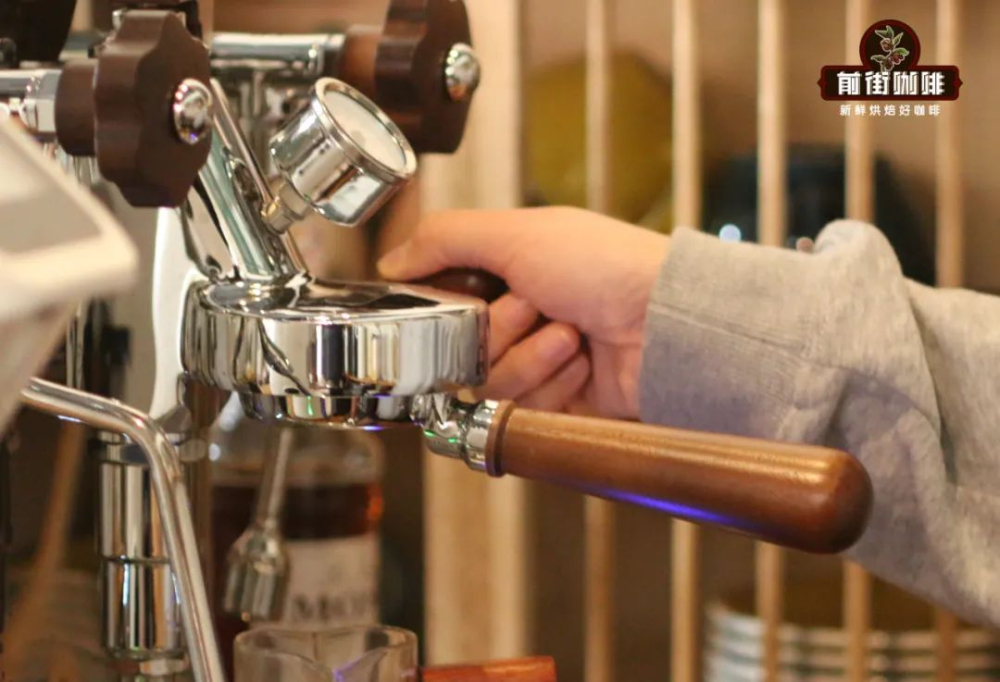
The birth of espresso is inseparable from the invention of the espresso machine. In the early 20th century, Milanese inventor Luigi Bezzera improved a coffee machine with a separate brewing head and handle, enabling rapid extraction. This beverage, referred to as "fast coffee," quickly spread from Italy to the rest of Europe and has since become an essential part of global coffee culture.
Modern espresso machines allow for precise control over pressure and water temperature, enabling both home and commercial users to produce espresso close to professional standards at home or in shops.
Suitable Coffee Bean Types and Roast Levels for Espresso
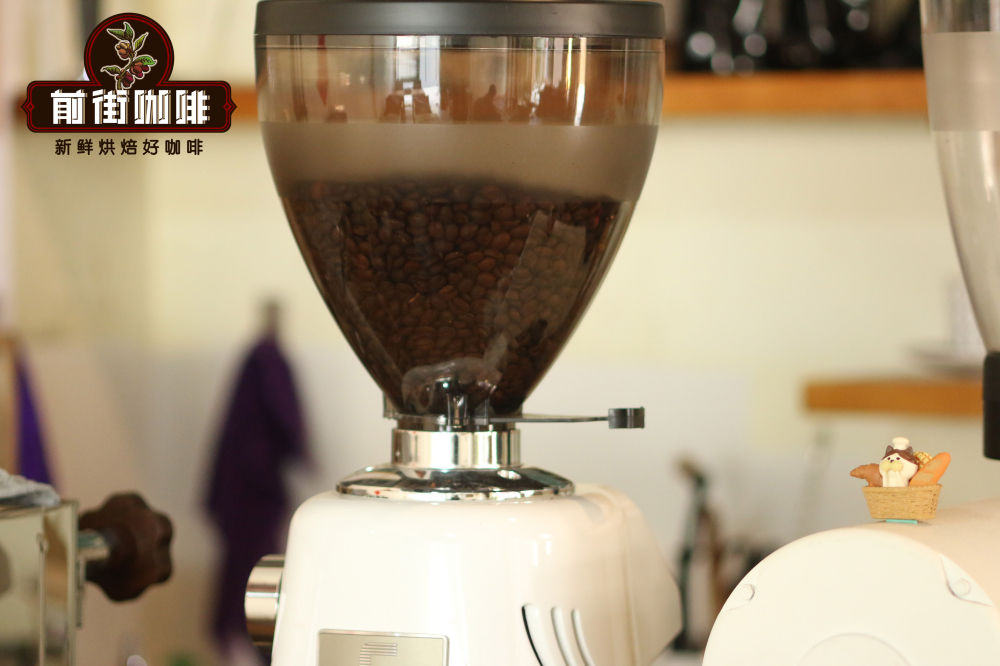
Espresso places particular demands on coffee bean selection. Generally speaking,medium-dark to dark roast blendsare better at showcasing rich, bold flavors and aiding in crema formation. Blends typically combine beans from different regions, such as Brazil, Colombia, and Robusta, to achieve a balanced flavor profile.
Brazilian beans often provide nutty and chocolatey foundations, Colombian beans bring caramel and sweetness, while Robusta adds body and bitter support, making them common choices in espresso blends.
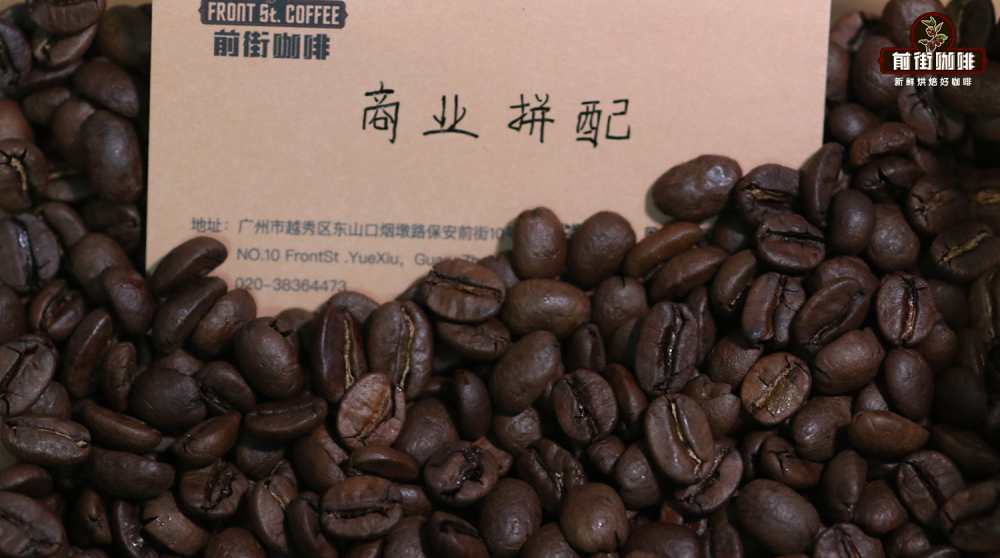
Introduction to Common Espresso Blend Flavor Profiles
Depending on the combination and proportion of different coffee beans, espresso can exhibit a variety of flavor profiles. For example:
- Classic Bold Type: Combining Robusta, Colombian, and Brazilian beans, it delivers intense nutty aromas and a creamy mouthfeel, with a long-lasting bitter aftertaste and sweet finish.
- Mildly Acidic Bold Type: A mix of Yunnan small-grain coffee and Brazilian semi-washed beans, featuring gentle fruit acidity and caramel notes, suitable for those who prefer brighter acidity.
- Balanced Rich Type: Dominated by Colombian and Brazilian beans, it showcases black chocolate and caramel sweetness, ideal for drinkers who prefer stable flavors.
- Delicate Winey Type: Using Ethiopian natural-process beans and Honduran sherry-cask-aged beans, it offers rich black chocolate and caramel aromas, with a long-lasting and layered aftertaste.
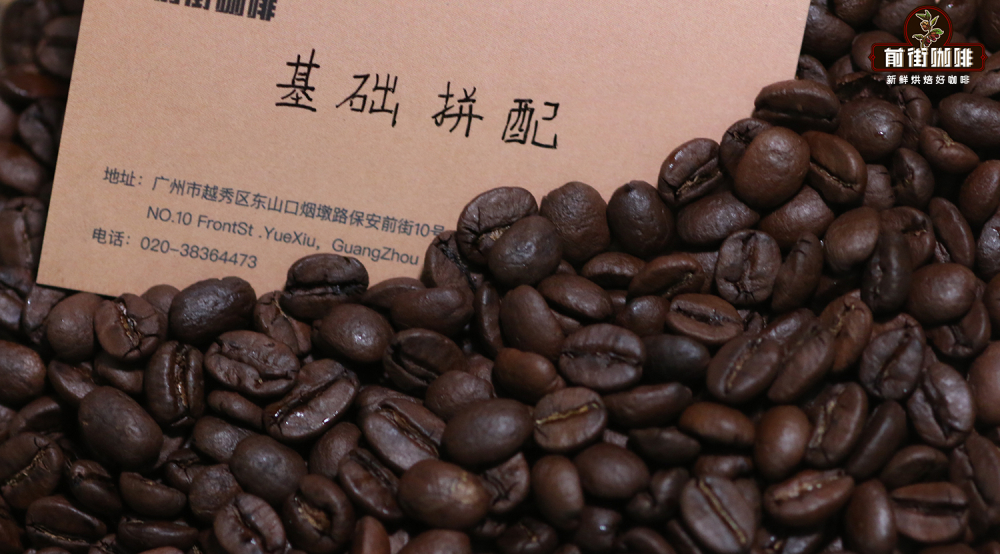
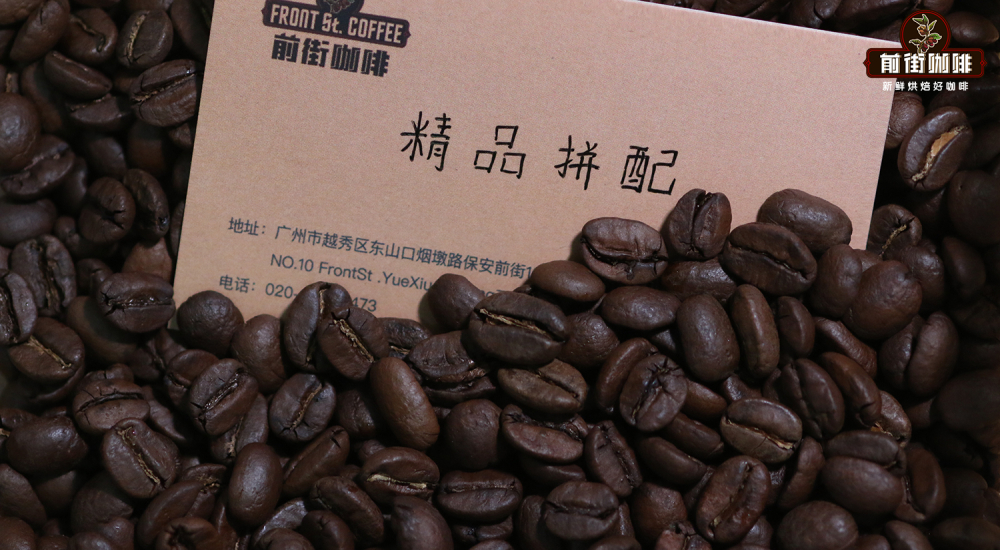
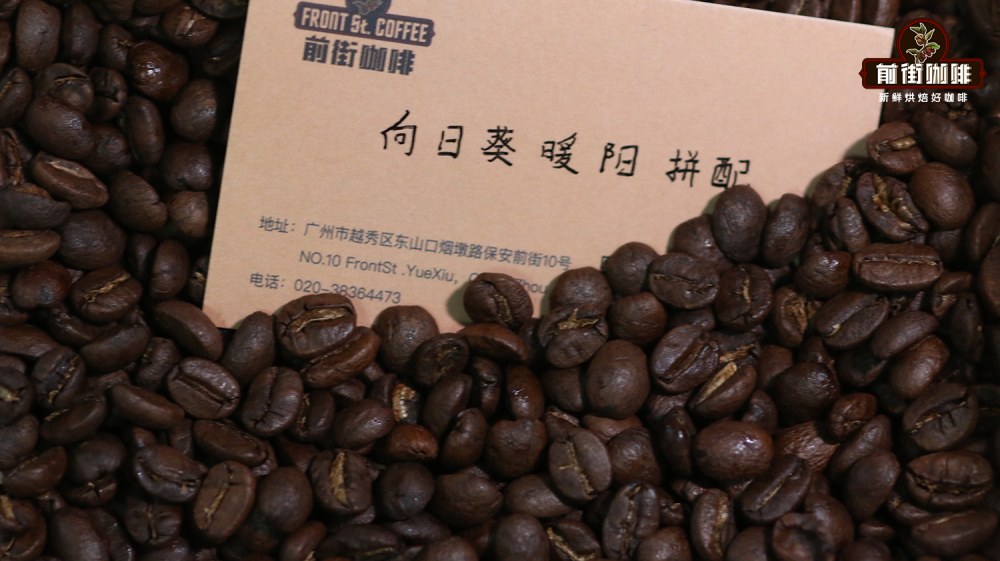
These blends not only highlight the flavor characteristics of different regions but also achieve balanced extraction through adjusted proportions.
Key Parameters and Techniques for Brewing Espresso
To brew an ideal espresso, you need to master the following basic parameters:Approximately 20 grams of coffee grounds, extracted for 25 to 30 seconds, with a coffee-to-water ratio of 1:2 (i.e., extracting 40 grams of coffee liquid), maintaining a pressure of 9 bars. These conditions can be fine-tuned based on personal taste preferences and equipment characteristics.
If the brewed coffee tastes too light, it may be due to too coarse a grind or insufficient tamping. Try adjusting to a finer grind or increasing the amount of coffee grounds. Conversely, if the coffee tastes overly bitter or intense, it is recommended to use a coarser grind or reduce the amount of coffee to lower extraction strength.
Practical Tips and Notes
1. Use freshly roasted coffee beans: It is recommended to choose beans roasted within 5 days, and let the beans rest for 7 to 10 days after opening to allow degassing before brewing, in order to achieve optimal flavor.
2. Keep your equipment clean: The brew head and portafilter basket should be cleaned regularly to prevent leftover coffee grounds from affecting flavor and extraction flow.
3. Brew fresh-ground coffee: Once coffee is ground, its aroma dissipates quickly. It’s best to grind right before brewing to retain maximum flavor.
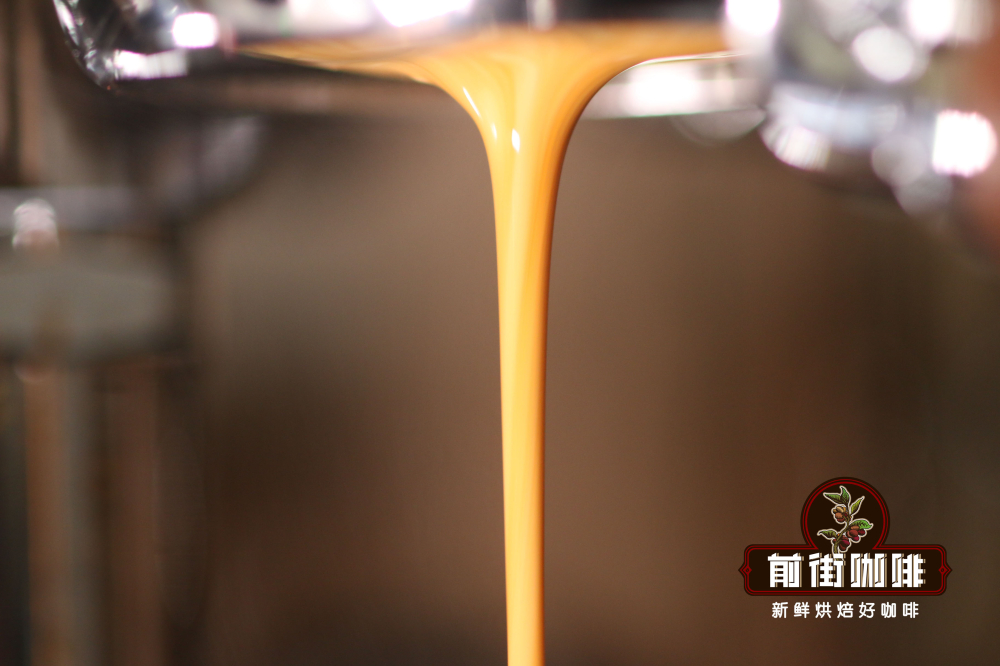
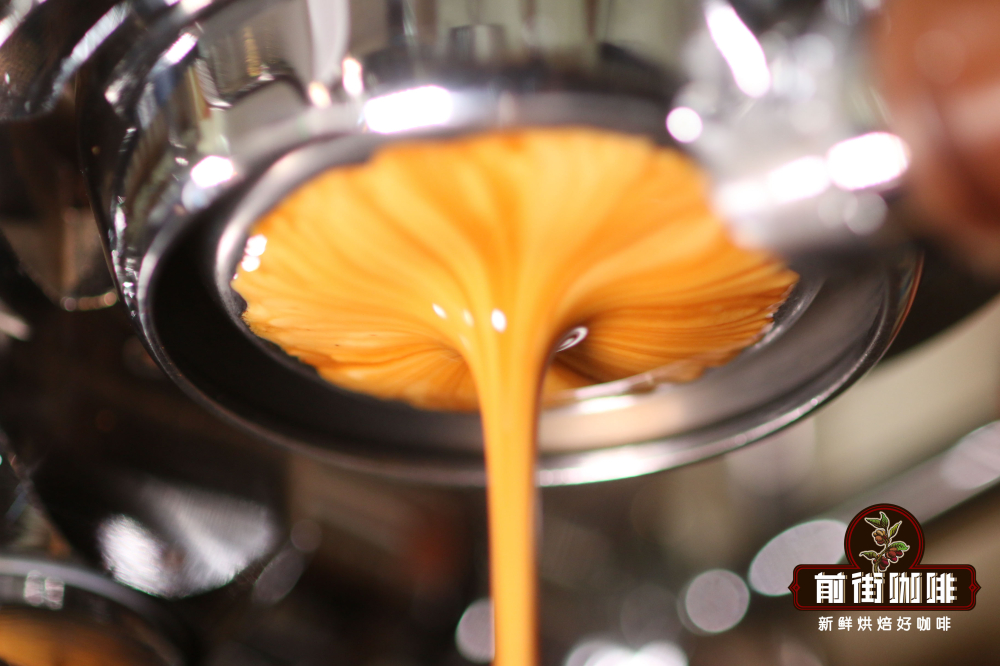
4. Observe the extraction process: Pay attention to the color and flow rate of the dripping coffee — this helps determine whether the extraction is even and serves as a reference for adjustments.
The above content is compiled by CoffeeHunters, a coffee news website.


