








Introduction:Want to understand the core of espresso coffee? This article dives deep into the extraction principles of espresso, its golden parameter settings, and recommended espresso blends for café use. From the high-pressure extraction process and standard coffee-to-water ratios to flavor adjustment techniques, it takes you through the practical essentials used by professional baristas, while analyzing the flavor profiles and suitable scenarios for different espresso blends.
Espressois the base for classic drinks such as lattes and cappuccinos. Its uniqueness lies in using nearly boiling water at around 92°C under high pressure to pass through a tightly packed and finely ground layer of coffee, extracting a rich essence in a short time. This process not only concentrates the bold flavor of the coffee but also preserves a wealth of crema and aromatic layers, making it an essential lesson for any coffee enthusiast.
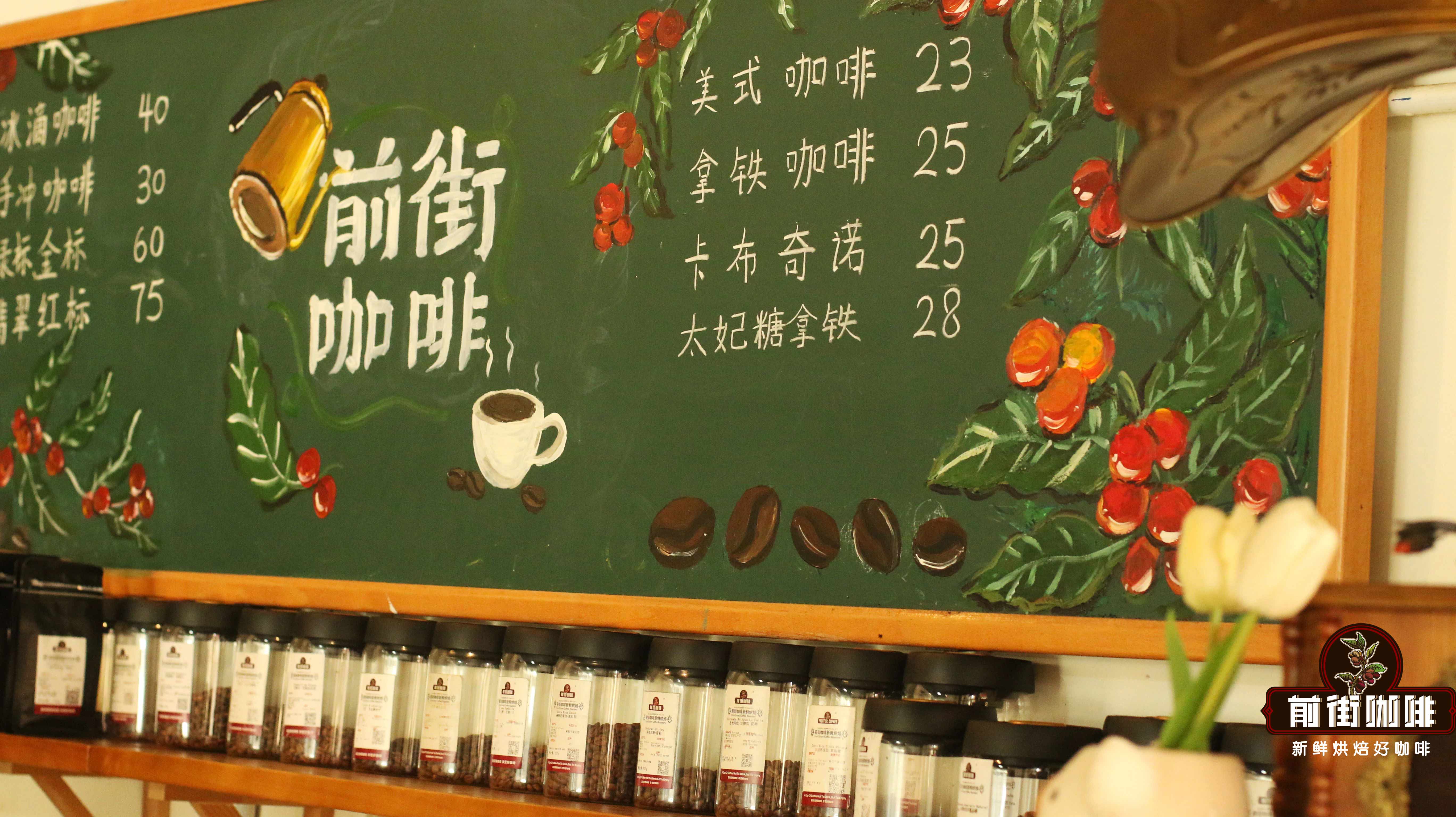
Compared to common drip coffee, espresso has a higher caffeine concentration per unit volume, but it remains fundamentally a type of coffee beverage. Many people often compare espresso with Americano— the latter is either directly extracted via a drip machine or made by diluting espresso with water. Interestingly, the history of the Americano is quite dramatic: during World War II, American troops stationed in Europe diluted strong espresso with water to suit their home taste preferences, inadvertently creating this globally popular “compromise” coffee. Despite its name, which carries a hint of European teasing about American taste.
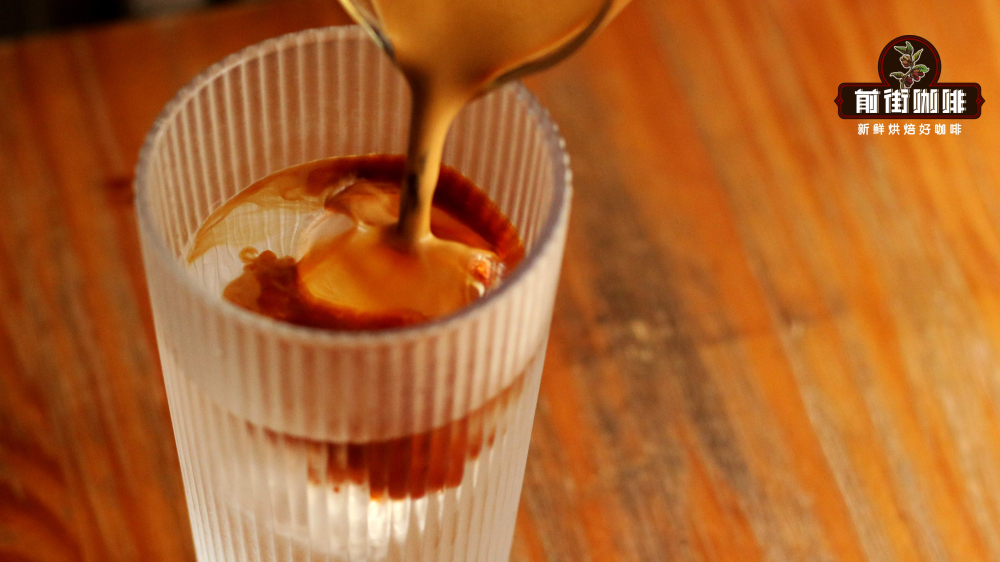
Modern cafés commonly prepare Americanos by “adding water to espresso,” where the coffee-to-water ratio directly affects the flavor profile. Taking common café practices as an example, hot Americanos typically follow a 1:4.5 ratio, while iced Americanos can go up to 1:9—the lower temperature and greater dilution make the latter more refreshing. Different blend choices can also shape unique styles: for example, recipes emphasizing nutty and chocolate notes, when paired with milk, offer a rich and silky finish, while high-oil beans can enhance the body and fullness of the cup.
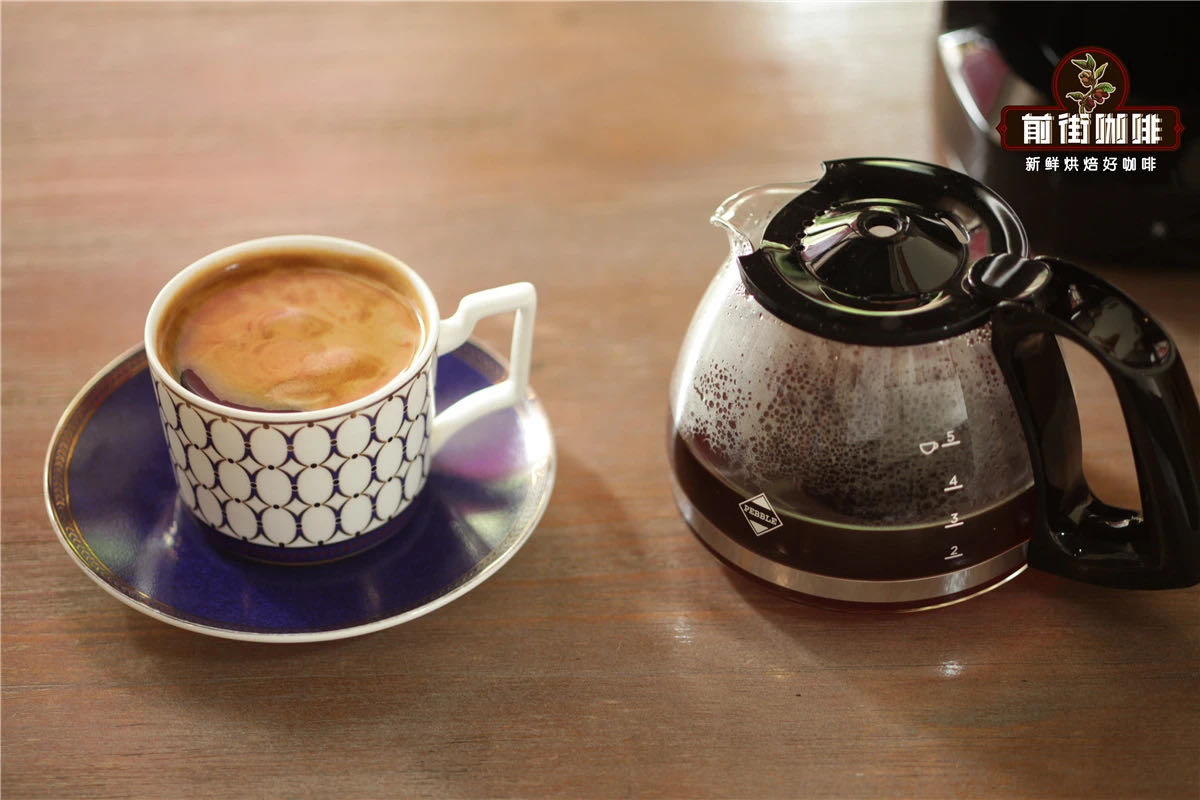
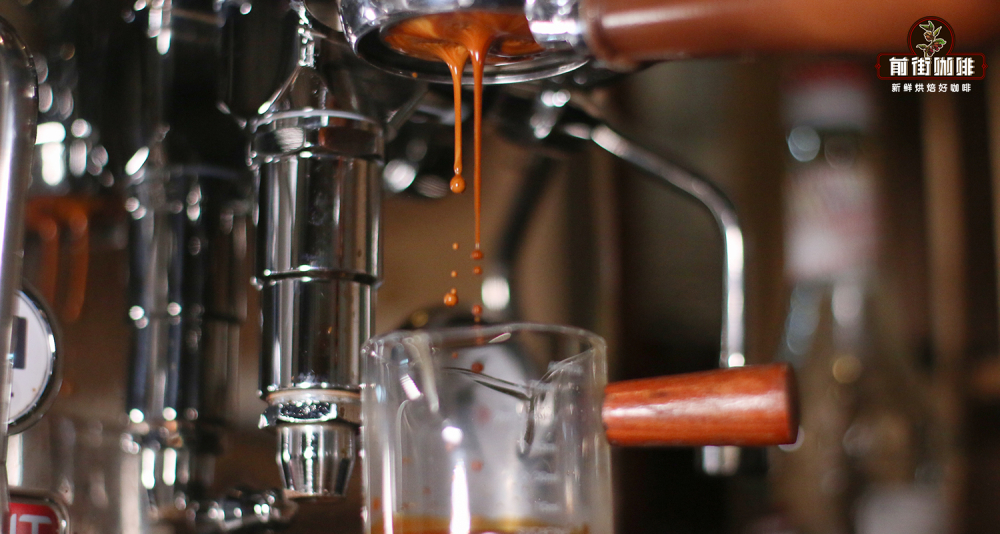
Professional espresso extraction must strictly adhere to multiple parameter standards. The coffee dose generally ranges between 18–22 grams, and must be precisely weighed according to the portafilter basket size, with errors kept to a minimal range.The most classic coffee-to-liquid ratio is 1:2 (for example, 18 grams of coffee yielding 36 grams of espresso). This ratio effectively balances concentration and flavor complexity, avoiding the bitterness and off-notes caused by over-extraction. In practice, some cafés adjust slightly to 20 grams of coffee yielding 36 grams of liquid, thereby enhancing the aroma richness of subsequent milk-based drinks. The extraction time is advised to be within the 25–35 second range, during which the optimal flavor balance can be captured—too fast may highlight sourness and reduce sweetness, while too slow might release overly bitter tannins.
Judging the quality of espresso cannot rely solely on subjective taste; professional baristas often use a refractometer to measure the total dissolved solids (TDS), and calculate the extraction percentage (formula:(%TDS × coffee liquid weight) ÷ coffee dose weight) to quantify extraction efficiency. This scientific method helps accurately calibrate variables such as grind size, dose, and time, ensuring each shot meets consistent quality standards.

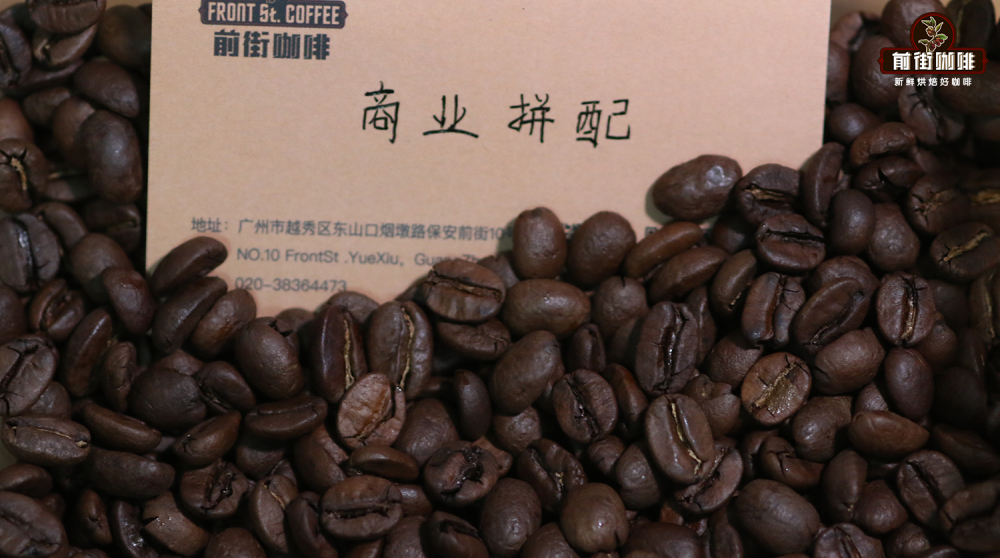
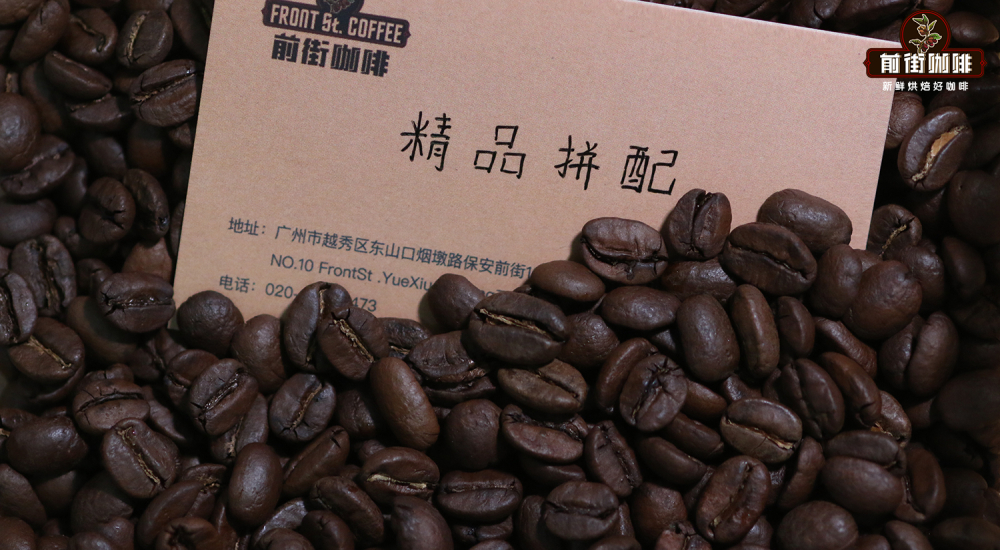
The choice of espresso blend directly impacts the final flavor outcome. Common strategies include: commercial blends with 10% Robusta to boost body and chocolate aroma, particularly suitable for milk-based drinks; all-Arabica specialty blends that emphasize nutty and dark chocolate profiles, ideal for clean-tasting preferences; and creative blends combining Yirgacheffe red cherry and Honduran sherry, featuring vanilla cream and fermented wine notes, appealing to consumers who enjoy layered flavors. Different blending strategies should be flexibly adjusted based on café positioning and target customer groups.
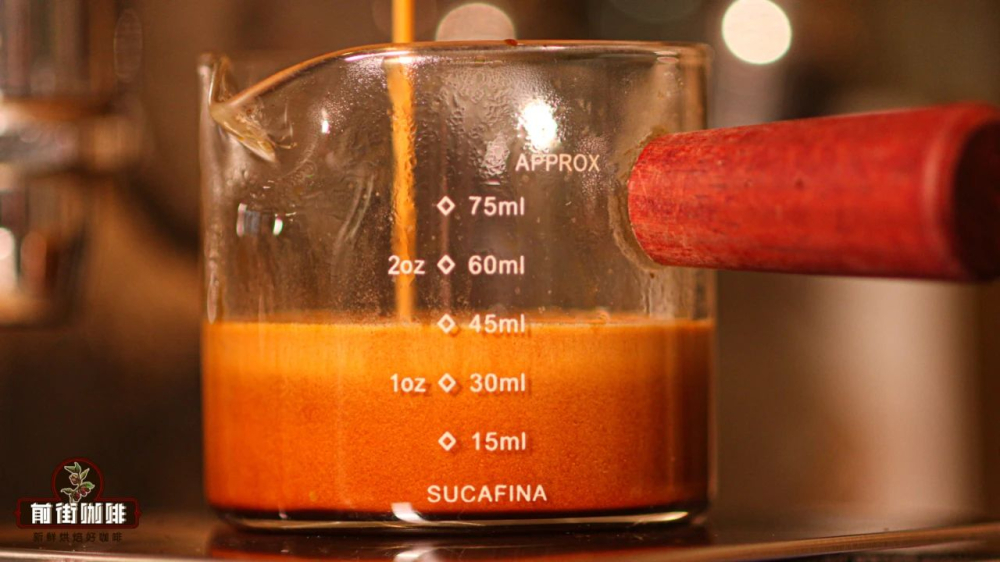
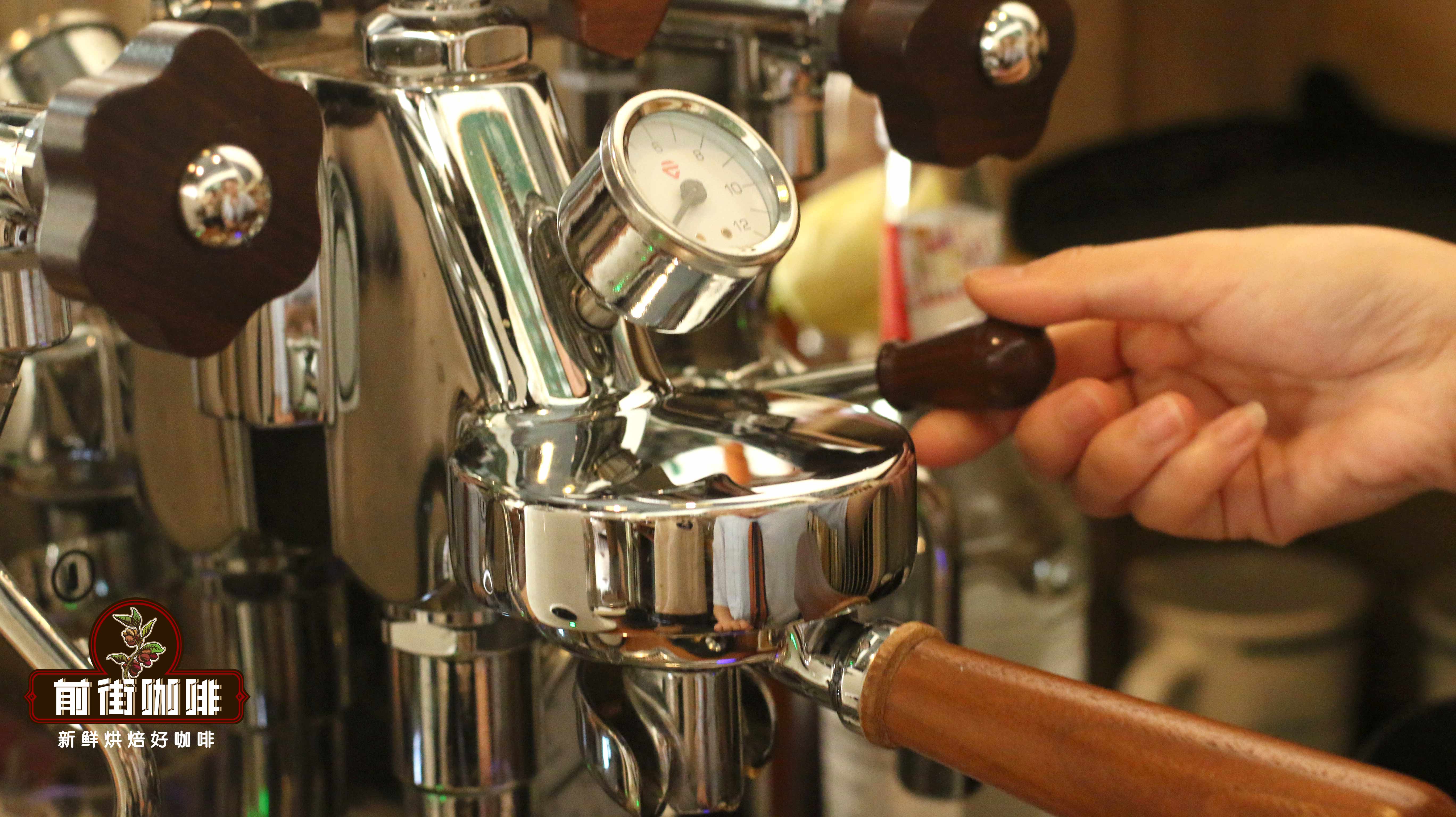
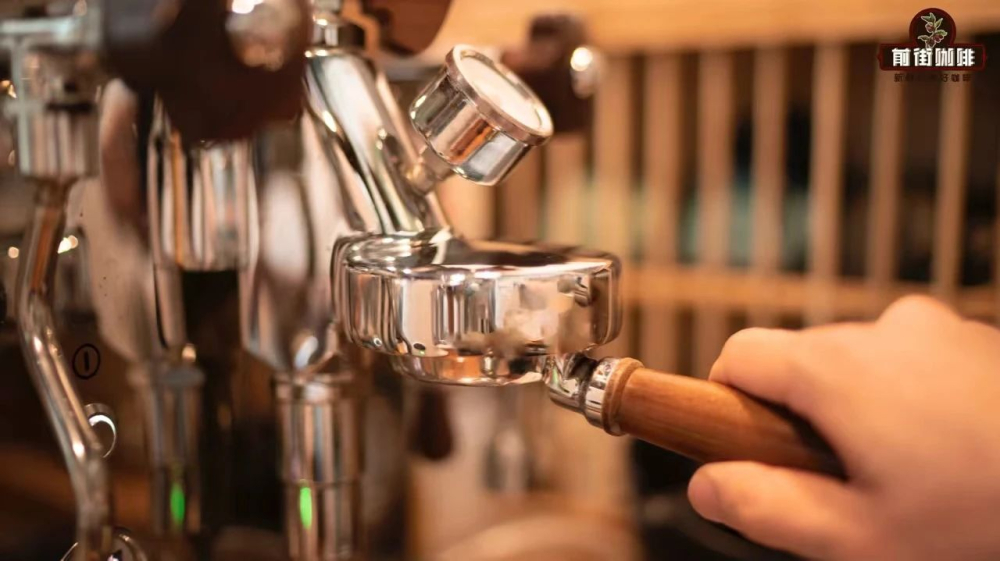
The complete espresso-making process includes seven key steps: first ensure the portafilter basket is dry and free of moisture, then precisely weigh the coffee dose (error ≤0.1 gram), distribute the grounds evenly, tamp with consistent and stable pressure, tap the handle lightly to remove air bubbles, install it into the machine for extraction, and finally clean the group head to prevent residue. Professionals recommend a baseline scheme of20 grams of coffee yielding 40 grams of espresso in 30 seconds. This parameter ensures concentration while leaving room for flavor adjustments. Whether for hot drinks with milk or iced drinks served straight, mastering these basic parameters is the core prerequisite for crafting a high-quality espresso.

The above content is compiled by CoffeeHunters, a coffee news website.


