








Introduction:Have you heard the claim that "the richer and more golden the crema, the better the espresso tastes"? In reality, this layer of foam on top of an espresso doesn’t solely indicate flavor quality. This article will delve into the science behind crema formation, explore how its condition relates to factors such as bean freshness, roast level, grind size, and extraction pressure, and illustrate with examples why appearance alone can’t determine coffee quality—helping you understand the extraction secrets of espresso more scientifically.
The Myth of Crema
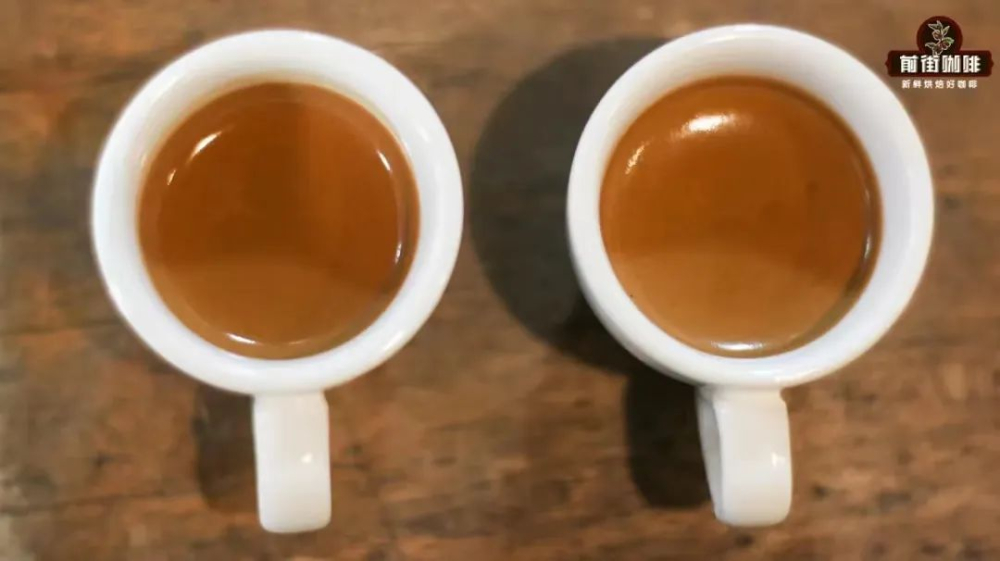
Many coffee enthusiasts believe that simply by observing the condition of the crema on an espresso, they can judge whether the coffee is delicious. Especially those fine-textured, golden, and layered cremas are often seen as symbols of high-quality coffee. But is this method really accurate? Let’s rethink this issue through two simple tests.
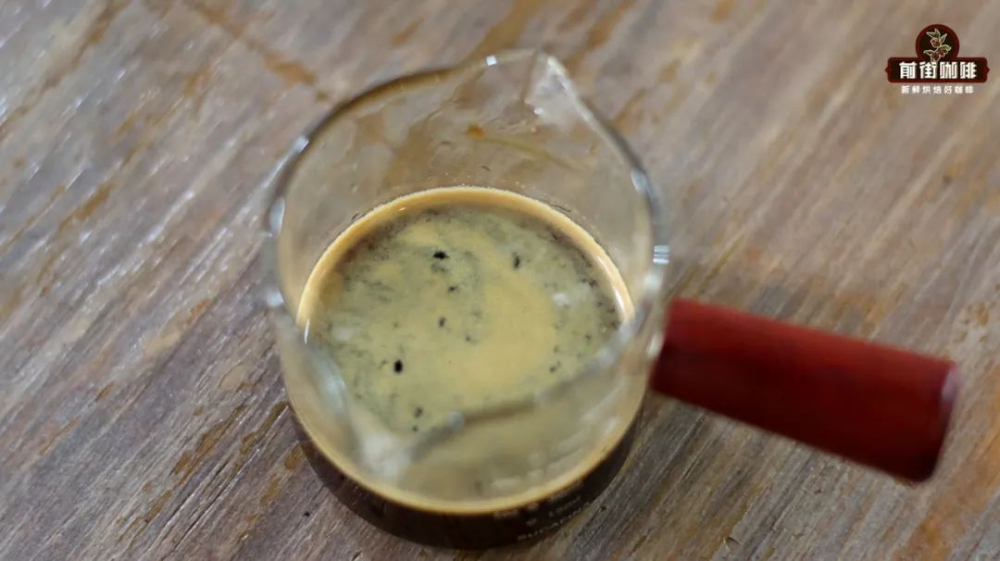
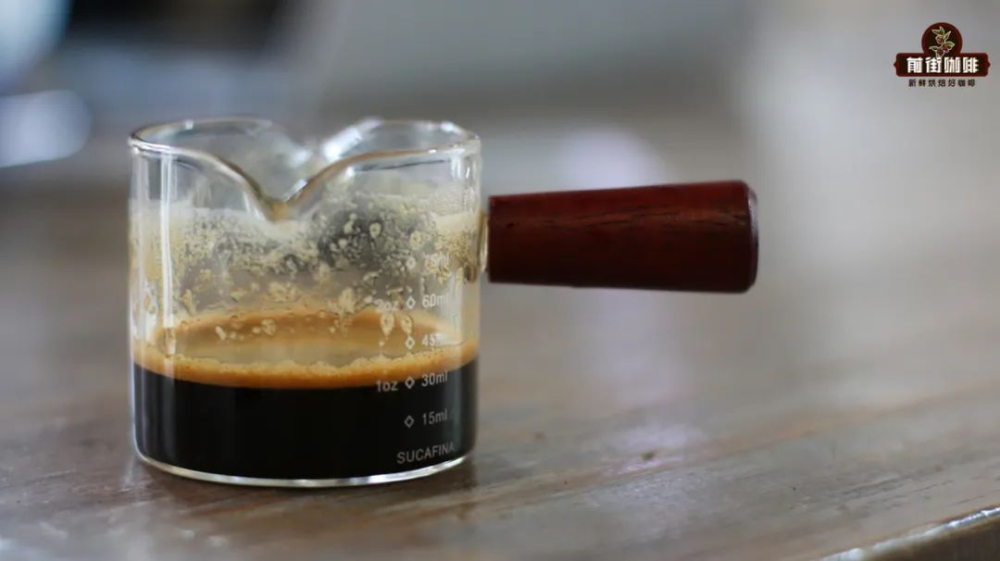
In the first set of images, only one cup contains a truly good-tasting espresso. Can you identify it just by looking at the crema? The answer is the third cup. The same goes for the second set—correct answer is the second cup. Interestingly, most people get the first one right, but struggle or can only guess for the second. This shows that although crema condition can provide some clues, it doesn't directly reflect the overall flavor performance of the coffee.
What Exactly Is Crema?
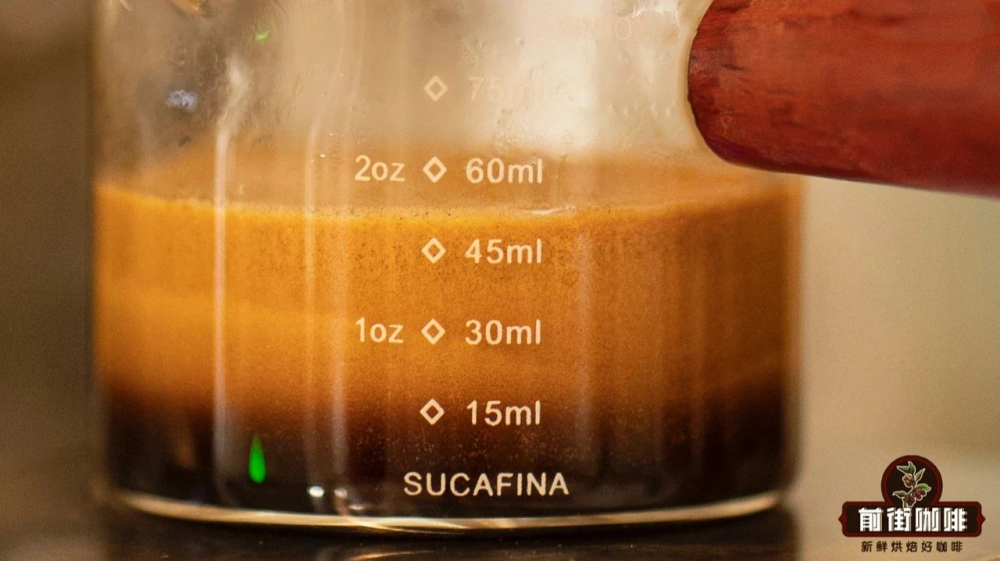
Crema is actually a golden foam layer formed during high-pressure espresso extraction when insoluble oils in the coffee beans combine with carbon dioxide. Under 9 bars of pressure, these elements are pushed into the liquid coffee, then gradually separate due to the oil’s insolubility in water.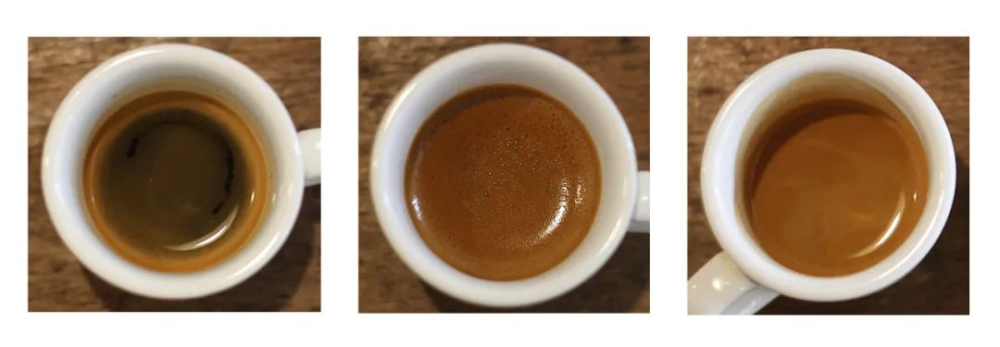 A similar golden foam can also be observed on the surface of the coffee grounds during pour over brewing, though its composition and formation mechanism differ slightly.
Three Key Factors Affecting Crema Quality
The quality of crema is primarily influenced by the following three factors:The carbon dioxide content in the coffee beans, grind size, and roast degree.Among them, carbon dioxide is key to crema formation—it not only affects the richness of the foam but is also closely related to the freshness of the coffee.
Issues with Overly Fresh Coffee Beans
When coffee beans are too fresh, they contain a large amount of carbon dioxide. While this can produce thick and brightly colored crema, the structure of this foam is often unstable. Excessive carbon dioxide can cause bubbles to become too large and cluster together, resulting in a coarse, easily disintegrating layer of crema with poor fluidity—even resembling clumped milk foam. In such cases, the coffee’s flavor is usually not clear, and extraction performance is affected.
Impact of Stale Coffee Beans
Conversely, if coffee beans have been stored for too long, their internal carbon dioxide gradually dissipates. As a result, the crema produced during extraction becomes thin and dull in color.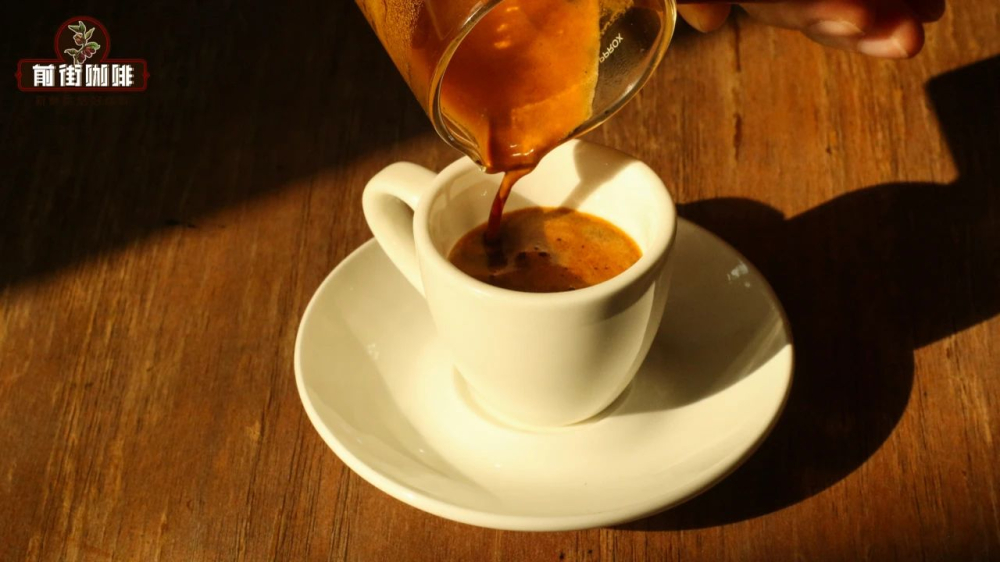 Such espressos usually taste bland, lack complexity, and fail to showcase the characteristics expected from high-quality coffee.
The Influence of Grind Size on Crema
Grind size is also a crucial factor affecting crema condition. If the coffee is ground too coarsely, there’s insufficient resistance as water passes through the coffee puck, leading to fast extraction, light-colored, thin crema with noticeable wateriness.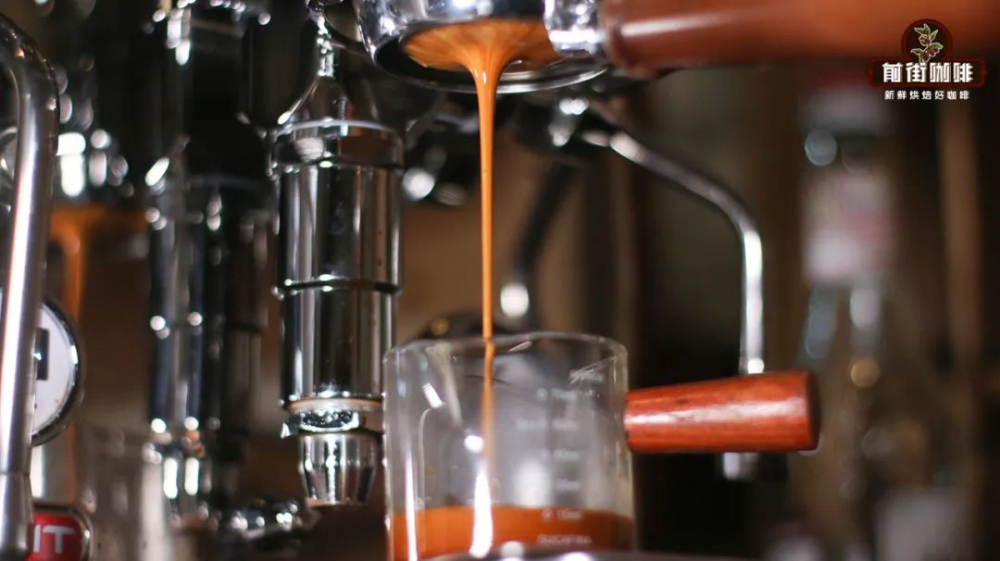 In this case, the coffee often tastes overly sharp and excessively bright. On the other hand, if the grind is too fine, the resistance to water flow increases too much, raising extraction pressure. Though this might produce dark, thick crema, the coffee may end up tasting burnt or bitter, affecting overall flavor balance.
Crema Condition Doesn’t Fully Represent Coffee Quality
Although crema condition can offer some insights about the extraction process, it shouldn’t be the sole criterion for judging coffee quality. For example, dark roasted beans typically produce richer, darker, and fuller-bodied crema than light roasts—but both have unique flavor profiles and can represent excellent espresso.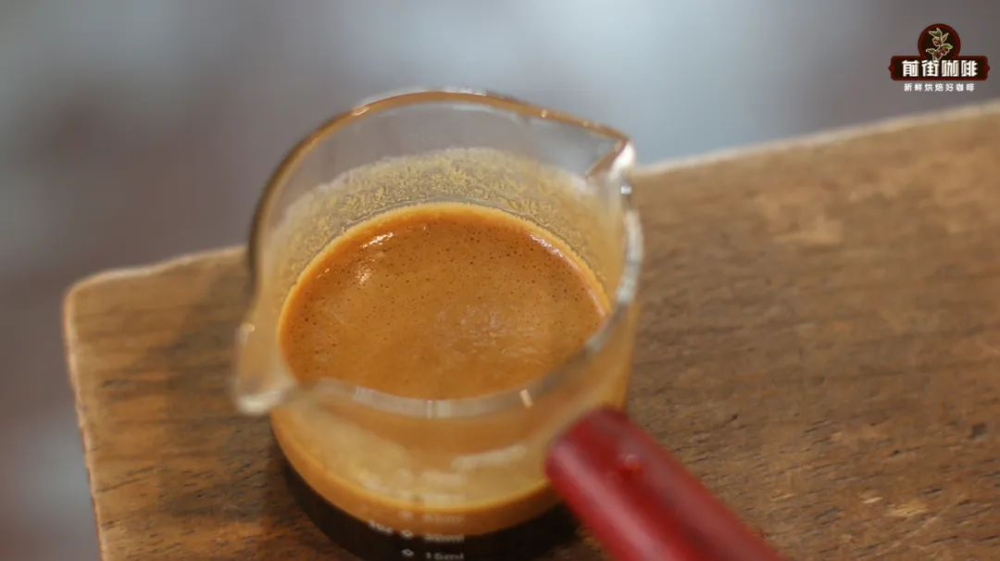
Additionally, even if three espressos have similarly fine, thick, and golden crema, their actual flavors could be completely different. This is because changes in extraction pressure (such as 6Bar, 9Bar, or 11Bar) have minimal effect on crema appearance but significantly impact the overall coffee flavor. Low pressure may lead to bland taste, while too-high pressure can bring about harshness and bitterness.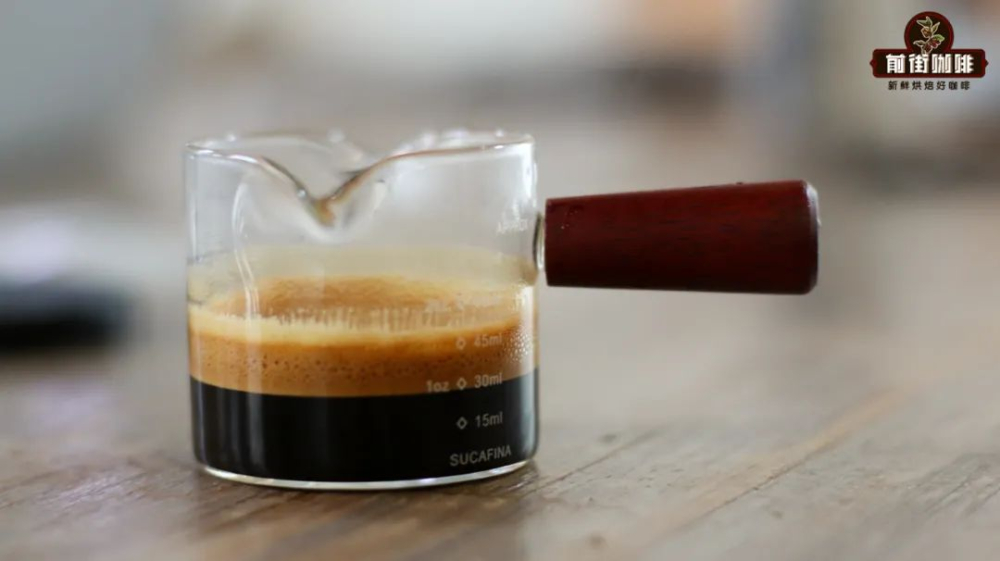
In summary, crema is an important visual indicator during espresso extraction, but it’s only one part of overall coffee quality. Understanding the principles of crema formation and its relationship with bean condition, grind size, and extraction parameters can help you more comprehensively evaluate and optimize your espresso-making process.

The above content is compiled by CoffeeHunters, a coffee news website.


