







Introduction:Want to understand the fundamental differences between pour over and espresso? This article provides an in-depth analysis of bean selection, brewing principles, caffeine content, and practical tips for both methods, while also addressing common questions such as whether single-origin beans can be used for espresso or if blends are suitable for pour over. Whether you're a beginner or a coffee enthusiast, you'll gain key insights into parameters and flavor profiles to find your ideal brewing method.
Coffee has become an indispensable beverage in many people's daily lives, but have you ever wondered why some coffees are best savored slowly while others shine when paired with milk? Pour over and espresso represent these two extremes. Pour over typically uses single-origin beans, highlighting the beans' original flavors and regional characteristics, whereas espresso is usually based on blends, extracting a rich and bold coffee liquid under high pressure. This article will compare the two in detail to help you better understand how to choose the right brewing method based on the characteristics of the coffee beans.

Differences in Coffee Bean Selection
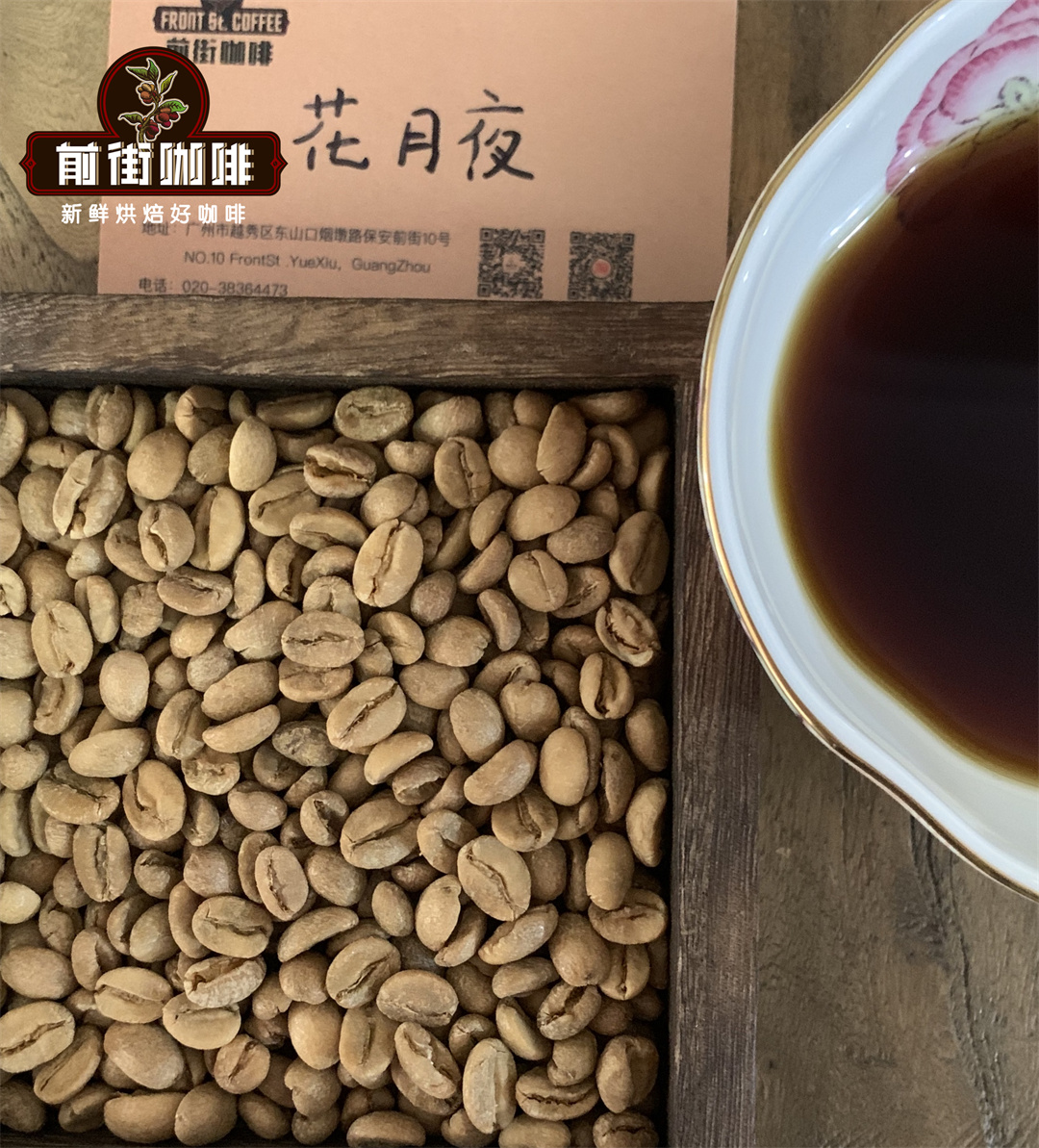
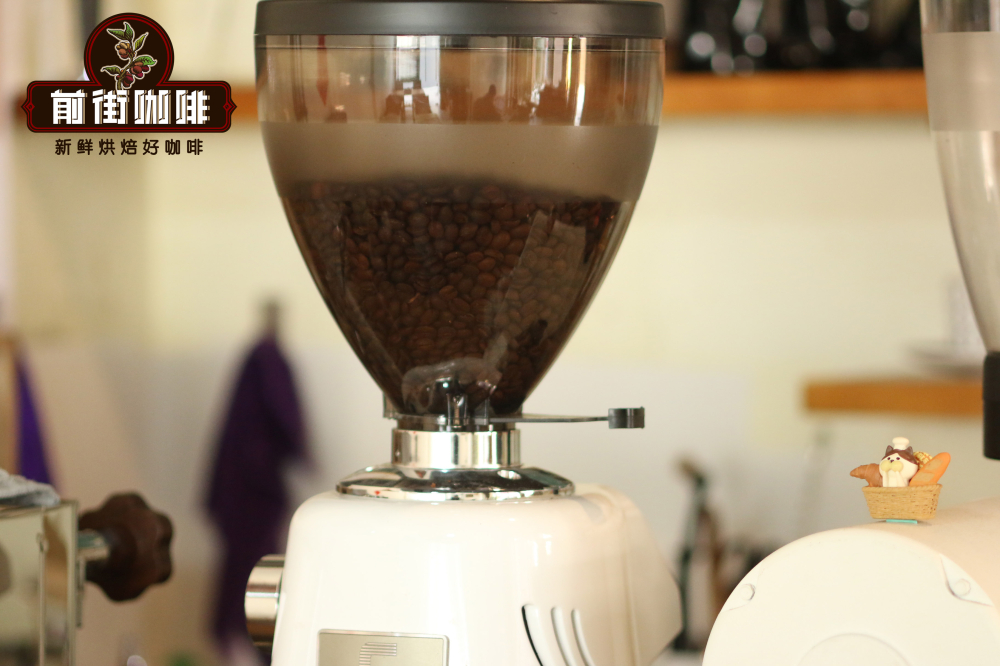
Pour over generally uses single-origin beans, often roasted to a light to medium level to preserve the beans' inherent floral, fruity aromas, and acidity. Of course, some coffee lovers prefer the bold flavors brought by dark roast beans. In contrast, espresso typically uses professionally blended beans, combining beans from different regions in specific proportions to create a balanced flavor profile that pairs well with milk. These blends are usually roasted to a medium-dark to dark level, allowing them to withstand the high temperature and pressure of the extraction process, making them ideal for drinks like cappuccino and latte.It’s important to note that espresso beans must be ground to an extremely fine consistency using a professional grinder to ensure even extraction.
Extraction Principles: A World of Difference
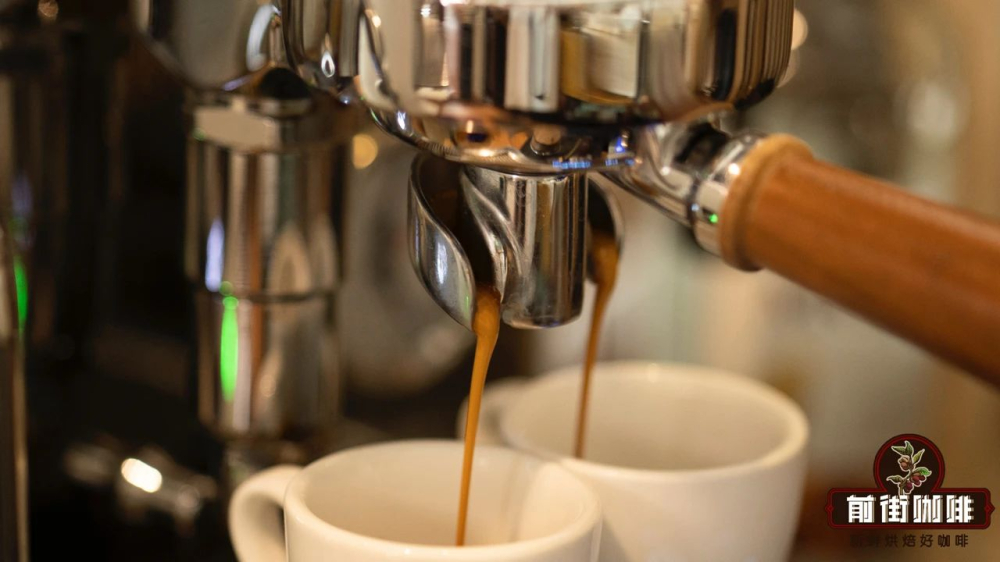
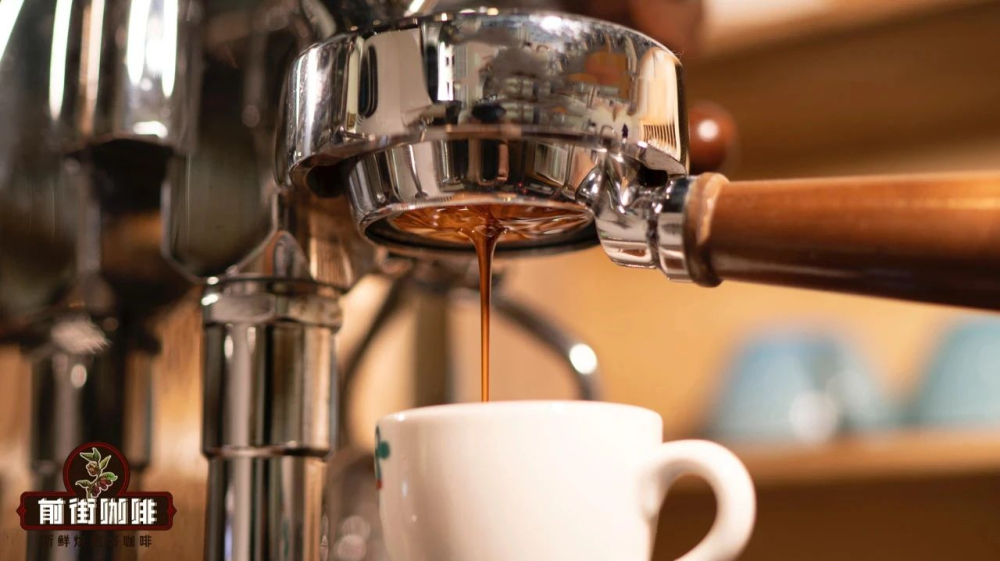
Pour over mainly occurs under normal atmospheric pressure, where hot water slowly saturates the coffee grounds through a filter. The extraction time is around 1–3 minutes. Even when using a moka pot or AeroPress, the pressure is only about 3 bar. Espresso, on the other hand, relies on high-pressure extraction, with commercial machines reaching 9–11 bar, and home machines needing at least 9 bar to consistently produce espresso. Under such high pressure, the coffee puck endures around 133 kilograms of force, releasing flavor compounds that are difficult to dissolve under normal pressure. As a result, espresso has a thicker texture and more layered complexity, making it especially suitable for milk-based drinks like lattes or cappuccinos.This is also the reason why espresso typically only takes 20–30 seconds to brew yet delivers intense flavor.
Caffeine Content Differences
Under the same conditions of coffee dosage and grind size, pour over usually releases more caffeine due to its longer extraction time. While pour over typically takes 1–3 minutes, espresso only takes 20–30 seconds, so under the same conditions, pour over generally contains more caffeine. This is also why long extraction methods like cold drip or cold brew often result in surprisingly high caffeine levels. Additionally, because pour over coffee has a fresh flavor, adding milk can easily mask its delicate aromas. Therefore, specialty coffee shops generally do not recommend pairing single-origin pour over coffee with milk.
Practical Preparation of Espresso
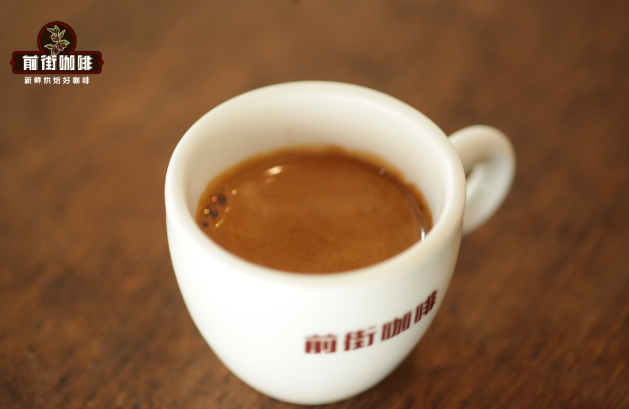
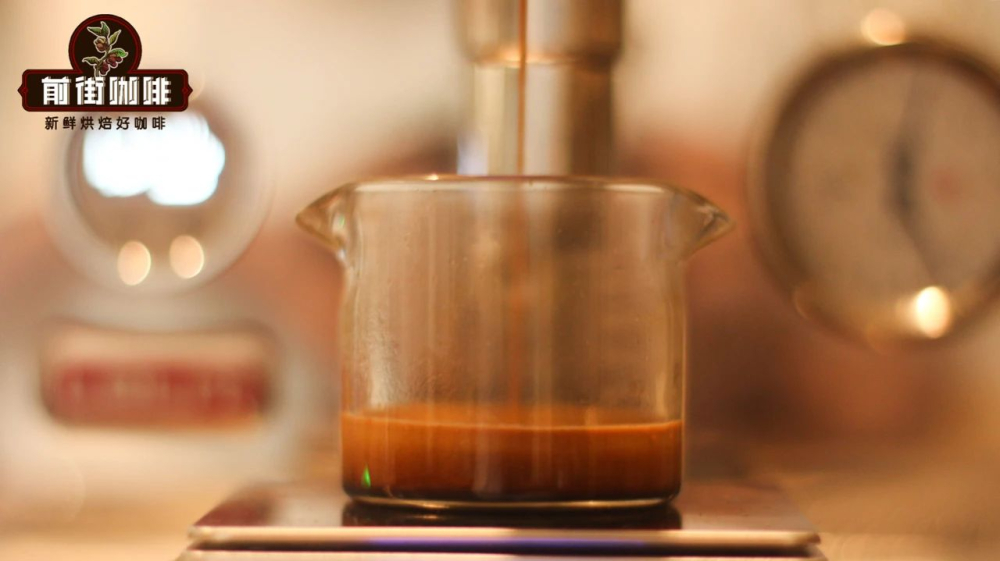
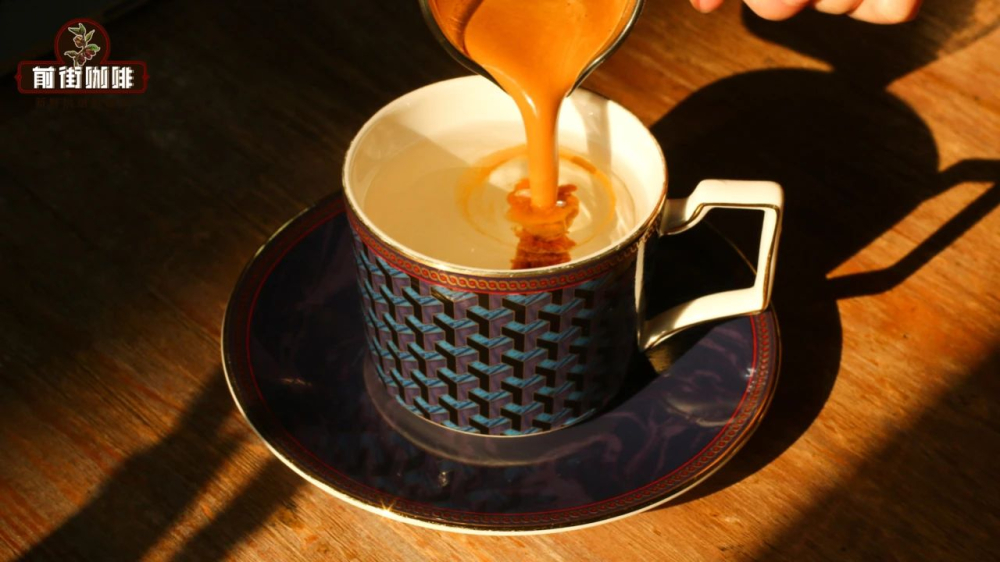
To make a standard shot of espresso, a double basket is usually used, with around 18–20 grams of coffee grounds. The recommended extraction ratio is 1:2, yielding 36–40 grams of espresso. The extraction time should be controlled between 20–35 seconds, with optimal flavor typically emerging at 28–30 seconds. Taking a commercial machine like the Lelit Bianca as an example, the pressure can be adjusted to 11 bar, while a home machine only needs to reach 9 bar for stable operation. A commonly used blend at certain cafés is Sunflower Warm Sun, a 7:3 blend of Honduran Sherry and Ethiopian Natural Red Cherry, producing espresso with a rich crema, notes of whiskey and berry acidity — an excellent base for lattes and americanos.Remember to pre-wet the group head with a small amount of hot water before extraction to enhance stability and flavor consistency.
Beginner’s Guide to Pour Over
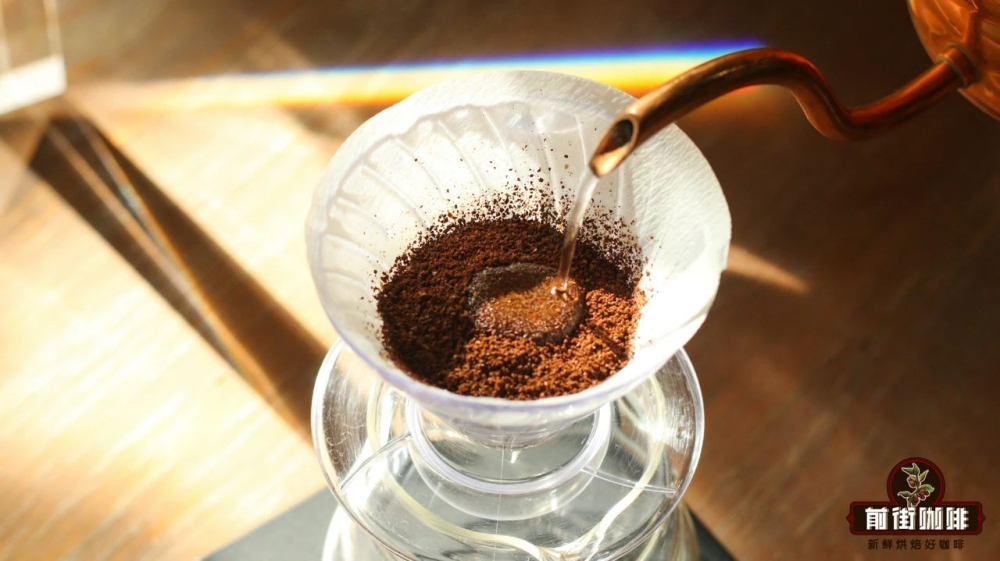
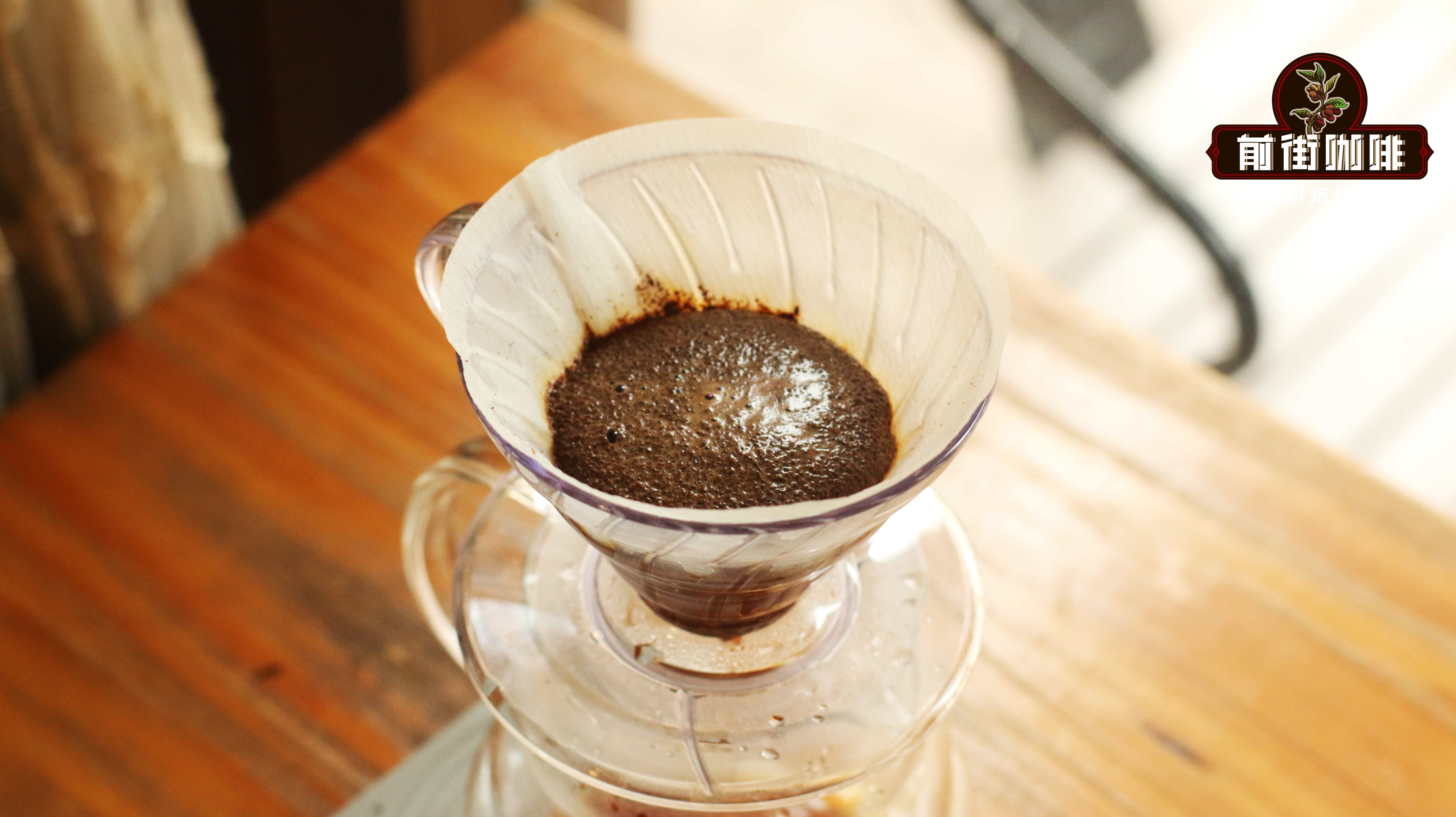
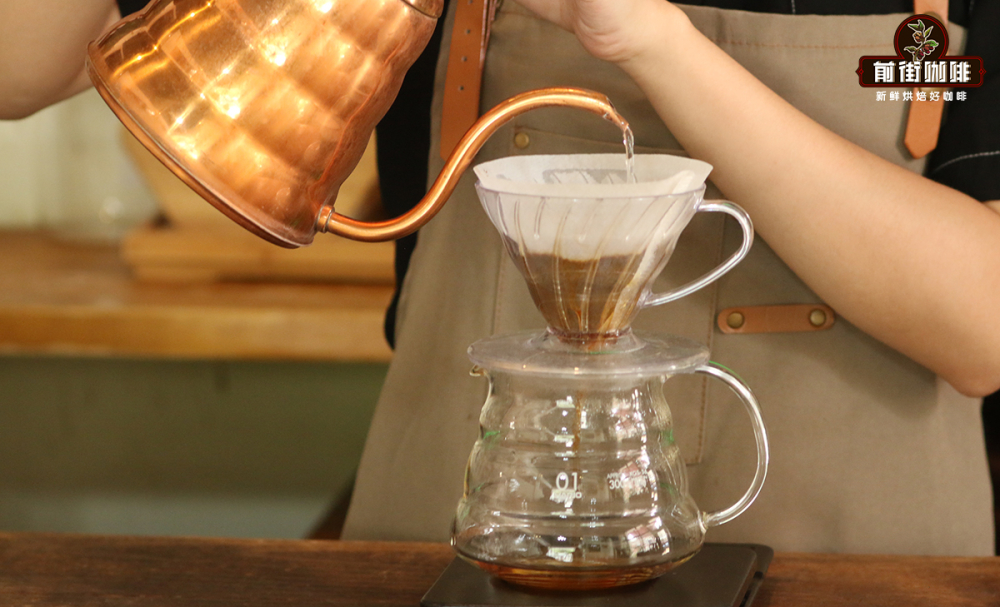
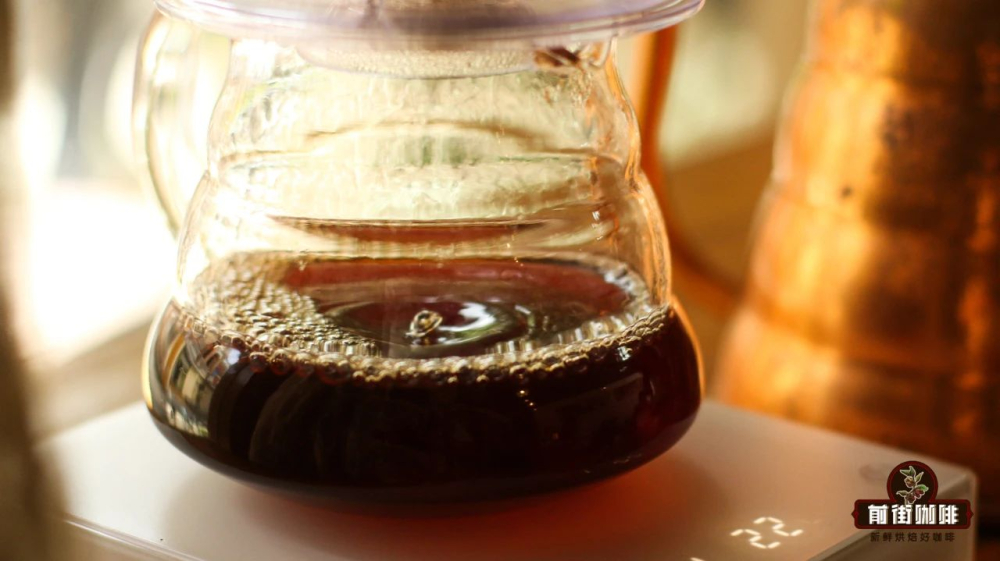
For home pour over brewing, it’s recommended to prepare basic equipment such as a gooseneck kettle, filter cone, server, grinder, filter paper, digital scale, and thermometer. Taking a medium-light roast high-altitude bean like Yirgacheffe as an example, the suggested grind size is 80% through a #20 mesh sieve, equivalent to setting 10 on an EK43s grinder. The water temperature should be increased to 91–93°C to enhance aroma. The three-pour method is an ideal choice for beginners, ensuring even extraction of flavor compounds and avoiding over-extraction. Using 15 grams of coffee and a 1:15 coffee-to-water ratio as an example, the total water volume of 225 ml can be divided into 30 ml for blooming, 95 ml for the second pour, and 100 ml for the final pour, with a total extraction time of about 2 minutes. It’s recommended to use a V60 01 filter cone made of resin material to improve water flow stability and flavor clarity.
The Crossroads of Blends and Single Origins
Although espresso blends are primarily designed for high-pressure extraction, they can sometimes be used for pour over, though their flavors may not be as vibrant as those of single-origin beans. Conversely, single-origin beans can theoretically be used to make espresso, but due to their lack of the balance found in blends, they present a higher extraction difficulty and usually require more precise grind and pressure control. Regardless of which method you choose, understanding the characteristics of the coffee beans and the principles of extraction is key to unlocking their full potential and enjoying the diverse flavor expressions of coffee.
The above content is compiled by CoffeeHunters, a coffee news website.


