







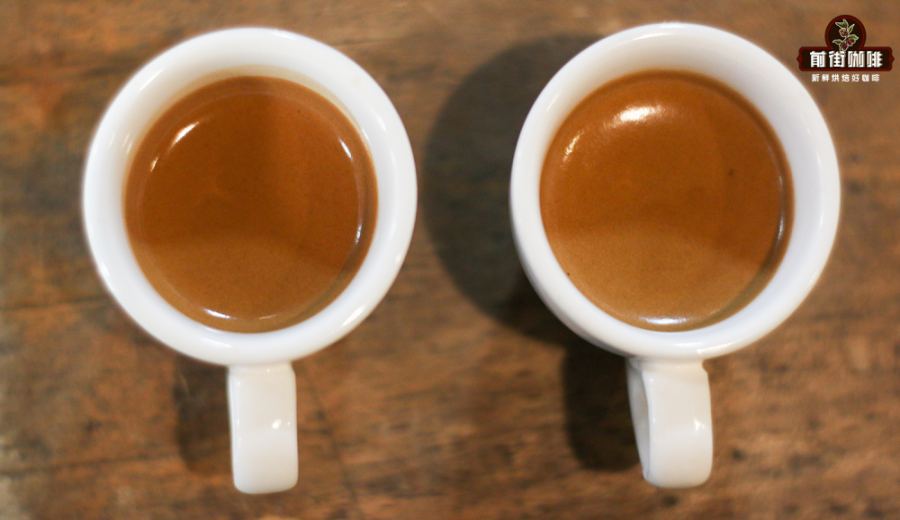
Introduction:Want to learn how to choose an SOE (Single Origin Espresso) bean that's perfect for making espresso? This article takes an in-depth look at the standard espresso powder-to-water ratio, introduces you to the flavor characteristics of SOE and the differences in roasting, along with practical extraction parameter suggestions and beginner selection tips. It helps novice coffee drinkers avoid common mistakes and brew espresso with standout flavors.
In recent years, more and more coffee enthusiasts have started using Single Origin Espresso beans (abbreviated as SOE) to make espresso. This type of espresso, which emphasizes regional characteristics, is quite different from traditional espresso made with blended beans. However, not all single-origin beans are suitable for use as SOE — selecting the right ones is key to bringing out unique regional flavors.
For example, Ethiopian Yirgacheffe often has pronounced citrus notes, while Kenyan beans are known for their berry and wine-like aromas. These characteristics become even more prominent under high-pressure espresso extraction, but they also place higher demands on roasting and extraction conditions.
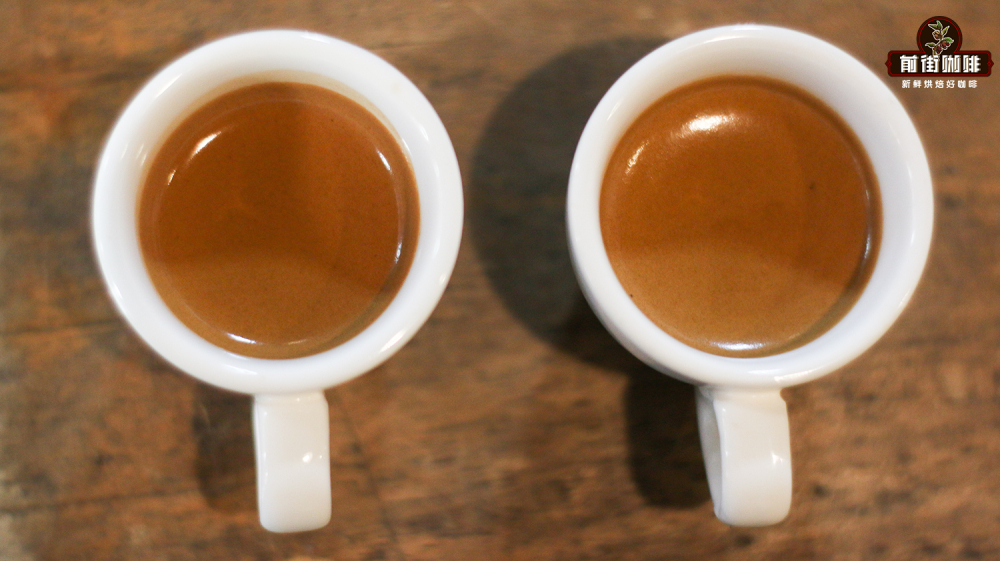
The key to SOE espresso lies in highlighting the unique flavor profile of a single origin. As such, the roast level is usually not very dark. Compared to traditional dark-roasted Italian espresso beans, the flavor release is more delicate but also harder to extract fully. To improve extraction efficiency, adjustments are often needed in grind size, extraction time, and sometimes an increase in coffee dosage.
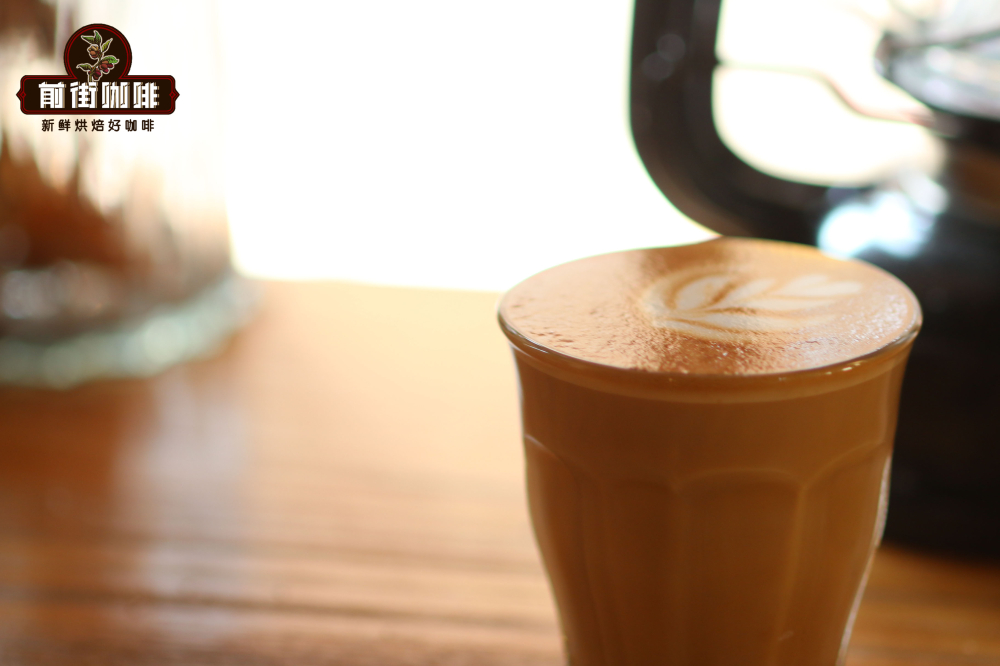
In addition, when using SOE to make lattes or Americanos, it’s recommended to adjust the ratio of coffee to milk or water appropriately, letting the rich regional flavors take center stage and avoid being diluted into dullness by large amounts of additives.
However, SOE also comes with challenges: the characteristics of a single origin — whether good or bad — are amplified. If the bean quality is poor or the roast is off, flaws will be more obvious. As a result, there's a higher threshold for roasting profiles, grind settings, and extraction techniques, which is also one of the reasons why SOE coffee is often more expensive than regular espresso.
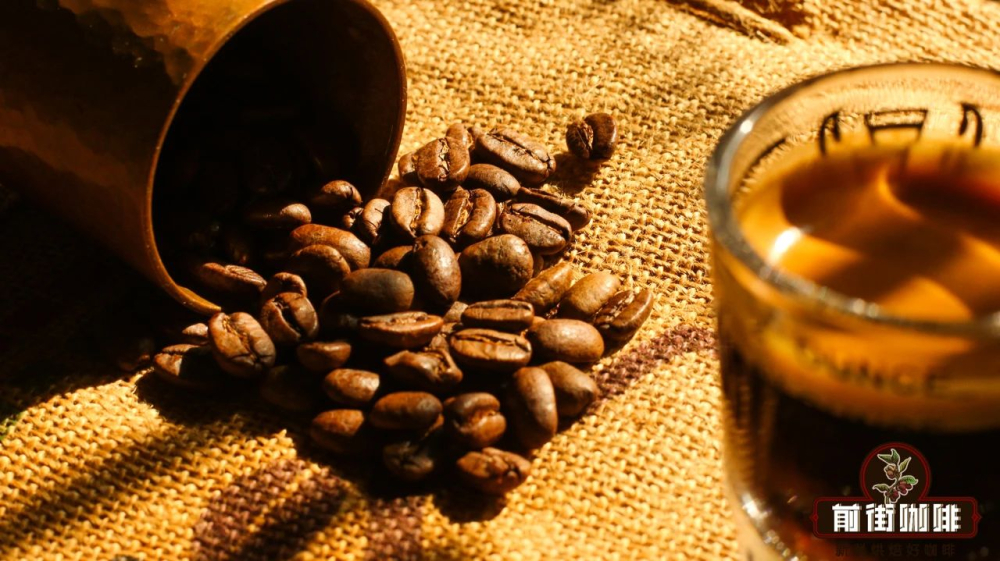
Many coffee shops used to rely on blends to achieve balanced flavors, but now many are also experimenting with single-origin beans for espresso to highlight regional characteristics. However, different brewing methods require different roast levels. For example, Yirgacheffe that is medium-light roasted and originally suitable for pour over may become overly sharp in its bright acidity when directly used for high-pressure espresso extraction, making it less palatable. Therefore, choosing an SOE bean suitable for espresso requires special attention to adjusting the roast parameters.
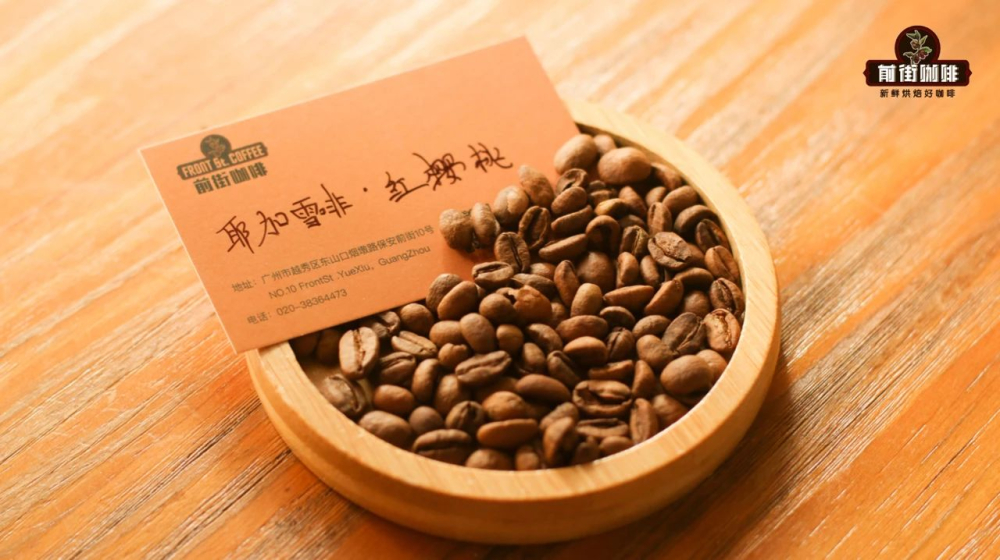
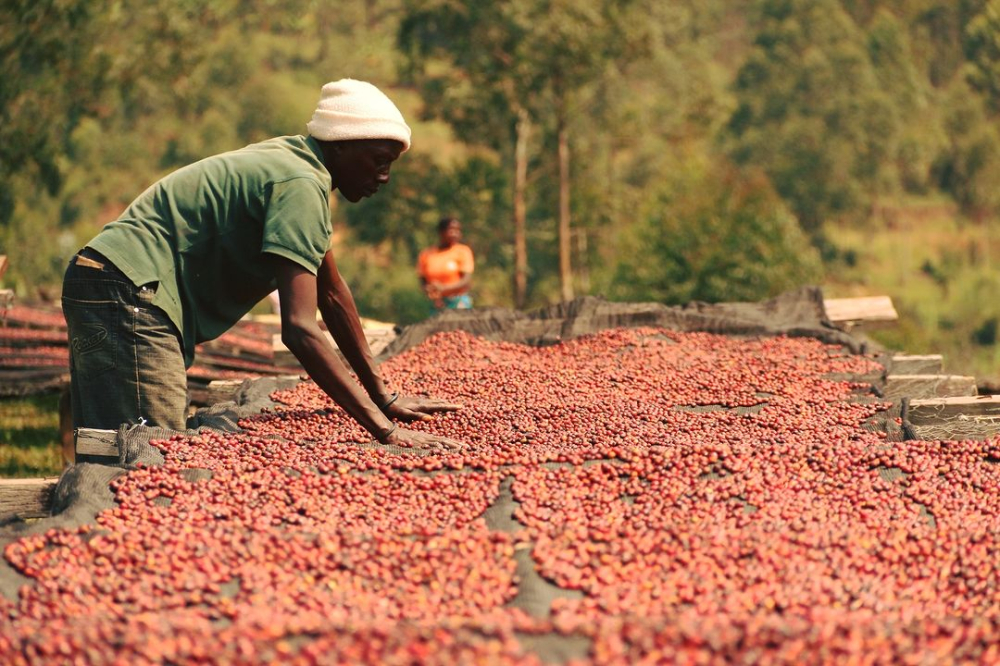
Take, for example, the Ethiopian Yirgacheffe Red Cherry Natural, sourced from the Altelan Estate at altitudes of 1700–2200 meters. It uses local heirloom varieties and a refined natural processing method, delivering intense fruitiness and sweetness. This bean, roasted to a medium-light level, can still present clear citrus notes during espresso extraction, with a balanced acidity and sweetness and low bitterness. Though not as intense as dark-roasted beans, it offers a richer flavor complexity.
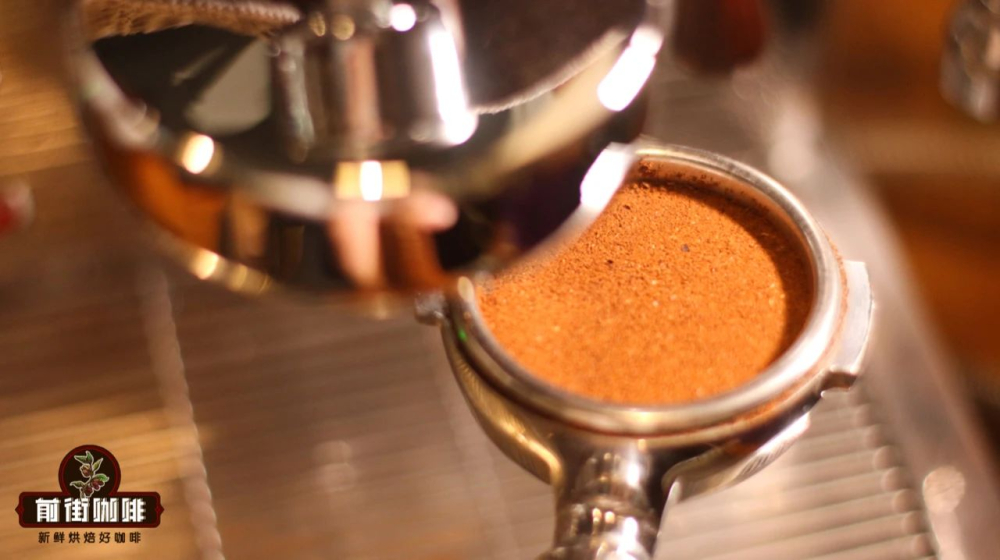
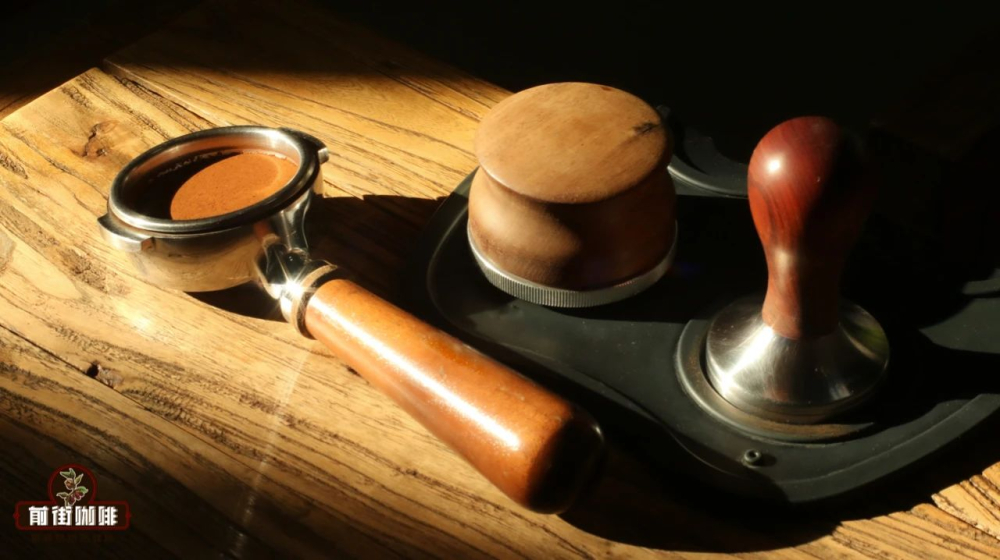
When extracting this bean, it’s recommended to use a finer grind and control the extraction time to around 22 seconds, aiming to pull 40 grams of liquid from 20 grams of coffee. If using a Feima 900N grinder, you can fine-tune the preset espresso grind setting two clicks finer to avoid under-extraction and overly prominent acidity caused by too coarse a grind.
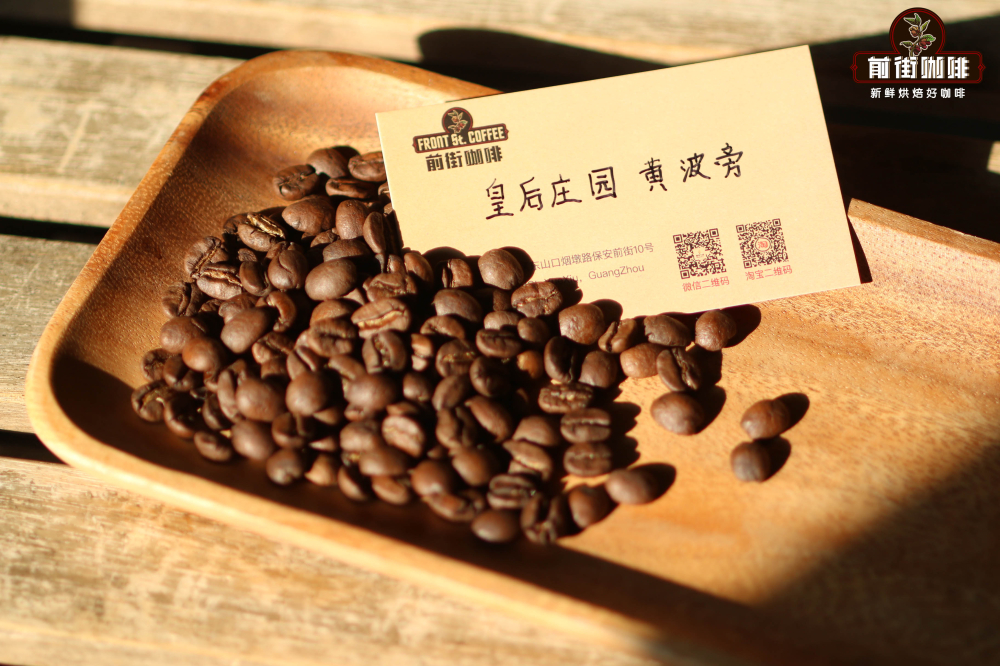
Another recommendation is the Brazilian Queen Estate Medium-Roast Yellow Bourbon, grown at altitudes of 1400–1950 meters in the Mogiana region, processed with the natural method to bring out a mild and balanced taste. This bean suits various brewing methods, especially shining under espresso extraction with its rich nutty aroma and smooth crema. The finish carries hints of chocolate, offering a full yet soft mouthfeel — a solid choice for beginners exploring SOE.
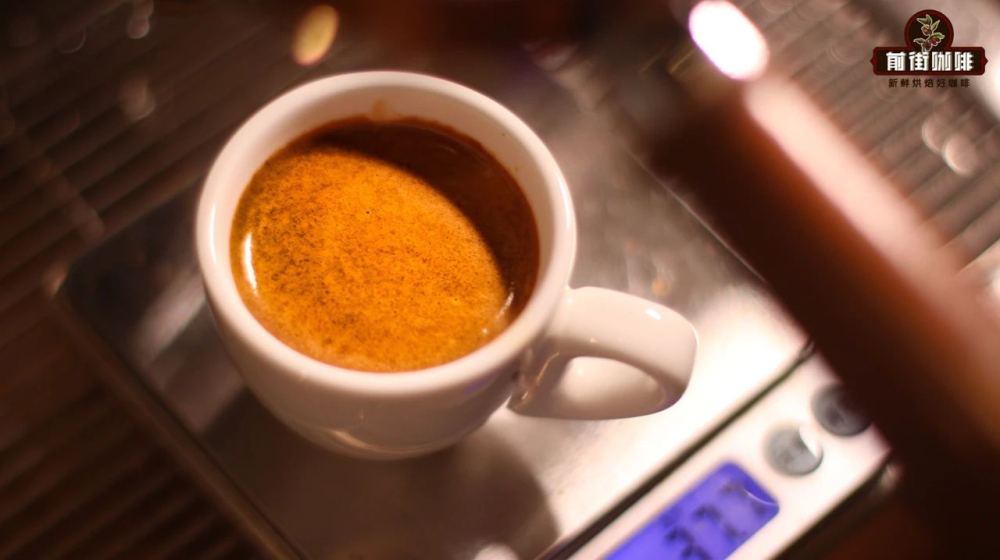
Suggested extraction parameters are 20 grams of coffee grounds to 40 grams of espresso, with an extraction time controlled around 27 seconds, yielding a balanced and layered cup.
In summary, selecting and extracting SOE coffee beans requires consideration of regional characteristics, roast depth, and brewing conditions. Whether you’re a coffee novice or an advanced enthusiast, mastering these basic principles and practical techniques will help you brew espresso with vivid and distinct flavors more easily.
The above content is compiled by CoffeeHunters, a coffee news website.


