







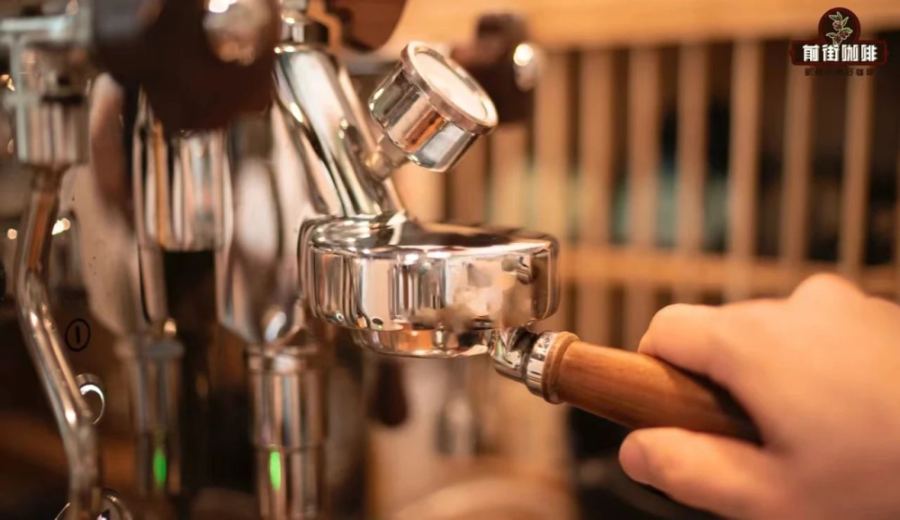
Introduction:Want to understand why most coffee shops choose espresso blends? This article dives into the formulation logic of espresso blends, their dark roast characteristics, and why they are the go-to choice for consistent output. It also provides practical extraction parameters—including grind size, coffee-to-water ratio, and time control—to help you master the core techniques of espresso, benefiting both pour over enthusiasts and beginner baristas.
To this day, many coffee shops still use espresso blends as their base. The widespread use of these beans is not only due to effective cost control but also because they ensure that every espresso-based drink has a stable and consistent flavor profile. In short, blends are the key to maintaining consistent quality and taste.
What is an espresso blend?
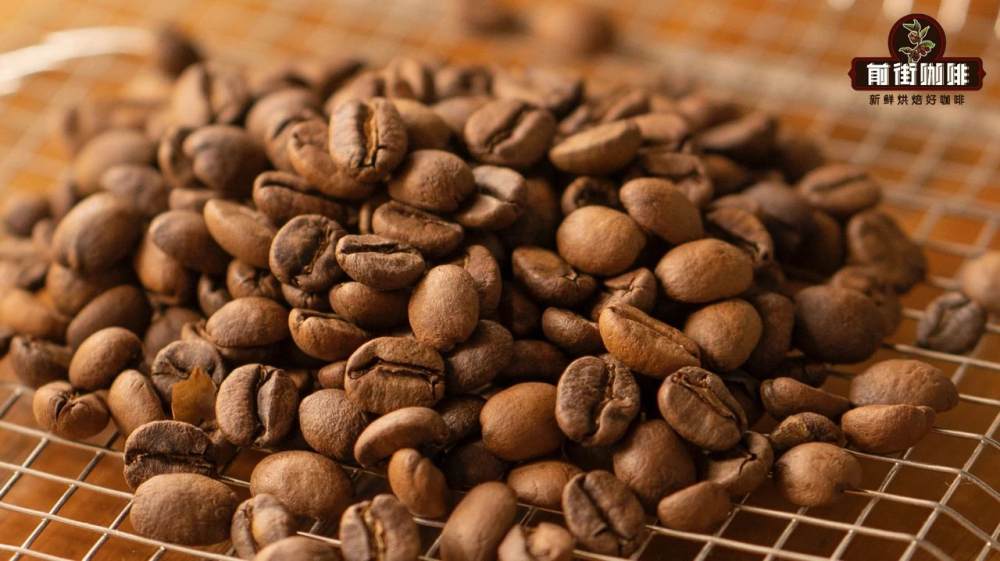
In the early days, when espresso was not yet widely popular, many shops used single-origin beans, such as common Brazilian or Mocha varieties. However, as coffee demand increased, inconsistencies in yield, processing, and quality emerged across different regions. To reduce the impact of these variables on extraction, producers gradually began blending beans from various origins to complement each other’s strengths. At the same time, using dark roasting helped to reduce acidity and undesirable flavors while enhancing crema richness. As a result, before the rise of specialty coffee, espresso was typically made with blends of two or more origins, usually featuring deep-toned flavors such as caramel, dark chocolate, nuts, and cream.
Why do most shops choose blends? Stability is the top priority.
Coffee beans from each origin—even within the same region—can vary in flavor from season to season or batch to batch. This inherent variability makes it difficult for single-origin beans to maintain consistency in long-term supply. Therefore, one of the biggest advantages of blends is their ability to achieve long-term, stable flavor profiles through the combination of different beans. If the quality of beans from a certain season falls short of expectations, adjustments can be made by tweaking the blend ratio or replacing them with similarly flavored beans to maintain output standards.
Blends can also create new flavor layers.
Different coffee beans have their own strengths and weaknesses. A single-origin bean can sometimes be like an individual with a unique personality. A blend, on the other hand, is like forming a team—combining the strengths of different beans and compensating for their weaknesses to bring out a more balanced or richer flavor. For example, pairing high-sweetness beans with high-acidity beans can create a balanced sweet-and-sour profile; or adding some Brazilian beans can enhance overall body and richness.

Blending methods: Differences between green blending and roasted blending.
Blending can be divided into two methods: "green blending" and "roasted blending." Green blending refers to mixing different beans in proportion before roasting. Its advantage lies in simplicity and efficiency—only one roasting process is needed, and it ensures bean consistency. However, green blending requires beans with compatible densities and suitable roast levels; if paired improperly, it may weaken the overall performance.
In contrast, roasted blending involves roasting each type of bean separately before blending, allowing each to be roasted to its optimal state based on its individual characteristics, thus fully unlocking its unique flavor potential. However, the challenge with roasted blending is managing multiple roasting batches and resting periods, which demands higher quality control and process management. For instance, to highlight the wine-like aroma or fruit acidity of a particular bean, it may need to be roasted separately before being blended in proportion.

Practical extraction parameters and equipment settings.
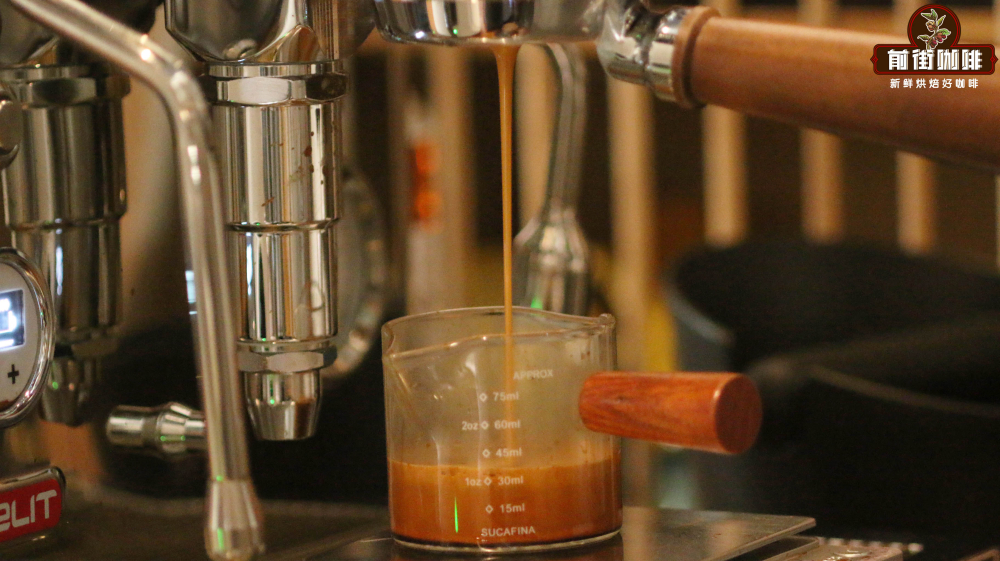
For espresso, the common extraction recommendations are as follows: use about20 grams of coffee grounds, aiming to extract40 grams of coffee liquid, with a coffee-to-water ratio of1:2, and extraction time controlled between26–32 seconds. For grind size, you can refer to the2.0 settingon the Galileo grinder, suitable for most double-shot portafilters.
In practice, it’s recommended to first dry the portafilter to ensure there is no residual moisture. Then grind the coffee beans and weigh them precisely to 20 grams. Use a distribution tool to evenly spread the grounds, then apply vertical pressure with a tamper to ensure the puck is compact and level, which helps stabilize the flow rate during extraction. Before starting extraction, run water for 1–2 seconds to wet the group head and remove any leftover coffee residue. Place the extraction container on the scale and tare it, then observe the flow rate and total volume during extraction. When approximately 40 grams of coffee liquid is reached and the time falls between 26–32 seconds, stop the extraction.

Common adjustments and precautions.
Due to daily variations in humidity, bean freshness, or roast level, it’s recommended to flexibly adjust the dosage, grind setting, or extraction time based on actual extraction results to maintain stability. Extraction times that are too short (below 20 seconds) may result in weak flavor, while those that are too long (over 35 seconds) can lead to burnt, over-extracted tastes.
Additionally, because blends are typically medium to dark roasted, they produce rich crema and are especially well-suited for milk-based drinks like lattes or cappuccinos. They offer a full-bodied texture and relatively easy control over extraction quality, making them a practical choice for beginners and shop operations.



The above content is compiled by CoffeeHunters, a coffee news website.


