








Introduction:Many people believe that blended coffee beans are only suitable for espresso, but in fact, with the right selection, they can also be brewed into delicious pour over coffee. This article delves into the characteristics of blended coffee beans, explores their compatibility with pour over extraction, and provides several practical blend recipes along with flavor descriptions to help you find blends suitable for pour over and enhance your brewing experience.
In the world of coffee, blended beans are often associated with espresso, but they can also perform quite well in pour over applications. Blended coffee beans refer to the mixture of two or more types of beans from different origins in specific proportions, aiming to balance flavors or enhance certain characteristics. Many people mistakenly think that blends are only for commercial use or can only produce strong, bitter coffee, but in reality, with the right blend, they are also suitable for pour over and can showcase delicate layers of flavor.

First, we need to clarify a few basic concepts. So-called espresso beans generally refer to beans designed for espresso machines, typically roasted darker to emphasize a rich and bold taste. In contrast, pour over coffee beans are mostly light to medium roast, focusing on highlighting the inherent flavor characteristics of the coffee, such as floral notes, fruity acidity, and sweetness. It’s worth noting that pour over often uses single-origin beans—beans from a single region—to emphasize the unique terroir of that origin.

In the past, blends were often considered low-cost or lower-quality options, mainly due to early blends being created to reduce costs or standardize flavors for mass production. But in reality, blending is a skill; a good blend can complement the strengths and weaknesses of various beans, creating a more balanced and layered taste. For example, some blends are designed to highlight sweetness and body, while others emphasize a balance of fruitiness and acidity. Therefore, blended coffee beans are not only suitable for espresso but can also excel in pour over.

So, can blended coffee beans be brewed using pour over methods? The answer is yes. As long as the goals of the blend align with the characteristics of pour over extraction—such as a moderate balance of acidity and sweetness, and flavor compounds suitable for medium to high temperature extraction—it can deliver surprisingly good results. The pour over method, which emphasizes precise water flow control and temperature management, can amplify the subtle flavors in the blend, especially in light to medium roast combinations, often bringing out rich fruity and floral notes.

Below are several practical and popular blend recipes suitable for pour over experimentation. The first is the “Mandheling-Brazil Blend,” consisting of 40% Indonesian Mandheling and 60% Brazilian Red Bourbon. Mandheling has a rich flavor with notes of nuts, chocolate, and slight herbal undertones, while Brazilian Red Bourbon provides a stable base of nuts and caramel. This combination neutralizes the herbal notes of Mandheling, resulting in an overall full-bodied and balanced taste, similar to the cleanliness of Blue Mountain coffee.

The second recommended recipe is “Sweet Affection,” made up of 70% Ethiopian Yirgacheffe Red Cherry and 30% Costa Rican Tarrazú. Ethiopian Yirgacheffe Red Cherry is known for its sweet berry notes and bright acidity, paired with the honey-like sweetness and full body of Costa Rican Tarrazú, resulting in a richly layered flavor. When brewed with pour over, it offers a delightful balance of sweetness and acidity.
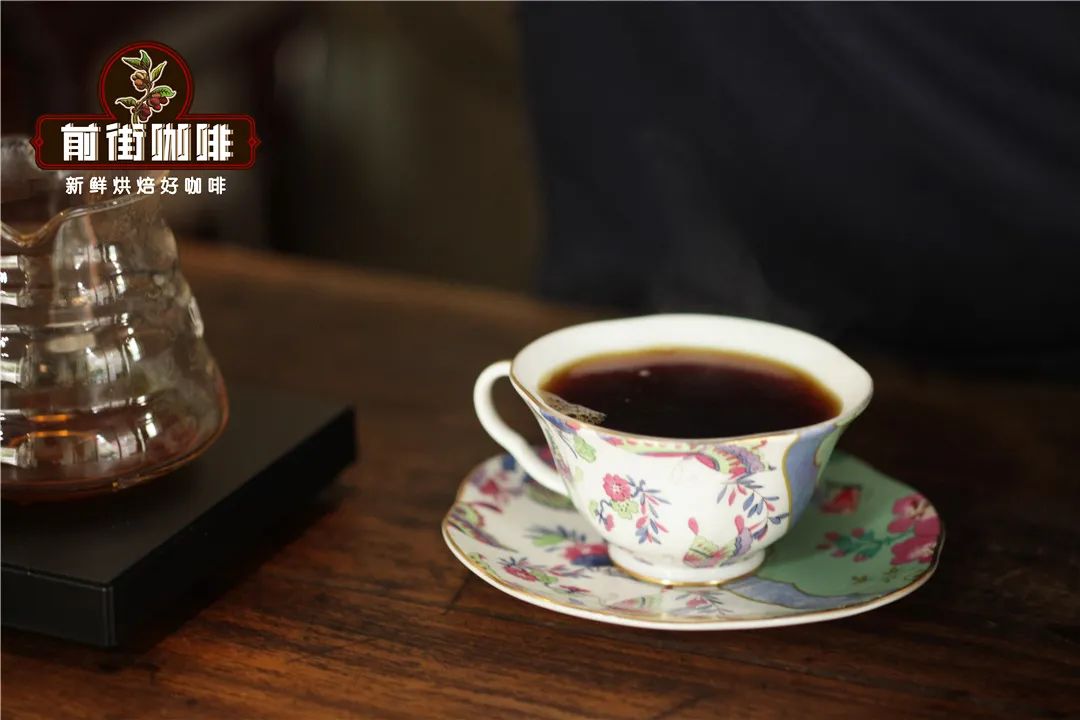
Finally, there is “Floral & Fruity Harmony,” composed of 60% Guatemala Santa Barbara (Flor de Cana), 30% washed Ethiopian Yirgacheffe, and 10% Kenya AA. This blend is characterized by light citrus and lemon notes, with the jasmine aroma of Flor de Cana complementing the green tea-like finish of Yirgacheffe, plus the tomato-like hints of Kenya AA. The overall flavor is fresh and vibrant, making it perfect for those who enjoy fruity and floral profiles.

In summary, blended coffee beans are absolutely not limited to espresso. As long as you understand their blend logic and flavor profiles, and choose blends suitable for pour over, you can also enjoy a rich and balanced coffee experience. Whether you are just starting out or already an experienced coffee enthusiast, you can try these blend recipes to explore more flavor possibilities in pour over brewing.
The above content is compiled by CoffeeHunters, a coffee news website.


