







Introduction:Want to uncover the secrets of blended coffee? This article delves into the definition of Italian-style blended coffee beans, their formulation, resting time, and why blends have become the mainstream choice for espresso. Whether you're a beginner or an enthusiast looking to improve your brewing skills, you'll find practical bean selection and roasting advice here, as well as insights into the unique flavor profiles of different blends.
Many consumers often see the label "blended coffee beans" when purchasing, yet don't fully understand what it means. Blended coffee refers to a combination of beans sourced from different regions, varieties, or even roasted to varying degrees, mixed in specific proportions. This is not a random mix, but rather an artfully designed blend by baristas and blenders, aiming to achieve balanced flavors, harmonious aromas, and consistent mouthfeel—especially common in the world of espresso.
For example, blending bright and acidic Ethiopian Yirgacheffe with heavy, earthy, and herbal Indonesian Mandheling at a 1:1 ratio could result in highly unbalanced flavors. Therefore, blending coffee is an art that emphasizes proportion, flavor complementarity, and roasting technique. Professional blenders must deeply understand the unique characteristics of beans from each origin, experimenting and adjusting repeatedly to create blends with rich layers and consistent taste.

Typically, a blend recipe uses 2 to 6 types of coffee beans; using too many can dilute the main profile and obscure the overall flavor. Blending methods can be divided into “green blending” and “roast blending”: green blending means mixing different beans before roasting, which helps control the overall roast level and ensures quality, but requires selecting beans with similar roasting adaptability; roast blending involves roasting each bean separately before blending them in proportion, allowing each bean’s best qualities to shine, but is more complex to manage, requiring attention to the resting time of beans with different roast dates.
So why do Italian-style coffees mostly use blends? This stems from Italian coffee culture. Early espresso machines amplified certain flavor characteristics of the beans—for instance, the bright acidity of Yirgacheffe might become overly sharp in the machine, while the bold bitterness of Mandheling could intensify, leading to an imbalanced cup. Therefore, blends can achieve a richer, more balanced, and layered taste through complementary flavors from different beans, especially suitable for milk-based drinks like lattes and cappuccinos.

Moreover, blends help mitigate flavor fluctuations caused by climate changes in single-origin beans, ensuring consistent performance year after year. This is particularly important for cafés serving large quantities of espresso daily. Generally, the resting time for blended coffee beans is around 7 to 14 days, depending on the roast level and recipe. It’s recommended to let the beans degas and develop their full flavors after roasting.
In practice, blends can be categorized into regional blends and variety blends. The former, for example, mixes beans from Central and South America with African beans to balance sweetness, acidity, and body; the latter combines Geisha with other traditional varieties to highlight specific flavor traits. While some multi-variety beans are also called blends, such combinations often emphasize the characteristics of a particular variety, differing from the traditional concept of multi-bean balance blends. No matter which method is used, the key lies in proportion and flavor harmony.
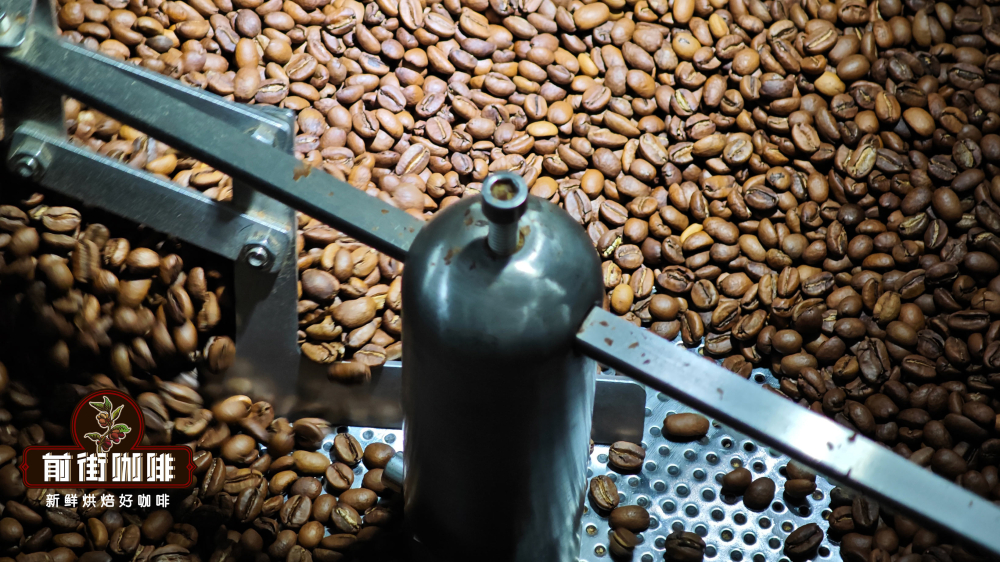
The resting time of blended beans is closely related to the roast level. Generally, medium to dark roasts require about 7 to 10 days to allow CO₂ to fully dissipate and for the flavors to become smoother; light to medium roasts may need 10 to 14 days or longer to fully express delicate fruity notes and acidity. For storage, it's recommended to use sealed containers and keep them in a cool, dry place, away from sunlight and moisture. After opening, try to consume the beans within 2 to 3 weeks to enjoy their optimal flavors.
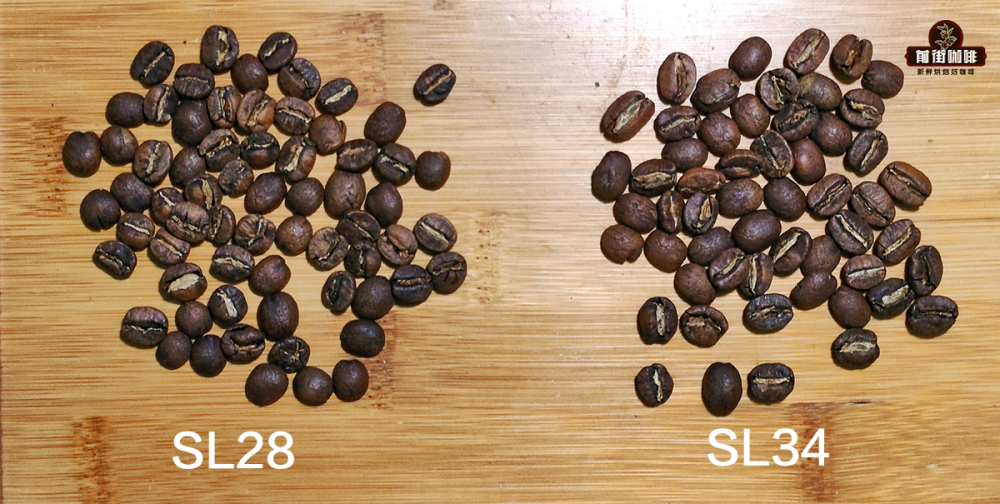
In summary, blended coffee is not only the foundation of commercial coffee but also a stage for baristas to showcase creativity and skill. From bean selection and roasting to resting, every step influences the final cup. Whether you're brewing at home or curious about the secrets behind your café’s espresso beans, understanding blending principles and resting essentials can help you better appreciate the unique charm of every cup.


The above content is compiled by CoffeeHunters, a coffee news website.

