







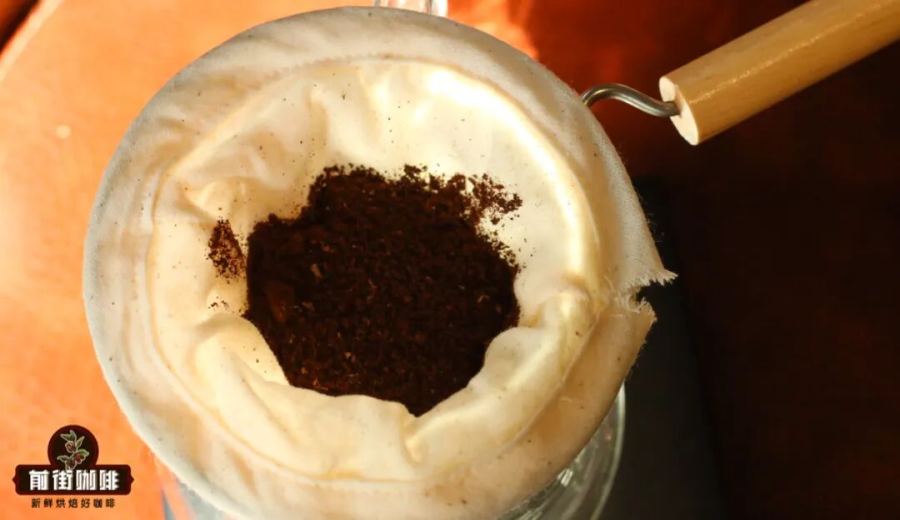
Introduction:Have you ever wondered why Japanese pour over coffee often uses flannel filters? What’s the fundamental difference between this traditional brewing tool and paper filters? This article delves into the unique advantages of flannel filters—from their material properties to flavor performance—and explains in detail how they create a richer mouthfeel. It also provides professional-level pour over parameters and step-by-step guidance, comparing actual differences with paper filter brewing to help you understand how different tools shape coffee flavor, while revealing key points in daily maintenance.
When it comes to flannel filters, many coffee enthusiasts may have only seen them in Japanese TV shows or barista-shared pour over videos, with few opportunities for direct experience. Most common brewing setups use paper filters and filter cones, whereas flannel filters appear more often in content related to Japanese coffee culture—sparking curiosity: why do the Japanese have such an affinity for this type of filter? And what exactly are the differences between coffee brewed with flannel versus paper?
The core advantage of flannel filters lies in their ability to present richer aromas. This is directly related to their filtration characteristics: unlike the dense interception of paper filters, the larger gaps between flannel fibers allow coffee lipids and some insoluble substances to pass through—components that are key to creating complex aromatic layers, while also enhancing the body and richness of the coffee upon drinking.
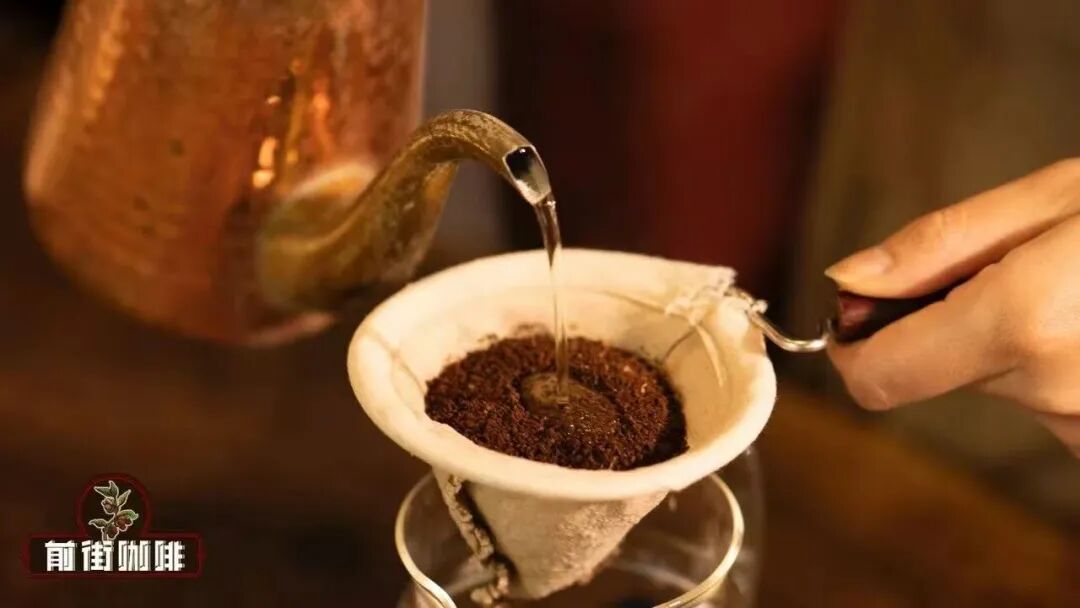
Flannel (Flannel) is originally a soft, velvety fabric originating from Wales, UK. Since its inception, due to its wide applicability, it has been used in many fields. Its history as a coffee filtration tool dates back to the 17th century—back when paper filters didn’t yet exist, various European countries commonly used flannel filters to strain brewed coffee. However, at that time, it only served a simple filtering function. It wasn’t until pour over coffee was introduced to Japan that it truly became widely popularized as a dedicated pour over filtration/brewing tool.

Compared to paper filters, the larger fiber gaps in flannel allow it to retain coffee lipids and insoluble substances. These materials not only contribute unique oil-soluble aromas but also improve the texture of the coffee, making it feel fuller and smoother—this is the core reason why flannel filters are so favored.
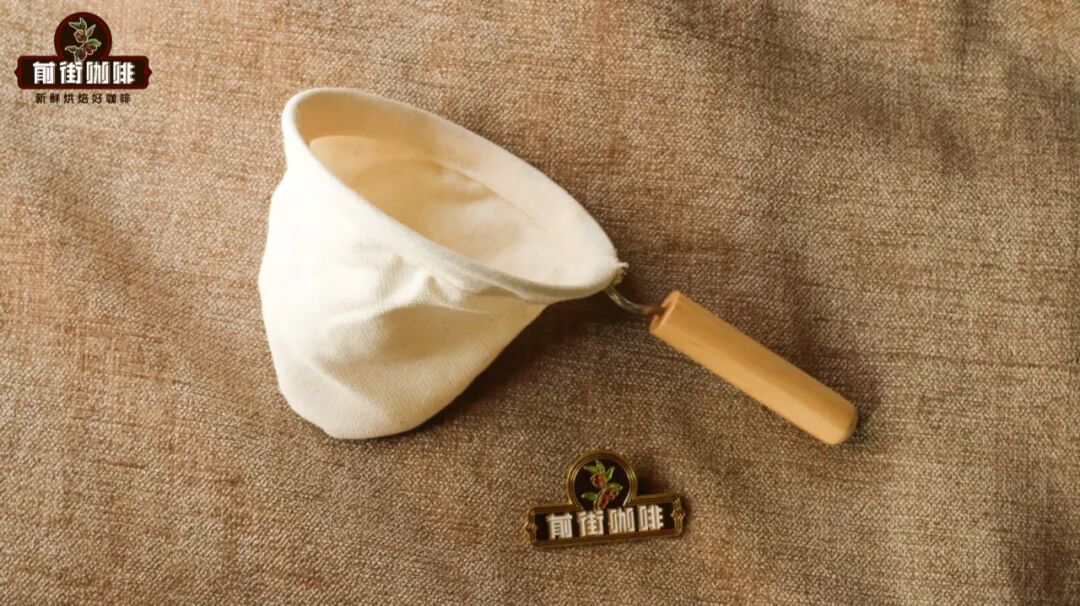
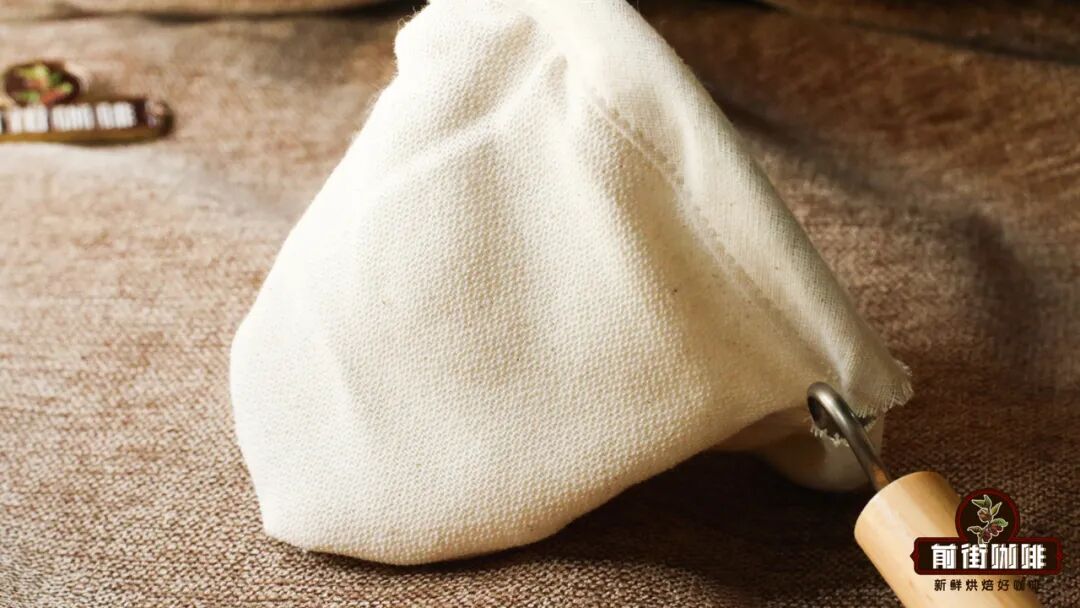
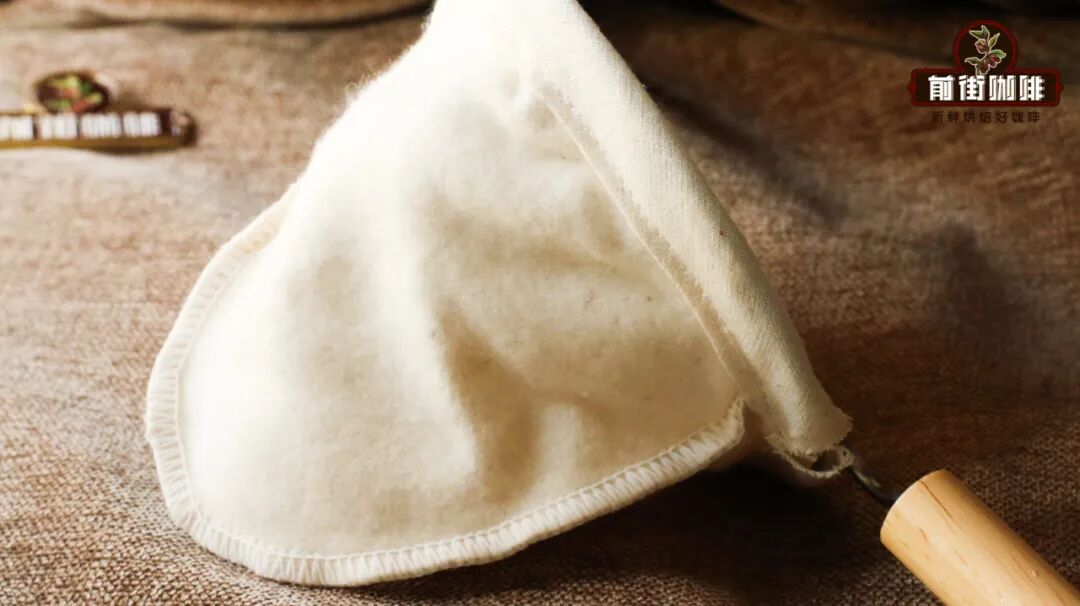
Flannel filters come in two textures: cotton-side and flannel-side. The cotton side has a rough tactile feel created by its woven texture, while the flannel side offers a smooth sensation thanks to its fine velvet fibers (Cotton Side). Both can be used as inner pouches to hold coffee grounds, but most users (including professional baristas) prefer to have the cotton side facing inward—because if the flannel side gets coated with coffee grounds, cleaning becomes significantly more difficult. Therefore, the common practice is to wrap the flannel side on the outside and the cotton side on the inside (Flannel Side), balancing usability and hygiene maintenance.
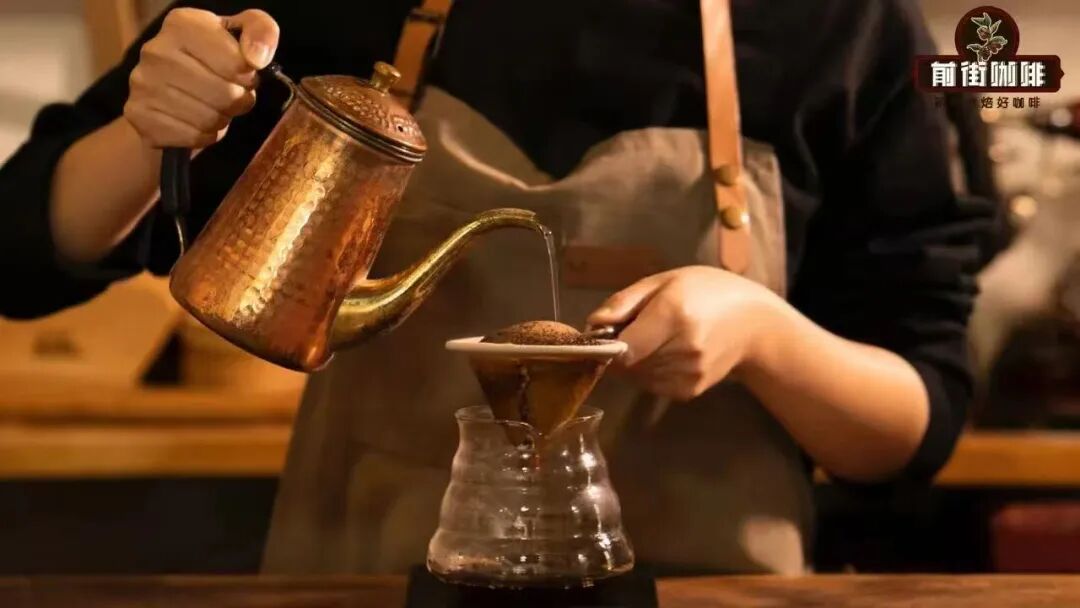
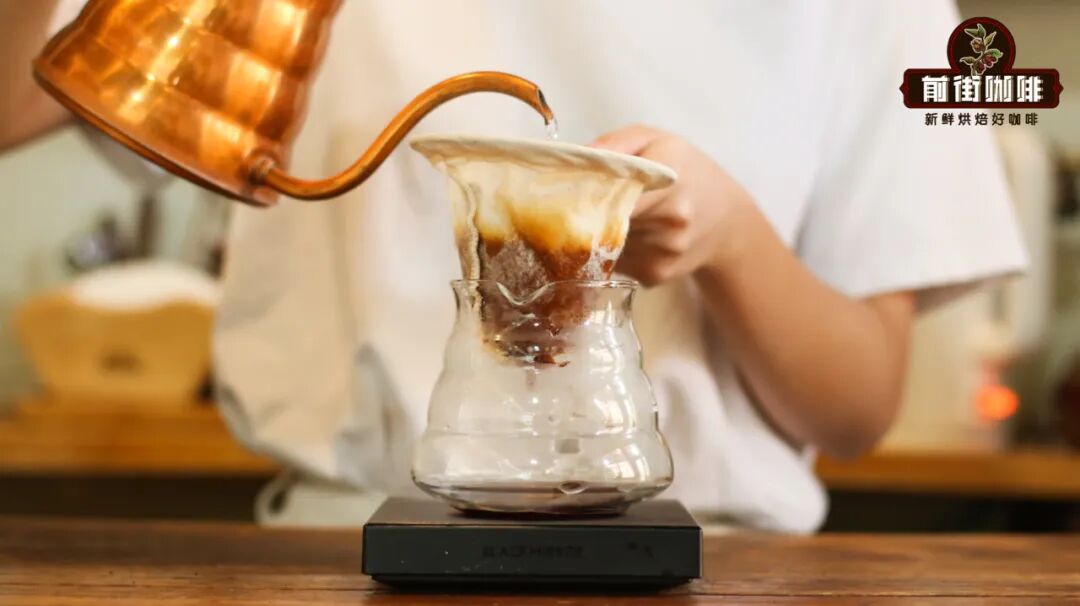
Since flannel filters are usually fixed onto a metal handle, the brewing method is flexible: you can either hold it manually for brewing or hang it over a server like a filter cone for drip filtration. The latter, which feels more ceremonial and allows for more stable operation, is the preferred choice for most users.
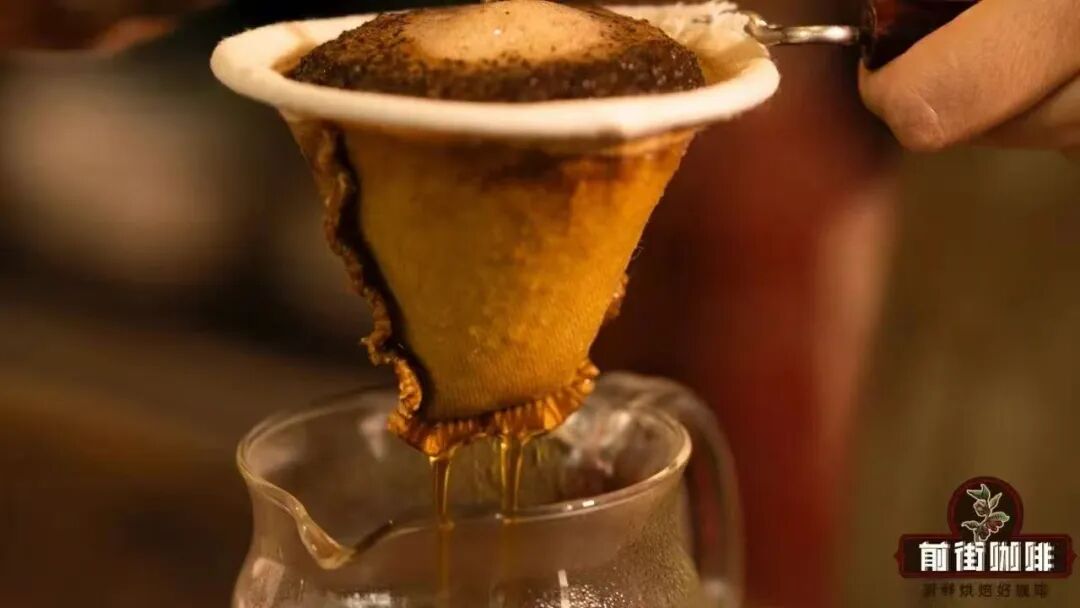
Next, we’ll share a professional-grade flannel brewing method: its basic parameters don’t differ much from those of filter cone brewing, but if you opt for handheld brewing, you’ll need to adjust the coffee-to-water ratio to a coffee-to-liquid ratio (since the filter isn’t in direct contact with the server, the scale can only measure the weight of the extracted coffee liquid). For this demonstration, we’ve selected a dark roasted Indonesian Sumatra PWN Golden Mandheling bean, whose bold character aligns well with the strengths of flannel. The specific parameters are as follows: coffee dosage20g, coffee-to-liquid ratio1:13(equating to a 1:15 coffee-to-water ratio), water temperature88°C, grind size set to Ek43 grinder10.5 setting(approximately 20-mesh sieve70%~75%pass-through rate, slightly finer than standard pour over), using a three-stage pouring method.
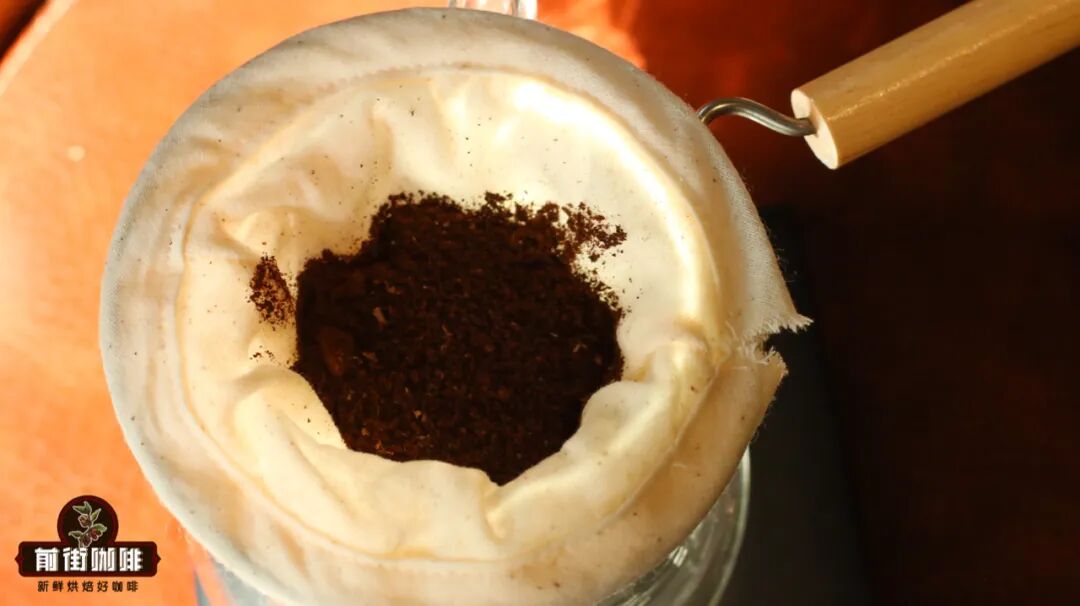
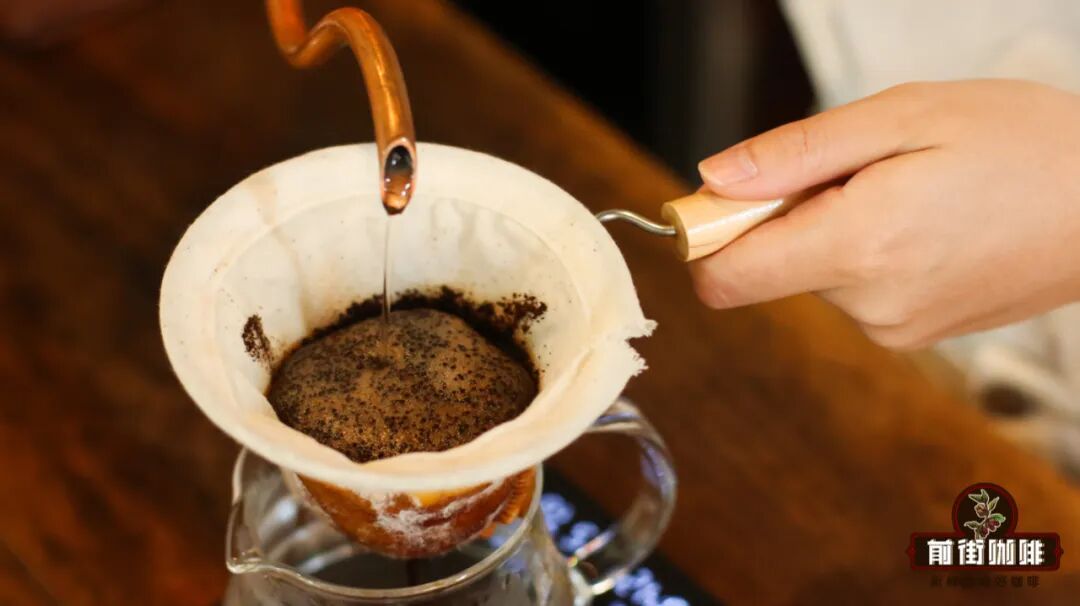
It’s important to note that because we’re measuring by coffee-to-liquid ratio (and cannot directly observe total water volume), the blooming phase no longer involves pouring double the coffee dosage in water, but rather aims to fully saturate the coffee grounds. The correct approach is: start by focusing hot water at the center of the coffee bed and continue pouring, then slowly spiral outward until the surface of all coffee grounds is evenly moistened (this step helps avoid channeling that could lead to uneven blooming), keeping the time at around30 seconds.
After 30 seconds, move on to the main extraction phase: pour with a moderate stream, slowly spiraling from the center outward to the outer edge, then inward again, alternating inward and outward spirals to continue pouring until the water level nears the surface of the coffee bed—then pause. Once the moisture inside the flannel has sufficiently drained, proceed to the next pour.
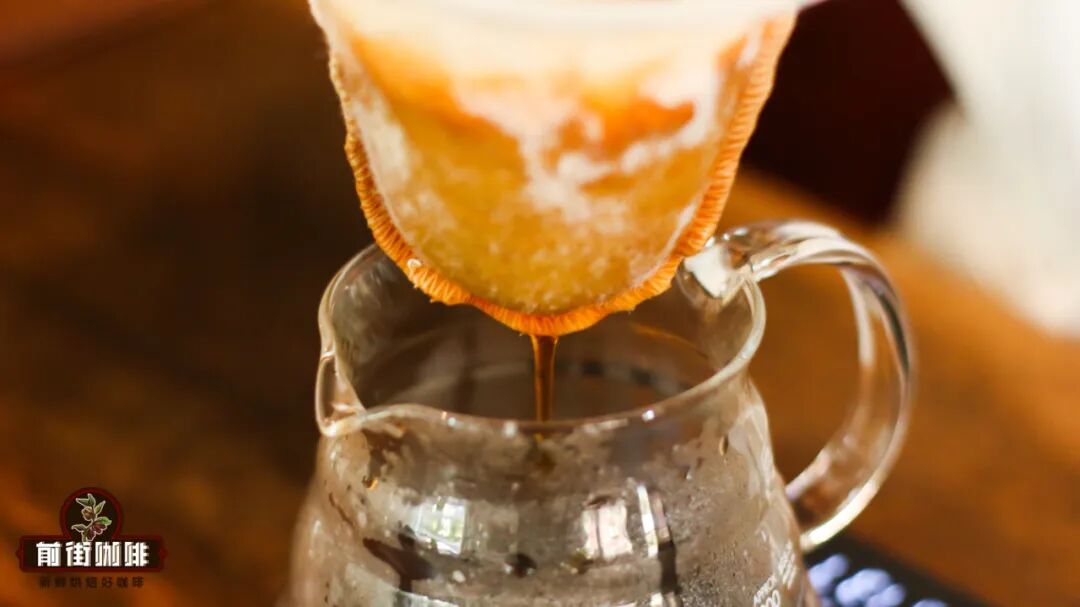
The third pour should focus mainly on the central area of the coffee bed, reducing the spiral range to about the size of acoin, precisely controlling the flow to concentrate extraction in the core zone until the target liquid weight is reached (in this case, for 20g of coffee at a 1:13 ratio, the target liquid weight is260ml), taking a total of2 minutes and 21 secondsbefore removing the flannel to end the brew.
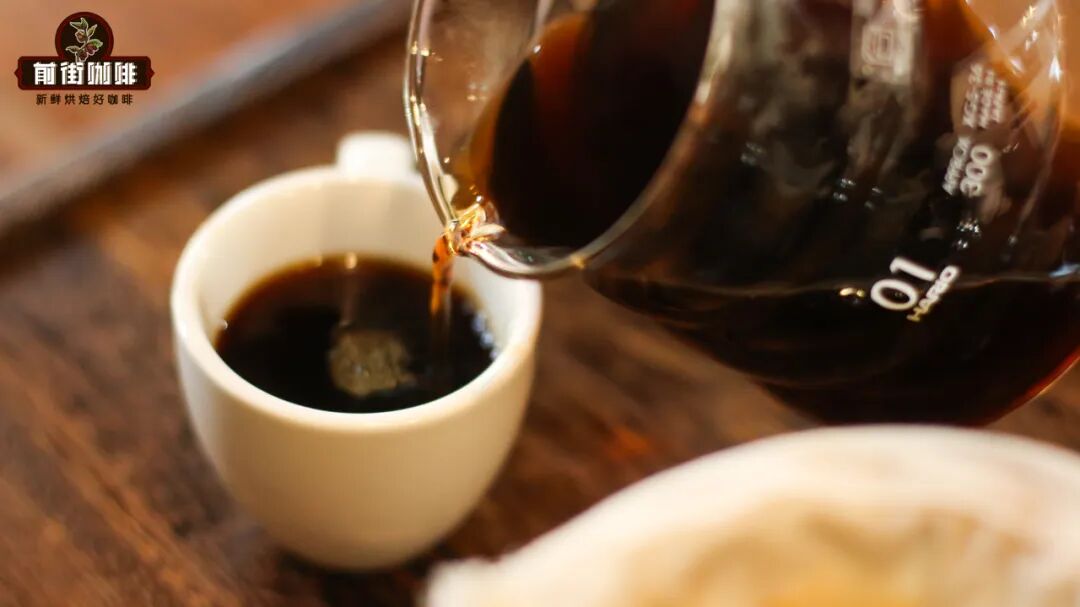
To test flavor differences, we brewed the same Golden Mandheling using the same parameters (paper filter + Kono filter cone) for comparison. The results showed that the flannel version had more pronounced aroma, with a smoother mouthfeel and slightly longer aftertaste (subtle differences require careful tasting). Both versions shared the same core flavor profile (with prominent notes of chocolate, nuts, pine, and spices), but the flannel-brewed cup was slightly less clean than the paper filter version—a result determined by the lipid retention properties.
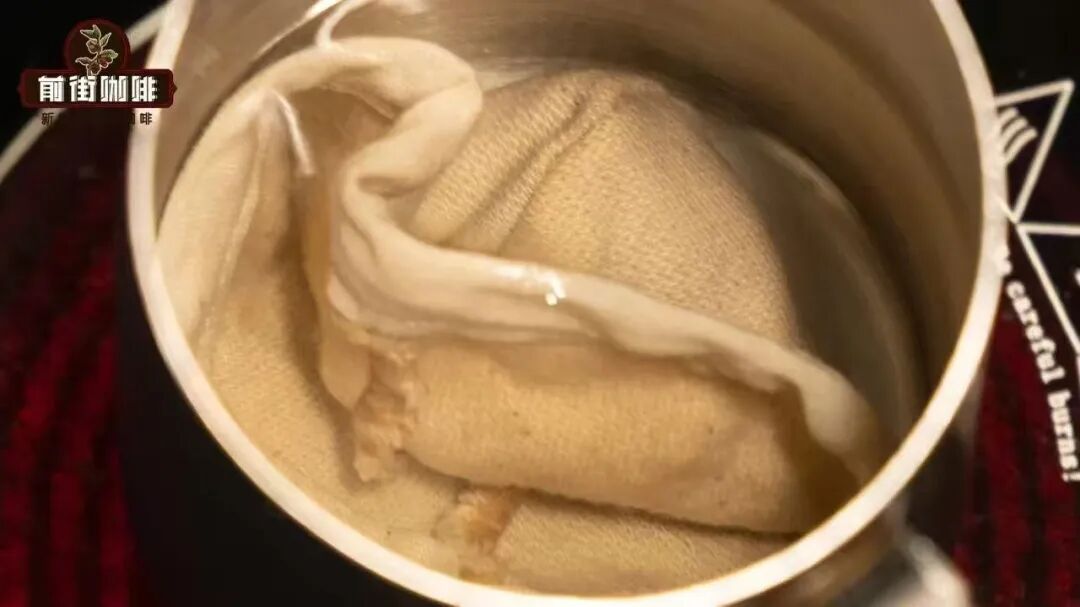
In summary, flannel and paper filter brewing each have distinct characteristics—the former emphasizes rich aroma and full body, while the latter highlights clarity and pure cleanliness, with no absolute superiority. So why are flannel filters less commonly used in coffee shops in China? The key reason lies in maintenance costs: as a non-disposable item, flannel filters require regular sanitization and cleaning to extend their lifespan (compared to disposable paper filters, day-to-day maintenance is indeed more cumbersome).
Whether in Japan or elsewhere, most enthusiasts ultimately opt for the paper filter solution due to its convenience. But the unique flavor qualities of flannel filters are still worth trying—choosing the right tool based on your personal preferences is the best way to find your ideal coffee experience.

The above content is compiled by CoffeeHunters, a coffee news website.


