








Introduction:Dirty coffee is beloved by many coffee enthusiasts for its unique layered visual effect and gradient flavors, but making a Dirty with clear layer separation and rich taste is no easy feat. This article delves into the differences between Dirty coffee and iced latte, and offers practical tips on temperature control, concentration ratios, and pouring techniques to help you brew a visually and flavorfully impressive dirty coffee at home.
In simple terms, Dirty coffee is made by pouring freshly extracted hot espresso directly into a transparent cup pre-filled with cold milk. Due to the difference in temperature and density between the two, a beautiful layered effect naturally forms. Over time, the coffee gradually seeps into the milk, creating the so-called “dirty” visual and flavor layers—hence the name Dirty.

Many people assume that simply pouring espresso into milk will automatically create layers, but in reality, there are quite a few common issues, such as unclear layering, the coffee quickly sinking and turning beige, or even a failed appearance. To make a truly stunning Dirty, it’s crucial to master a few core elements: the contrast between extreme cold and extreme heat, the balance of concentrations between the two, and the delicate control during the process.

First and foremost, temperature control is essential. Since Dirty coffee does not include ice, maintaining a low temperature mainly relies on pre-chilling the ingredients and the container. It’s recommended to refrigerate the glass cup and milk in advance. This slows down the overall warming process after the coffee is poured, ensuring a noticeable contrast and layer variation from the first sip to the last, and avoiding serving a drink that has already reached room temperature.

Concentration balance is another key factor in maintaining long-lasting layers. Ideally, the concentration of milk and espresso should be similar and relatively high. When there is a significant disparity in concentration, the osmosis rate accelerates, causing the coffee to sink quickly, resulting in what is called a “sinking” effect. If the milk is too thin, it can’t support the weight of the coffee liquid, leading to mixing; conversely, if the milk is too thick, the coffee struggles to penetrate, resulting in overly rigid layers. In practice, fresh milk has a concentration of about 10.66%, while espresso is around 9.88%. The two are very close, with the coffee slightly lower, allowing for clear layering right after preparation and gradually transitioning into the “dirty” effect within about two minutes.
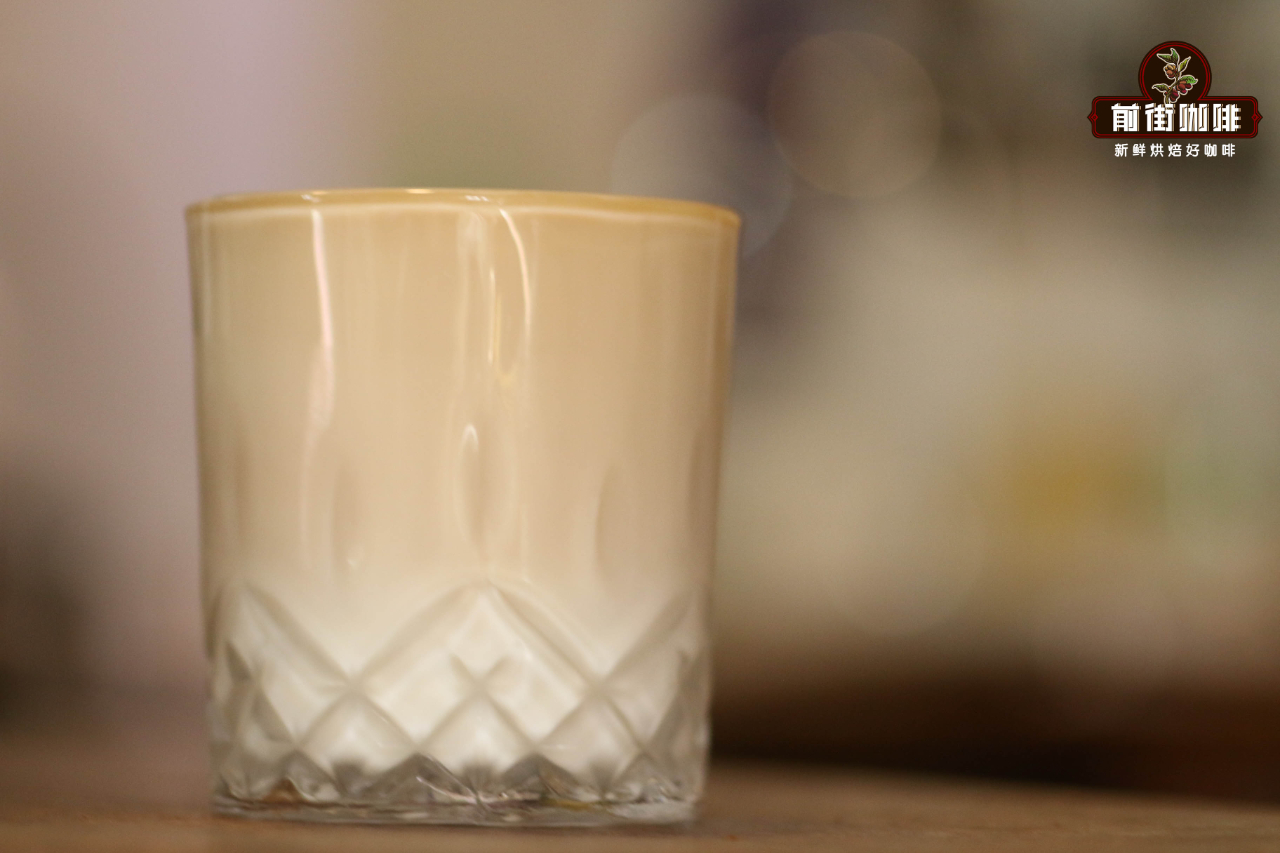
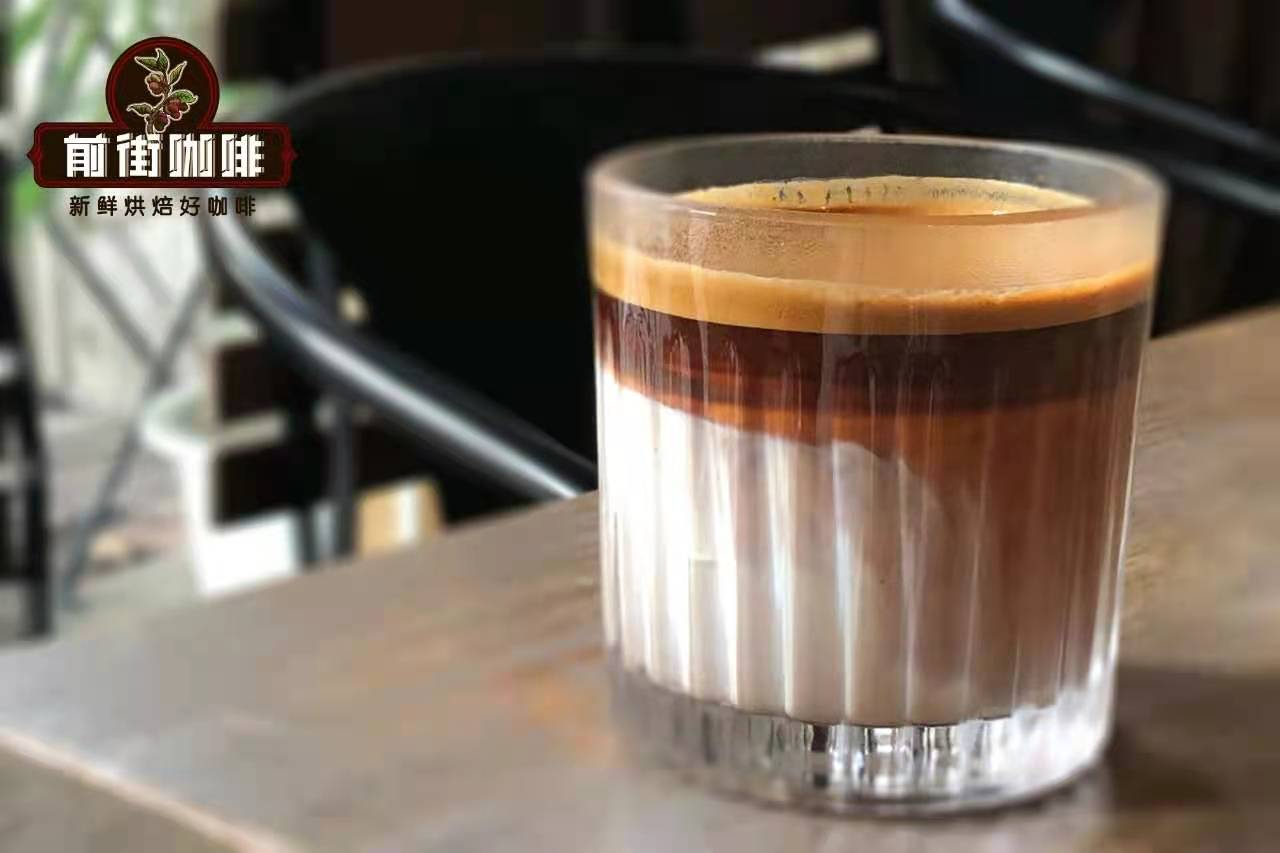
The final key point is reducing impact force. Whether pouring milk into the cup or letting the coffee flow into the milk, it should be done as gently as possible. It’s advisable to choose a cup with a capacity slightly larger than the actual serving size—for example, when making a 220ml Dirty, a 220–240ml cup can be used to give the coffee enough space to descend slowly. Avoid shaking the milk vigorously when pouring to prevent bubbles; when receiving the coffee, try to keep the spout close to the liquid surface to minimize the drop height, allowing the coffee to float gently on the milk. Pouring from too high not only risks breaking the layers due to gravity but may also affect the overall taste and visual appeal.
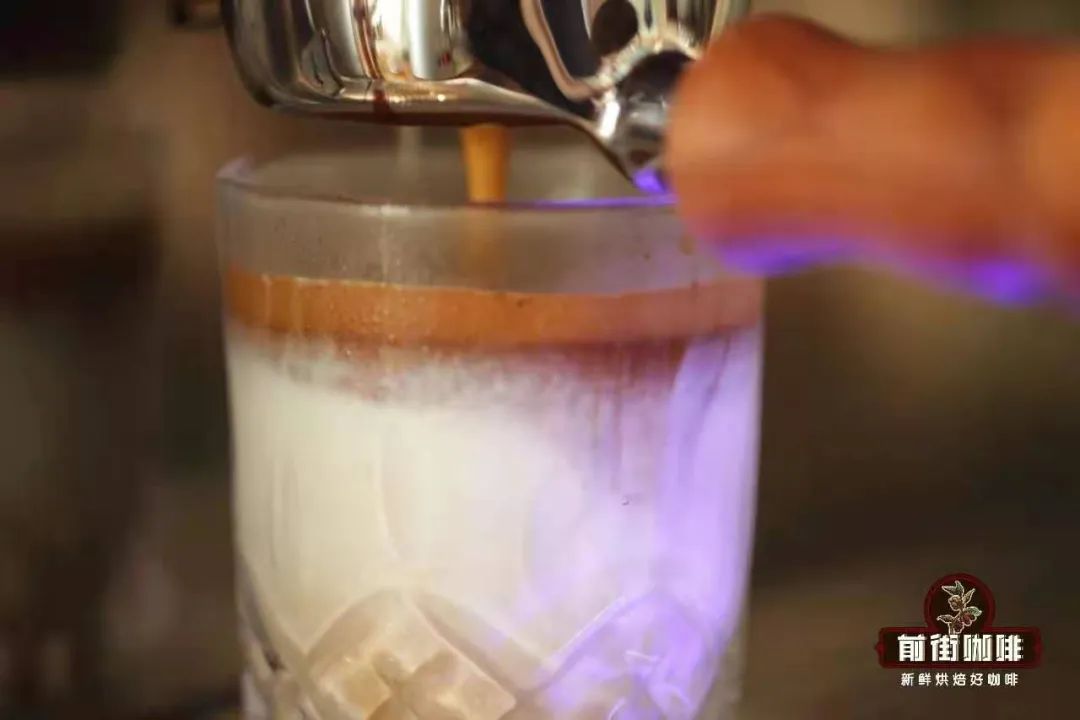
In summary, making a successful Dirty coffee isn’t just about pouring coffee into milk—it involves mastering three key principles: “extreme cold against extreme heat, matching concentrations, and minimizing impact force,” while maintaining care and stability in every step. From refrigeration preparation and concentration adjustment to pouring control, every detail influences the final product’s visual and flavor performance.
The above content is compiled by CoffeeHunters, a coffee news website.


