








Introduction:Dirty coffee, with its distinctive layered visuals and complex flavor profile, has become a must-try beverage for many coffee enthusiasts. However, many mistakenly believe that Dirty must be made with Eisbock milk, or even confuse it with an iced latte. This article delves into the origins of Dirty coffee, its relationship with Eisbock, and the key differences in taste compared to an iced latte—helping you better understand and enjoy this unique specialty coffee.
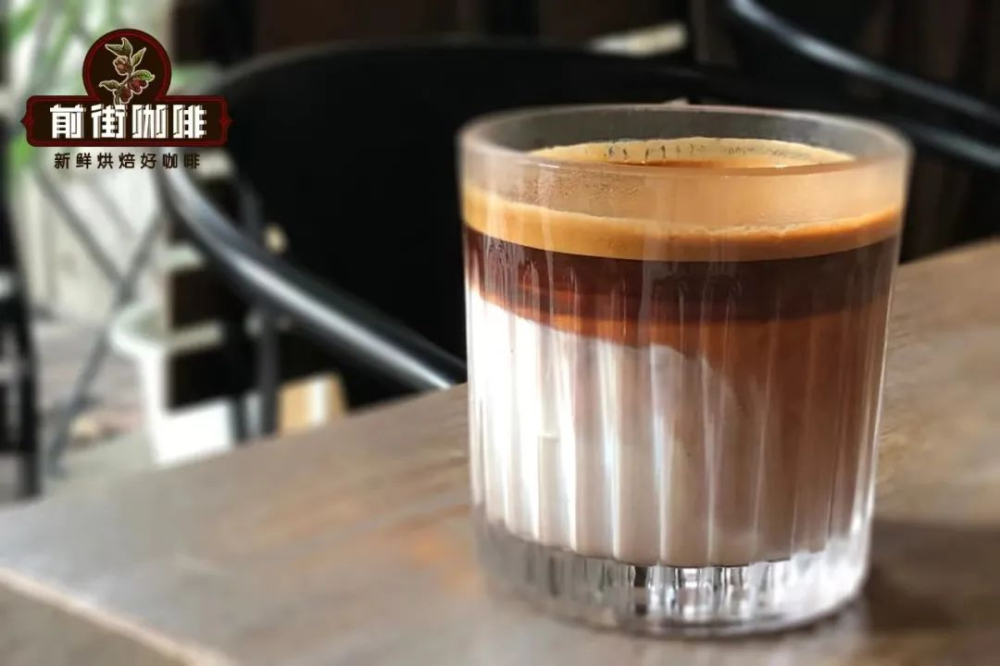
Dirty Coffeewas not originally a formal menu item, but rather a hidden recommendation from certain cafés, essentially aspecial way of serving a lattethat emphasizes visual and flavor contrast. Initially, some customers simplified Dirty as “making it with Eisbock milk and pouring espresso directly over it to create layers.” While partially correct, this can easily lead to the misconception that Eisbock is the only option.
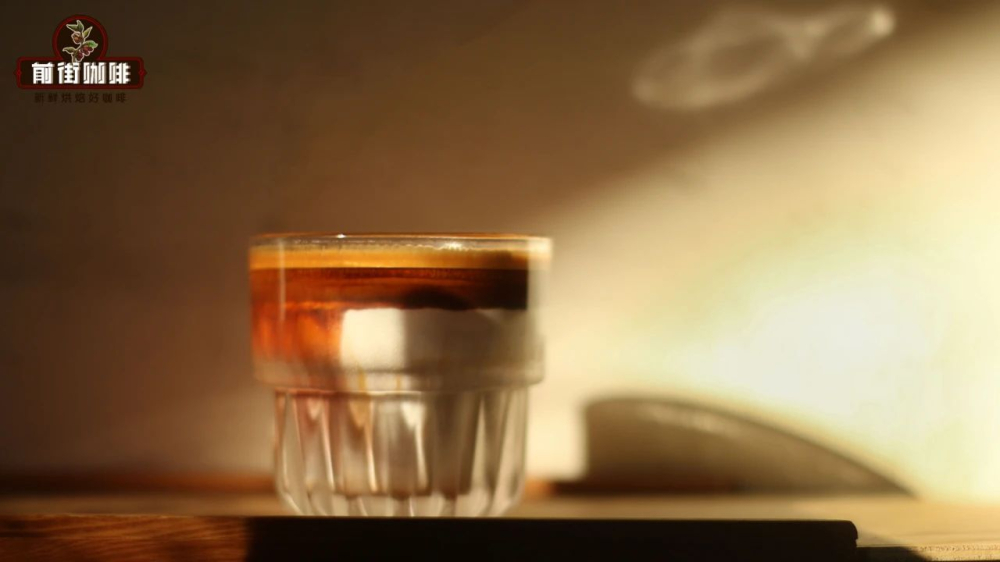
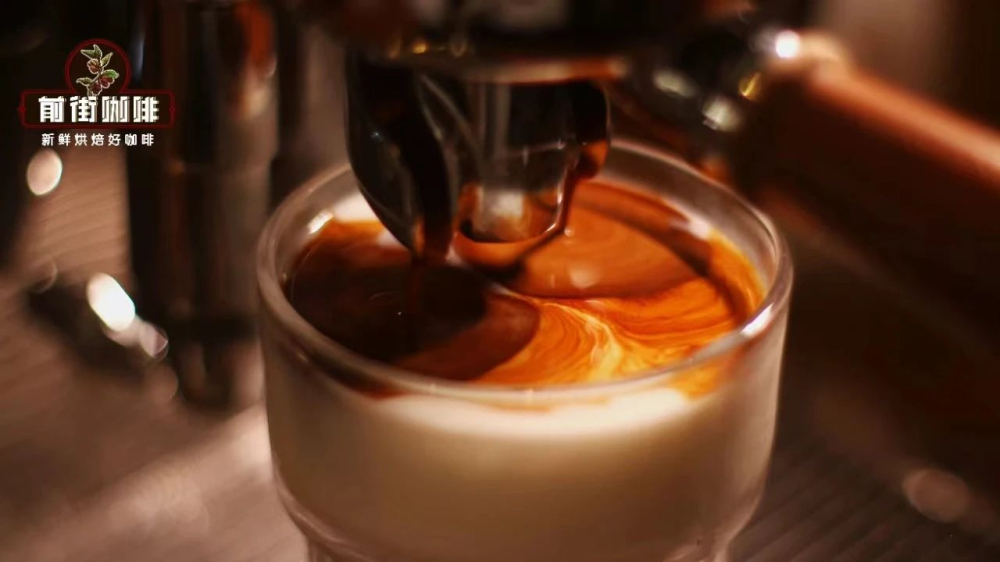
In fact, the name and style of Dirty originated around 2018 during the popularity of the “dirty” food trend, when desserts often used cocoa powder to create a “dirty” aesthetic. In the coffee world, Dirty capitalizes on the visual effect of espresso slowly seeping into white milk, producing a “layered stain” look, which evolved into a unique flavor experience—starting strong and bold, then fading, with alternating hot and cold sensations.
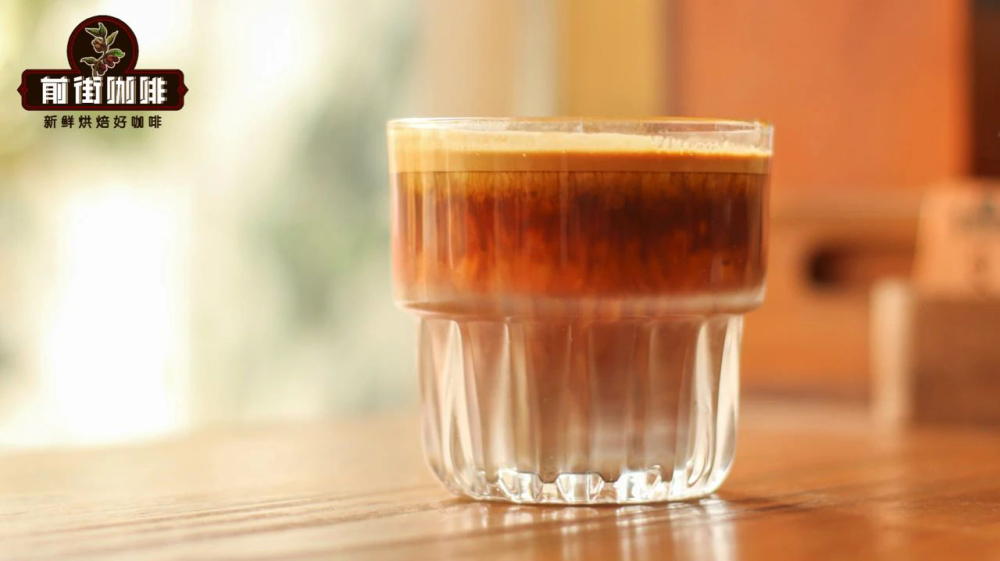
In terms of ingredients, both Dirty coffee and iced latte useespresso and milk,but the main difference is that iced lattes typically include ice cubes and are stirred to mix everything together, whereas Dirtydoes not use ice and emphasizes the layered effect.Some cafés even slightly reduce the amount of milk to better highlight the contrast between coffee and milk, making the flavor layers more distinct.
The origin of Eisbock milkhas a more technical background. The term comes from the German word “Eisbock,” originally referring to a process of increasing beer concentration through freeze distillation. In the 2017 World Barista Championship, a Canadian competitor first applied a similar concept to coffee, and by 2018, Chinese baristas adapted it to milk—increasing the original lactose concentration of 11–12% up to 20–21%, resulting in a richer milk flavor.
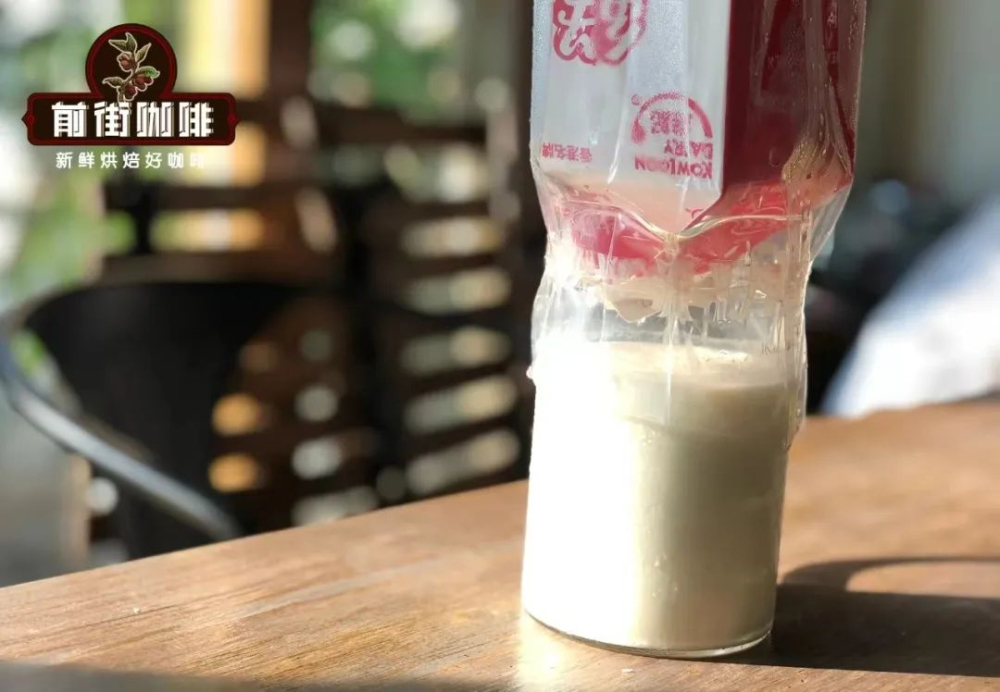
Early methods of making Eisbock milk were relatively manual: fresh milk was frozen, then inverted and slowly thawed. Since ice has the lowest melting point, once half the liquid had melted out, the remaining milk naturally became more concentrated. This manual method, though costly and inefficient, established the foundational characteristics of Eisbock milk—“thicker, sweeter, with a hint of cream cheese flavor”—and laid the groundwork for its later industrial production.
After 2020, with the emergence ofindustrially produced Eisbock milk,its stable supply and reasonable pricing gradually made it more common in cafés. This type of milk, already high in concentration, pairs well with espresso by highlighting the coffee’s intense flavors without being overpowered by the milk’s sweetness—making it especially suitable for Dirty coffee, which is characterized by its layers.

So, does Dirty have to use Eisbock milk? The answer is no.Eisbock is just one of the premium options for enhancing flavor contrast and layering,but it’s not absolutely necessary. Many cafés choose different types of milk based on the characteristics of their coffee beans—for example, beans with a fresh flavor might be paired with whole fresh milk, while some shops even use a blend of “two parts regular milk and one part Eisbock” to balance sweetness and layers.
Compared to an iced latte, Dirty coffee is not stirred, contains no ice, and emphasizes the layered transition from “strong coffee first” to “milk afterward,” along with the rich base provided by Eisbock milk—resulting in a more dynamic and distinct flavor profile. If you enjoy exploring the contrasting tension between coffee and milk, Dirty is undoubtedly an advanced choice worth trying.
The above content is compiled by CoffeeHunters, a coffee news website.


