







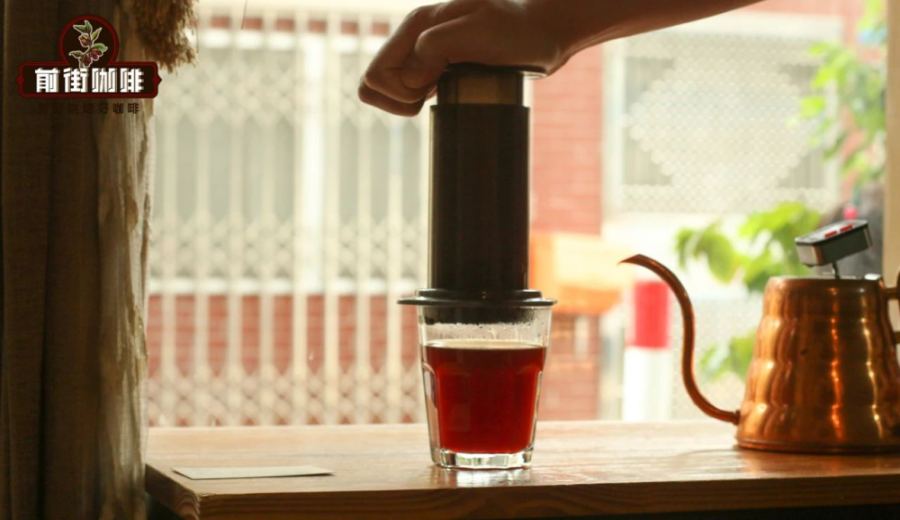
Introduction:As a uniquely designed and easy-to-use coffee brewing device, the AeroPress has won the hearts of coffee enthusiasts worldwide since its debut in 2005, thanks to its versatile brewing methods and outstanding performance. This article delves into the invention background of the AeroPress, how it differs from other brewing tools, analyzes how different brewing techniques affect coffee flavor, and explores the fascinating developments in the World AeroPress Championship. It provides a comprehensive understanding of this highly acclaimed brewing tool.
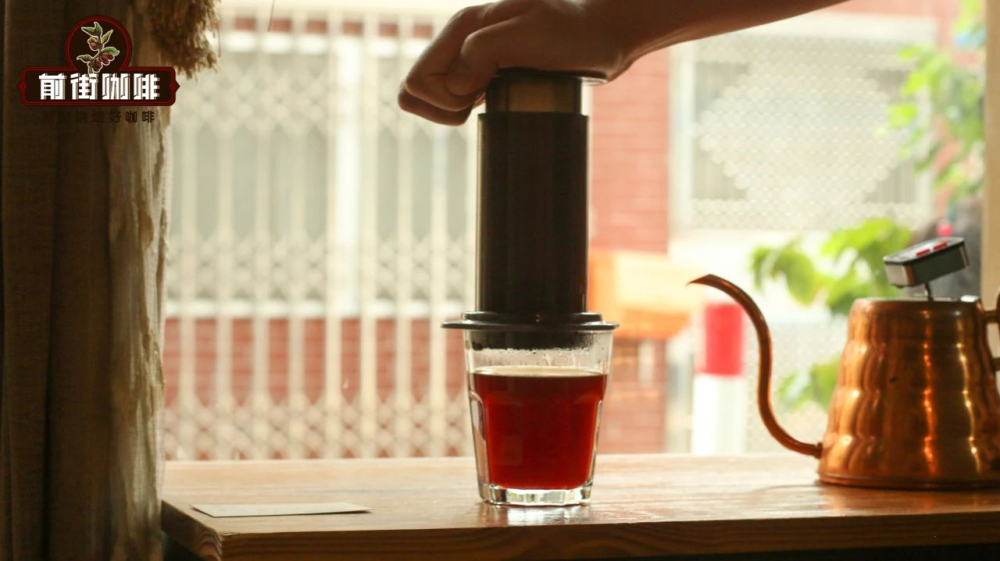
The AeroPress, a coffee brewing device with a distinctive appearance, may look quite different from common pour over kettles or French presses. However, with its simple structure and rich expressive capability, it has not only become a daily choice for many coffee enthusiasts since its launch in 2005, but also gave rise to the dedicated World AeroPress Championship (WAC), even inspiring a documentary made specifically about it. This device, consisting of two main components, can quickly brew rich-tasting coffee, requiring just the simple action of pushing hot water through a filter to complete the process.
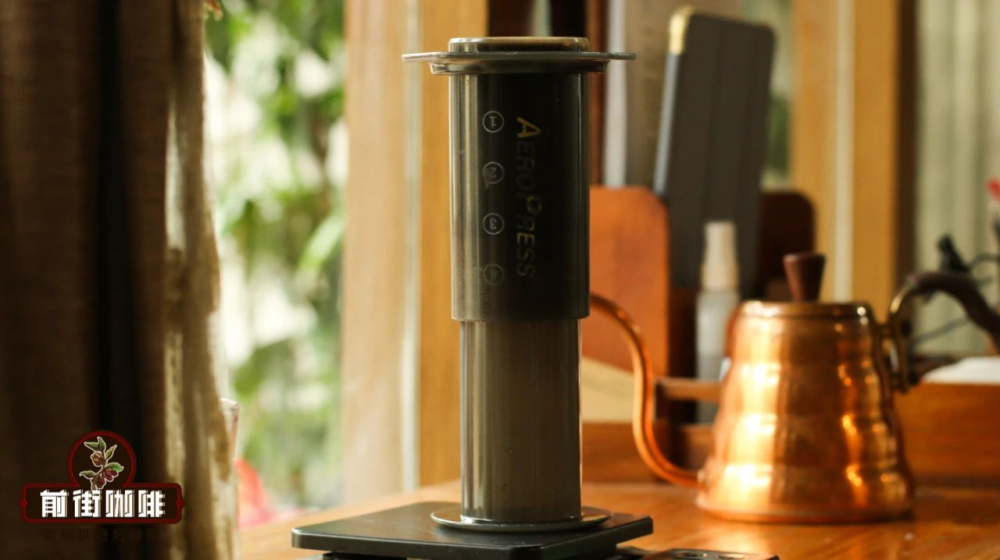
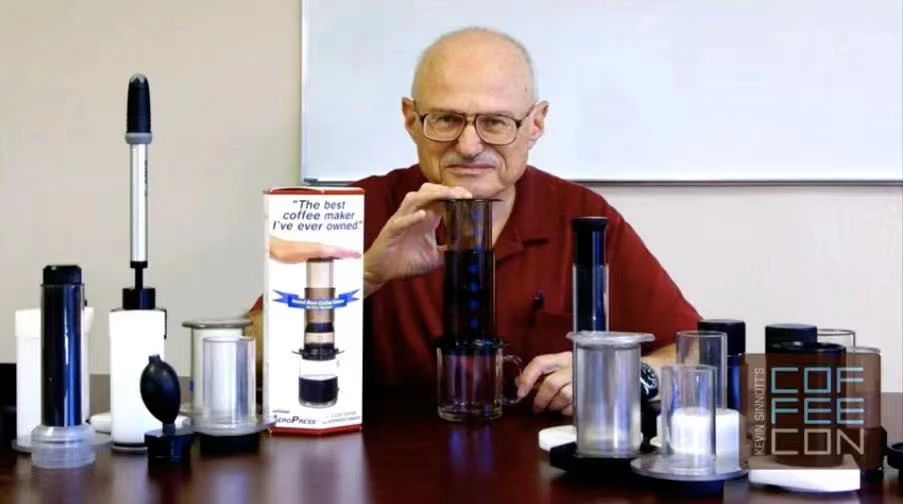
The inspiration for the AeroPress actually came from espresso machines, but it does not rely on electricity or lever-generated pressure—instead, it depends entirely on manual pressing. The inventor, Alan Adler, initially approached the design of this device with an engineer’s mindset, aiming to solve the issue of overly bitter coffee. He found that by shortening the brewing time and using pressure generated in a sealed space, coffee flavor could be effectively improved, giving birth to the unique brewing logic of the AeroPress. It is worth mentioning that although there are now many different brewing recipes, some even extending the brewing time, the original design philosophy of the AeroPress remains deeply embedded in how it is used.

When it was first introduced, the AeroPress faced skepticism within the specialty coffee community and was dismissed as just a toy rather than a professional tool. However, as users responded with actual brewing results, its capabilities gradually gained recognition. Compared to other brewing tools, the AeroPress not only brews quickly—often in just about a minute—but also boasts advantages such as easy cleaning, portability, affordability, and versatility. These features make it suitable not only for beginners, but also allow advanced users to continuously experiment with various brewing variations, giving rise to a rich diversity of brewing styles and techniques.
One of the charms of the AeroPress lies in its high level of playability and experimentation. Every variable—from brewing time, pressing speed, coffee dosage, coffee-to-water ratio, water temperature, to whether it's used right side up or inverted—can significantly influence the final coffee flavor. This flexibility not only allows users to adjust according to personal taste preferences, but also serves as a stage for competitors in the AeroPress Championship to showcase their creativity, constantly innovating and exploring new possibilities.
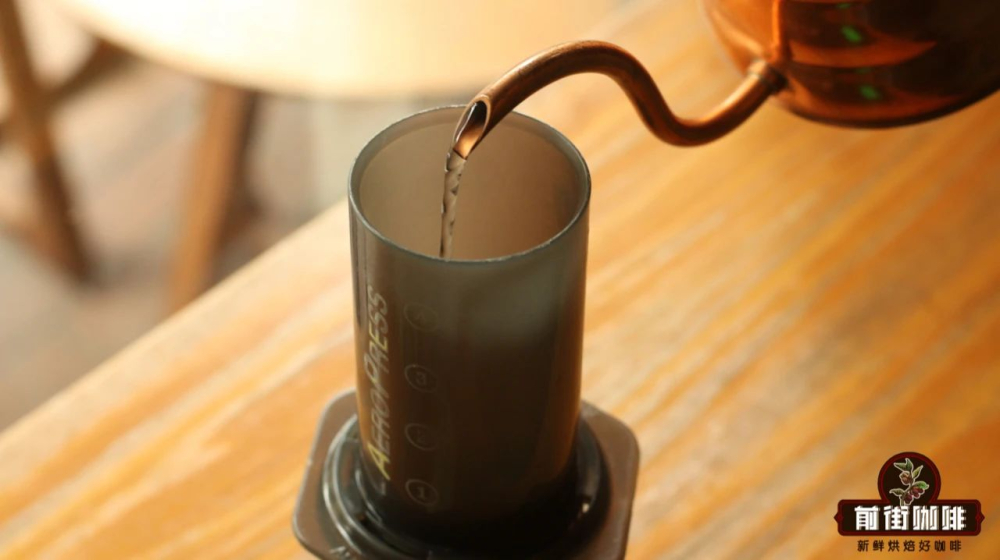
When it comes to international AeroPress competitions, one cannot overlook the World AeroPress Championship (WAC), which has been held in Oslo, Norway since 2008. Initially a small-scale event with only three participants, it was co-founded by Tim Varney and renowned barista Tim Wendelboe (currently co-hosted with Tim Williams). Over time, however, the WAC has gradually garnered attention from the global specialty coffee community. By 2018, there were 3,157 participants from 61 countries onsite, with over 68,000 online viewers. The competition encourages participants to unleash their creativity without being confined to a single standard, and this open spirit has made each year’s event full of surprises, inspiring countless refreshing and innovative brewing techniques.

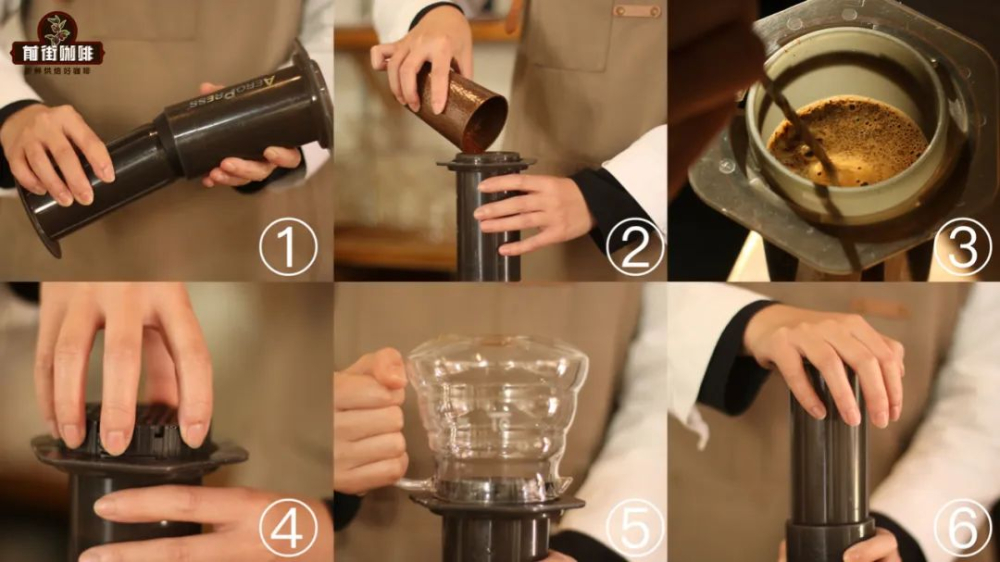
When using the AeroPress in practice, multiple parameters can be adjusted according to personal preference. For example, if using the “inverted method,” it is recommended to use about 18 grams of coffee, ground slightly finer than regular pour over (such as EK43s setting 7, around 90% through a #20 mesh sieve), with a coffee-to-water ratio of 1:11 (approximately 200 ml), and water temperature controlled at 90°C. In terms of operation steps, you can start by wetting the filter paper and attaching it to the filter cap, then assemble the brewing device upside down, add the coffee grounds and hot water, and stir for about 10 seconds. Next, attach the filter cap and receiving vessel, and finally, around one minute later, invert and slowly press down. The entire process takes about 1 minute and 20 seconds, yielding a coffee with balanced acidity and sweetness, and a juicy mouthfeel—especially suitable for those who prefer a bright-tasting cup.


The above content is compiled by CoffeeHunters, a coffee news website.


