







Introduction:Siphon coffee is renowned for its unique visual effects and rich flavors, yet it often intimidates beginners. This article delves into the science behind the siphon brewer, provides detailed step-by-step parameters, and recommends bean varieties suited to different flavor profiles. From beginner techniques to advanced adjustments, learn how to brew layered and flavorful siphon coffee in one go.
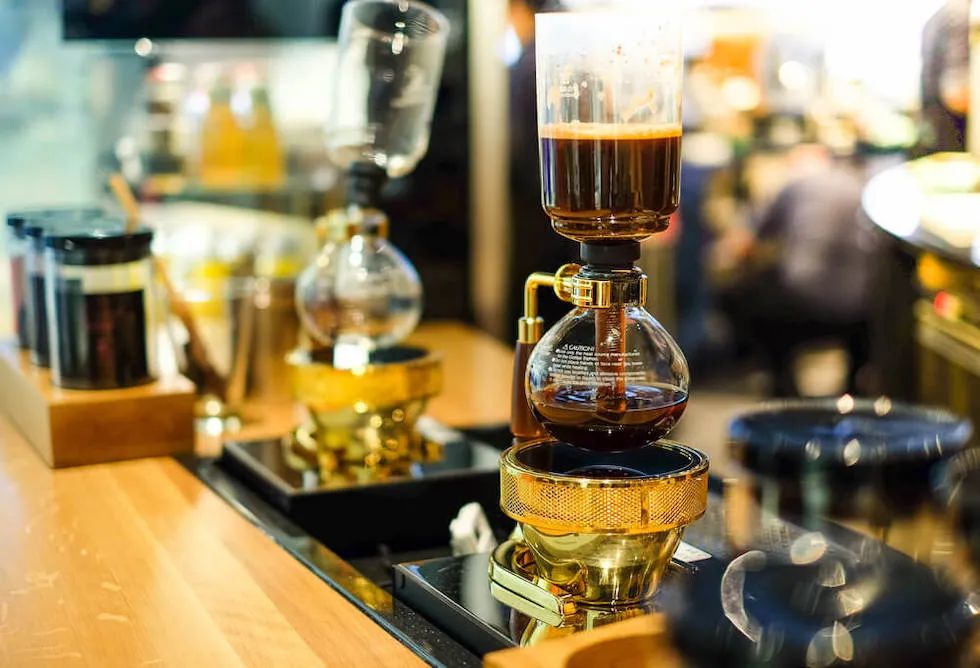
With its lab-like appearance, siphon coffee often appears in nostalgic films and TV shows, creating a mysterious and professional image. But for coffee enthusiasts, the focus is more on how it extracts intense flavors through its unique mechanism. Understanding its working principles and operational details allows you to craft your own delicious cup with this classic device.
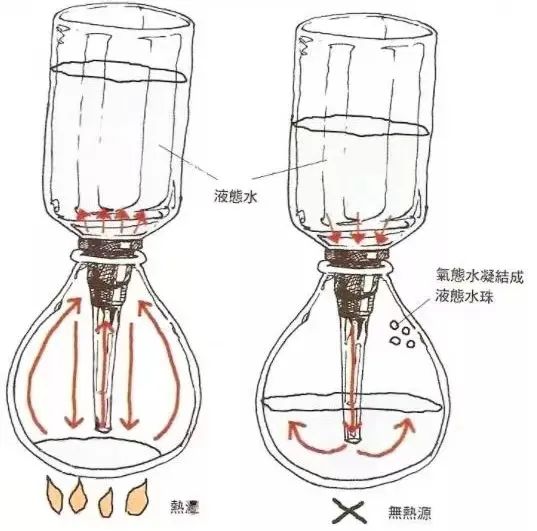
The siphon brewer mainly consists of an upper chamber, a lower chamber, and a stand. The lower chamber typically has a spherical design for even heat distribution, while the upper chamber is cylindrical with a narrowed bottom connected to a slender tube, sealed to the lower chamber via a rubber gasket. When heated, the steam pressure generated in the lower chamber pushes water up into the upper chamber to mix with the coffee grounds. After removing the heat source, the pressure difference causes the coffee liquid to siphon back down, completing the extraction.This illustrates how these key components are assembled.
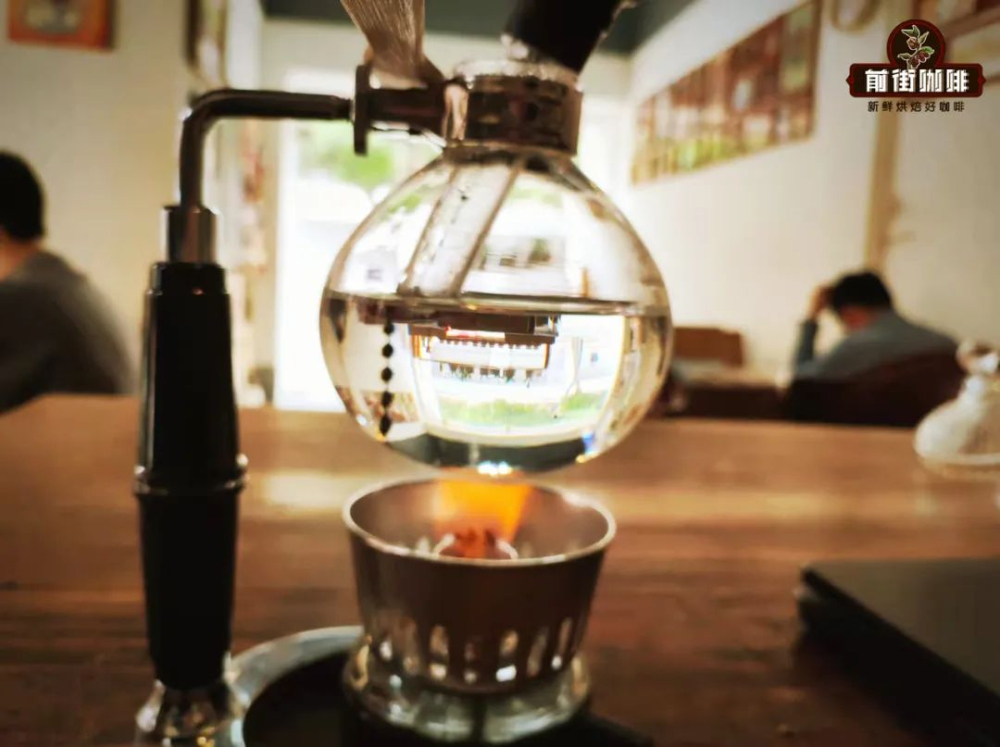
Common heat sources include alcohol burners, gas stoves, and halogen lamps, with alcohol burners being popular for their stable temperature control. Filtration methods come in two types: flannel and paper filters. Flannel filters retain coffee oils, resulting in richer flavors but requiring more complex cleaning, whereas paper filters provide a cleaner cup, ideal for those who prefer a lighter taste. Additionally, siphon brewer sets usually include a stirring spoon and a damp cloth, the latter not only helping to prevent bumping but also allowing you to judge water temperature by observing the bubbles.
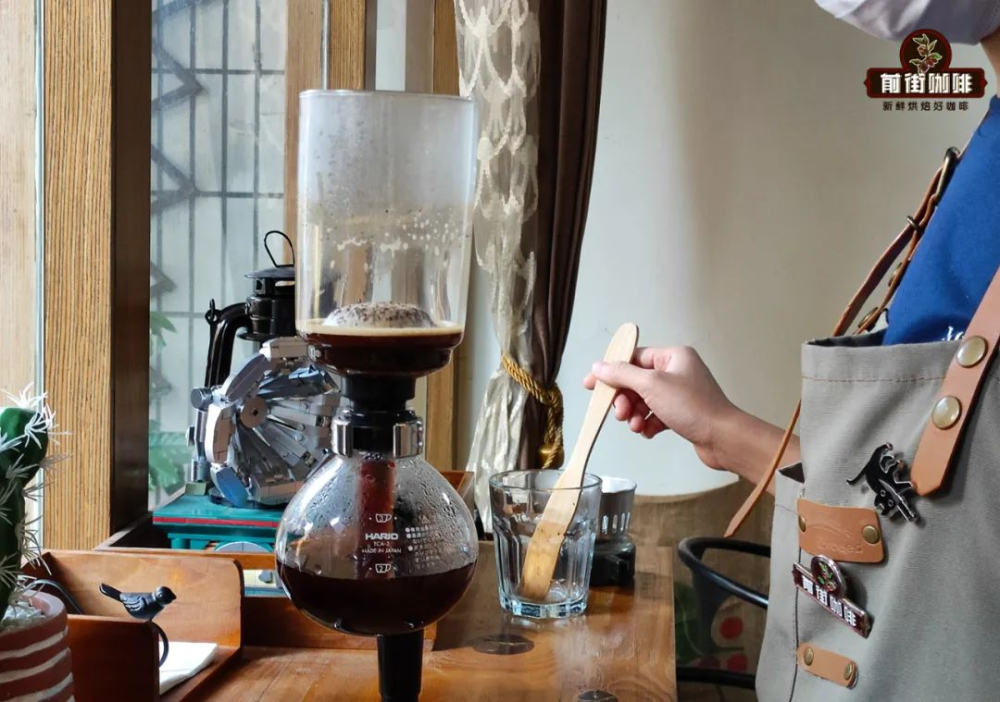
The extraction principle of the siphon brewer relies on pressure differences. Heating the lower chamber causes the water to boil and generate steam pressure, pushing the water up into the upper chamber to contact the coffee grounds. After extraction, removing the heat source reduces the pressure and causes the coffee liquid to siphon back. Techniques to speed up the return flow include cooling the lower chamber with a damp cloth to further reduce the pressure difference. This process generally needs to be controlled around one minute and ten seconds to achieve the desired flavor balance.
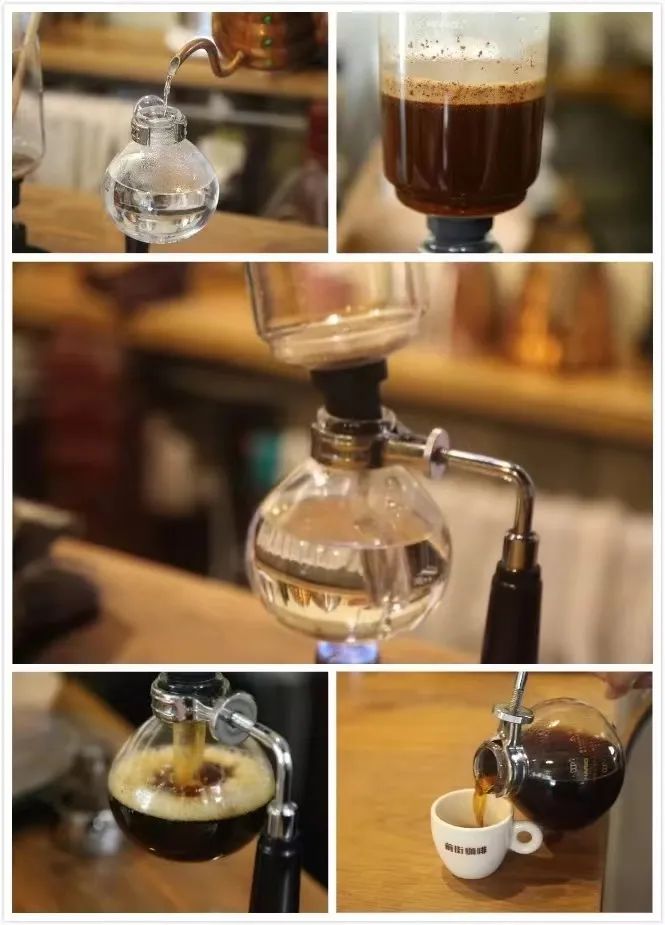
To make delicious siphon coffee, pay attention to the following key parameters: water temperature at approximately 88°C, grind size with 90% passing through a #20 sieve (close to medium-fine grind), and a recommended coffee-to-water ratio of 1:10 (for example, 18 grams of coffee grounds to 180 milliliters of water). During operation, first pour warm water into the lower chamber and heat it. Once small continuous bubbles appear, insert the upper chamber. After adding the coffee grounds, stir clockwise from the outside in for 10 seconds to ensure even extraction. Stir again for 5 seconds after 40 seconds, then remove the heat and use a damp cloth to accelerate the return flow, keeping the total time within 1 minute and 10 seconds.
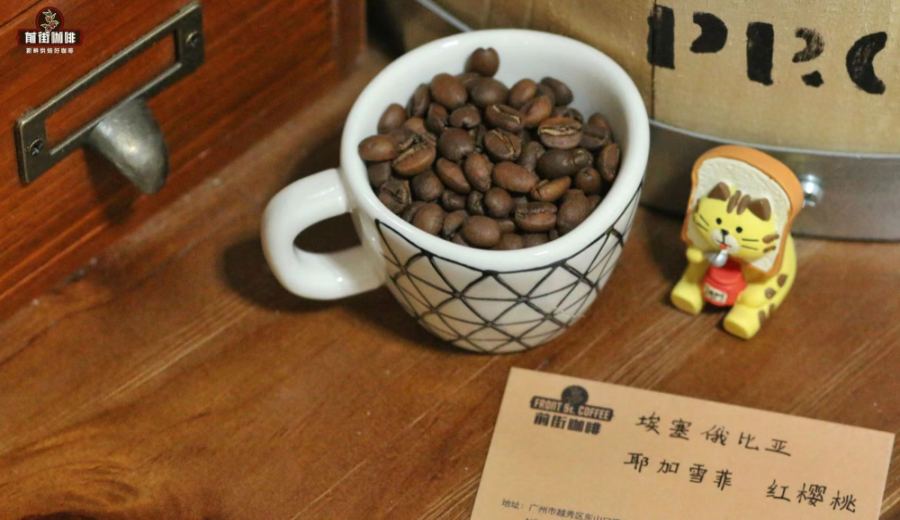
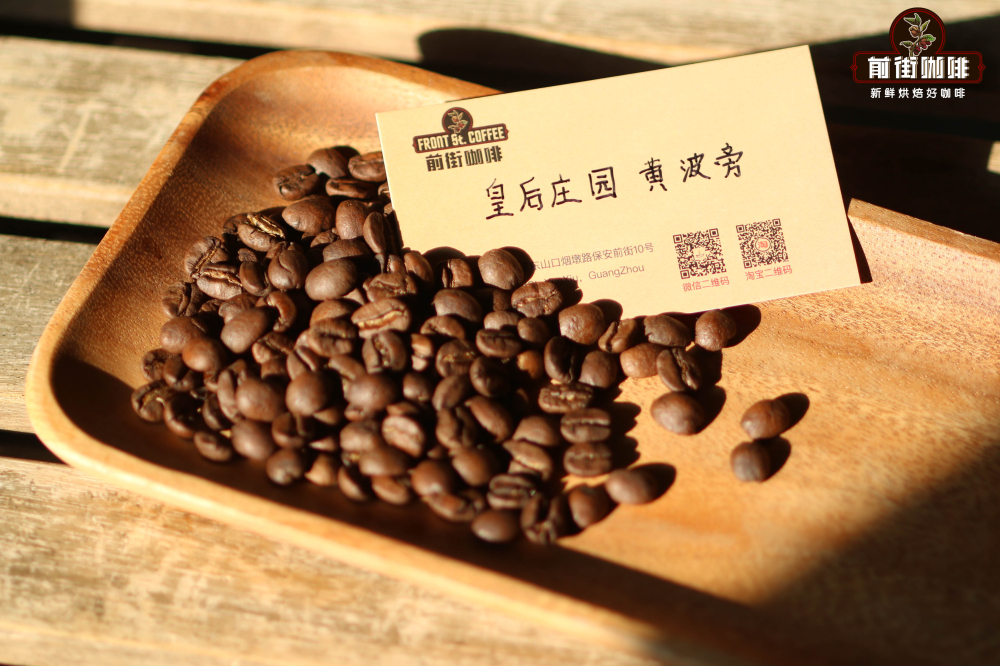
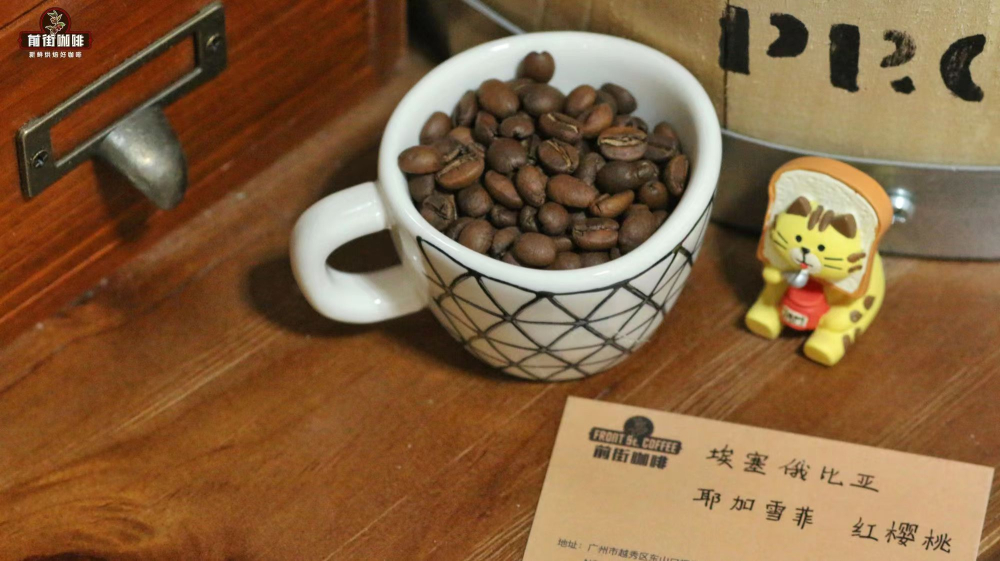
Traditionally, siphon brewers commonly use medium to dark roasted beans to showcase bold and rich flavors, such as classic options like Blue Mountain or Golden Mandheling. However, with the rise of specialty coffee, beans roasted from light to medium can also shine. For example, natural-process Ethiopian Yirgacheffe exhibits bright acidity and berry aromas, Costa Rica Mozart offers sweet tropical fruit notes thanks to its raisin honey process, and Ethiopia Huila TOH washed beans present a refreshing profile of citrus and green tea.To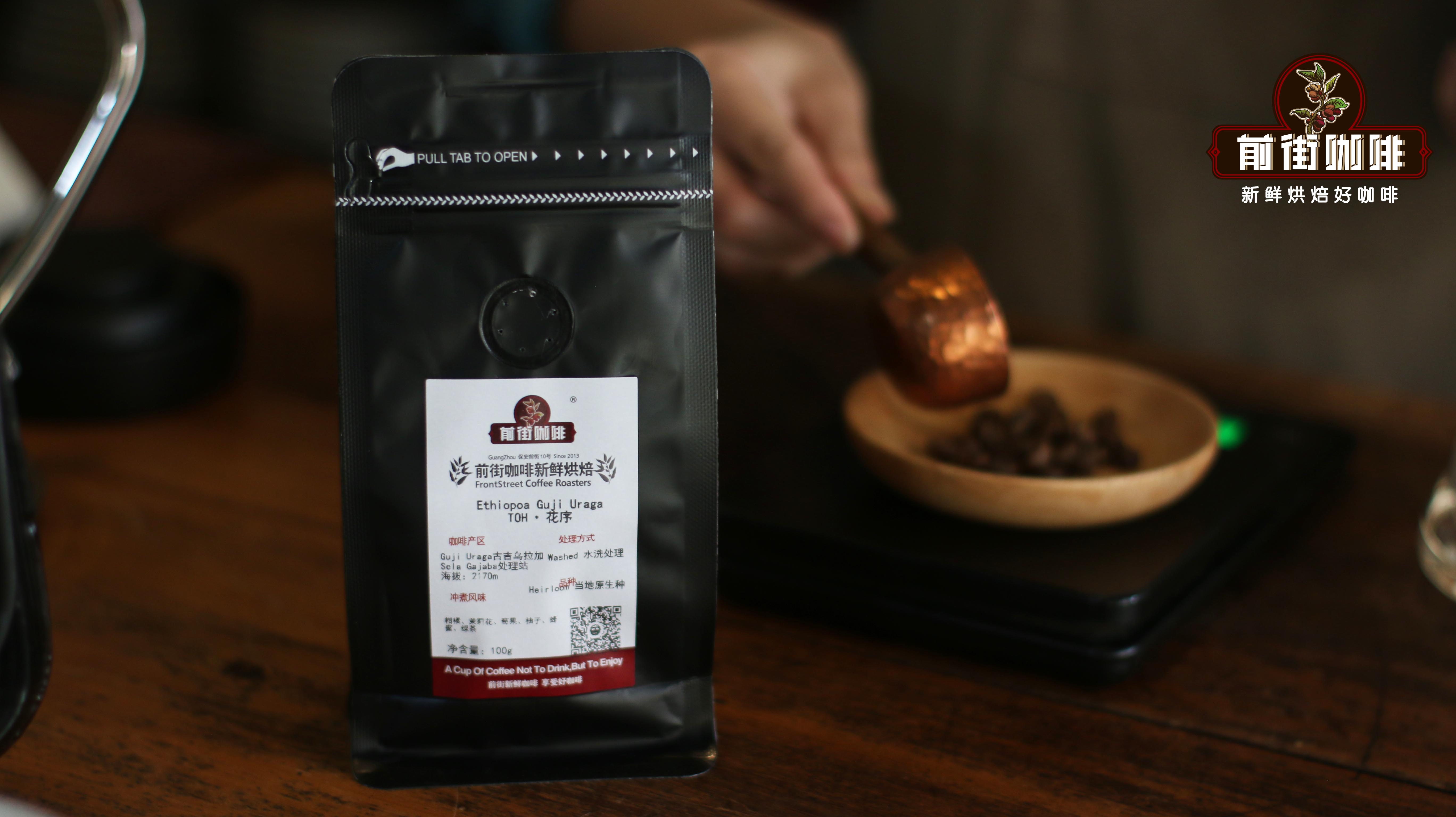 The bean varieties listed are all worth trying for different flavor expressions.
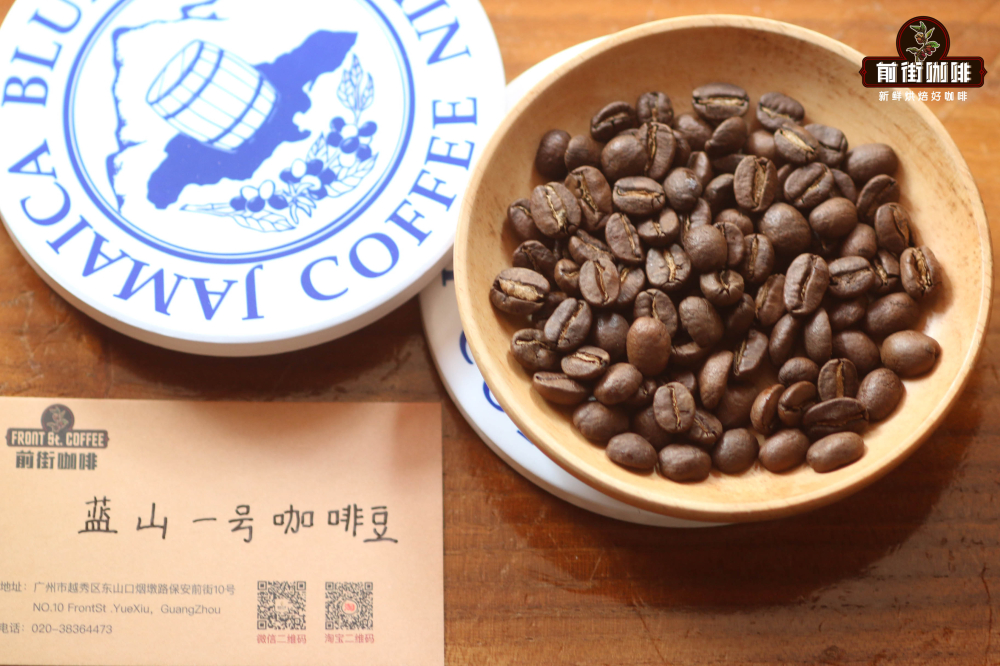
When selecting beans for siphon coffee, you can adjust the roast level and processing method based on personal preference. Those who prefer bold flavors may opt for dark-roasted Sumatra or Central and South American beans, while those seeking fruity notes might try Ethiopian natural or honey-processed beans. Regardless of the bean variety chosen, stable water temperature control and precise time management are key to achieving balanced flavors.

The above content is compiled by CoffeeHunters, a coffee news website.


