








Introduction:Siphon coffee is renowned for its unique visual effects and rich flavor, but do you know how its siphoning principle works? More importantly, how do the two common brewing methods—stirring and immersion—affect the final flavor and mouthfeel? This article delves into the history and science behind the siphon, and through practical brewing experiments, compares the differences between the two methods to help you master the key parameters and useful techniques.
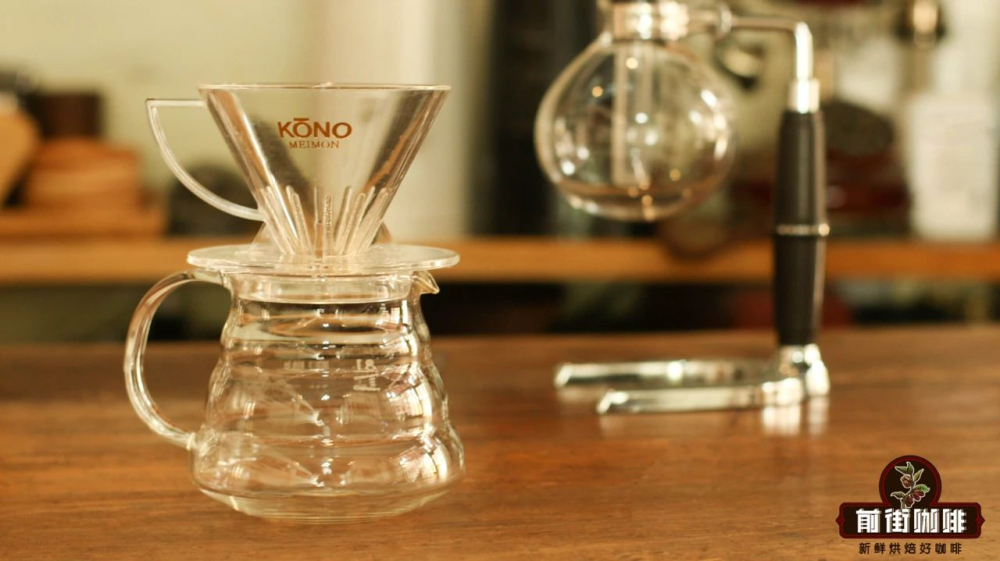
The history of the siphon (Siphon) dates back to the early 19th century. It was first invented by Loeff in Berlin, Germany, between 1830 and 1840. This extraction method using an upper and lower glass chamber predates modern pour over coffee by about 70 years. After technical refinements in France, England, and Germany, the siphon made its way to Denmark and Japan in the mid-20th century, quickly becoming a signature piece in coffee shops. By the 1950s, it had even gained global popularity.
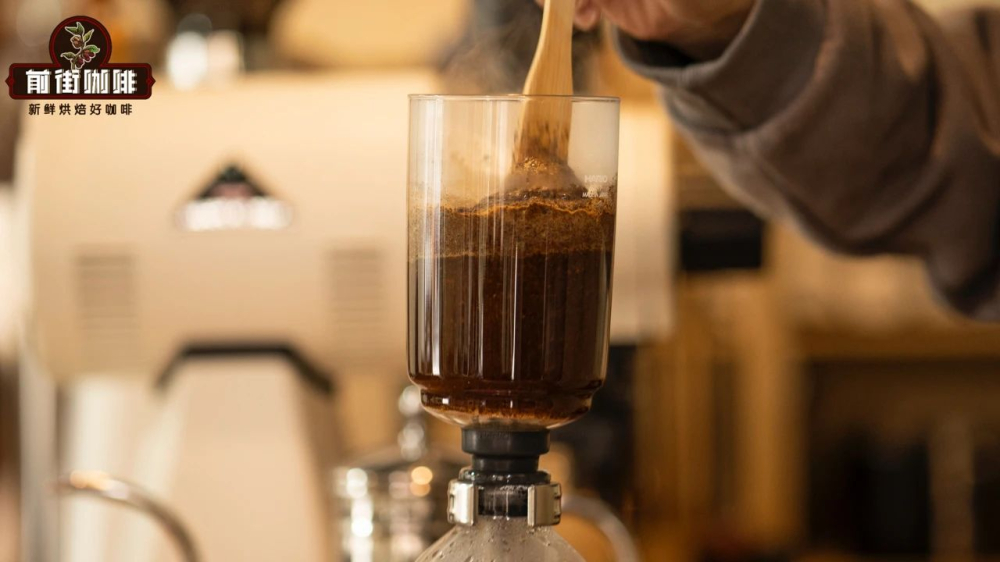
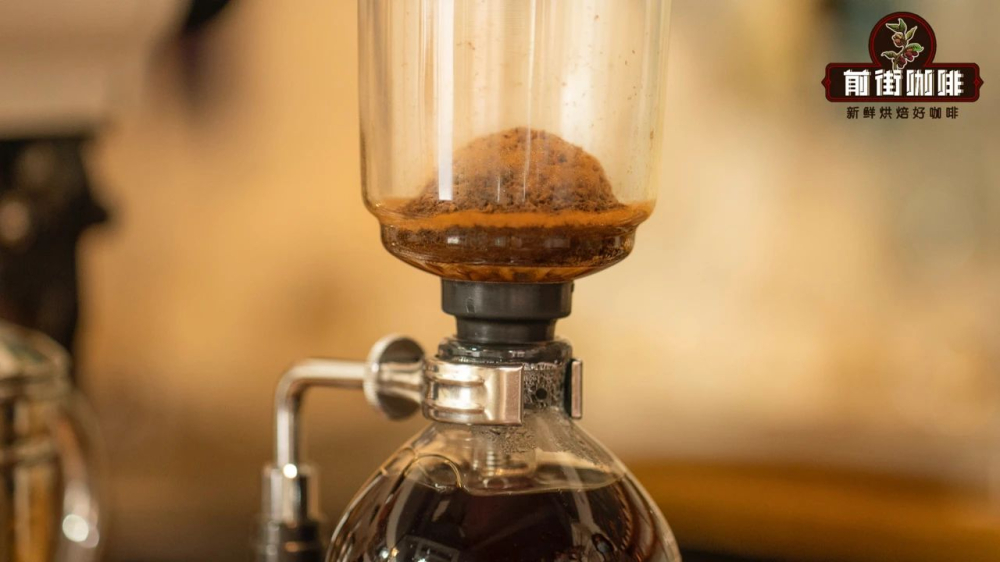
The core principle of the siphon is based on the physics phenomenon of siphoning. The lower chamber is a spherical capacity vessel, usually marked with water level indicators, which holds the brewed coffee liquid; the upper chamber is a cylindrical extraction compartment. When the water in the lower chamber is heated, the steam pressure pushes the hot water up into the upper chamber, where it mixes with the coffee grounds for extraction. Once the heat is turned off, a partial vacuum forms in the lower chamber, and the pressure difference causes the coffee liquid to flow back down, while the coffee grounds are retained by the filter cloth in the upper chamber. To speed up the return flow, you can wipe the outer wall of the lower chamber with a damp cloth to reduce the pressure difference and enhance the flow rate.
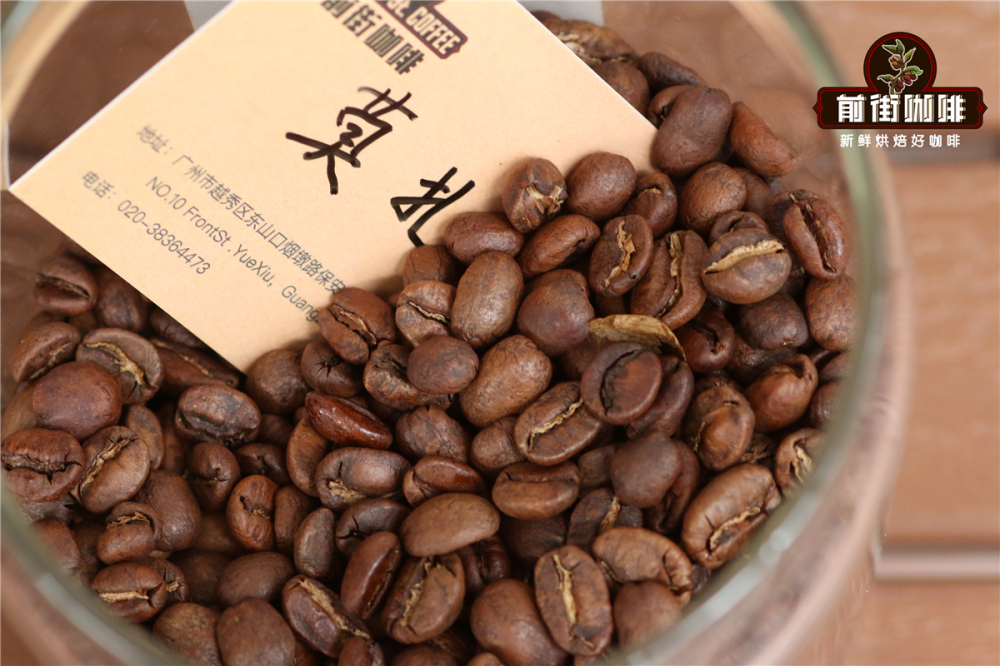
The siphon offers high flexibility in brewing. By adjusting grind size, water temperature, time, and technique, it can produce distinctly different flavor profiles. For this experiment, we selected the “Mozart” from the Music Series of Finca Canet in Costa Rica. It is grown at high altitude (1,950 meters) from the Caturra and Catuai varieties, using a raisin honey process, and exhibits pronounced fermentation aromas and berry notes, making it ideal for observing how brewing techniques influence flavor.
First, we tested the stirring method: the coffee-to-water ratio was set at 1:10 (20 grams of coffee to 200 grams of water), using a medium-fine grind (EK43s grinder setting 9, equivalent to 85% extraction through a Chinese standard No. 20 sieve), with water temperature maintained at 90°C. The steps were as follows: add water to 200 grams in the lower chamber and heat it; once the water reaches 90°C, insert the upper chamber securely. When the hot water rises, add the coffee grounds, then immediately stir in a circular motion to ensure even saturation. At 30 seconds, perform a cross-shaped stir to break up the crust. Turn off the heat at 56 seconds, with total extraction time around 1 minute and 8 seconds. This method produced coffee with prominent floral, berry, and fermented wine aromas, and upon cooling, revealed a sweet-sour note of raisins. The mouthfeel was rich and full-bodied.
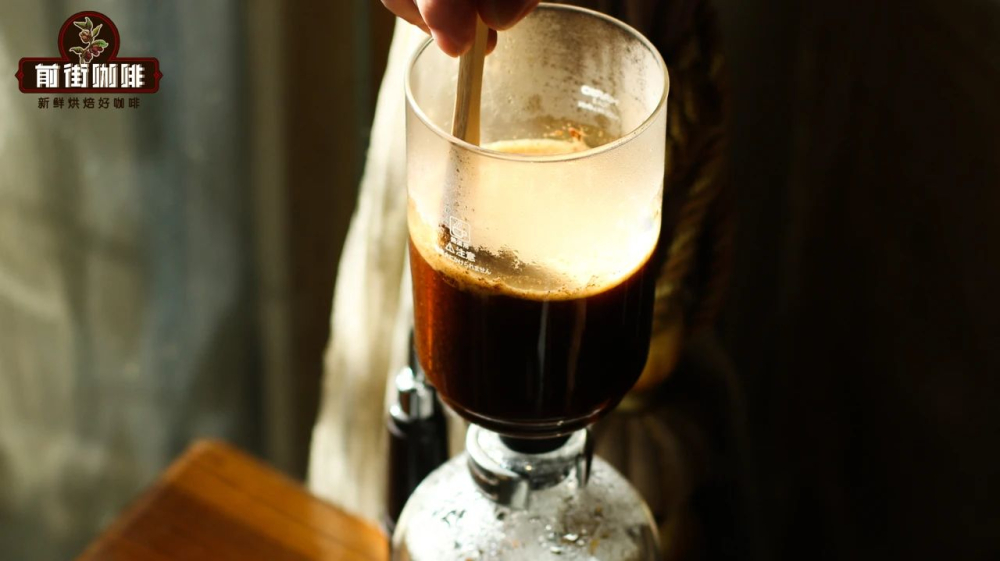
Next, we compared the immersion method: using the same 1:10 coffee-to-water ratio, 20 grams of coffee, and a medium-fine grind (85% extraction), with water temperature at 90°C. The difference is that after adding the coffee grounds, we only stirred briefly to ensure even contact between coffee and water, let it steep for 1 minute, then turned off the heat directly, extending the total extraction time to 1 minute and 32 seconds. This method highlighted osmanthus flower aroma as the main note, paired with berries, raisins, and caramel sweetness. The mouthfeel was relatively lighter and cleaner, but with a noticeable sweet aftertaste.
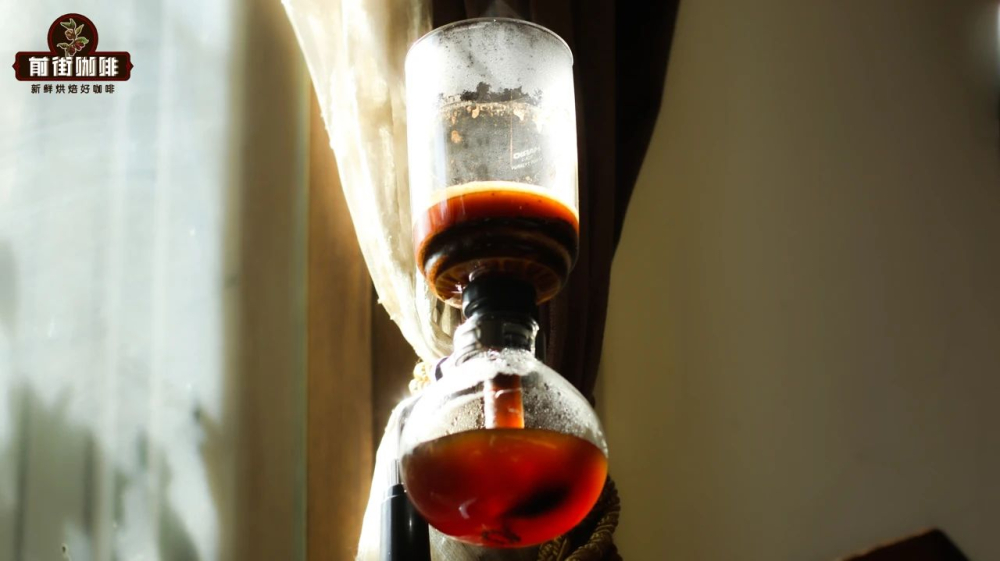
The test results showed that the stirring method, by enhancing the interaction between coffee and water, brings out more vibrant fermented wine notes and a fuller body—ideal for those who prefer intense flavors. The immersion method, by extending contact time, releases more sweetness and floral qualities, resulting in a gentler flavor profile suited for those who enjoy a cleaner mouthfeel. Notably, the siphon requires maintaining the water temperature within the range of 86–94°C under continuous heating to ensure stable extraction—even beginners can easily brew coffee with a rich body.
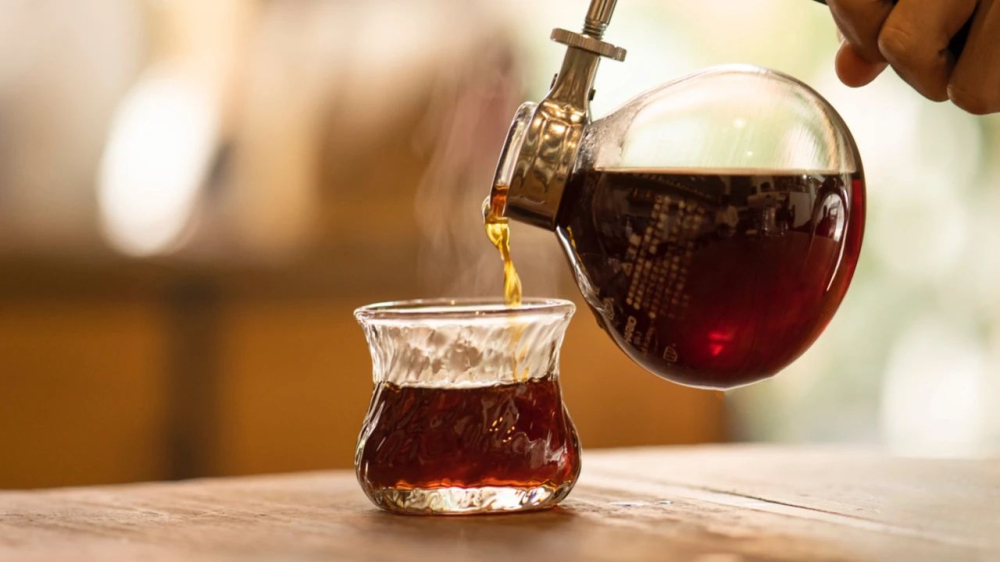
Finally, remember to thoroughly clean the filter cloth after use, as long-term neglect can lead to odors that affect coffee flavor. No matter which method you choose, by controlling variables and experimenting multiple times, you can find the siphon coffee flavor that best suits your personal taste.
The above content is compiled by CoffeeHunters, a coffee news website.


