








Introduction:The moka pot is a brewing tool commonly found in many coffee enthusiasts' homes, but selecting the right grind size, distinguishing between single-valve and double-valve types, and choosing the appropriate coffee beans are all key factors that influence the flavor of your coffee. This article delves into the extraction principles, pros and cons of the moka pot, and offers practical grind recommendations and bean pairing suggestions to help you brew coffee that’s closer to traditional espresso flavor.
Basic Classification of Moka Pots: Differences Between Single-Valve and Double-Valve

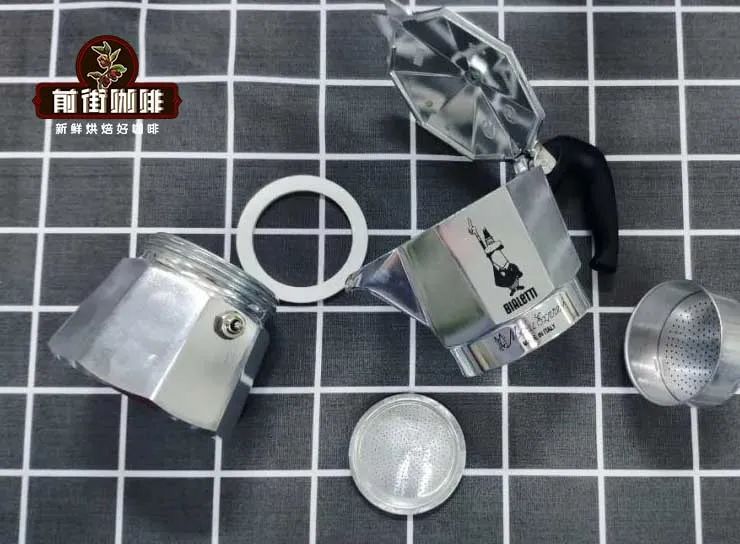
Moka pots can be categorized into single-valve and double-valve types based on their structure — a common point of confusion for beginners. The single-valve moka pot has a simpler design, with a hollow spout on the upper chamber, and generates around 1Bar of pressure during extraction. The resulting coffee is darker and stronger, but the crema layer is relatively thin. In contrast, the double-valve moka pot features an additional pressure valve at the spout, raising the extraction pressure to 2–3Bar. This not only results in a thicker coffee texture but also extracts richer, more delicate crema, bringing it closer to the flavor profile of traditional espresso.
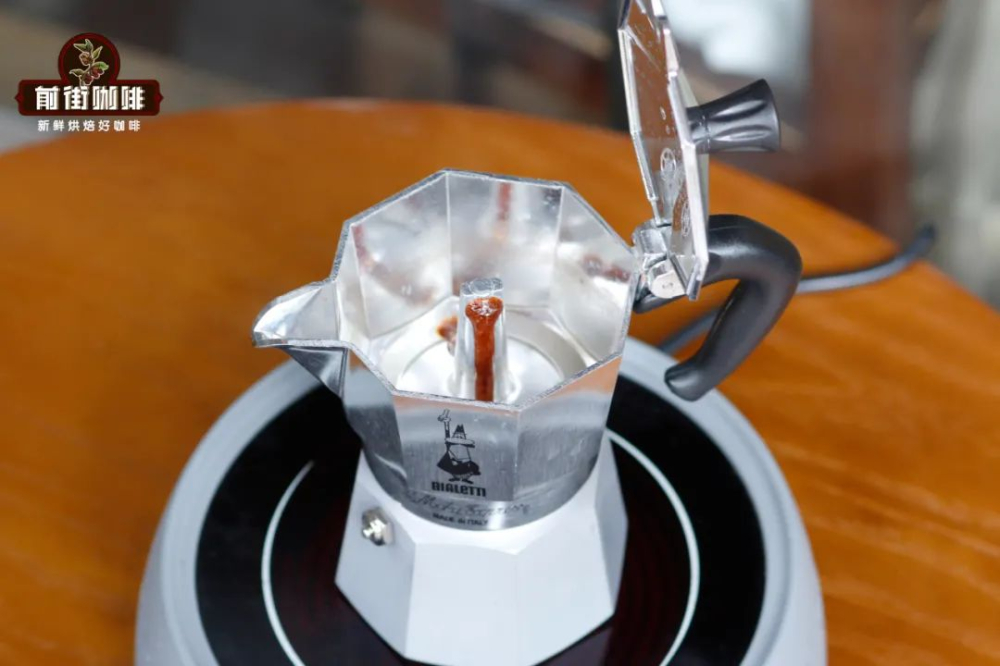
If you're aiming for a bolder and more intense coffee flavor, the double-valve moka pot is the better choice. It outperforms the single-valve version in both pressure performance and flavor delivery.
Advantages and Limitations of the Moka Pot
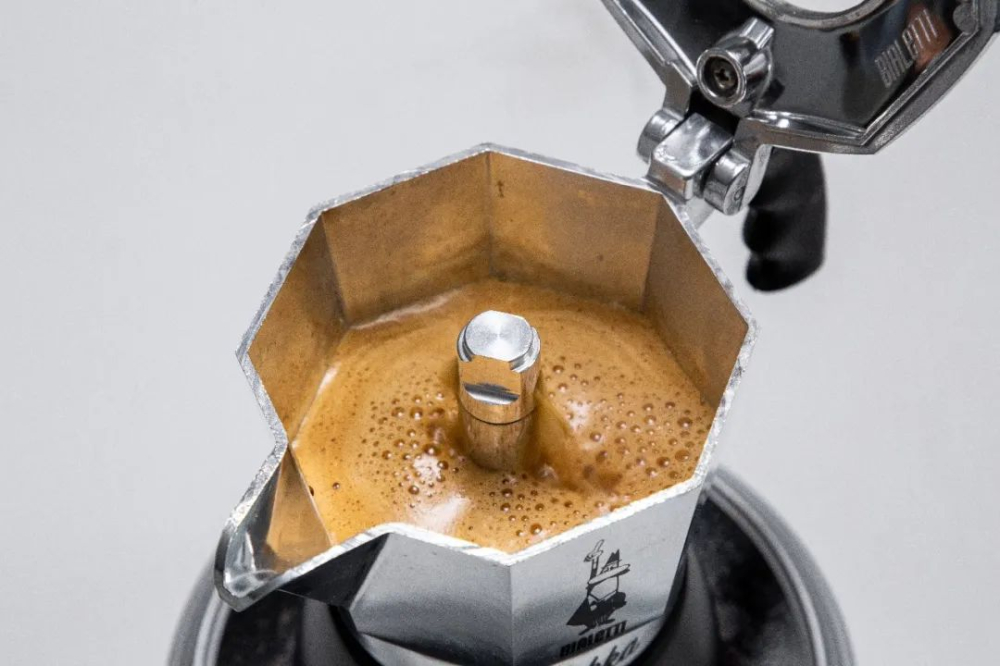
The biggest advantage of the moka pot lies in its simplicity and portability. Unlike espresso machines, it doesn’t require complex settings or equipment, and it’s also relatively affordable — making it highly suitable for home or travel use. However, it does have notable limitations. Since the water temperature during heating often reaches boiling point at 100°C, which is higher than the typical 90–94°C of a standard espresso machine, it tends to extract more bitter compounds, leading to a burnt or overly intense flavor.
Additionally, the moka pot generates only about 2Bar of pressure, far less than the 9Bar or higher found in commercial espresso machines. As a result, while the brewed coffee is rich, it lacks the finesse and complexity of true espresso.
Choosing the Right Grind Size

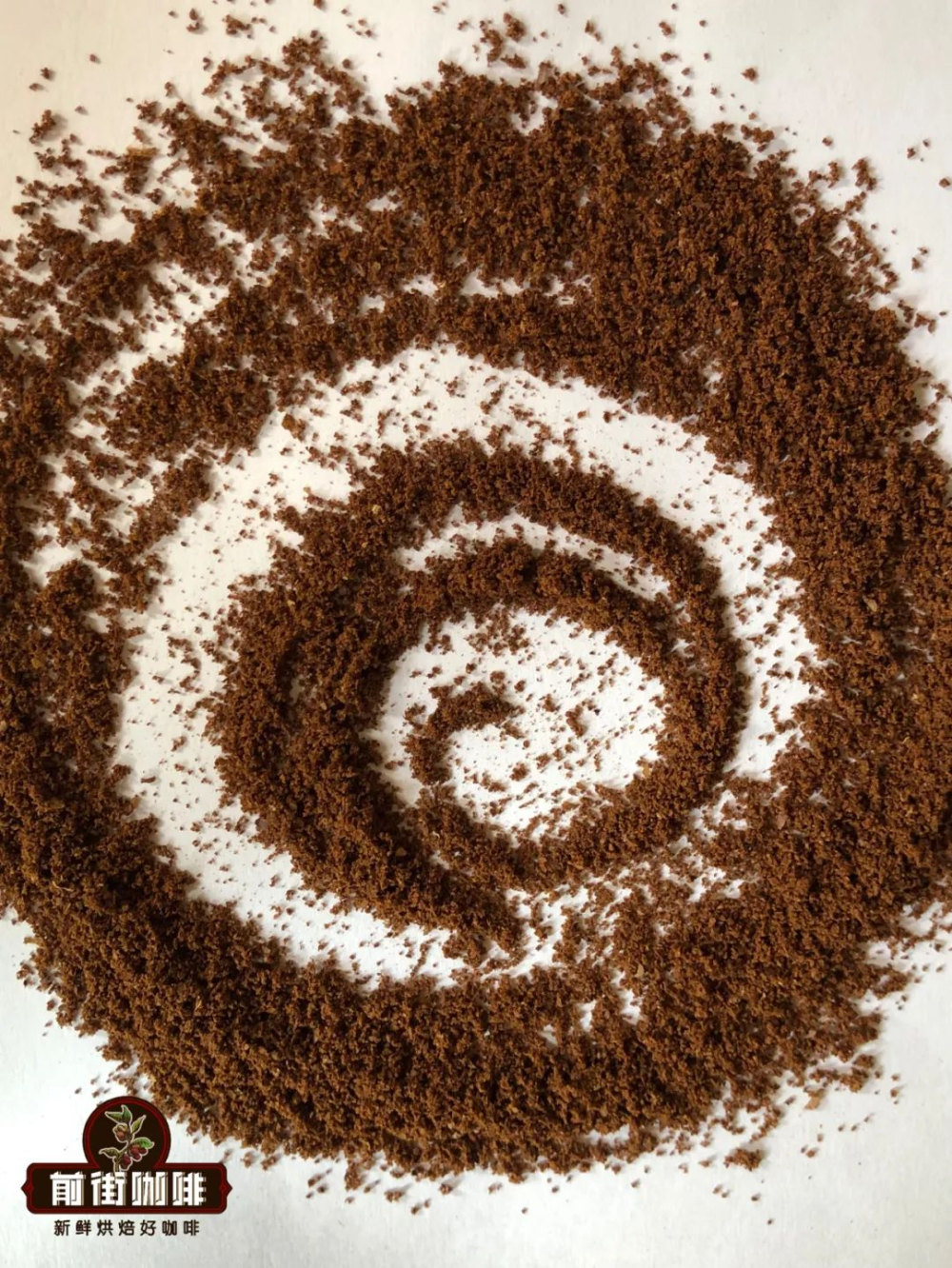
As the moka pot uses pressurized extraction, its grind size should be finer than that used for pour over but slightly coarser than what’s used for espresso machines. If the grind is too coarse, insufficient contact between water and coffee grounds leads to incomplete extraction, and the low resistance may cause boiling water to spray out, posing a scalding risk. On the other hand, if the grind is too fine, it increases flow resistance, which could result in excessive pressure and even pose an explosion risk for the moka pot.
It is recommended to set the grinder (such as the EK-43s) to #3–3.5 or adjust based on the spacing of the coffee basket to ensure the grounds don’t leak through the holes. This grind level balances flow rate and extraction efficiency and is widely endorsed by moka pot users through practical testing.
Suitable Coffee Bean Types for the Moka Pot
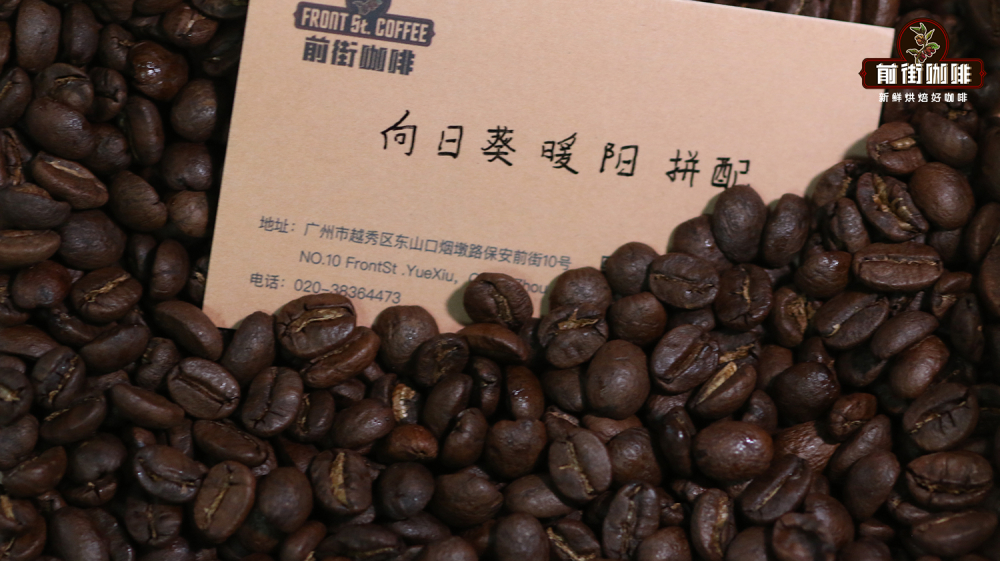
Given the short extraction time and relatively high coffee-to-water ratio of the moka pot, medium-dark to dark roasted beans are more suitable compared to light roasts. Light roast beans are generally harder in texture. When used in a moka pot, they usually require a finer grind to improve extraction, but this can lead to sour, astringent, or over-extracted flavors under high pressure and temperature, and also hampers crema development.
It’s recommended to choose medium-dark or dark roasted beans, as they not only release richer aromas and crema more easily, but also allow for a more stable extraction process with consistent flavor expression.
Practical Operation Process for the Moka Pot
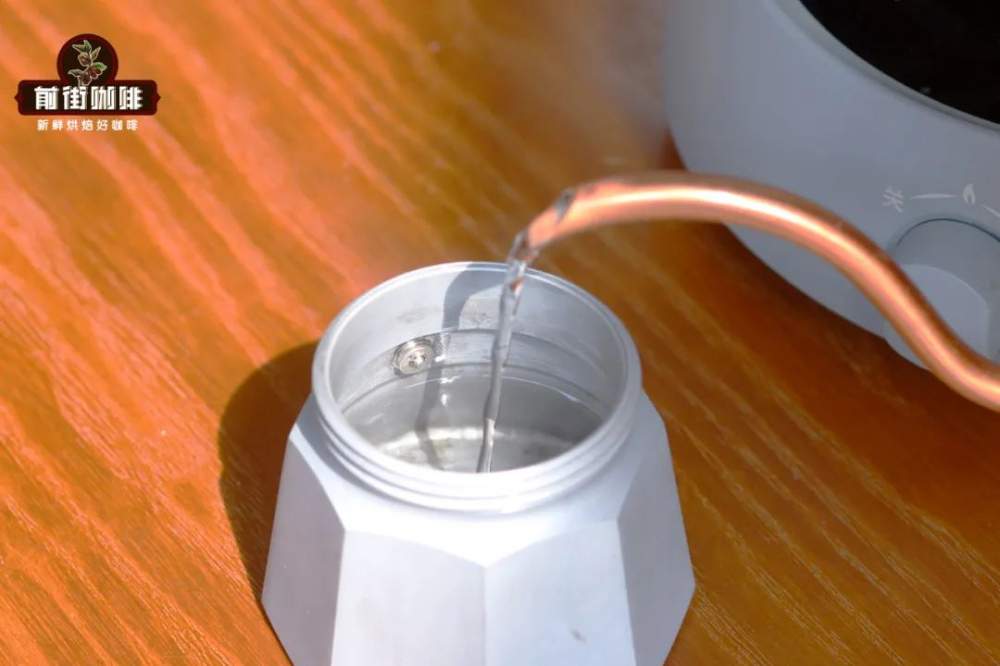
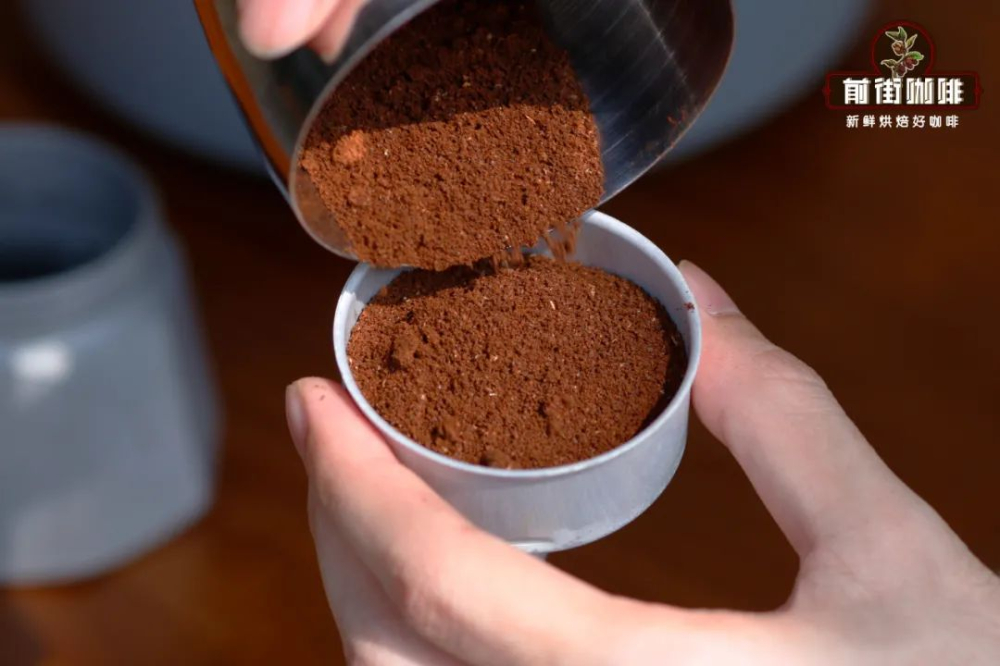
To begin, prepare freshly roasted coffee beans, clean water, a grinder, and a heat source (such as a gas or induction stove). Add water to the lower chamber, keeping the water level about 0.5cm below the safety valve to avoid any risk. Then, grind the coffee beans to the appropriate fineness (referencing EK-43s #3–3.5), fill the coffee basket about 90% full, and gently level the grounds without tamping too firmly.
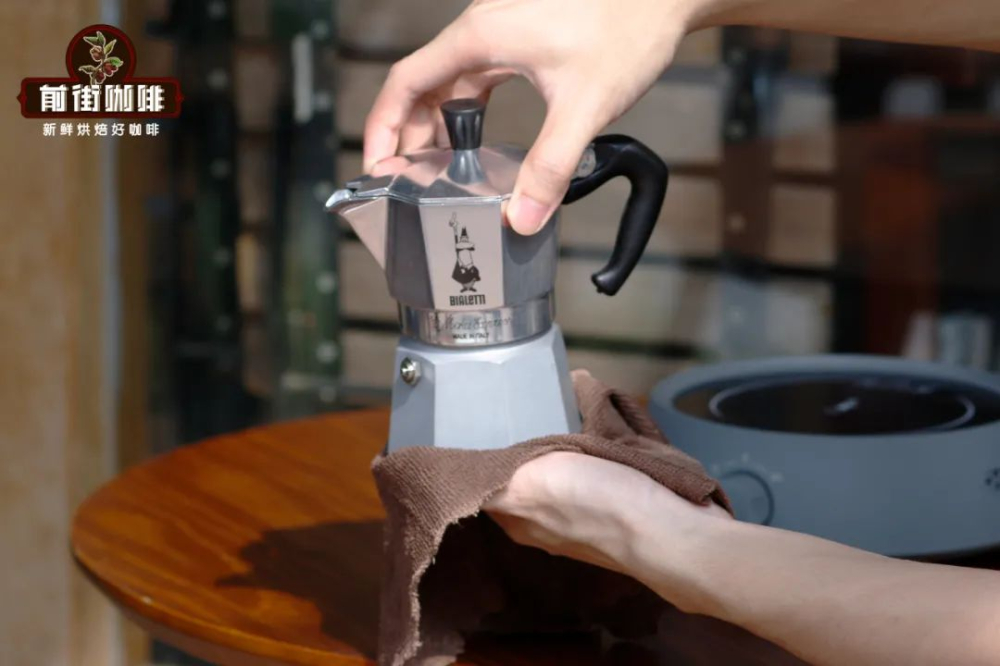
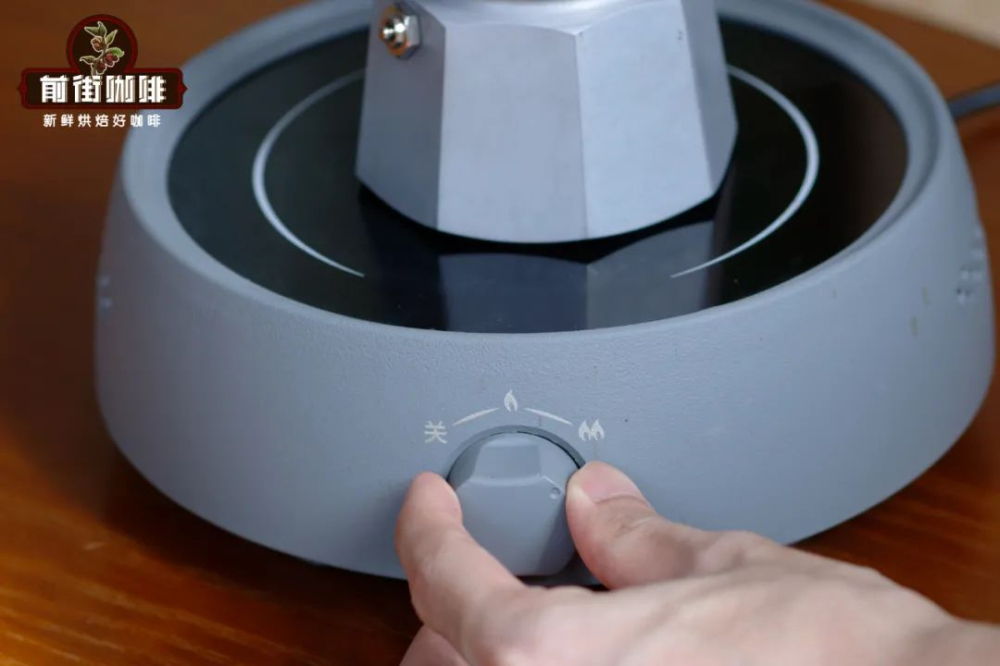
After assembling the upper and lower chambers tightly, start heating. If using an open flame, be sure the fire doesn’t extend beyond the base of the pot. Once you hear a hissing sound, reduce the heat. Turn off the heat when the coffee begins to flow into the upper chamber, roughly halfway full, and let residual heat complete the final extraction.
Cleaning and Maintenance After Use
It’s recommended to clean the moka pot immediately after each use to prevent leftover coffee grounds from causing odors or blockages. Pay special attention to cleaning the filter plate, gasket, and extraction channel. If these areas accumulate coffee residue over time, it can lead to flavor contamination and affect both the extraction performance and the lifespan of the pot.
Proper maintenance extends the life of your moka pot and ensures optimal flavor with every brew.

The above content is compiled by CoffeeHunters, a coffee news website.


