








Introduction:The moka pot is the go-to brewing device for many coffee enthusiasts looking to make rich, strong coffee at home. But do you know how to choose the right coffee beans, and what the proper extraction time and technique should be? This article delves into the working principle of the moka pot, the types of coffee beans that work best, the ideal grind size and brewing time, and details the key points to watch out for during use—helping you brew a flavorful, crema-rich espresso-style coffee.
Moka Pot (Moka Pot)is a classic espresso brewing device originating from Italy and beloved by home users. Since its invention in 1933 by Alfonso Bialetti, its basic structure has remained unchanged, but its design aesthetics and materials have continuously evolved—from early aluminum versions to modern stainless steel and heat-resistant glass models, combining practicality with style. It has become an essential kitchen tool for many coffee lovers.
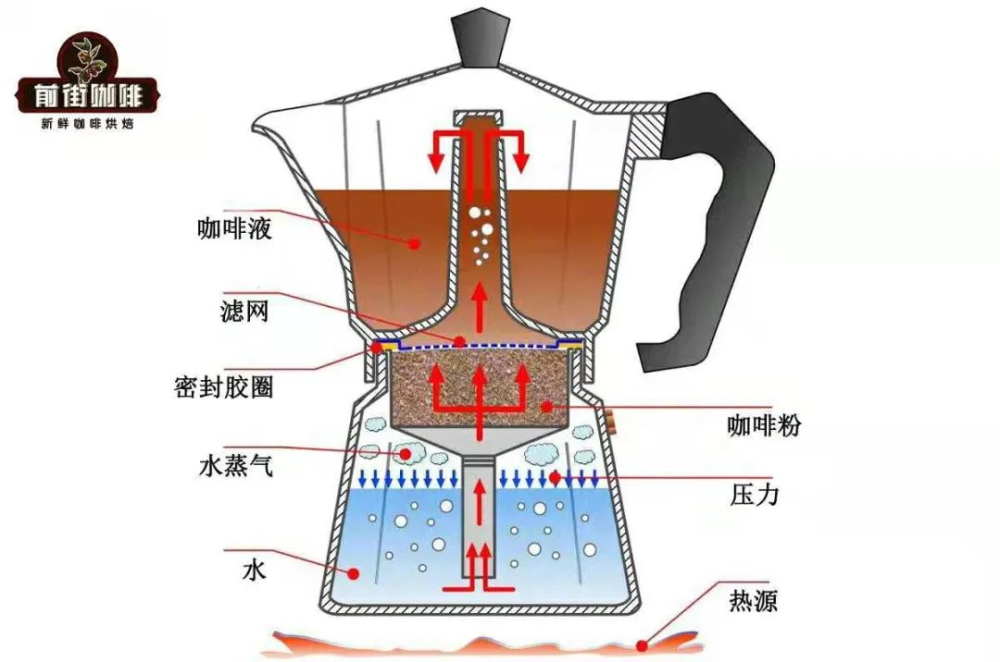
The moka pot works by heating water in the lower chamber, using the resulting steam pressure (approximately 1.5 - 2 bar) to push the hot water through medium-fine ground coffee, ultimately extracting a rich coffee liquid in the upper chamber. Though the pressure is not as high as the 9 bar found in professional espresso machines, it can still produce noticeable coffee crema, delivering a bold and full-bodied drinking experience.

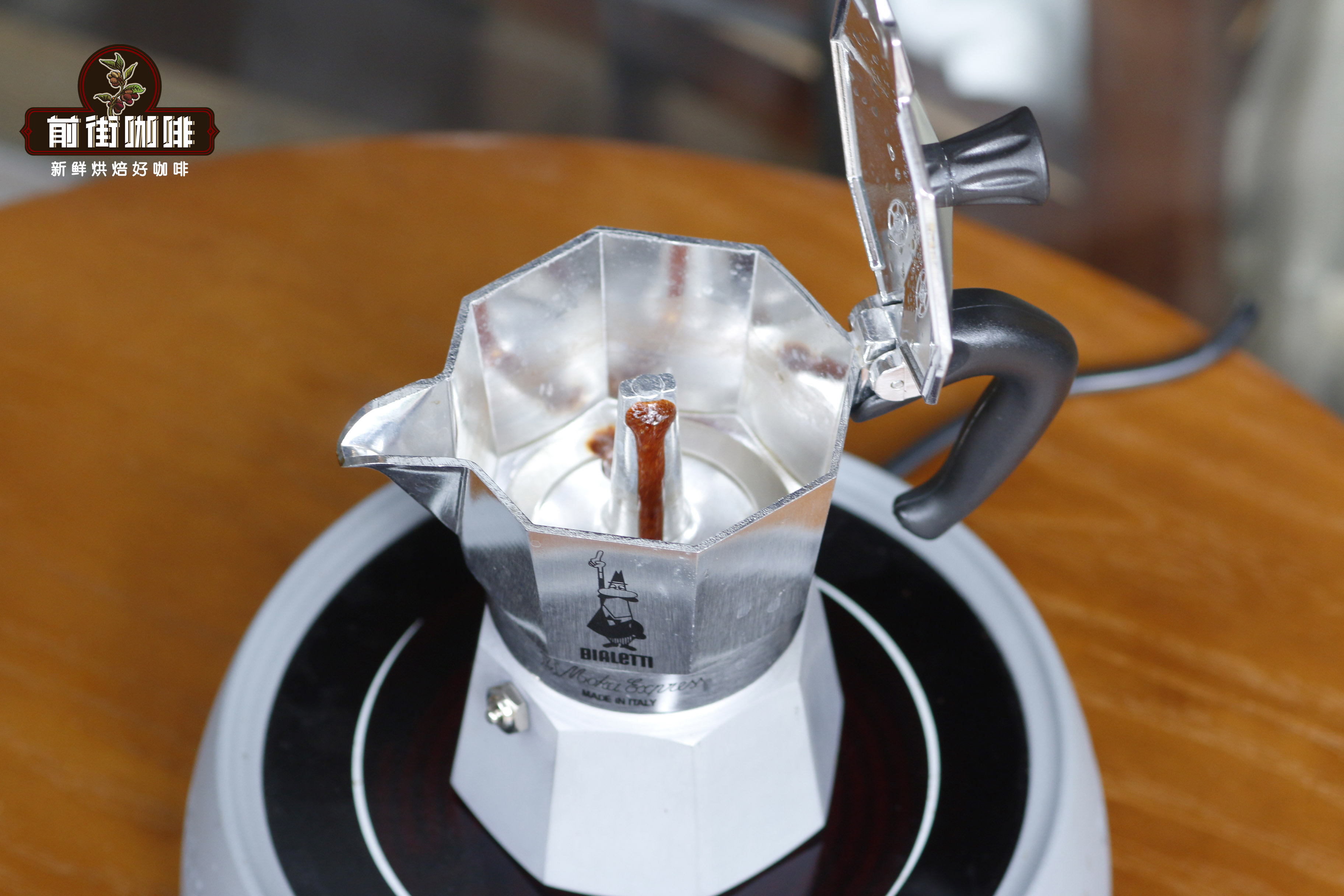
The moka pot mainly consists of three parts:Lower chamber (water reservoir), filter basket (coffee chamber), and upper chamber (coffee pot). When heated, the water evaporates under pressure, pushing through the coffee grounds in the filter basket and eventually dripping into the upper chamber. Although the brewing method is somewhat similar to drip brewing, the presence of pressure means the resulting coffee more closely resembles the flavor profile of espresso.
Depending on design, moka pots are divided intosingle-valve and double-valvetypes. The double-valve design can extract richer crema and a more intense flavor under higher pressure. In contrast, the single-valve version tends to yield a lighter-tasting coffee with less crema. For those seeking a bolder flavor, the double-valve model is recommended for a fuller espresso-like experience.
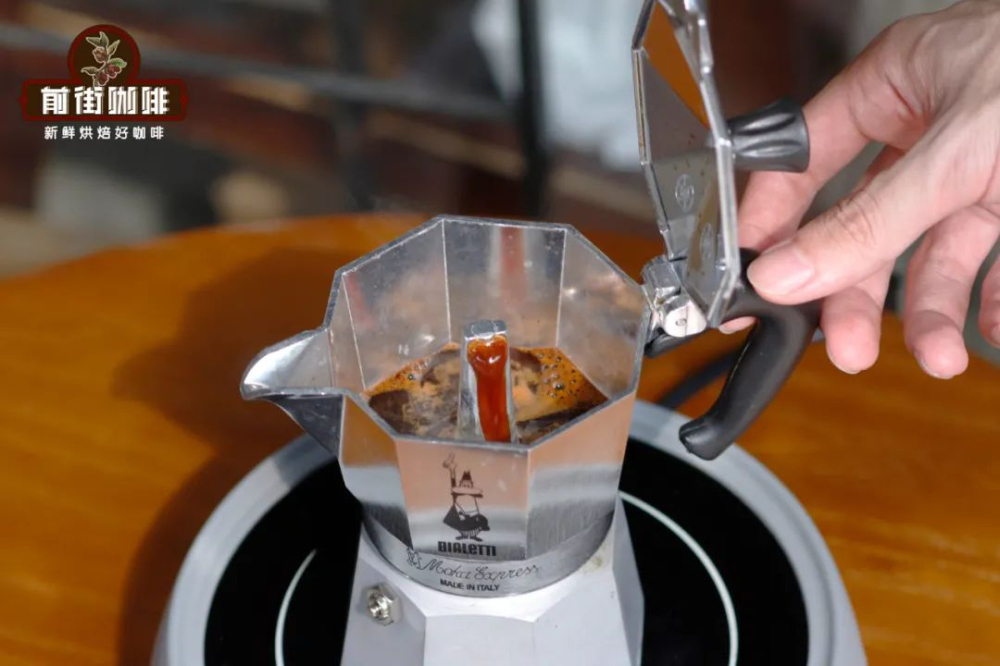
In terms of capacity, commercially available moka pots are usually labeled by “number of servings,” with common sizes including 1, 2, 3, 6, 9, 12, and 18 servings. Generally speaking,1 to 2 servings are suitable for individual or couple use, 3 servings are good for small families, and 6 servings or more are ideal for sharing among multiple people or for gatherings. When purchasing, choose an appropriate capacity based on your daily usage and frequency to avoid wasting energy with an overly large pot or falling short with one that’s too small.
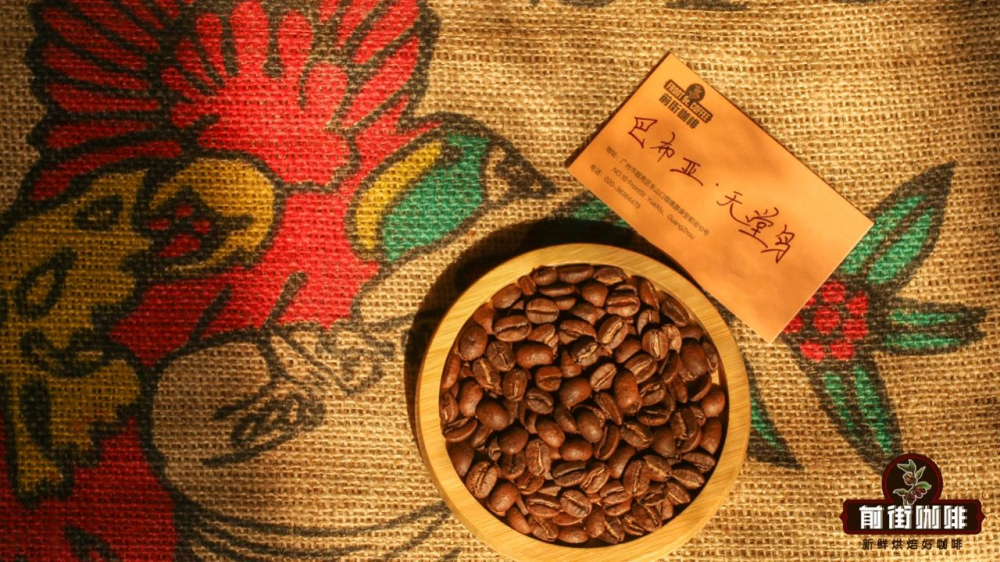
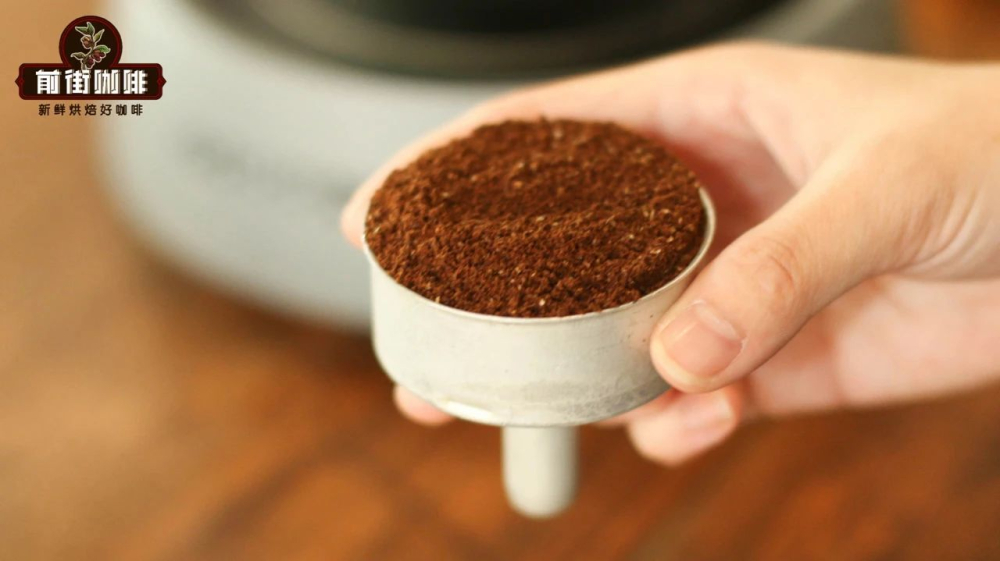
When using a moka pot, it is recommended to selectmedium-dark to dark roastedcoffee beans. These beans offer bold flavors with a balanced bitterness and sweetness, complementing the high-pressure extraction of the moka pot, highlighting rich aromas and a full body. The grind size should be slightly coarser than typical pour over but finer than that used for espresso machines—roughly similar to superfine sugar—ensuring it fills the basket without overly restricting water flow.
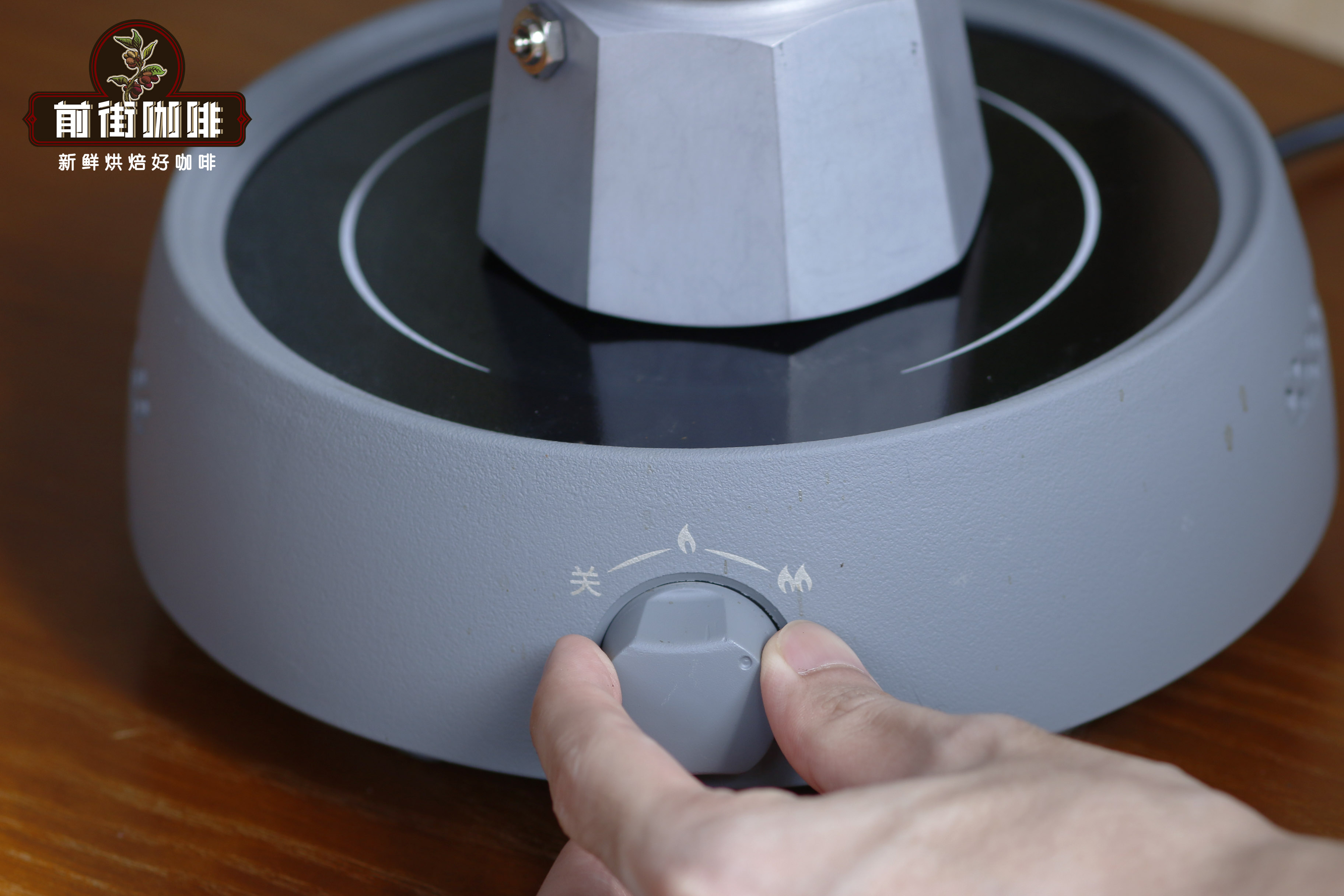
In practice, the extraction time for a moka pot is generally kept within3 to 4 minutes. It is advised to use low to medium heat. When you hear a distinct “wheezing” or “popping” sound, it indicates that pressure is building up. At this point, reduce to low heat and monitor the flow of coffee into the upper chamber. Once about half of the coffee has flowed out, you can turn off the heat and let residual heat finish the extraction process—this helps avoid over-extraction and bitterness.
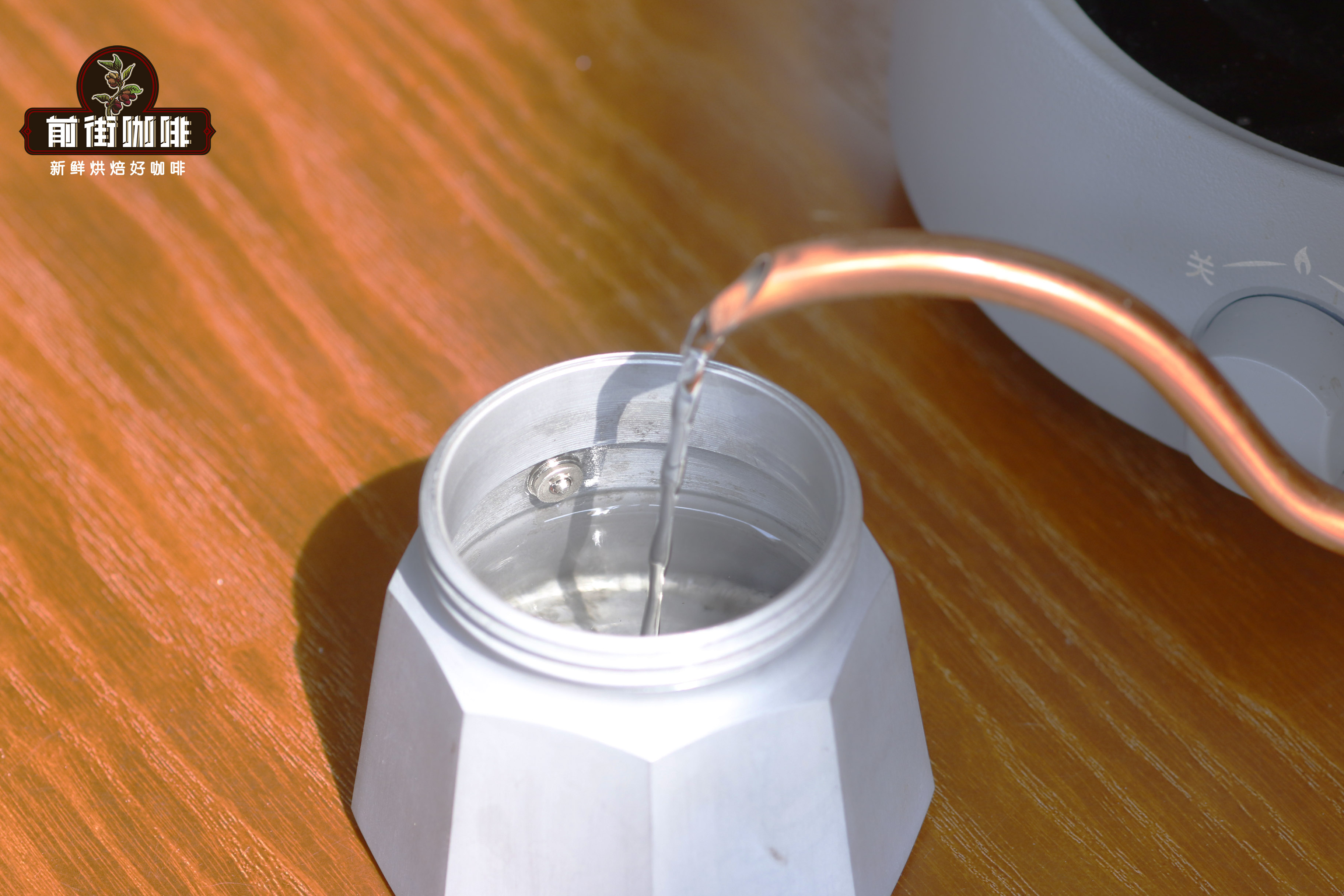
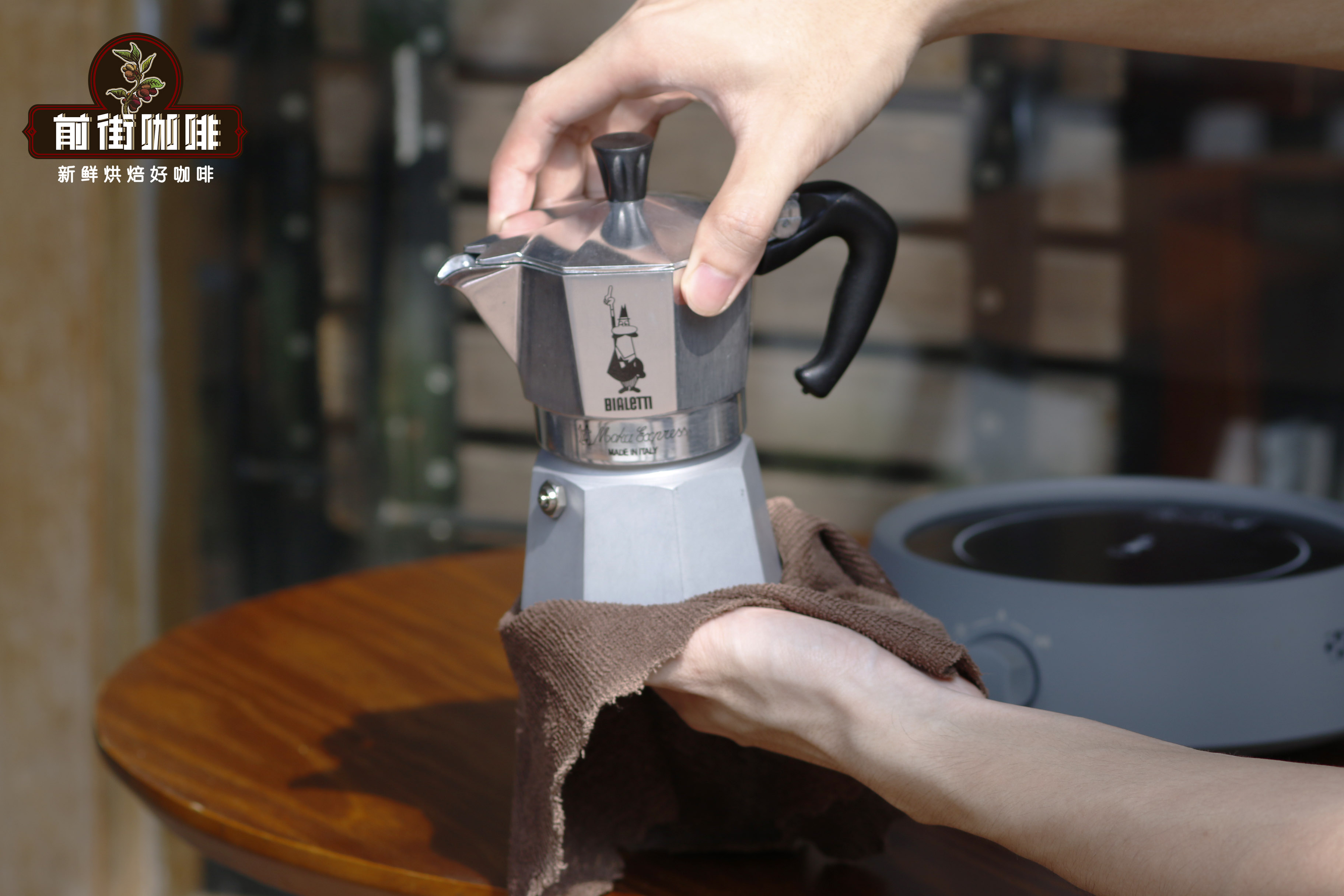
Additionally, there are some common precautions when using a moka pot, such as:not filling the lower chamber above the safety valve level, ensuring the coffee grounds in the basket are evenly tamped but not overly compacted, and cleaning the pot immediately after use to prevent coffee residue from clogging it. Proper cleaning and maintenance can extend the lifespan of your moka pot and ensure a stable and satisfying flavor with each brew.
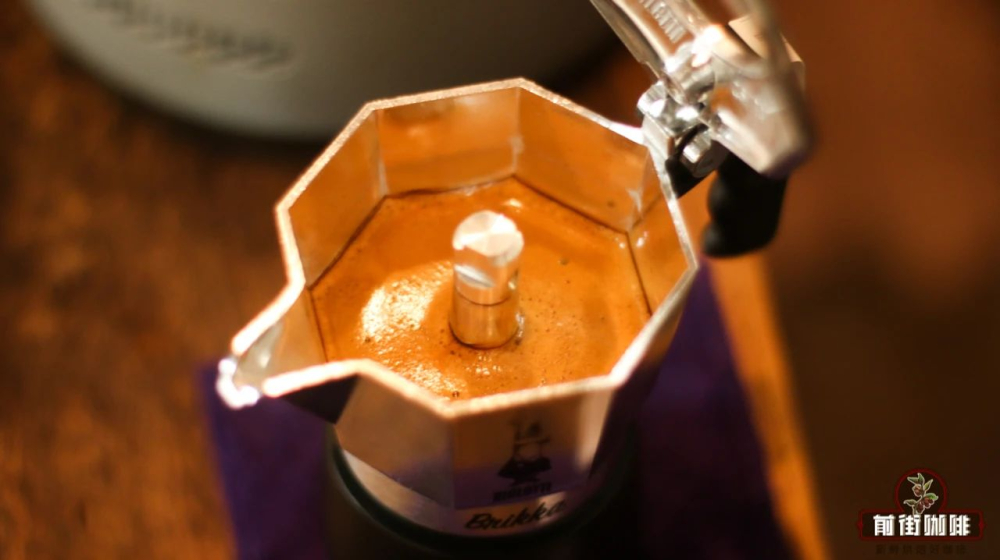
In summary, the moka pot is an easy-to-use, highly functional home coffee tool. While it may not deliver the same complexity of flavor as a professional espresso machine, its bold taste and crema make it more than sufficient for the daily coffee needs of most enthusiasts. By mastering the right type of beans, grind size, heat level, and extraction time, you too can easily recreate an espresso experience rich with Italian character right at home.


The above content is compiled by CoffeeHunters, a coffee news website.


