








Introduction:Want to understand the soul of espresso? This article delves into the definition, classic flavor characteristics, professional preparation process, and extraction parameters of espresso, while also analyzing the principle behind the formation of its signature Crema. Whether you're new to coffee or an enthusiast looking to refine your skills, you'll gain the right tasting methods and practical knowledge here.
In the world of espresso, Espresso is undoubtedly the core. Whether it’s a latte, cappuccino, or Americano, almost all are made using it as the base. This highly concentrated coffee, extracted quickly under high pressure, is not only an important element of Italian daily drinking culture but also lays the foundation for the diversity of modern coffee beverages.
What is Espresso?
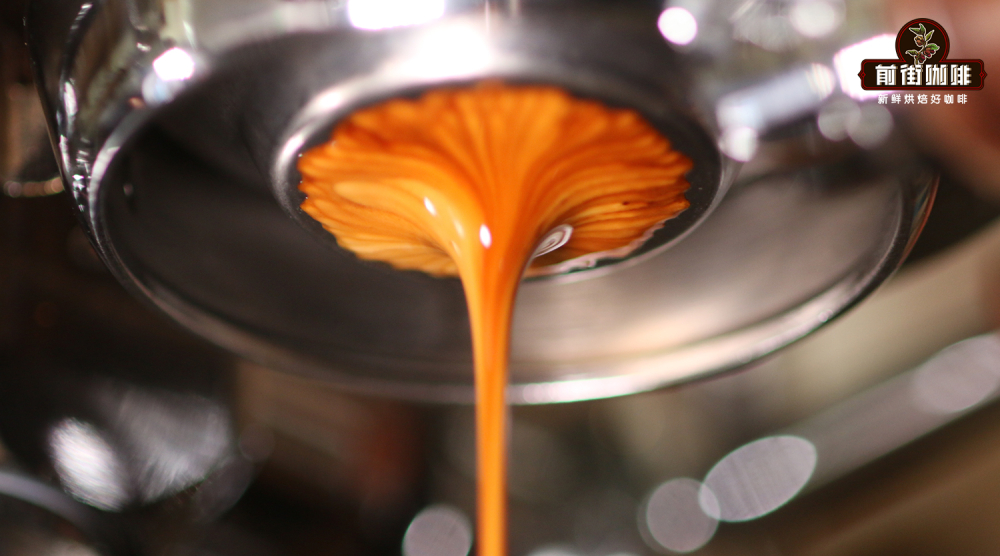
The English pronunciation of Espresso is similar to "Express," which hints at its "fast" characteristic. Using a professional coffee machine, under a pressure of up to 9 bar, it takes only about 30 seconds to extract about 30 ml (approximately 1 ounce) of highly concentrated coffee liquid from extremely finely ground coffee powder. In Italy, ordering an Espresso often means standing at the bar and sipping it quickly, with the whole process usually taking no more than two minutes.
Crema: The Soul of Espresso
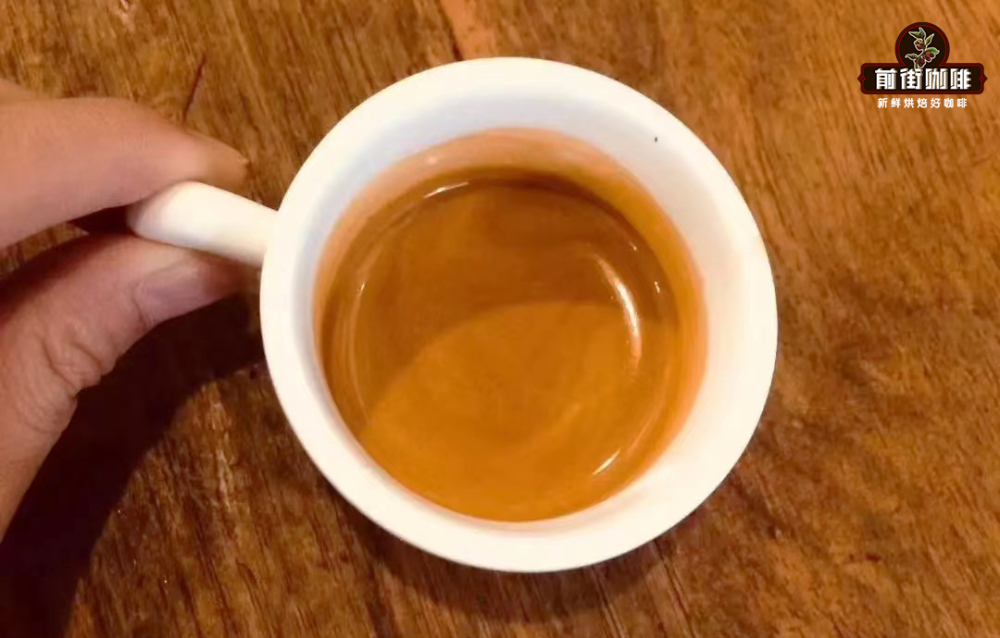
The golden, fine foam on the surface of Espresso is what is known as Crema. The formation of this layer of foam originates from the high-pressure extraction process, where water under 9 bar pressure causes the coffee grounds to release a large amount of carbon dioxide, along with volatile oils that are otherwise difficult to dissolve. When the coffee liquid flows out and the air pressure returns to normal, this carbon dioxide becomes enveloped by the remaining oils, forming a stable Crema layer. It's not only a visual representation of texture but also a key factor influencing the overall taste.
A Detailed Guide to Making Espresso
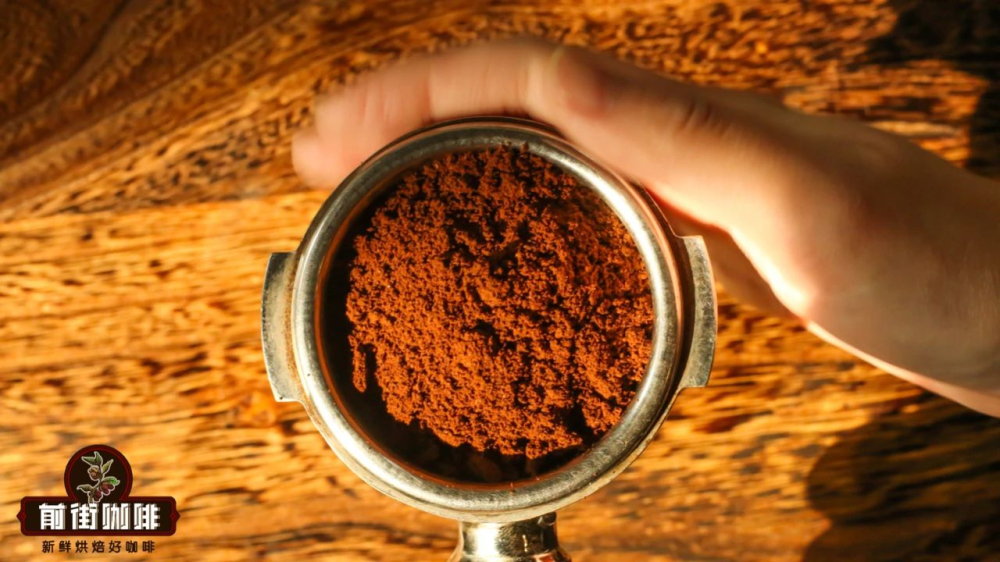
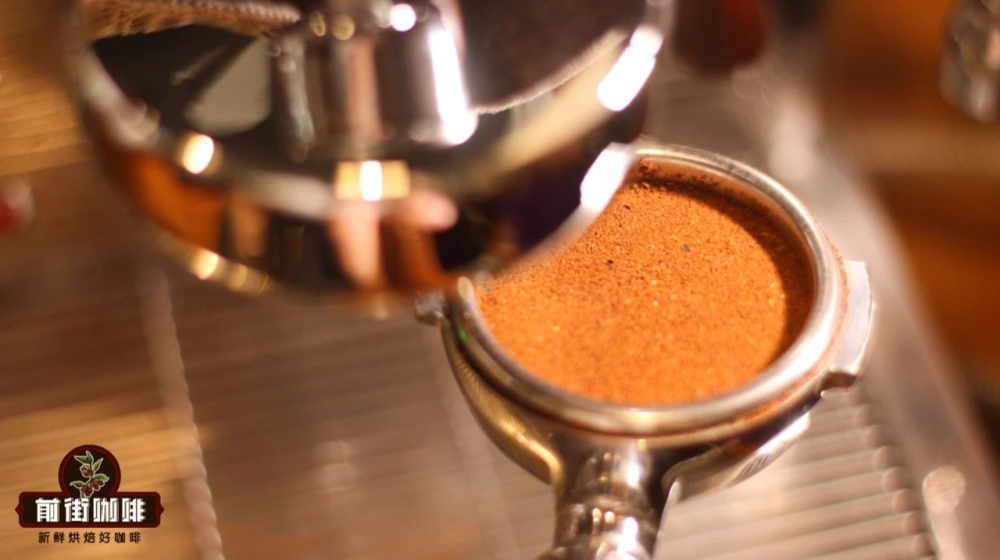
To make a standard Espresso, follow these steps: First, clean the portafilter basket to ensure there is no leftover coffee grounds or water stains; then use a grinder to produce uniformly fine coffee grounds, and measure them accurately with an electronic scale—about 20 grams per extraction is recommended. After dosing, use your fingers or a distribution tool to evenly spread the coffee grounds in the basket, avoiding any areas that are too sparse or too dense.
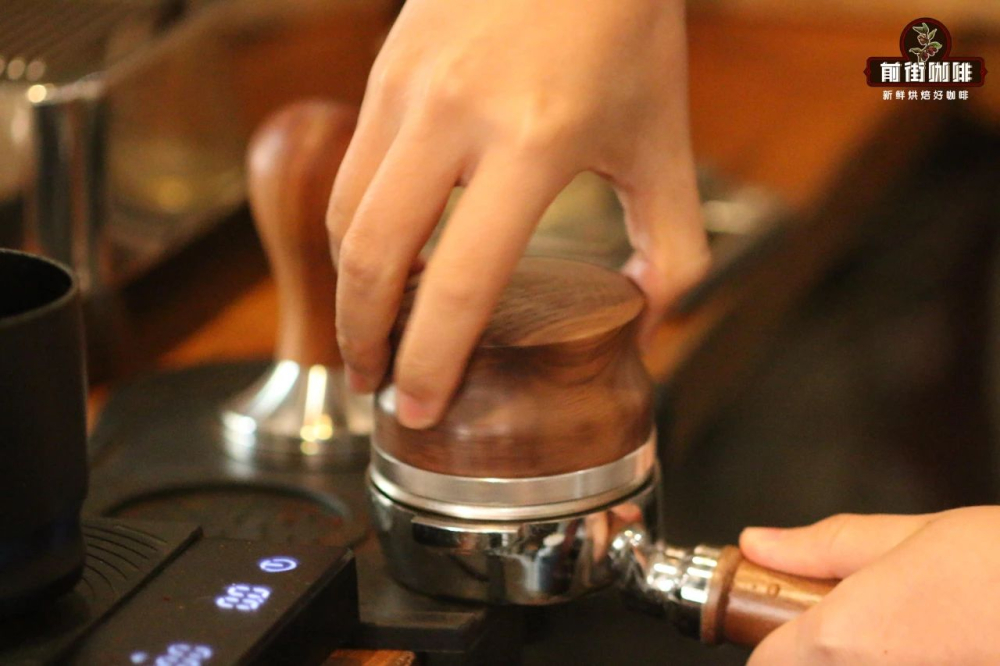
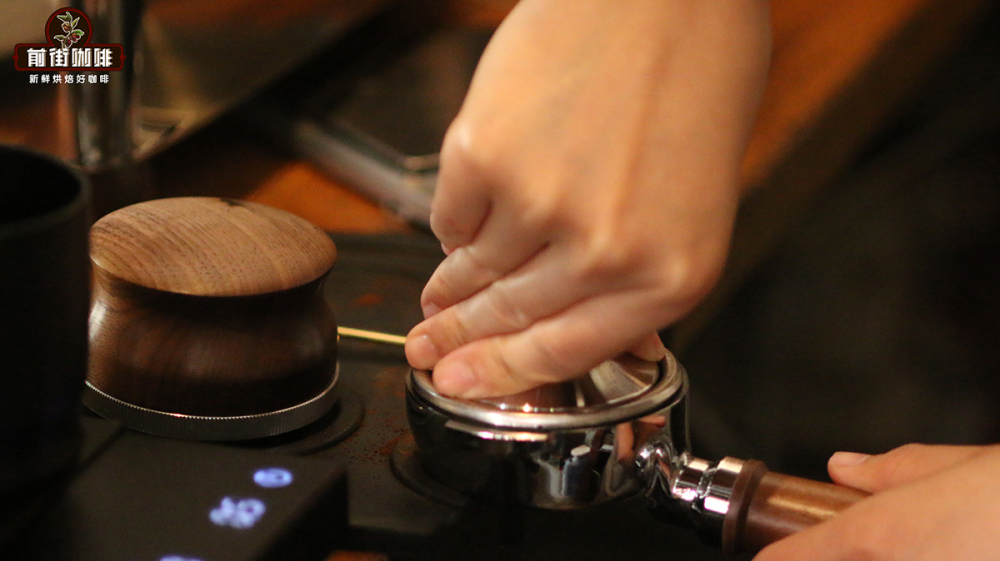
Next comes the tamping step. This action must be done vertically to the basket with even and moderate pressure (around 30 pounds). Too light tamping will result in fast water flow and under-extraction, while too heavy tamping can restrict flow and lead to over-extraction. After tamping, gently place the portafilter back into the machine and start extraction immediately. The ideal extraction time is between 25–30 seconds, aiming for a yield of 40 grams—this parameter will yield a balanced shot of espresso.
After extraction, be sure to clean the portafilter and leftover grounds. Maintaining clean equipment is essential for consistent quality in subsequent extractions. The entire process not only requires technique but also familiarity with operating the equipment and fine-tuning the coffee-to-water ratio.
Flavor Characteristics of Espresso
A well-extracted Espresso offers a rich and distinctive flavor profile. First, there's its unique aroma, which you need to get close to the rim of the cup to fully capture. Generally, traditional blends of Espresso emit intense notes of cream and nuts, reminiscent of almond cream cake; if using a lighter-roasted single-origin bean (SOE), it may present a fresh floral and fruity character.
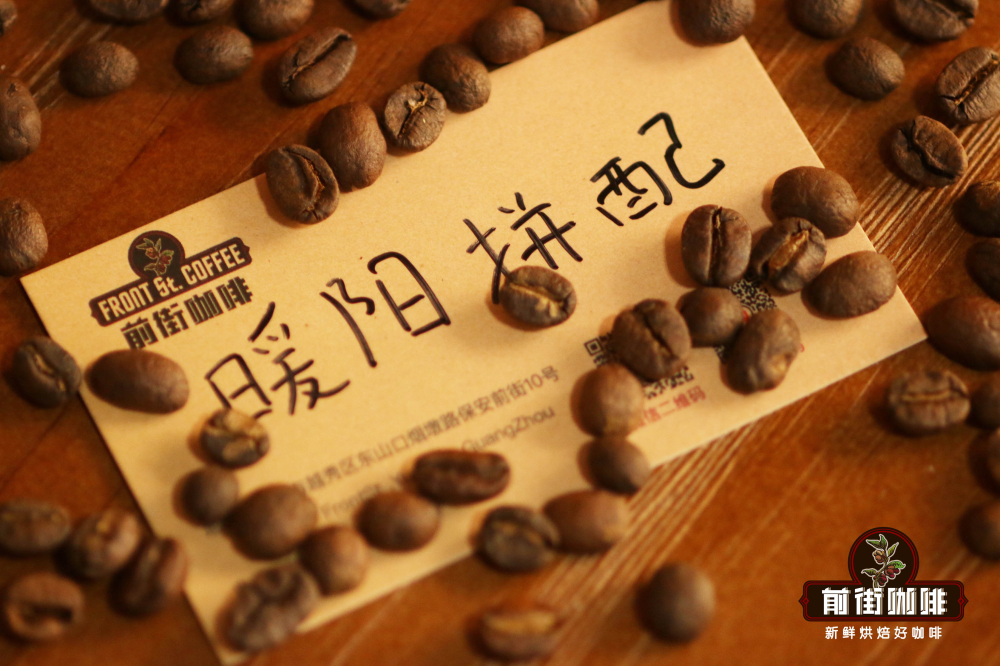
In terms of mouthfeel, the Crema not only provides a silky texture but also adds a sense of richness. It's recommended to take a big sip to feel its coating effect in the mouth. On the flavor front, Espresso often has a bitter base, but it is usually followed by the lingering notes of dark chocolate, nuts, and caramel. This transition from bitterness to sweetness is part of its charm. If using a custom blend, such as one with a sunflower flavor profile, it may also showcase special notes like vanilla cream or sherry.
The Correct Way to Taste Espresso
To fully experience the intricacies of Espresso, follow these tasting steps: first, cleanse your palate with a sip of ice water to reset your taste buds; then you can gently stir or swirl the cup to allow the coffee aromas to release evenly; after smelling the aroma, it's recommended to take a big sip and use your tongue to perceive its rich texture and layered flavors. A typical cup is consumed in about 2–3 sips; finally, after swallowing, exhale with your mouth closed to more clearly perceive its lingering aftertaste and aromatic sweetness.
Mastering these basic knowledge points and techniques not only helps you better understand Espresso but also allows you to enjoy a richer coffee experience in your daily drinking. From equipment operation to flavor recognition, each step is the essence of appreciating Italian coffee culture.



The above content is compiled by CoffeeHunters, a coffee news website.


