








Introduction:Delve into the extraction principles of espresso, master the core parameters that influence coffee flavor — from grind size, coffee-to-water ratio, extraction time, to water pressure and temperature — and learn step by step how to produce an espresso with rich crema and balanced flavor using a semi-automatic coffee machine. This article explains in detail the interactions between various variables and provides practical adjustment suggestions to help you consistently extract your ideal cup.
Espressois renowned for its intense flavor and golden crema (coffee foam), and serves as the base for many coffee drinks. Unlike the slow immersion brewing of pour over coffee, espresso is made by forcing high-pressure hot water through a tightly packed puck of finely ground coffee, extracting a large amount of flavor compounds in a short time. Though it may seem simple, each step requires precise control, as even slight deviations can affect the overall result.
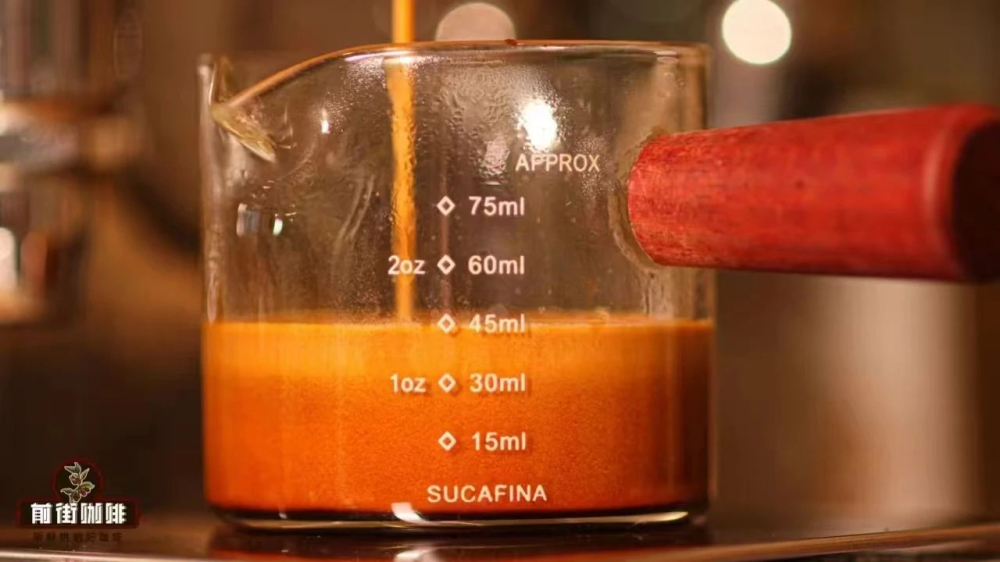
Looking back at the history of coffee development, before espresso became widely popular, people mostly brewed coffee via drip or immersion methods — processes that were slow and required longer waiting times. To improve efficiency, Italians invented a method of rapid extraction using high-pressure steam, which gradually evolved into the semi-automatic and fully automatic coffee machines we know today. Modern commercial-grade coffee machines typically provide stable pressure exceeding nine atmospheres, along with water heated above 90°C, making them key tools for crafting high-quality espresso.
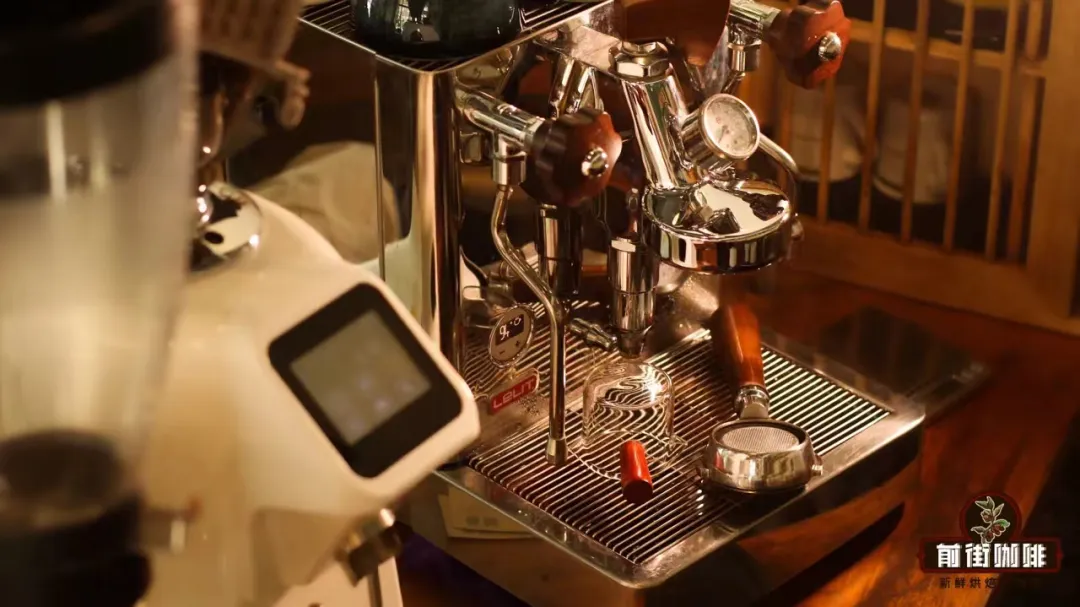
To extract an ideal espresso, you must control several core parameters, including:grind size, machine pressure, water temperature, dose distribution evenness, tamp pressure, coffee dose, extraction time, and extracted liquid weightamong others. For most machines, the pressure and water temperature are pre-set and not easily adjustable, while dose distribution and tamping rely more on the barista’s feel. For the average user, the four most commonly adjusted elements are:dose, extraction time, extracted liquid weight, and grind coarseness— these factors directly impact the flow rate, concentration, and flavor balance of the coffee.
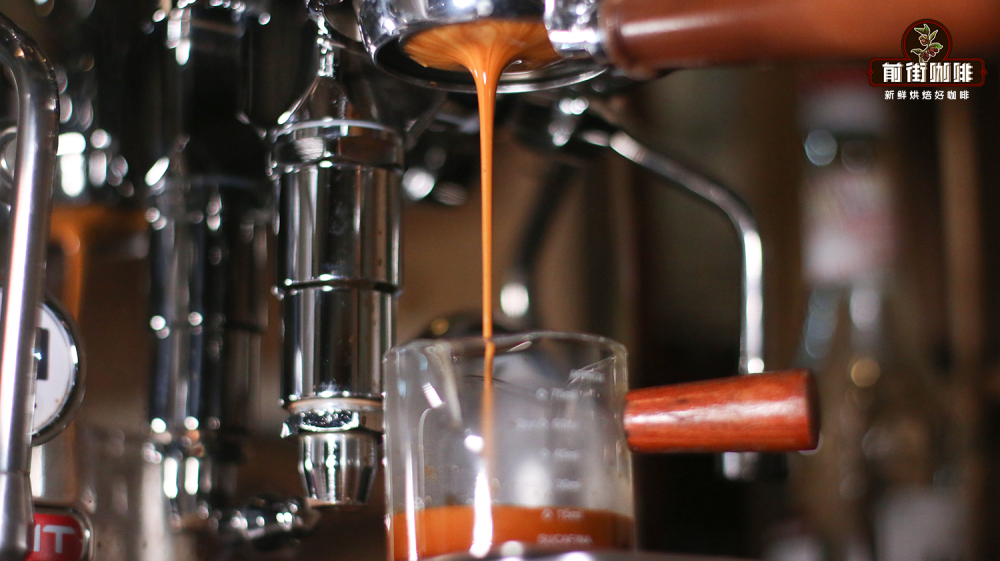
Among them,grind size is one of the most sensitive and critical variables. If the coffee is ground too coarse, water flows too quickly, leading to under-extraction and a coffee that may taste weak and lack complexity. Conversely, if the grind is too fine, resistance becomes too high, slowing or even clogging the water flow, which can lead to over-extraction, resulting in bitterness and off-flavors. Just a 1-gram difference in dose can cause the same liquid weight to extract several seconds faster or slower. Additionally, the uniformity of grind particles is crucial — if the grind is inconsistent in size, uneven puck density after tamping will cause some areas to be over-extracted while others are under-extracted, affecting overall flavor.
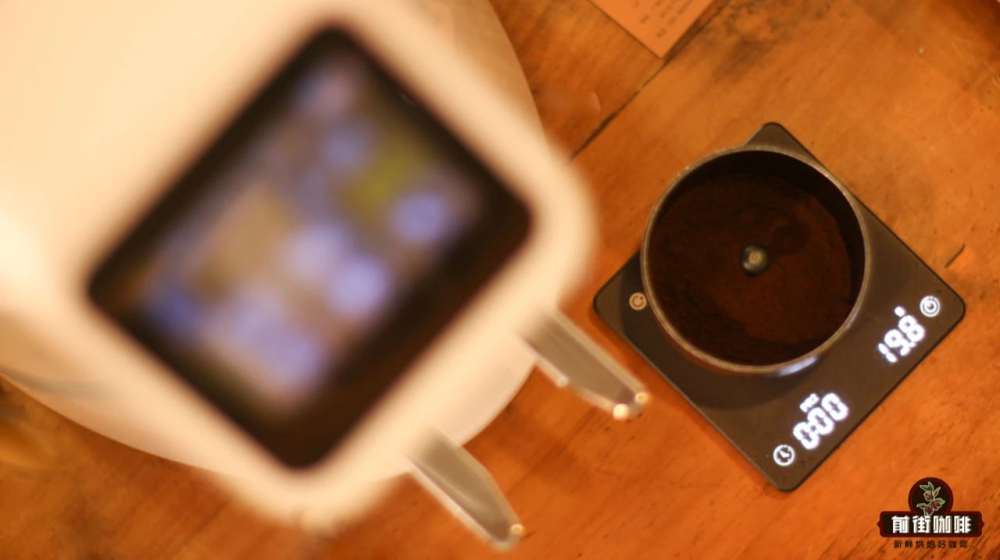
Another important concept isdose-to-yield ratio, which refers to the ratio of the amount of coffee grounds used to the final weight of the extracted liquid. A common standard ratio is 1:2 — for example, using 20 grams of coffee grounds to aim for 40 grams of extracted coffee. However, this is not absolute and still needs fine-tuning based on the characteristics of the coffee beans and individual taste preferences. Traditionally, baristas observe changes in crema color to judge the end point of extraction — starting dark brown, gradually turning golden, and if it eventually turns whiteish, it usually indicates that extraction is nearing completion and it's time to stop the machine.
The generally recommended espresso extraction time falls between 25 and 30 seconds. With a fixed dose-to-yield ratio, a shorter extraction time means fewer soluble substances are released, resulting in a relatively light flavor; extending the time extracts more substances but also risks over-extraction. If you want to adjust the time without changing the dose-to-yield ratio, you usually need to fine-tune grind size and dose to alter water flow resistance and extraction efficiency.
In practice, it’s advisable to start with a basic set of parameters — for instance, 20 grams of coffee, aiming for 40 grams of extracted liquid, with an extraction time of 26–30 seconds — and observe the flow rate and taste. If the flow is too fast, the coffee tastes weak, lacks aroma, or has a bitter finish, it may be under-extracted. You might consider increasing the dose or reducing the yield. If the flow remains too fast and the aroma is not pronounced, you may need to further refine the grind and extend the extraction time. On the other hand, if the flow is too slow, the coffee tastes overly bitter or has sharp acidity, it may be over-extracted. In this case, reduce the dose, adjust the grind coarser, allow the yield to increase, or shorten the time.

In summary, adjusting espresso requires repeated experimentation and tasting, keeping records of each parameter combination and corresponding flavor outcome to gradually find the best settings suited to your taste and the specific coffee beans. Although home coffee machines are generally less stable and have less precise pressure control than commercial machines, as long as you grasp the basic principles and adjustment logic, you can still consistently brew delicious, rich espresso.
The above content is compiled by CoffeeHunters, a coffee news website.


