








Introduction:Espresso is the base for many coffee beverages—rich, bold, and layered with complexity. This article delves into the brewing principles of espresso, key extraction parameters, classic flavor characteristics, and an analysis of its three-layered structure: crema, body, and heart. It also offers proper tasting methods and practical advice, helping both beginners and enthusiasts gain a deeper understanding of the artistry behind this iconic coffee drink.
Espresso originated in Italy, with the name meaning “pressed out quickly.” It refers to the process of extracting highly concentrated, oily coffee liquid from finely ground and tamped coffee using high-pressure steam in a short amount of time. This method preserves the aroma and flavors of the coffee while forming a golden layer of coffee oils (crema), resulting in a rich, balanced taste with harmonious acidity and bitterness—thus earning its reputation as the art of coffee.
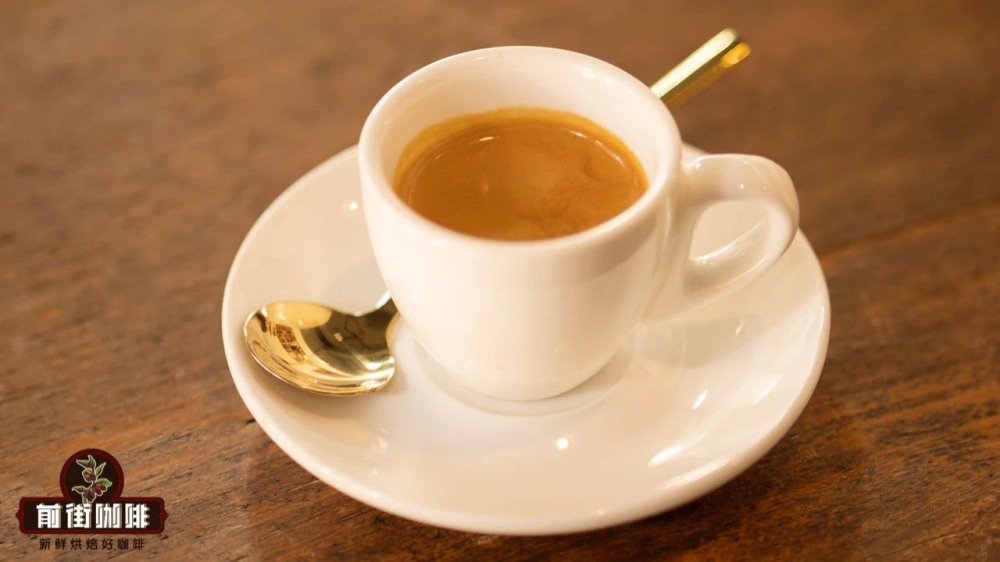
Espresso often serves as the foundation for various classic coffee drinks such as lattes, cappuccinos, macchiatos, and mochas, all of which are crafted using it as the base. Understanding its preparation and flavor profile helps one better appreciate the layers and variations in these derivative beverages.
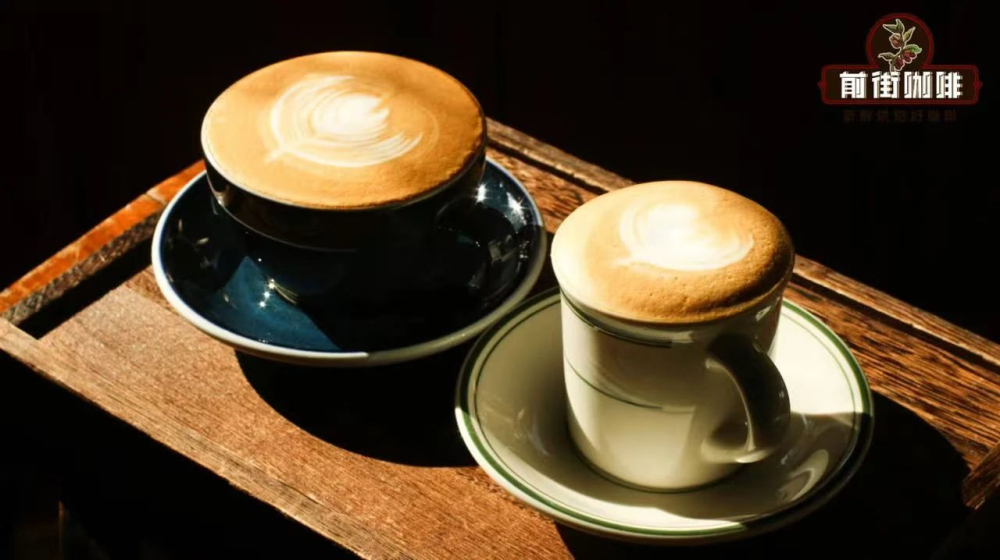
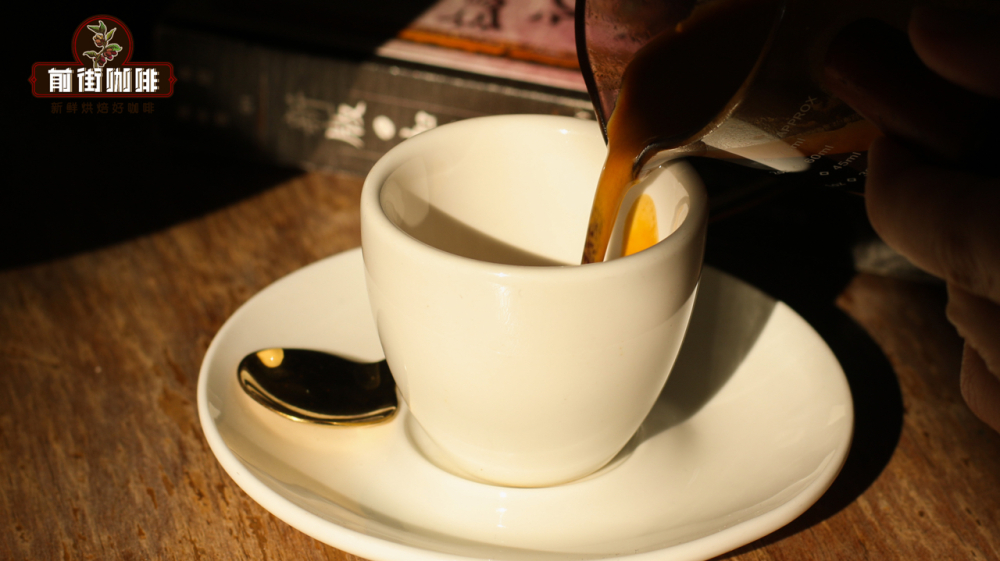
The quality of a good espresso can first be judged by the appearance of its crema, which ranges from golden to reddish-brown. Ideal crema should have a smooth, mirror-like glossy surface, about 3 millimeters thick. Too little coffee may lead to over-extraction, creating white spots that affect both appearance and taste. When sipped, espresso should feel rich and full-bodied, smooth without grittiness, with a distinct sweetness in the aftertaste—especially noticeable as a lingering sweetness at the back of the throat and on the tongue root.
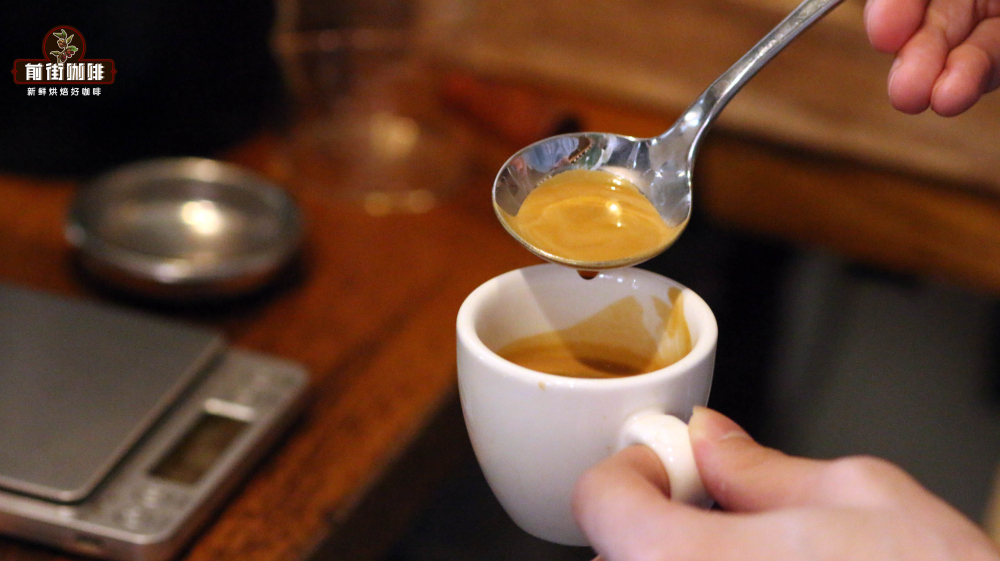
A standard serving of espresso is only 25 to 35 milliliters, originally designed for quick consumption. Particularly during Italy’s industrial era, the high-pressure espresso machine was invented so workers could rapidly recharge their energy. Even today, Italians still commonly buy a shot of espresso in the morning, standing at the bar to drink it in one go. However, for the average consumer, slowly savoring its flavor layers is also a rewarding experience—just be mindful not to let it sit too long, or the flavors may dissipate.

Espresso can be divided into three main layers: First is the crema (the foam layer), a golden to reddish-brown bubbly layer floating on top, formed by coffee oils and carbon dioxide under high pressure. It not only affects appearance but also relates to aroma release. Next is the body (the main part), which contains the core flavors of the coffee, offering a smooth, rounded, and slightly viscous mouthfeel—it’s the primary area for both aroma and taste perception. At the very bottom is the heart (the core), usually dark black, with a noticeable bitterness that balances the sweetness and acidity above, resulting in a more harmonious overall flavor.
With the rise of specialty coffee culture, more and more baristas are focusing on the diverse flavor expressions of espresso. By selecting freshly roasted, high-quality coffee beans and adjusting extraction parameters based on bean characteristics, espresso can showcase multi-layered flavors—from top notes to mid-palate and aftertaste—rather than just a single impression of bitterness. For instance, certain blends can bring out complex flavors in espresso such as berries, caramel, cream, and even wine notes, providing a richer taste experience.
When actually tasting espresso, it’s recommended to first cleanse your palate with a sip of ice water to help focus your taste buds. After the barista serves your espresso, you can gently stir it with a spoon to mix the crema and coffee liquid evenly. Then take three sips: the first to perceive the main flavors, the second to appreciate its rich texture, and the third to focus on the aftertaste and lingering notes. If you’re trying an espresso made with a blend like “Sunflower Warm Sun,” the first sip might bring berry-like acidity and hints of wine, the second a velvety smoothness and aroma reminiscent of vanilla cream, and the third a caramel sweetness with a nutty finish—revealing the nuanced layers of espresso.
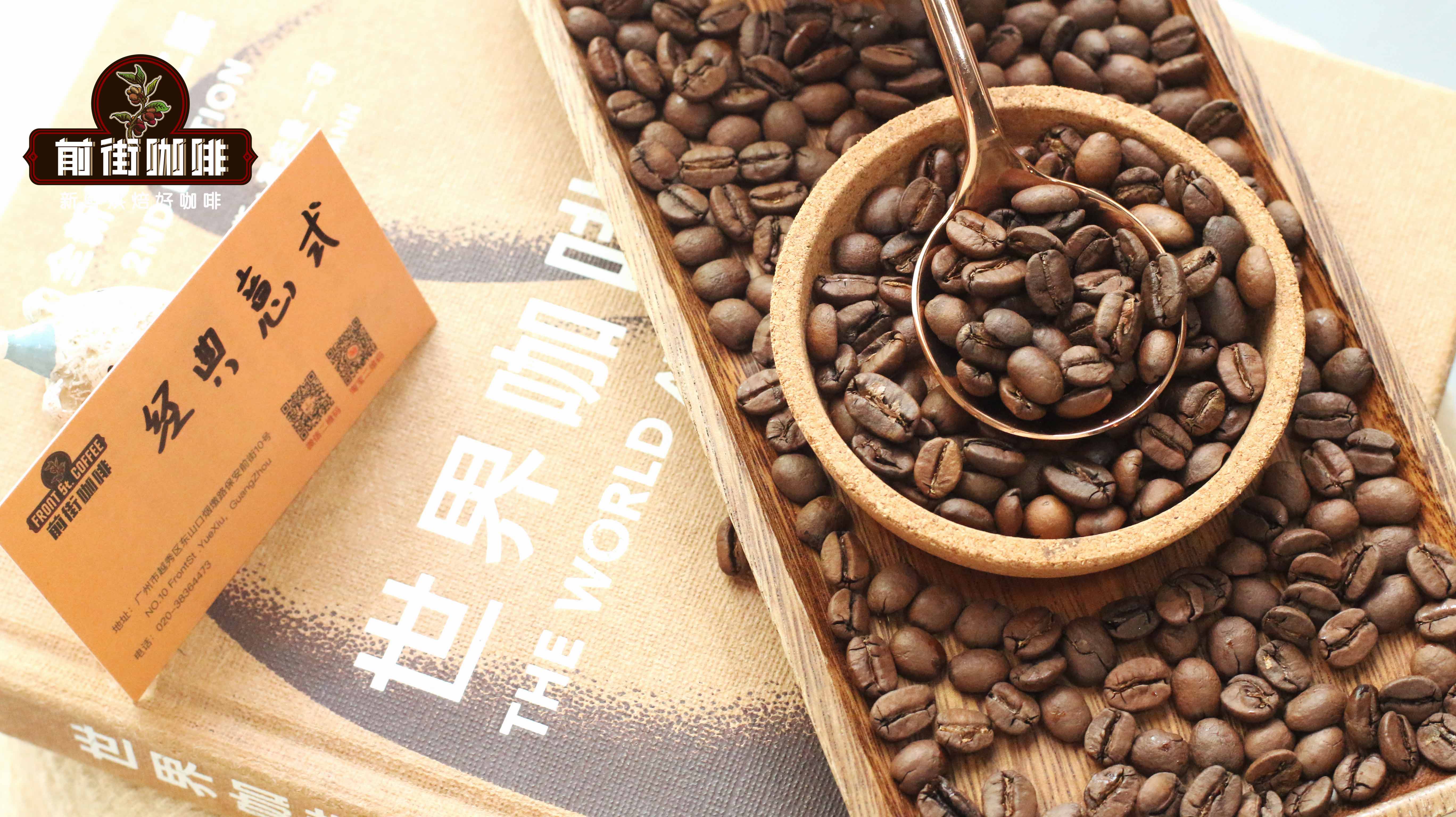
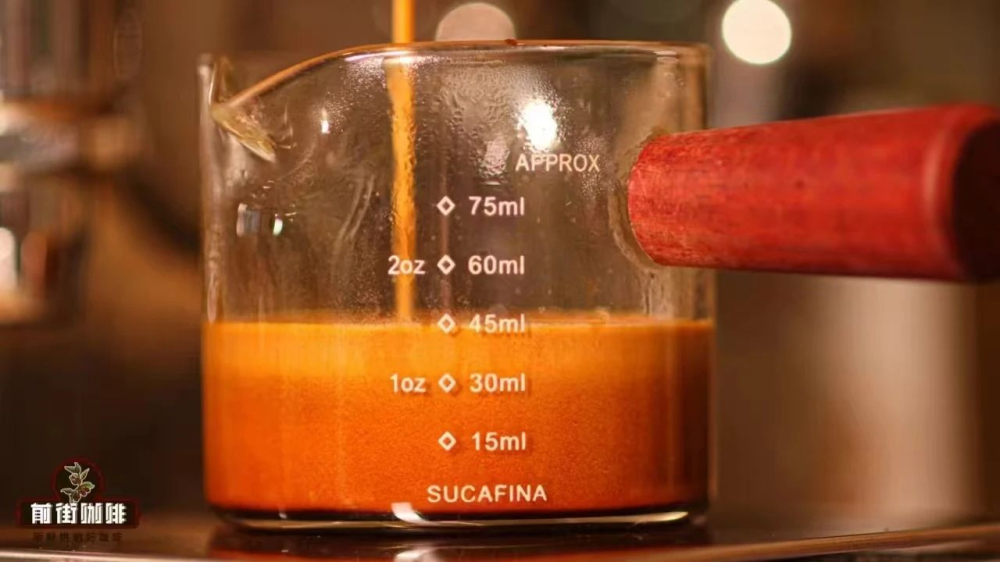
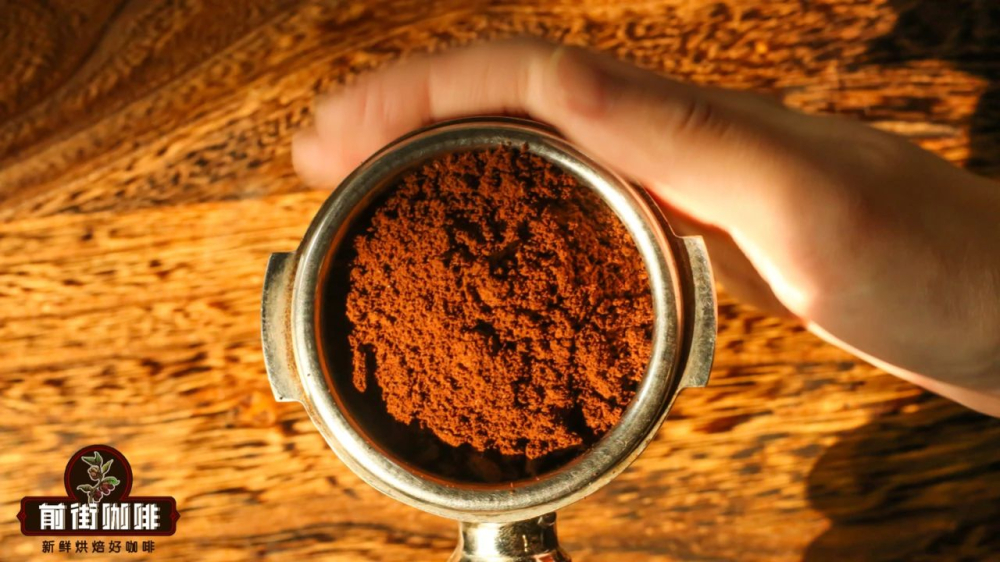
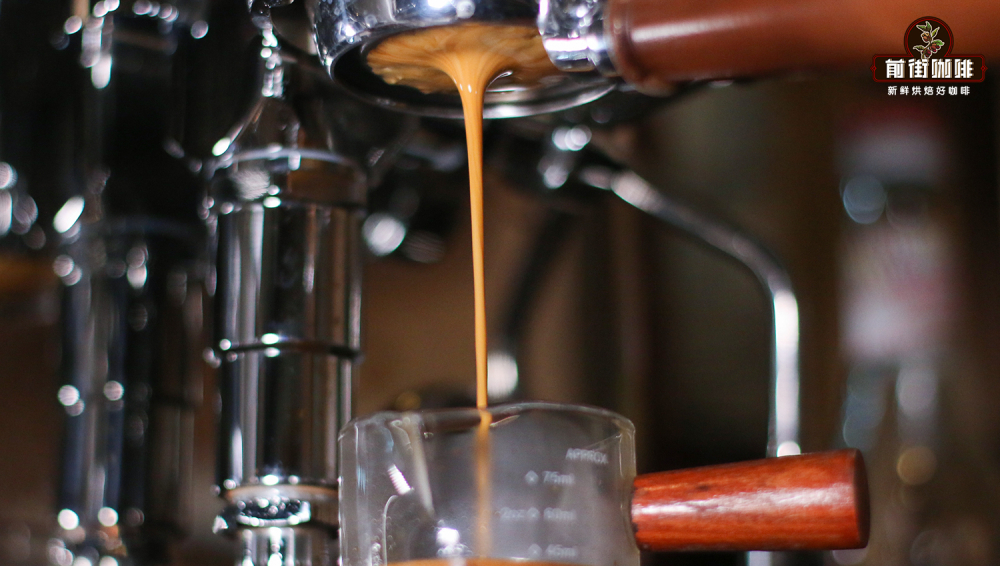
In terms of extraction, according to the Specialty Coffee Association (SCA) standards, a single shot of espresso typically uses 7 to 9 grams of coffee grounds, while a double shot (doppio) uses 14 to 18 grams. The extraction time is around 20 to 30 seconds, aiming to produce 25 to 35 grams of coffee liquid. Water temperature should be controlled between 90 to 96°C, with a pressure of 9 to 10 bar. However, in practice, factors such as equipment differences, roast levels, and origin characteristics of the beans can all influence the final flavor. Therefore, many baristas fine-tune the coffee-to-water ratio and grind size based on the actual situation to achieve the best extraction results.
For example, some shops may use 10 to 11 grams of coffee for a single shot, extracting 20 to 25 grams of liquid in about 22 seconds; a double shot might use 19 to 20 grams of coffee, extracting 35 to 40 grams of liquid in about 29 seconds. These figures can serve as references, but adjustments based on the specific equipment and bean variety used are still necessary to consistently achieve ideal flavors.
The above content is compiled by CoffeeHunters, a coffee news website.


