








Introduction:To brew an ideal espresso, the key lies in mastering the correct extraction ratio and selecting the right coffee beans. This article will delve into practical parameters such as standard coffee-to-water ratios, extraction times, and grind sizes for both single and double espressos, and recommend several coffee bean blends suitable for espresso. Whether you're a coffee beginner or a barista looking to refine your skills, you’ll gain useful adjustment techniques and brewing inspiration.
EspressoSince its inception, it has become a cornerstone of global coffee culture and the base for many classic drinks such as cappuccino and latte. To make an espresso with balanced flavor and concentrated taste, the key is to control preciseextraction ratiosand choose appropriatecoffee beans.
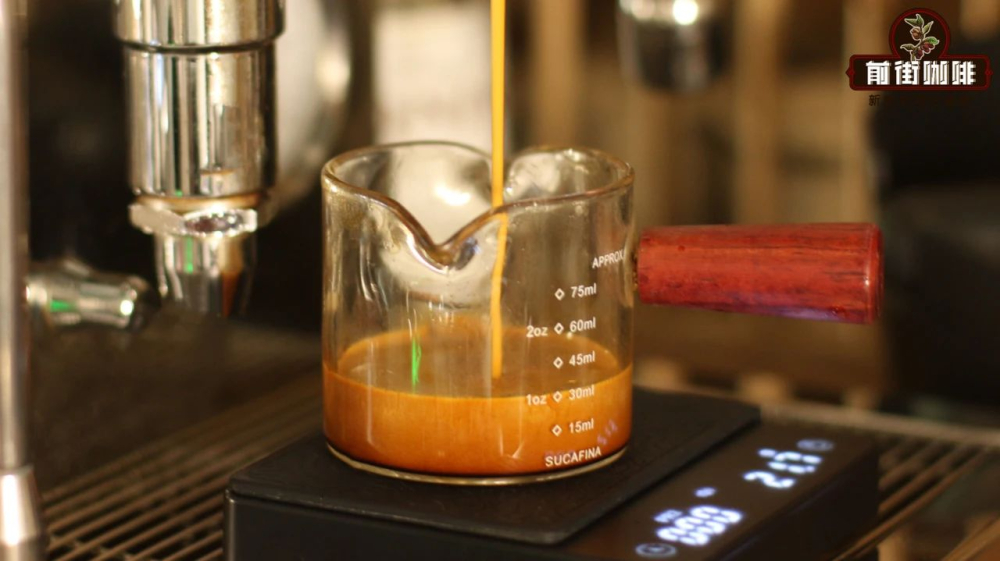
Traditionally,a single shot of espressouses about 8 to 9 grams of coffee grounds and extracts 25 to 35 milliliters of coffee in 25 to 35 seconds, with a coffee-to-water ratio of roughly 1:1 to 1:3, depending on the extraction results.A double shot of espressodoubles the coffee amount, using 18 to 20 grams of coffee grounds to extract 55 to 65 milliliters of coffee in the same time frame, maintaining a coffee-to-water ratio of around 1:1 to 1:3. This ratio ensures sufficient extraction, delivering rich and layered flavors.
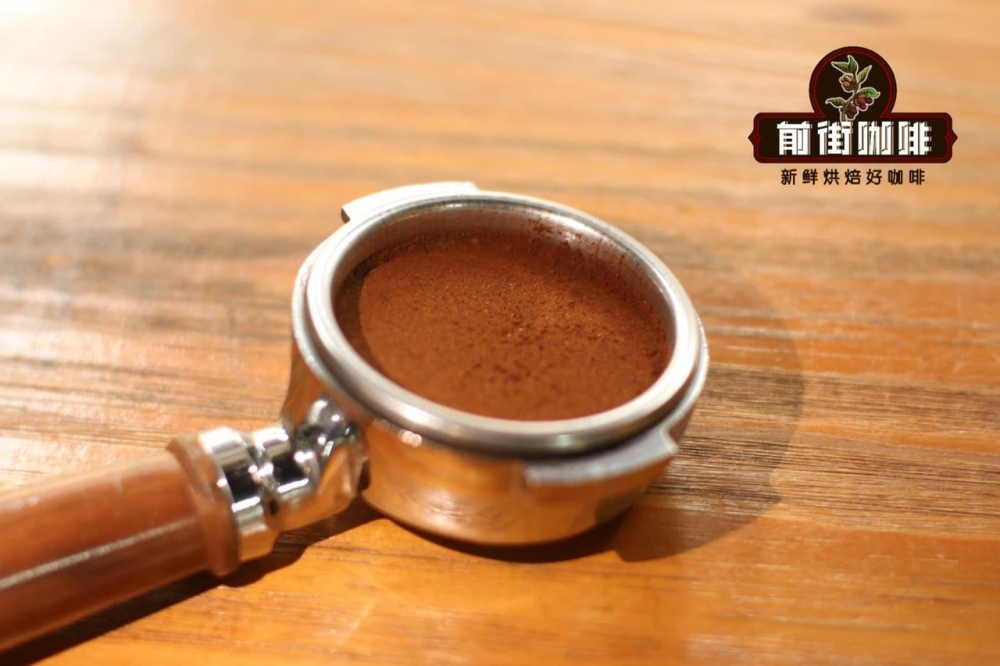
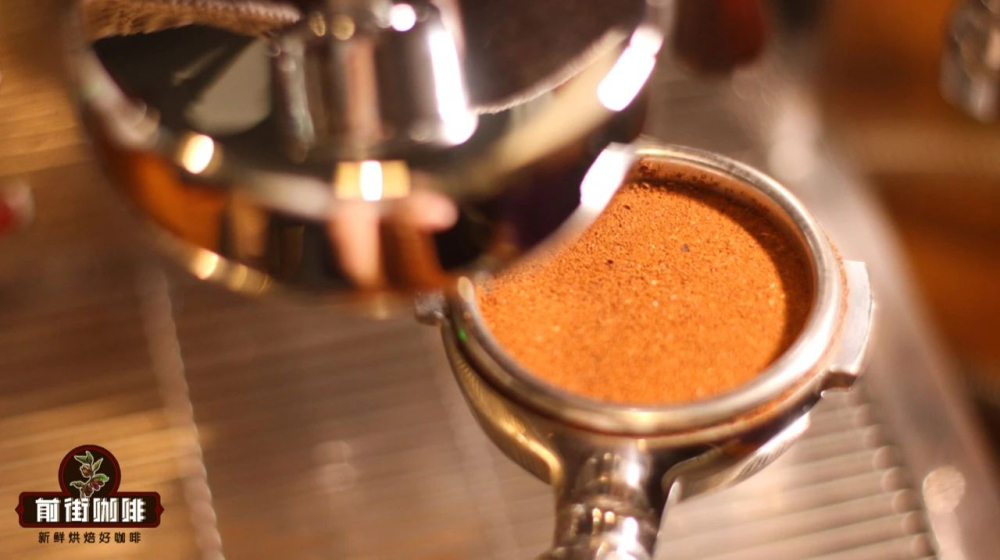
In practice, using a weighing tool allows for more accurate control of the coffee-to-water ratio. Place the portafilter on the scale and tare it, then add an appropriate amount of coffee grounds according to theportafilter basket size—pay attention to the base line inside the basket to avoid over-tamping or using too coarse a grind, which can cause channeling. A fine grind is recommended, similar in texture to flour, typically set between 1 and 1.5 on an espresso grinder, and then fine-tuned based on actual extraction time and flow rate.
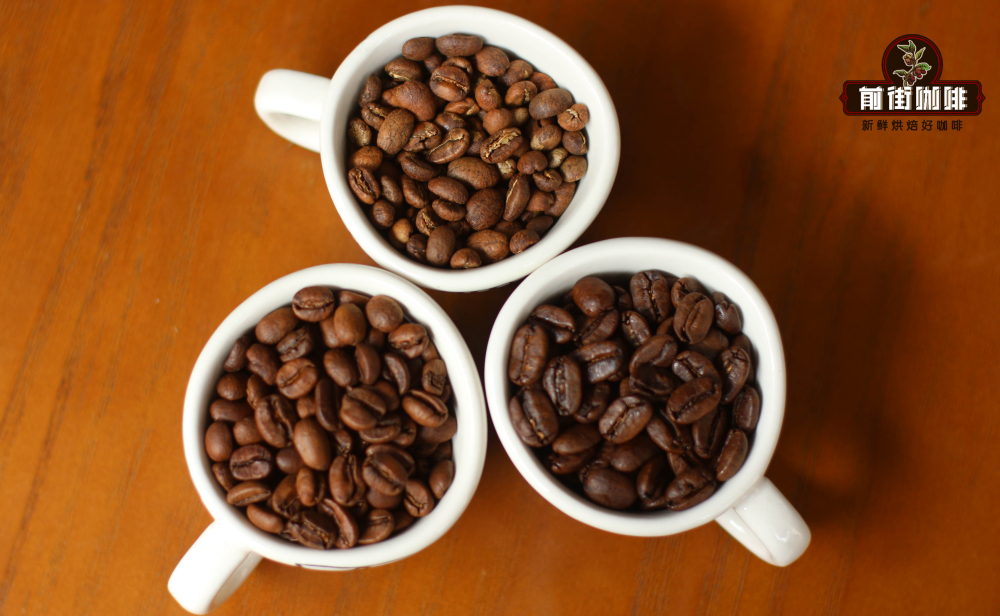
Choosing coffee beans suitable for espresso is crucial. Since espresso machines use high pressure to extract, they amplify the inherent flavors of the beans, sooverly light roasts can easily result in excessive acidity, affecting overall flavor balance. Generally,medium-dark to dark roast blends or single-origin blendsbetter highlight rich chocolate, caramel, and nutty notes, and blend smoothly with milk or water to create palatable drinks.
For example, a common and popular blend might include beans from Central and South America, such as Brazil and Colombia, sometimes with a touch of Robusta to enhance crema and body. Such blends usually emphasizelow acidity, high richness, and a sweet aftertaste, making them perfect for pairing with milk and ideal for classic coffees like lattes and cappuccinos.

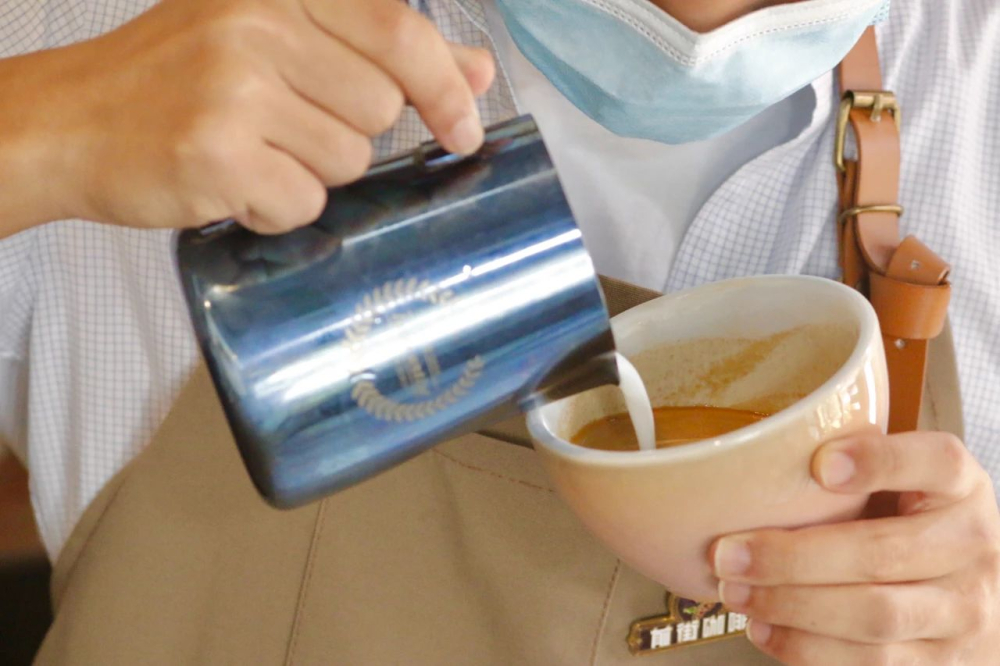
When it comes to the ratio of milk to espresso, taking a latte as an example, a common formula is between 1:3 and 1:6—for instance, using 40 grams of espresso with 240 to 260 grams of steamed milk. This ratio achieves a balanced integration of creamy foam and coffee, softening the strong flavor of the coffee while preserving its core aroma and sweetness.
In summary, to make a successful single or double espresso, besides strictly controllingcoffee dosage, extraction time, water temperature, and grind size, choosing a well-balanced coffee bean that suits high-pressure extraction is key. Whether you’re just starting out or aiming to improve your espresso skills, mastering these basic parameters and bean characteristics can significantly enhance your brewing performance at home or in a professional setting.


The above content is compiled by CoffeeHunters, a coffee news website.


