







Introduction:In recent years, SOE (Single Origin Espresso) has gradually emerged in the coffee market. Many coffee enthusiasts have begun to wonder about the differences between it and traditional blended coffee, and some even want to try brewing it using the pour over method. This article provides an in-depth analysis of the definitions of SOE and blended coffee, their roasting and flavor characteristics, the feasibility of pour over brewing, and why SOE is generally more expensive—helping you make a smarter choice based on your taste preferences.
With the growing trend of specialty coffee, more and more cafés are offering drinks based on SOE (Single Origin Espresso). The so-called SOE refers to espresso made exclusively from coffee beans sourced from a single origin, in contrast to the more common blended coffee. Blended coffee is typically a mix of beans from different regions with varying flavor profiles, aiming to create a balanced and consistent espresso experience.
In the early days of espresso culture, most cafés actually used single origin coffee beans, although the origin was not particularly labeled or emphasized at the time. However, as global coffee supply increased, some regions began to show inconsistencies in coffee quality and flavor performance. To maintain a stable taste and quality for espresso, many roasters shifted to blending beans from different regions in specific proportions. It wasn’t until the rise of the specialty coffee movement, when consumers began to pursue coffee traceability and unique flavors, that SOE once again took center stage.

Many coffee beginners may wonder: Can SOE coffee beans be used for pour over brewing? The answer is yes. As long as they are high-quality single origin beans, with proper grind adjustment and brewing parameters, SOE beans can definitely showcase the unique flavor layers of their origin—such as bright acidity, floral notes, or rich sweetness. With the right water temperature, grind size, and brewing time, an SOE pour over can be a cup of coffee with distinct and layered flavors.
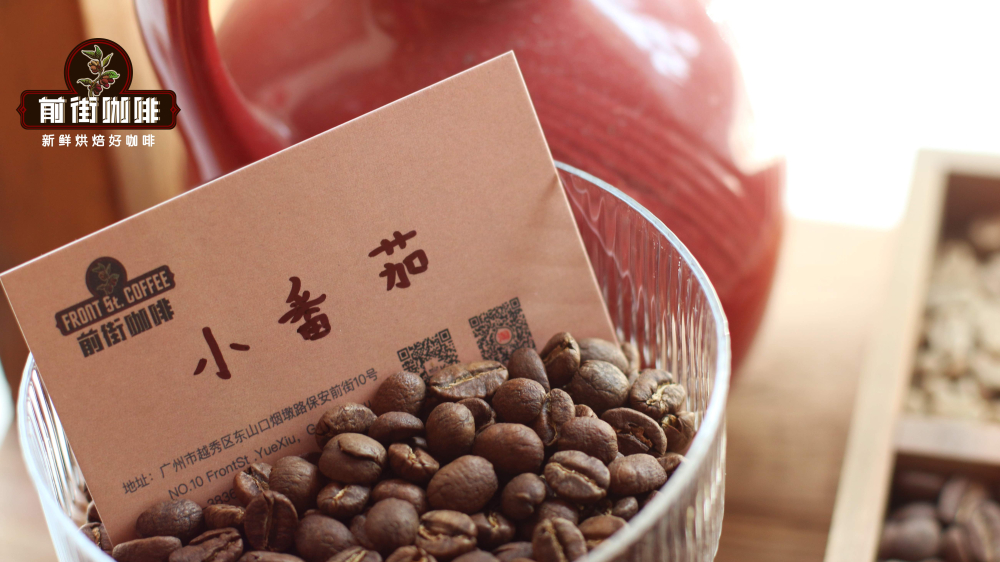
When it comes to the flavor characteristics of SOE coffee, its greatest appeal lies in its ability to highlight the unique personality of a single origin. For example, lightly roasted SOE beans often present bright acidity and fresh floral notes, such as tropical fruit tones like strawberry or passionfruit. Meanwhile, medium-dark or dark roasted SOEs may exhibit rich chocolate, nut, and caramel aromas, delivering a warm and full-bodied taste. This concentrated flavor expression is the biggest difference between SOE and regular blended coffee.
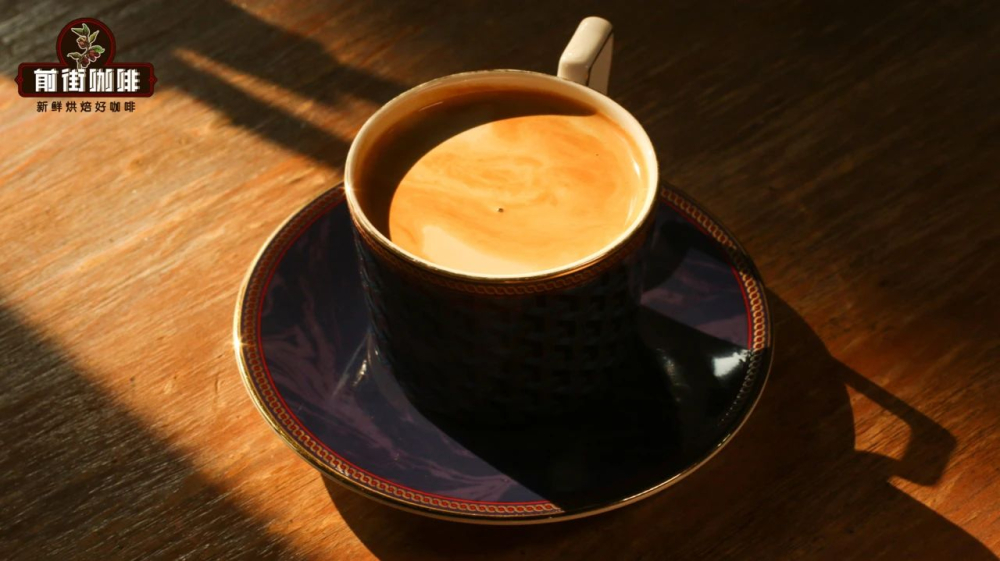
Is SOE coffee necessarily better than blended coffee? There’s no absolute answer. Since SOE emphasizes highlighting the original flavors of a single origin, roasters often don’t roast the beans too dark. This also makes certain delicate flavors more sensitive during extraction—slight mishandling can amplify astringency or sharp acidity. In contrast, blended coffee, through the combination of multiple beans and the experienced adjustments of roasters, usually offers a more balanced and aromatic taste, suitable for drinkers who prefer consistent flavor profiles.
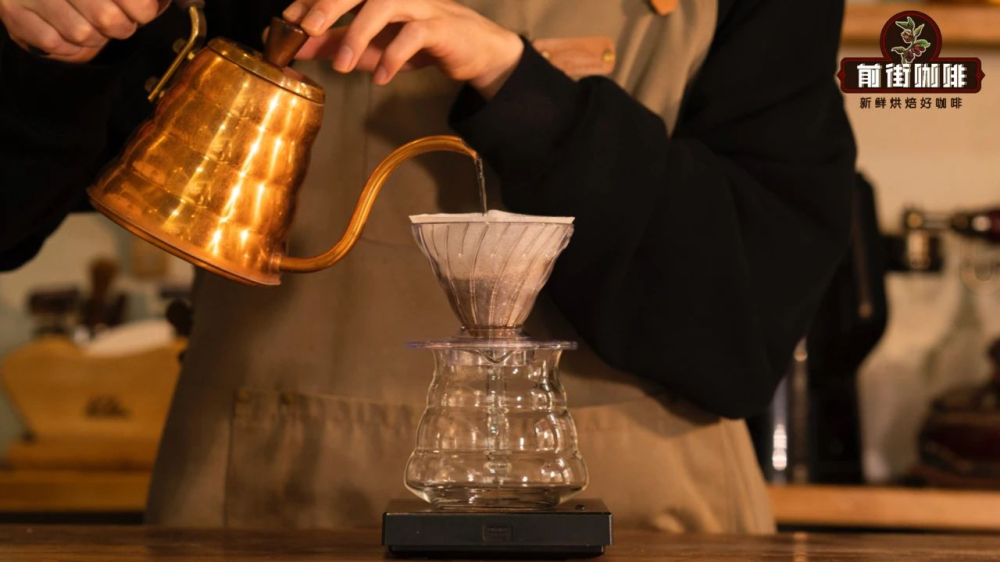
If you want to try SOE coffee, here are a few points to consider when selecting: First, check the roast date of the beans—freshly roasted beans (it’s recommended to let them rest for 4–7 days after roasting, after which they enter their peak flavor period) retain their flavor characteristics to the greatest extent. Second, pay attention to whether the roast level matches your preferred flavor type: light roasts are suitable for those who enjoy fruity acidity and floral notes, while medium-dark or dark roasts are better for those who prefer intense roasted aromas and full-bodied tastes. Additionally, the brewing method (such as pour over, espresso, French press, etc.) will also greatly affect the final flavor presentation. It’s recommended to adjust the brewing parameters according to the beans’ characteristics.
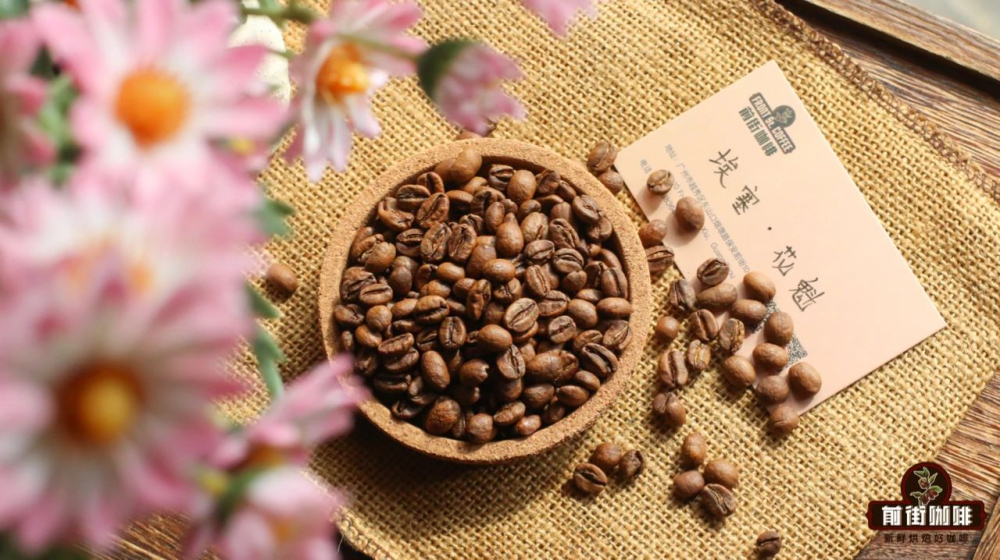
In summary, both SOE and blended coffee have their own charm and suitable scenarios. If you’re a drinker who enjoys exploring the unique flavors of different origins and seeks layered coffee experiences, SOE can offer you a refreshing new experience. But if you prefer a stable, balanced, and aromatic coffee taste, blended coffee remains a classic and solid choice. No matter which you choose, understanding the origin of the beans, the roasting method, and the appropriate brewing technique are key to enhancing your coffee tasting experience.
The above content is compiled by CoffeeHunters, a coffee news website.

