








Introduction:Have you ever seen an option on a coffee menu that says “Upgrade to SOE for an additional cost” but weren’t sure what it meant? This article will take an in-depth look at the origins, characteristics, and key elements of SOE (Single Origin Espresso), helping you understand how single-origin espresso highlights regional flavors. We’ll also explore the differences and pros and cons between SOE and common blends, so you can make more informed choices next time.
Definition of SOE: What is Single Origin Espresso?
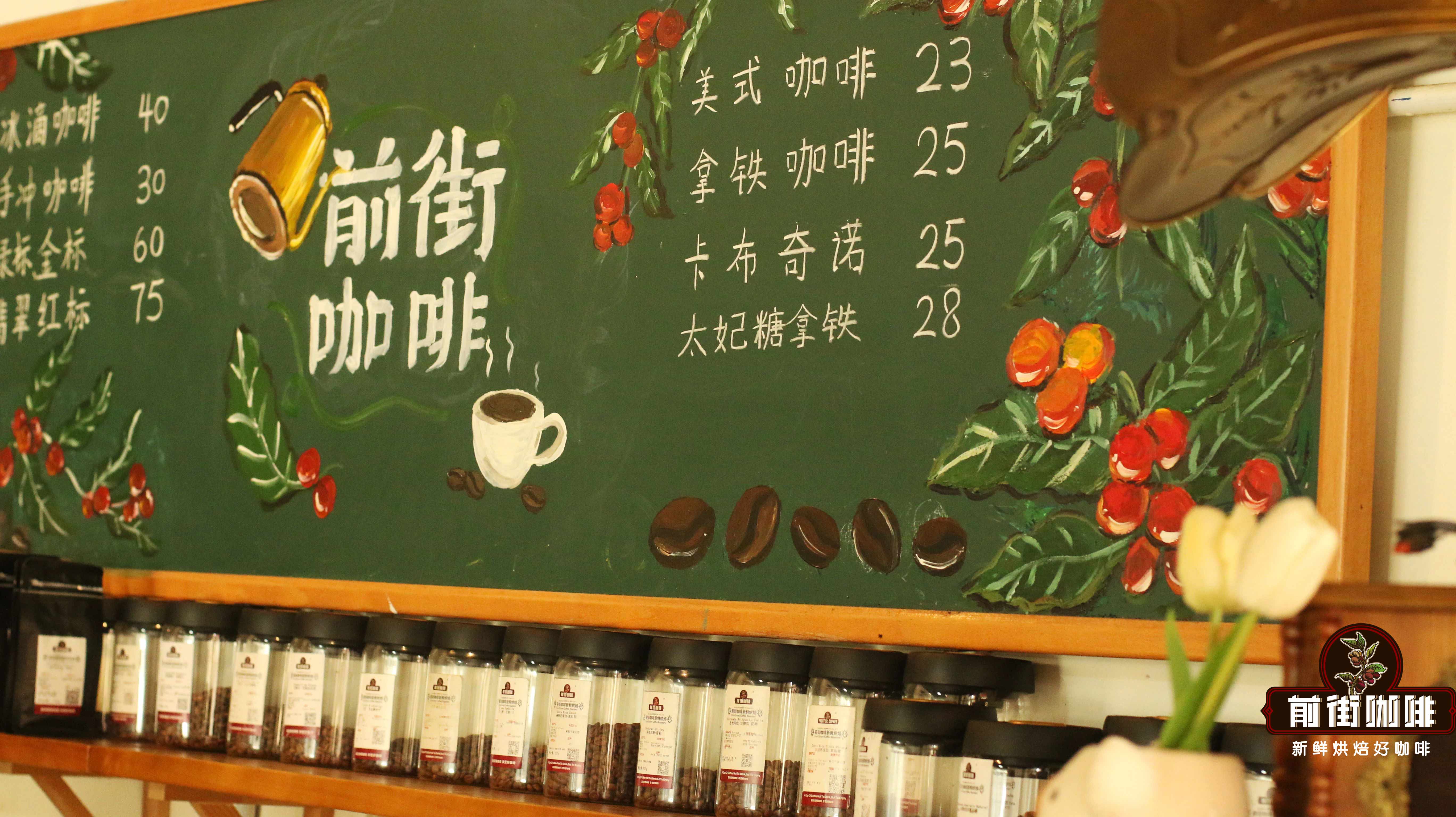
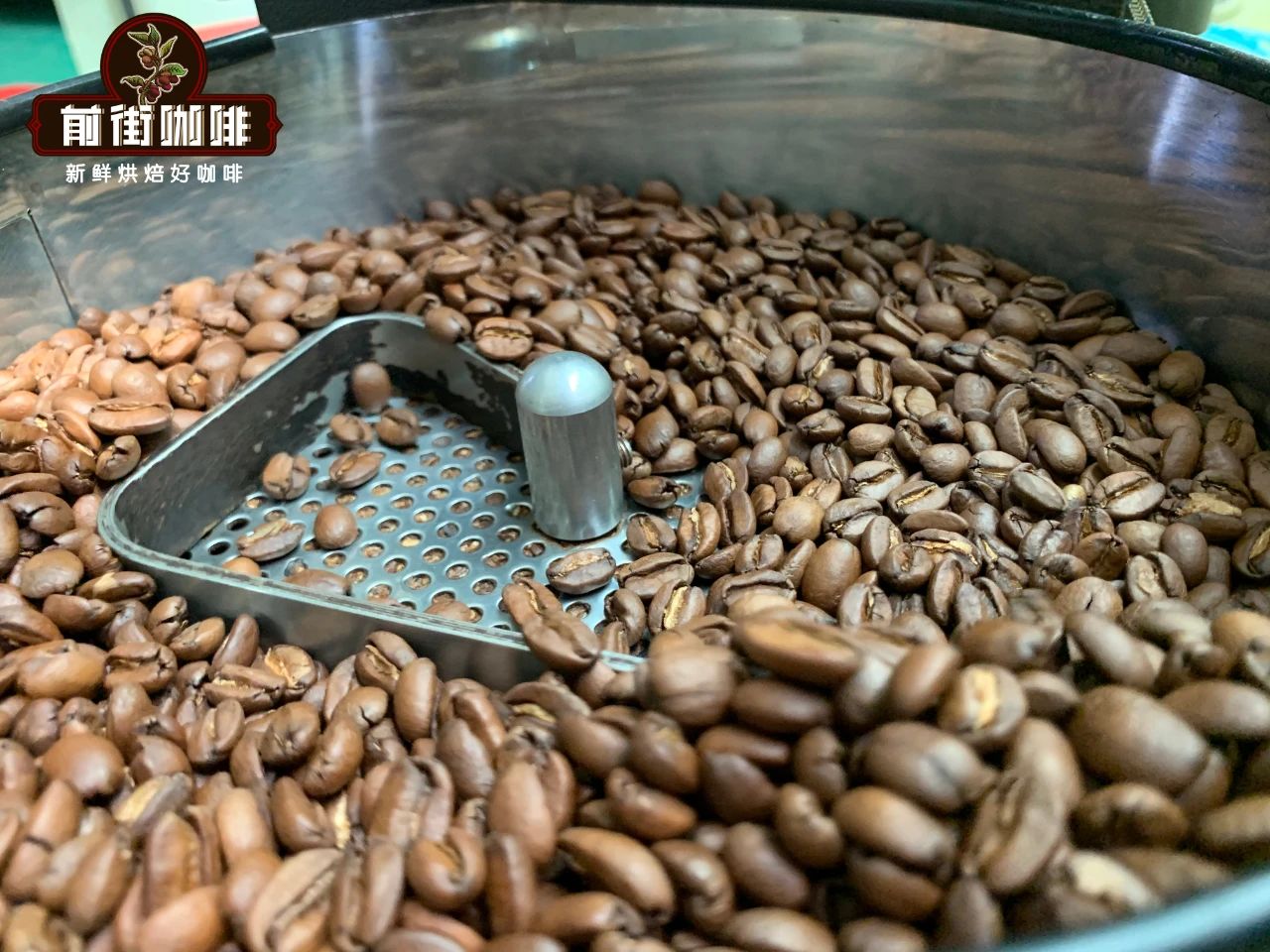
SOE is short for “Single Origin Espresso,” which means using coffee beans from a specific origin to brew espresso. Unlike traditional blends, the goal of SOE is to highlight the unique flavor characteristics of that particular origin — such as bright acidity, floral and fruity notes, or rich sweetness and spice tones.
Compared to blends that aim for balance and consistency, SOE is more about showcasing the “personality” of the coffee itself. It allows consumers to experience distinct flavors from various regions such as Ethiopia, Colombia, or Guatemala, which is one reason it has gained popularity among both pour over and espresso enthusiasts.
The Origins and Popularity of SOE
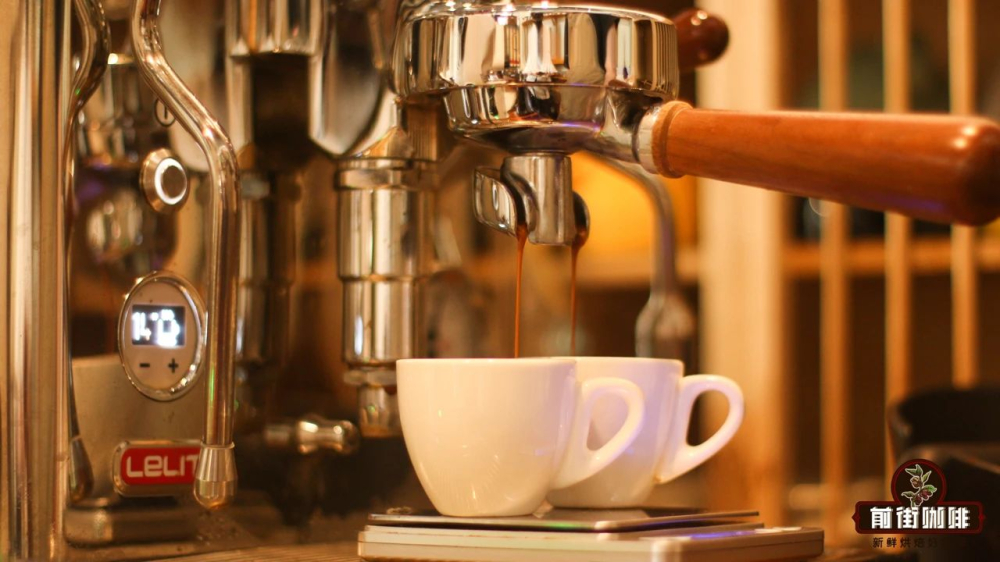
The rise of SOE can be traced back to the growth of specialty coffee culture in recent years. With the advancement of the third wave of coffee, consumers are no longer satisfied with coffee that merely “wakes them up” — they now seek detailed flavor profiles and the stories behind the origins. While single-origin beans were traditionally used mostly for pour over, improvements in roasting techniques and the influence of coffee competitions have led many baristas to experiment with using single-origin beans for espresso, giving birth to the concept of SOE.
Especially during the World Barista Championship, competitors using single-origin beans to showcase unique flavor expressions drew public attention to the potential of SOE, prompting many cafés to follow suit and offer their own SOE options.
Is SOE Considered Specialty Coffee?
The definition of specialty coffee originated in the 1970s, proposed by Ms. Erna Knutsen. It refers to coffee beans grown in unique microclimates and geographical environments, possessing distinct and pleasant flavors. These beans typically come from high-altitude, carefully processed regions, and exhibit clear and defined regional characteristics.
In contrast, single-origin coffee generally refers to beans sourced from a single region or farm, but this does not guarantee that they meet specialty grade. For example, Indonesia’s Lintong Mandheling is a single-origin coffee, but if its cupping score is below 80, it is not considered specialty coffee. Therefore, although SOE often uses single-origin beans, it can only be classified as specialty coffee when the quality meets certain standards.
Advantages and Challenges of SOE
The greatest appeal of SOE lies in its ability to clearly express the flavor characteristics of a particular region. For example, Ethiopian Yirgacheffe might exhibit prominent notes of lemon, blueberry, and floral, while Colombian beans often feature caramel, nutty, and chocolatey tones. However, whether these features are perfectly presented in espresso depends on the precision of the roast and extraction.
Due to the concentrated nature of espresso, any flaws or flavor imbalances are magnified. Therefore, the roast profile of SOE needs to be carefully designed. Roasting too light may result in sharp acidity and astringency, while roasting too dark could suppress the flavors, leaving only a dull bitter taste. This makes roasting SOE not only about showcasing the bean’s inherent qualities, but also about meeting the extraction needs of espresso — a technical and experiential challenge.
What’s the Difference Between SOE and Blended Coffee?
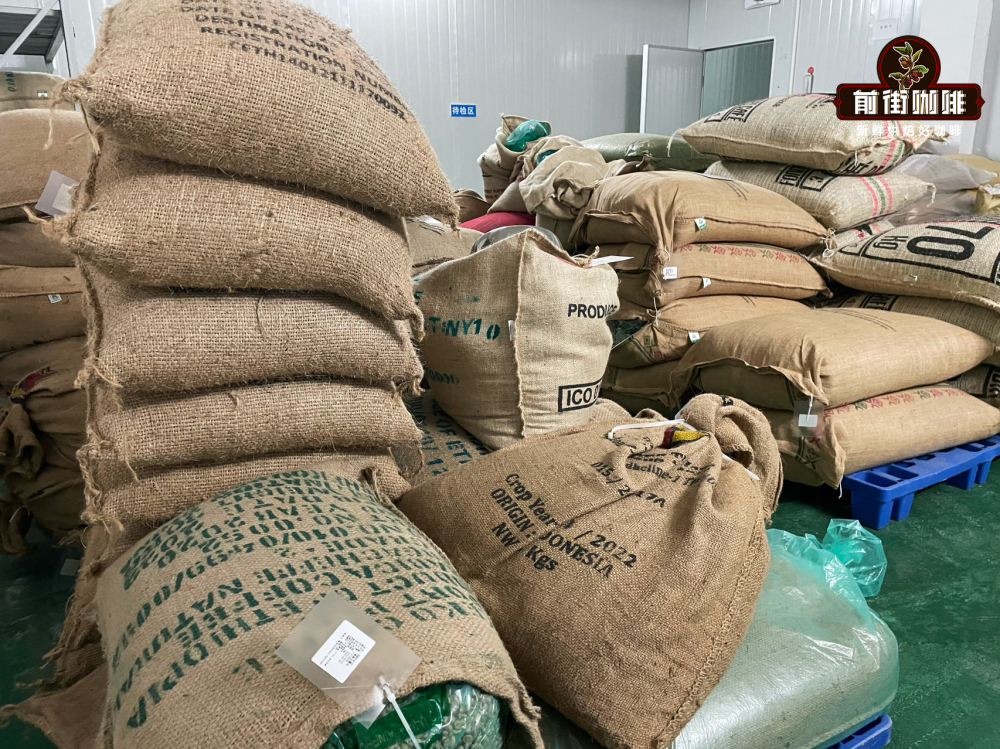
Blended coffee (Blend) usually combines beans from different regions in specific proportions to achieve balanced, stable flavors and control costs. Common blends combine the bright acidity of African beans with the rich body of beans from Central and South America to create a well-rounded coffee suited to most palates.
In contrast, SOE focuses on expressing the flavors of a “single origin,” making it ideal for consumers who want to deeply explore the characteristics of a particular coffee-growing region. Although SOE may offer more layered and memorable flavors, not every single-origin bean is suitable for espresso. As a result, cafés typically select only one or two stable and flavorful SOEs for customers to choose from.
Practical Tasting Experience: Flavor Profile of SOE
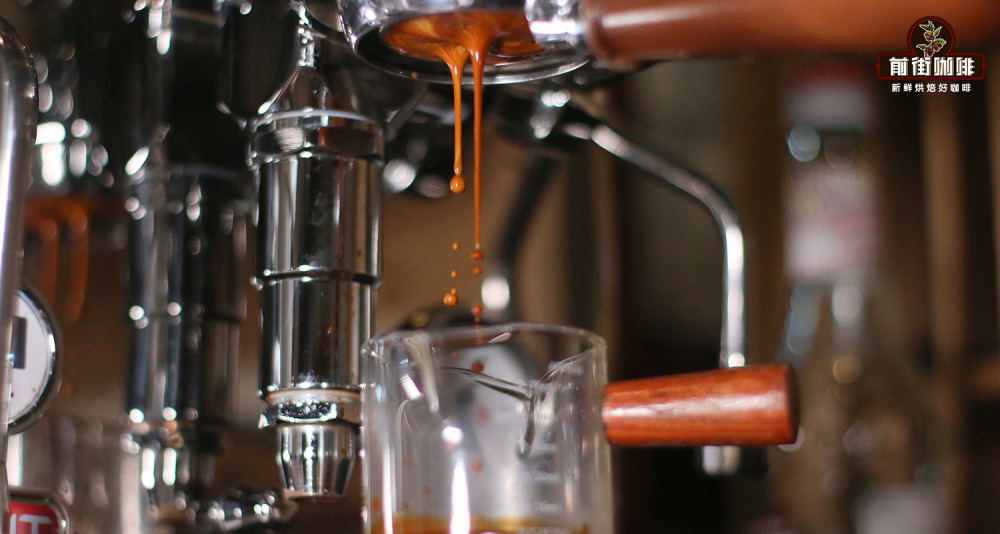
A well-brewed SOE coffee can deliver very distinct flavor impressions. For instance, a well-extracted Americano made with Yirgacheffe Gedeo Zone SOE often showcases bright citrus, soft floral notes, and a lingering honey-like sweetness — details that are harder to detect in typical bitter-sweet blends.
Additionally, SOE performs exceptionally well in drinks like lattes or cappuccinos. Even after blending with milk, the espresso retains clear fruit or floral notes in the aftertaste — something many mediocre blends struggle to achieve.
Is SOE Always Better Than Blended Coffee?
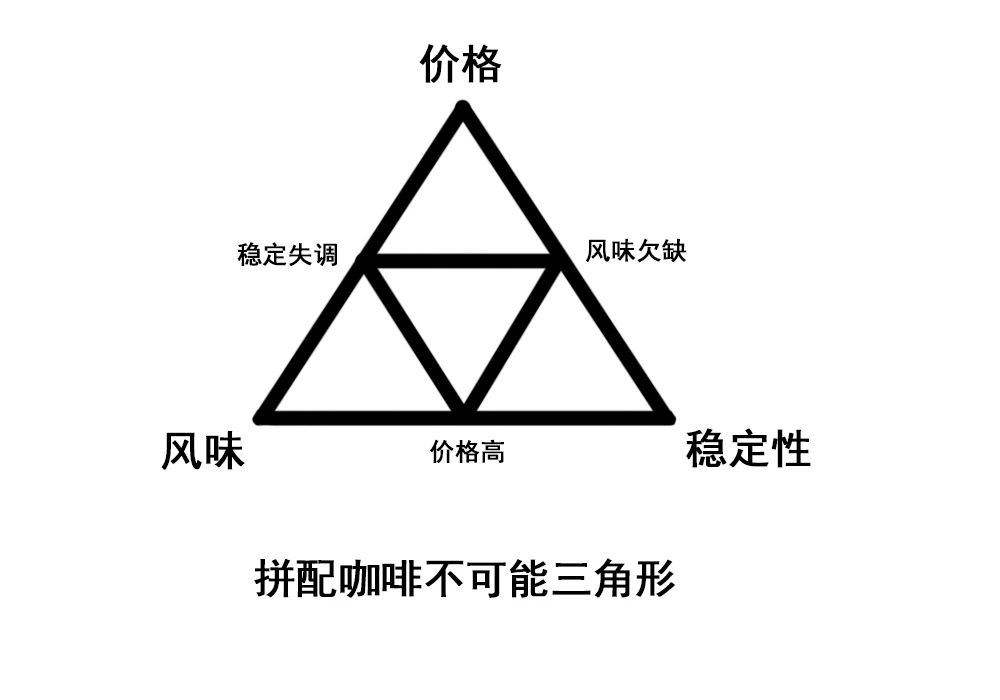
Although SOE often delivers more distinctive flavors, it doesn’t mean it’s superior in all situations. Blends are carefully crafted to balance stability, price, and overall taste, making them suitable for everyday drinking or commercial use. Meanwhile, SOE, due to the need for high-quality single-origin beans and higher roasting and extraction standards, is usually priced higher.
Some coffee brands have tried using high-character SOEs (such as sherry cask-fermented beans) for espresso, but found that while they offered intense wine-like aromas, they lacked sweetness and complexity. In the end, blending them with beans from other origins resulted in more balanced and richly flavored espresso profiles.
Conclusion: The Future Trend of SOE
The rise of SOE reflects modern consumers’ pursuit of personalized coffee flavors, and has driven innovation in roasting and brewing techniques among roasters and baristas. As the demand for high-quality coffee grows, SOE will continue to be an important part of the specialty coffee scene — not only redefining the possibilities of espresso, but also adding more layers and depth to coffee culture as a whole.
The above content is compiled by CoffeeHunters, a coffee news website.

