







Introduction:Why is it that when you walk into a café, you often see pour-over kettles but rarely siphon or French press setups being used to brew single-origin coffee? This article delves into the core reasons why professional cafés favor pour-over brewing, exploring six key advantages—from flavor expression and ease of use to controllability—while also explaining the appropriate use cases and differences of other brewing methods. This will help readers understand the professional logic behind equipment choices and grasp how to select the right brewing tool for their needs.
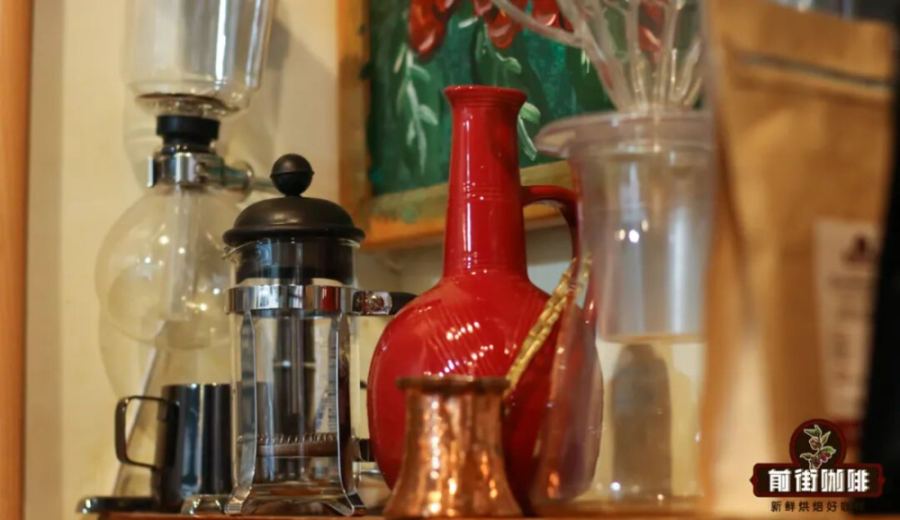
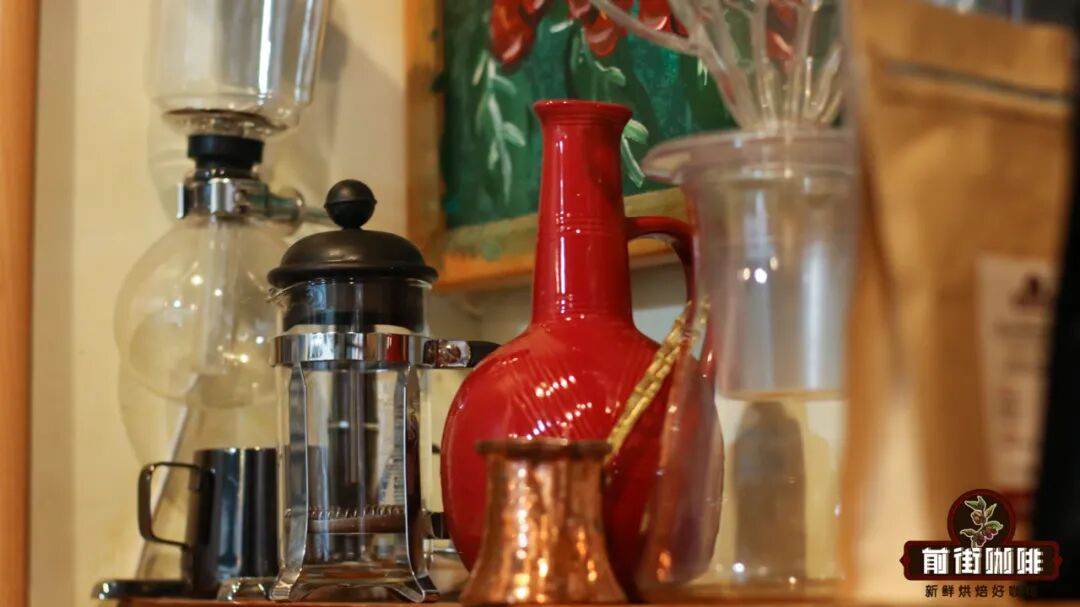
“Small but complete in every way.” Many customers visiting a certain physical store often describe it this way—within this modest space, aside from displaying various coffee beans sold online, the corner is filled with all kinds of brewing equipment: siphon pots, French presses, clever drippers, Turkish coffee pots, and even traditional Eritrean brewing devices...
As a result, people often curious ask: “Can these devices be used to brew single-origin coffee?” When the answer is no, they then follow up with: “Is it because pour-over tastes better?” or “Why do professional cafés all use pour-over for single-origin?” In fact, many online readers are also curious about this. Below, we’ll explain in detail why pour-over is the preferred method for brewing single-origin coffee.
The foremost reason is that pour-over coffee can be called a “six-sided warrior”—though not necessarily excelling in every single aspect, its overall performance is best suited for showcasing the characteristics of single-origin coffee. Compared to other brewing methods, it achieves the best balance across multiple dimensions such as flavor, convenience, efficiency, control, enjoyment, and visual appeal, making it the top choice for professional cafés.
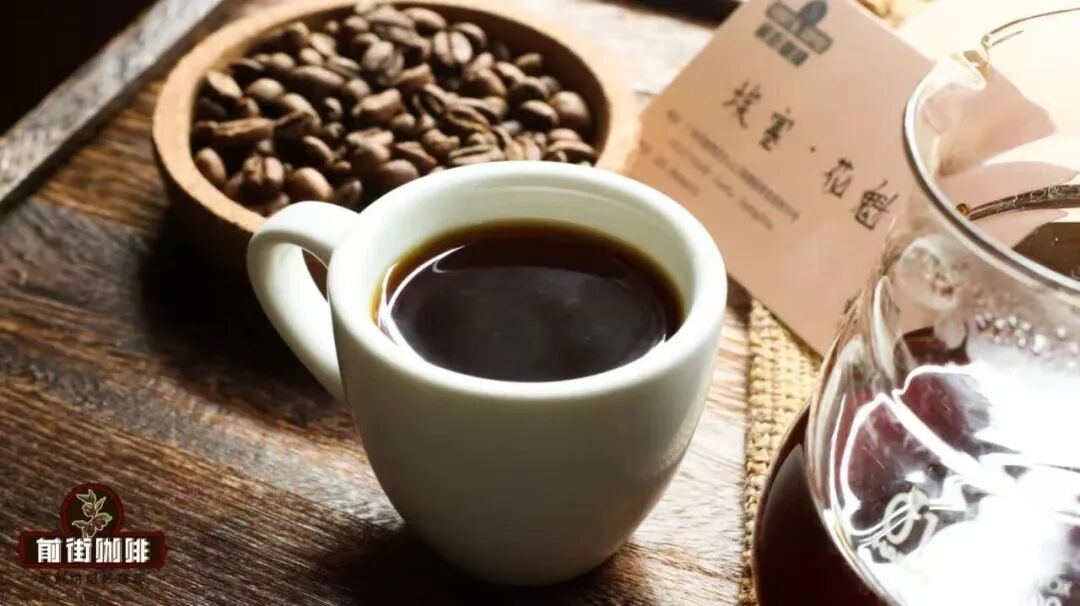
Let’s start withflavor expression. Since the rise of the specialty coffee concept in the 1990s, the industry has emphasized highlighting flavor at every stage—from cultivation and roasting to extraction. Pour-over is a drip filtration method that naturally presents coffee’s layered and complex flavors. For example, take the “Ethiopia · Huakui” bean from a certain menu; using the pour-over method brings out clear notes of strawberry, floral, cream, and citrus, with a balanced sweet and sour profile and a refreshing mouthfeel, offering a distinct and easily recognizable flavor profile.

In contrast, immersion-style brewers such as the French press, while capable of producing a richer body and more balanced taste, generally offer slightly less clarity and layering in flavor (no offense meant, just a difference in characteristics). More importantly, while other brewers may improve flavor through parameter adjustments, pour-over not only excels in flavor expression but also boasts several additional practical advantages.
Next isease of operation and cleanup. Pour-over equipment is simple—you only need a pouring kettle and paper filter along with a filter cone to begin brewing. The process involves no complicated steps, and once brewing is done, since the paper filter is disposable, you can simply lift it out along with the coffee grounds and discard them, then rinse the filter cone and vessel with water. The entire process is quick and effortless, saving significantly more time and labor compared to other methods.
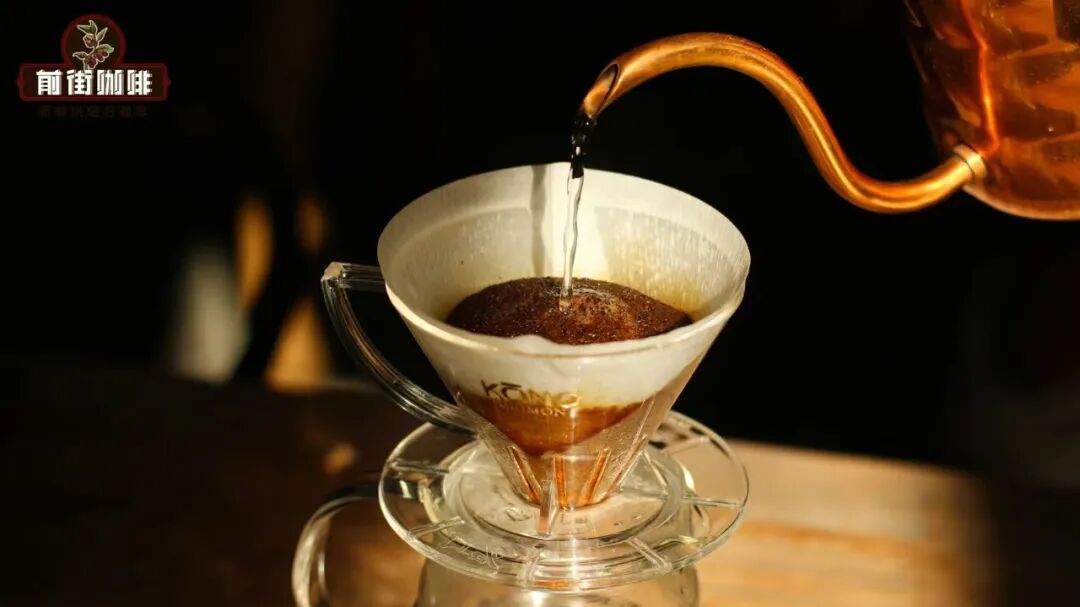
Time efficiencyis also a key factor. Generally, brewing a pour-over takes about 5 minutes, whereas siphon pots and French presses typically require 10 minutes or even longer. For cafés, pour-over can significantly boost service speed, and when paired with a simple cleaning routine, it makes overall operations smoother.
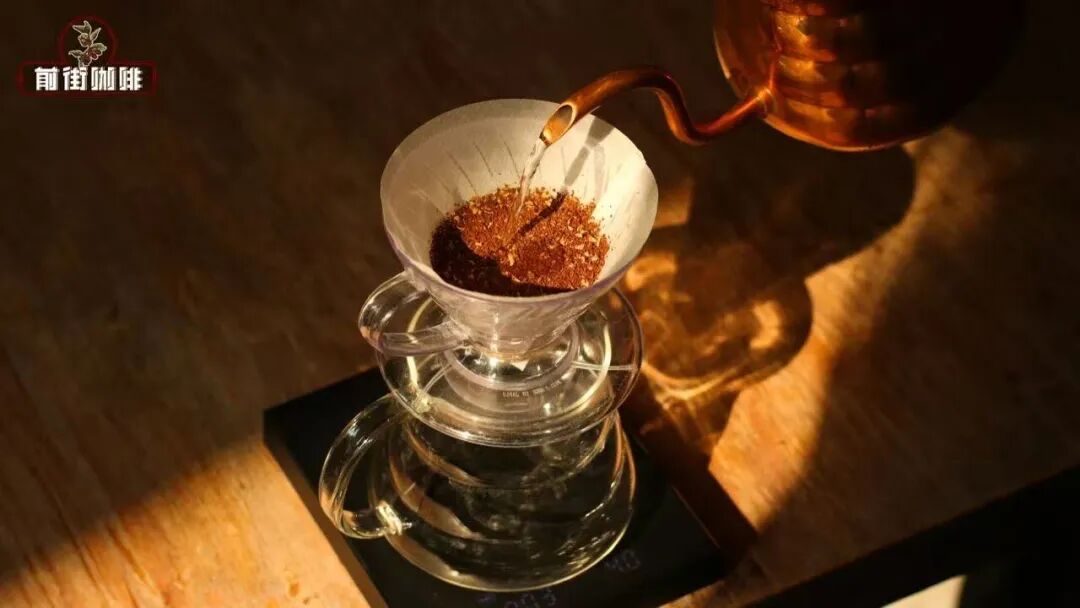
Furthermore, pour-over offershigh controllability. Unlike pressure-based extraction (such as espresso machines), which must contend with the release of carbon dioxide from coffee beans, pour-over only requires minor adjustments to water temperature, grind size, or pouring technique to flexibly control the extraction outcome. Additionally, due to the wide range of adjustable parameters, brewers can observe changes in the coffee bed and water level during brewing and make real-time adjustments to avoid over-extraction or under-extraction.
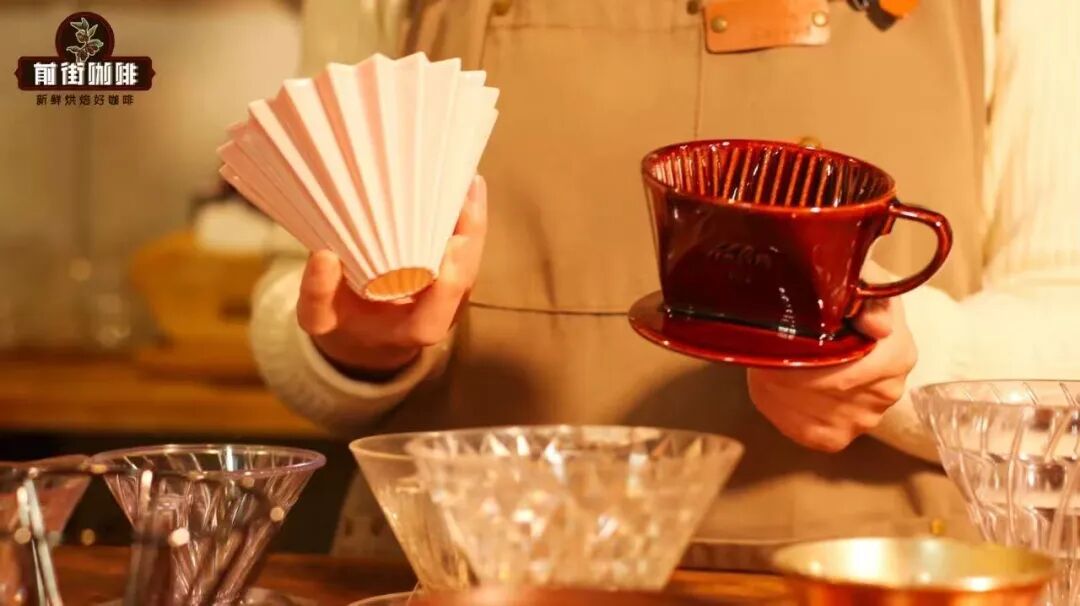
Rich playabilityis another highlight of pour-over’s charm. From the material of the filter cone (such as ceramic, metal, or glass) and the thickness of the paper filter, to the pouring method (such as three-pour, four-six pour, stirring method, or variable-temperature brewing), different combinations can create diverse flavor profiles. For instance, some techniques enhance sweetness, others bring out a juice-like mouthfeel, and the choice of filter paper also affects cleanliness and aroma expression.
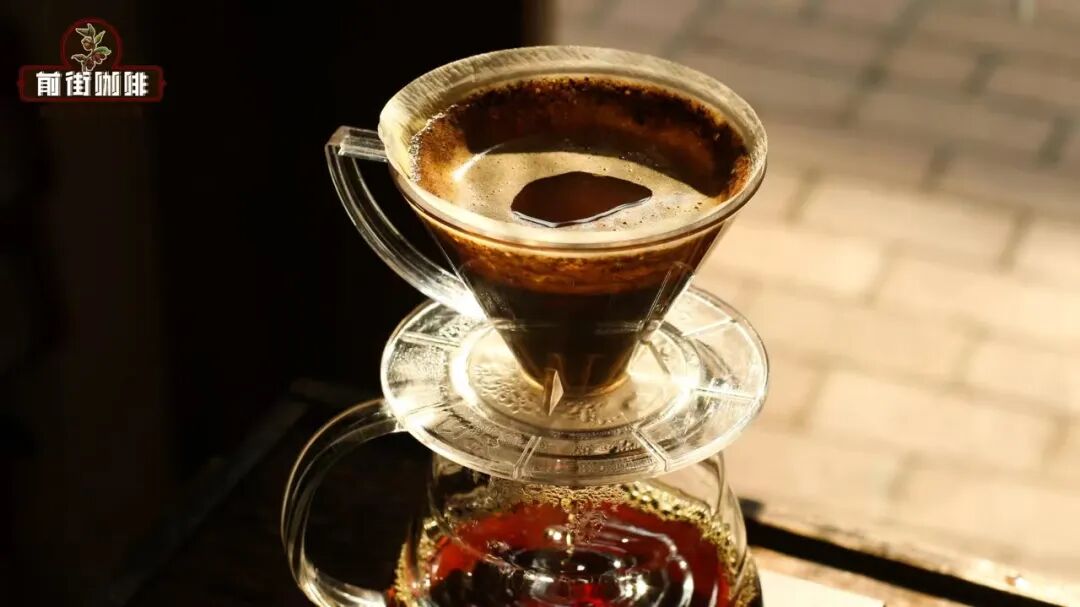
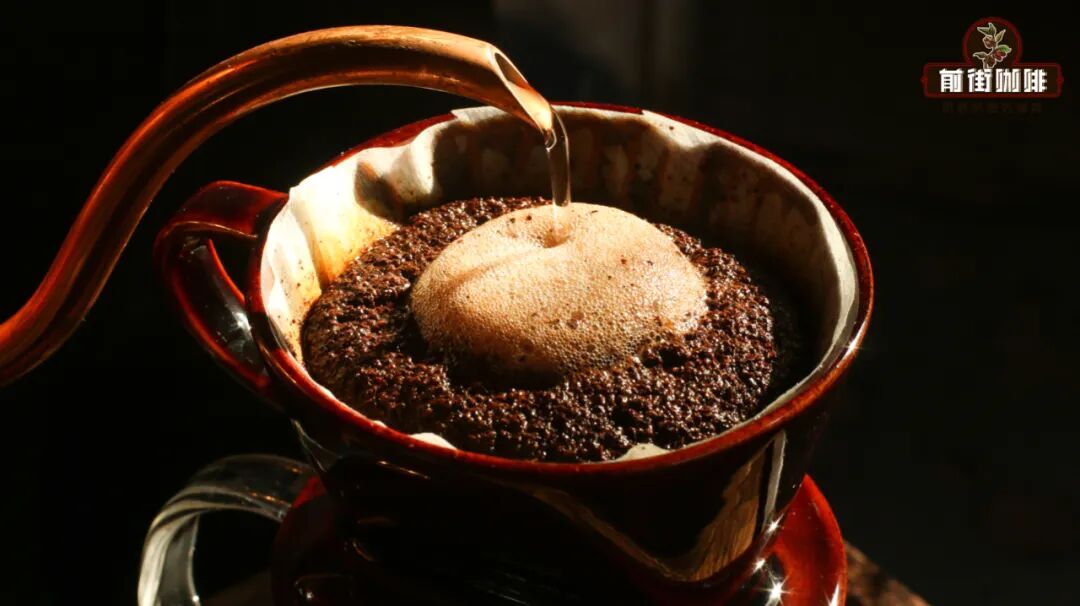
Lastly, we can’t overlook thevisual appeal. During the pour-over process—the focused expression of the barista, the vortex formed by the rotating water stream, the blooming of the coffee grounds during the bloom phase, and the deep crater left in the coffee bed after extraction—all these visual elements provide customers with an immersive experience, adding enjoyment to the act of sipping.
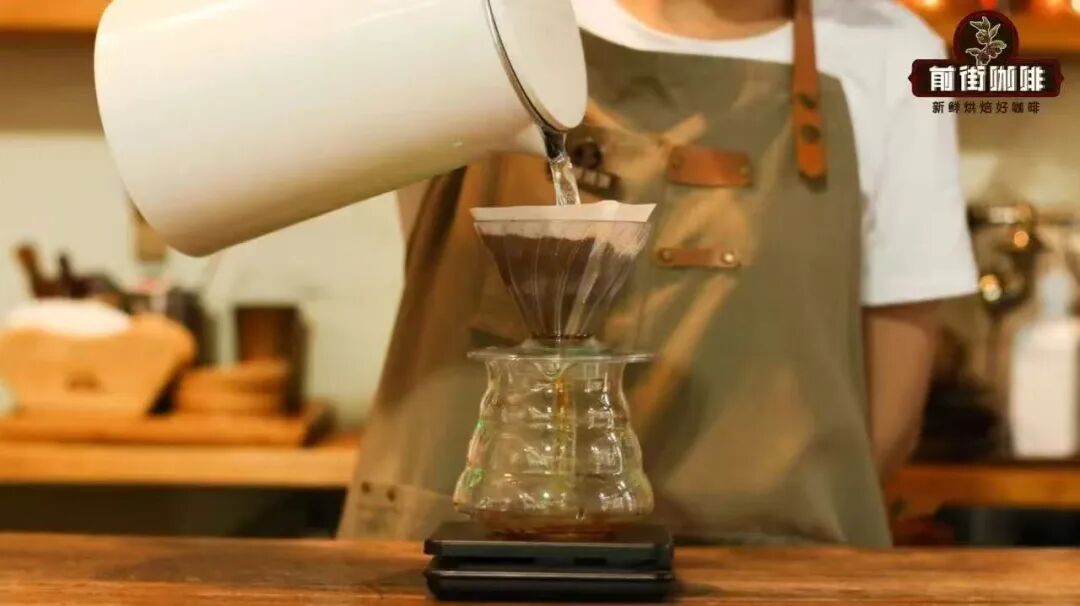
Combining these six major advantages—distinctive flavor, simple operation, time-saving efficiency, precise control, diverse playability, and visual delight—you can understand why professional cafés often choose pour-over as the primary brewing method for single-origin coffee. Of course, siphon pots and French presses still hold unique value and suit different scenarios and personal preferences, but if the goal is to achieve the best expression of single-origin coffee, pour-over is indeed the unrivaled choice.
The above content is compiled by CoffeeHunters, a coffee news website.


