








Introduction:SOE (Single Origin Espresso) has become a hot topic in the specialty coffee community in recent years. What is the fundamental difference between it and the more common espresso blends? From flavor complexity to brewing challenges, this article delves into the unique advantages and limitations of SOE, and provides practical bean recommendations and roasting advice to help you make smarter choices based on your taste preferences.
 ' alt='Illustration of single origin coffee' />In the trend of specialty coffee, SOE (Single Origin Espresso), as a representative of single-origin espresso, is gradually changing the traditional espresso drinking experience. Compared to the common Espresso Blend, SOE emphasizes the full expression of the terroir characteristics of a single origin. This shift has led many coffee enthusiasts to rethink the flavor possibilities of espresso.
The rise of SOE is not accidental. In the past, the espresso commonly consumed by consumers often had a strong, standardized flavor profile, whereas the modern coffee market places greater emphasis on personalized experiences.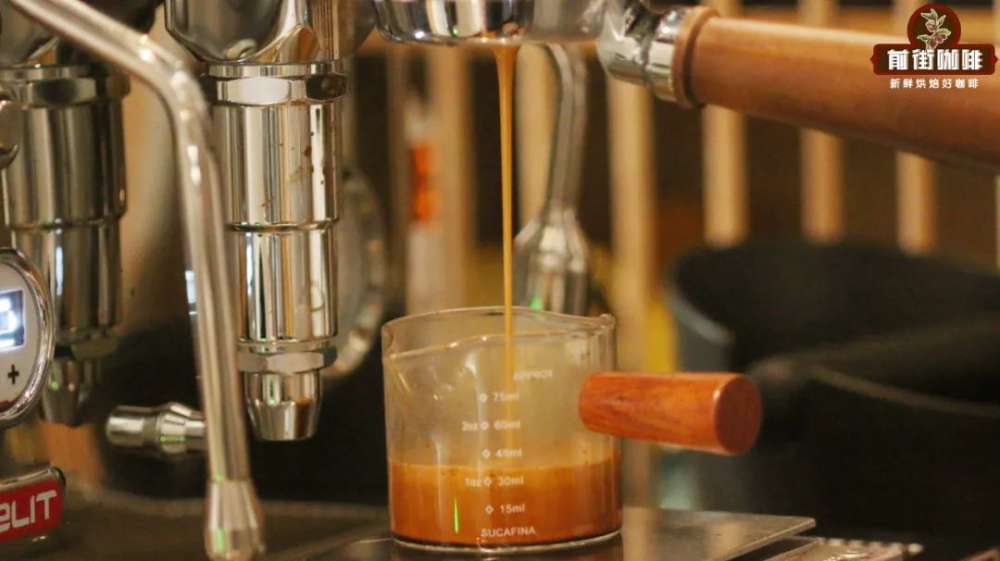 ' alt='Comparison illustration of SOE and blends' />Single-origin beans can clearly showcase regional characteristics, such as the pronounced floral and fruity notes of African beans, or the nutty and chocolatey base of Central and South American beans. This differentiation is the core appeal of SOE.
Regarding the cost structure of SOE, special attention should be paid tothe procurement and roasting challenges of single-origin beans. Since only beans from a single origin are used, their flavor stability can be easily affected by seasonal climate variations. Roasters need to adjust parameters more frequently to maintain consistency in quality. This also explains why SOE espresso often comes with an additional charge—every step, from green bean selection to roast curve testing, requires higher technical input.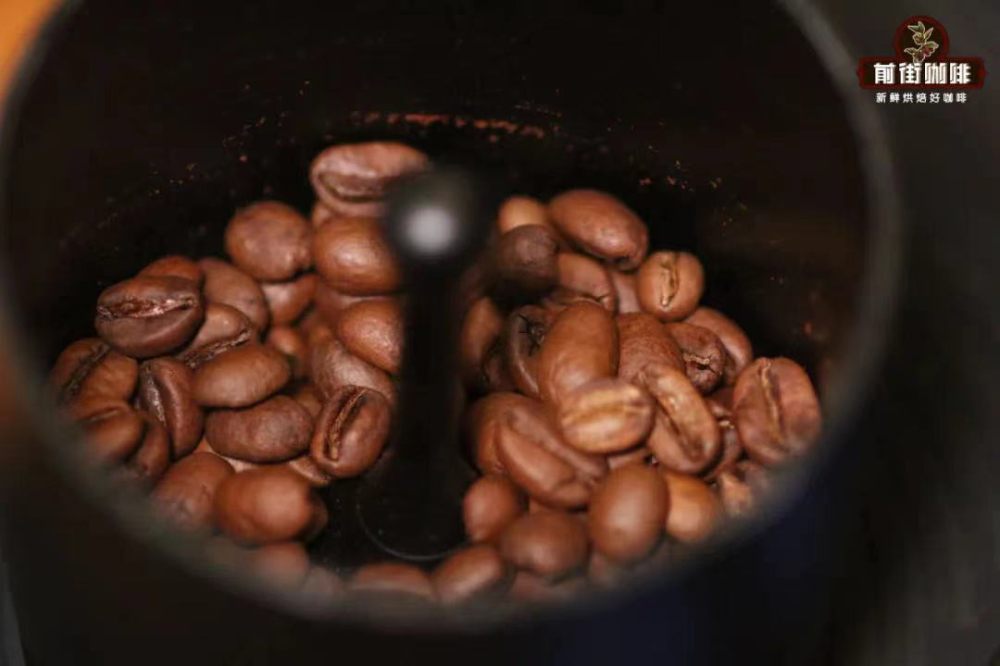 ' alt='Illustration of roasting parameter adjustments' />
The design philosophy of espresso blends is completely different. Traditional espresso recipes usually integrate 3–7 bean varieties from different origins, achieving flavor balance through proportion blending. It’s worth noting thatblend methods are divided into two main types: pre-roast blending and post-roast blending. The former involves mixing green beans at the green stage and then roasting them together, while the latter involves roasting each bean variety separately and then blending them in proportion. In practice, post-roast blending allows for more precise control over the roast degree of each bean variety, but it also faces technical challenges and color consistency management issues due to multiple roasting processes.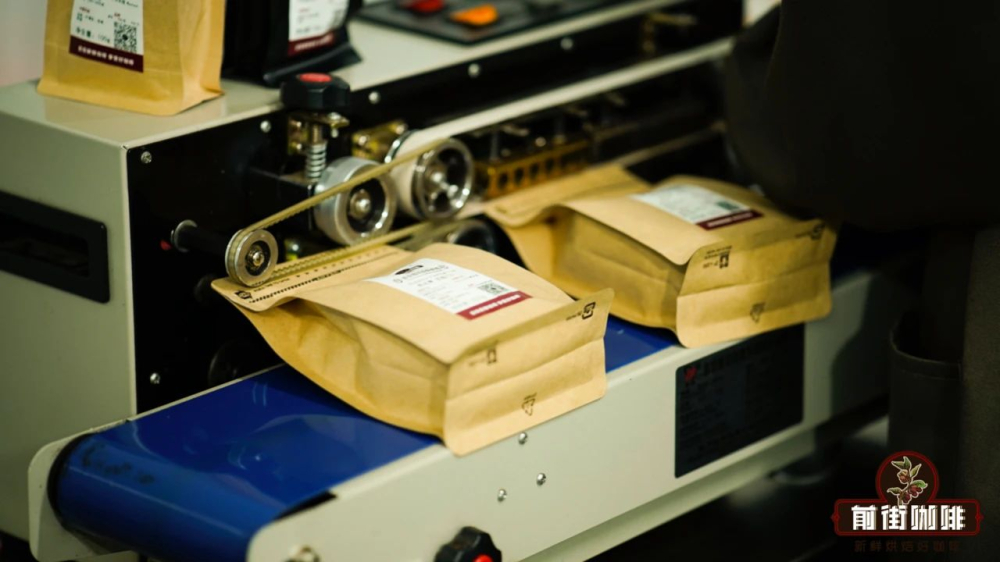 ' alt='Illustration of blend roasting process' />
Looking at real-world examples, the blend recipes of well-known roasters are often the result of years of optimization and may even be considered trade secrets. These recipes are typically adjusted according to market demand—for instance, increasing body in winter and enhancing freshness in summer. A typical blend combination might include the sweetness foundation of Brazilian beans, the mid-palate performance of Colombian beans, and the bold finish of Southeast Asian beans, creating a well-rounded mouthfeel structure.
When selecting SOE beans, it’s recommended to prioritizeorigins with high flavor distinctiveness. Bean varieties suitable for making SOE usually have distinctive personalities, such as the citrus notes of Ethiopian beans, the wine-like qualities of Honduran beans, or the berry acidity of Costa Rican beans. Special attention should be paid to the seasonal differences of single-origin beans—even different batches of SOE from the same origin may exhibit subtle flavor variations, which is a reflection of the nature of agricultural products.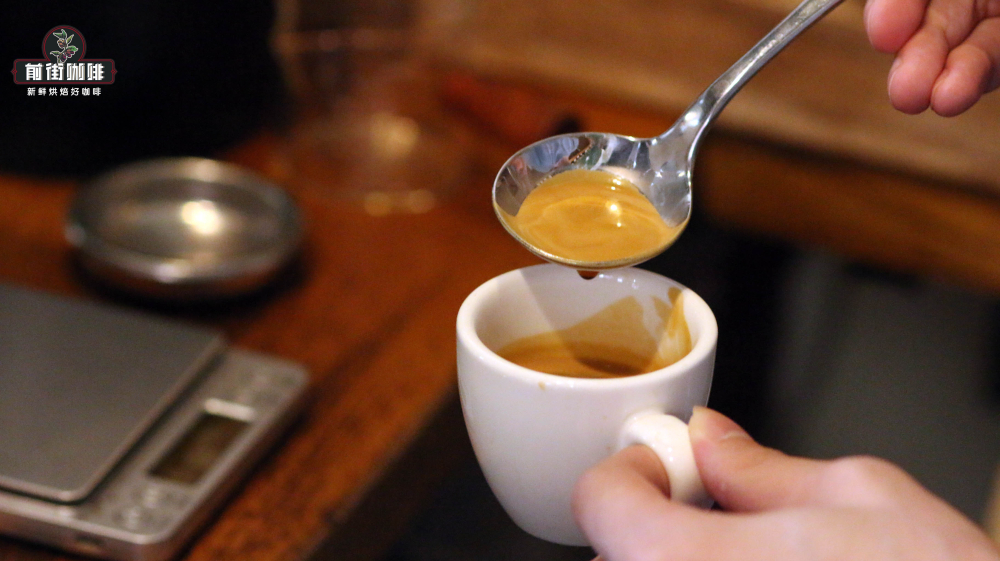 ' alt='Illustration of single-origin seasonal variation' />
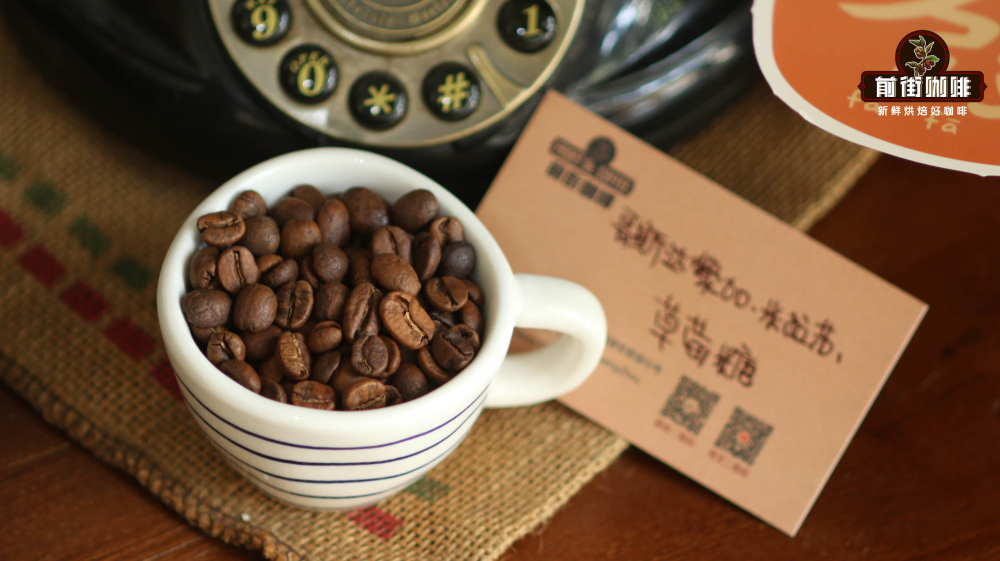
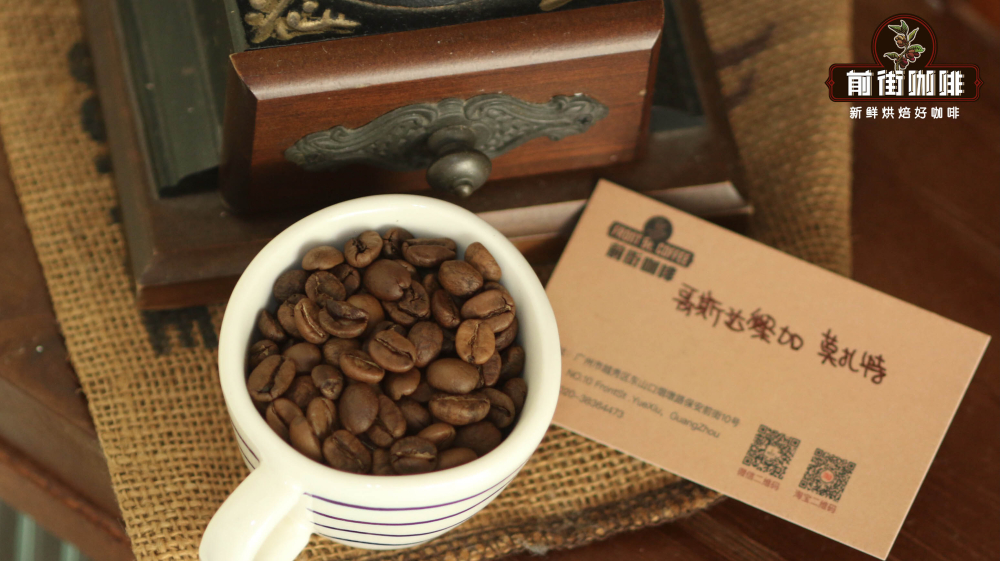
Practically well-performing SOE bean options include:Honduras Sherry Variety(medium roast) showcasing fermented wine notes and caramel finish;Costa Rica Strawberry Candy Variety(medium roast) with red floral and dried fruit sweetness; as well asCosta Rica Mozart Variety(medium roast) presenting raisin aroma and berry acidity. When brewing these varieties as espresso, it’s recommended to use water at 92–94°C and a medium-coarse grind size to highlight their unique flavor layers.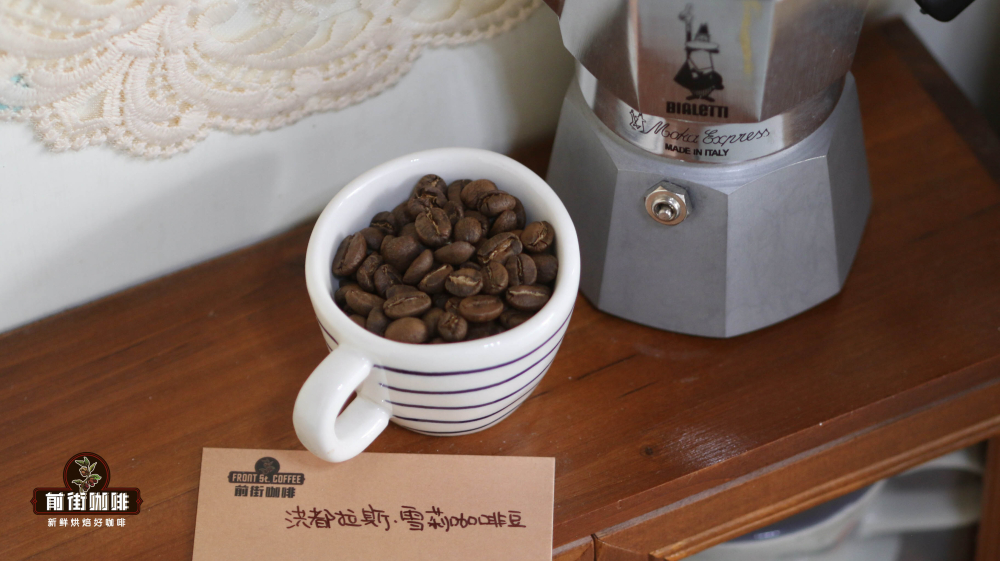 ' alt='Roast effect of Honduras Sherry beans' />
 ' alt='Close-up of Costa Rica Strawberry Candy beans' />
 ' alt='Brewing illustration of Costa Rica Mozart beans' />


The above content is compiled by CoffeeHunters, a coffee news website.

