







Introduction:Many coffee beginners often confuse the flavor differences between Indonesian Mandheling and Italian-style espresso, even questioning whether single-origin beans can be used for espresso. This article delves into the fundamental distinctions between Mandheling SOE (Single Origin Espresso) and Italian blends, covering aspects such as regional characteristics, roast profiles, and extraction parameters. It will help you grasp the core differences between single-origin and blended coffees, and address the feasibility of using pour-over beans for espresso, guiding you to choose the right coffee beans based on your preferences.
Indonesian Mandhelingis often regarded in the coffee enthusiast community as the "representative of bitterness," but this impression often stems from a misunderstanding of the difference between single-origin and espresso coffee. Many people, upon their first tasting, notice that both Mandheling and espresso have a distinctly strong bitter taste, which leads to confusion between the two. In reality, Mandheling is a single-origin coffee that emphasizes the unique flavors of a specific origin, while Italian coffee is typically made from blends used as the base for espresso. The two differ significantly in processing methods, roast levels, and brewing techniques.
The so-calledMandheling coffeeis essentially a single-origin bean from Sumatra, Indonesia, processed using thewet-hulled method, with production areas concentrated in the Gayo Mountains of Aceh or the Lintong highlands, at altitudes of about 1100–1600 meters. These coffees are usually of theAtengorTypica, Caturravarieties, and after being dark roasted, they exhibit rich notes of caramel, nuts, and herbs.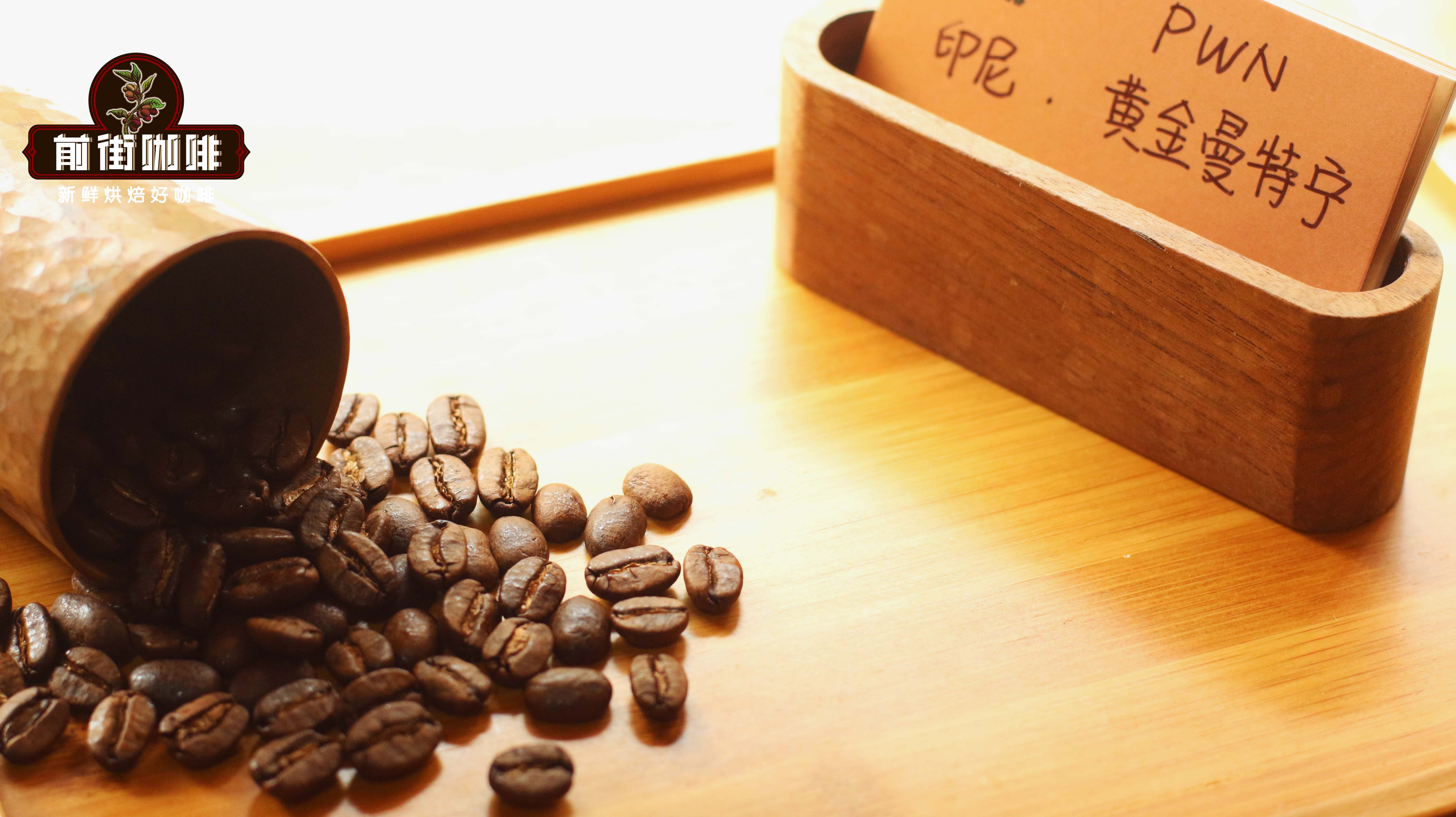 Brewing single-origin coffee emphasizes water-to-coffee ratio (about 1:15), moderate water temperature (90–94°C), and specific grind size, which can highlight regional flavor characteristics such as mild acidity, body, or unique spice notes.
In contrast,Italian-style coffeegenerally refers to espresso extracted under high pressure and high temperature (9 bar pressure, 90.5–96°C water temperature), commonly used in drinks like cappuccino and latte. Its production relies on semi-automatic espresso machines, extracting a concentrated liquid that is 2–3 times the amount of coffee grounds within 20–30 seconds, forming the signature rich crema.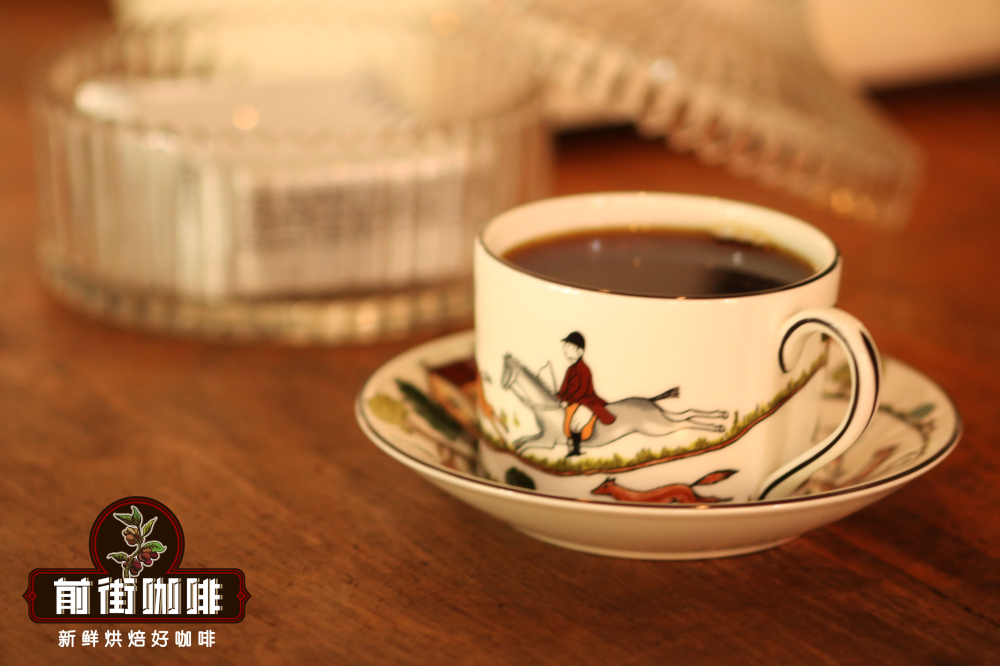 Italian blends typically combine beans from two or more regions—for example, the bitterness of Brazil and the acidity of Colombia—aiming to balance flavors and ensure stable extraction performance.
Common question:Can single-origin beans be used for espresso?The answer is yes, but flavor expression needs to be considered.SOE (Single Origin Espresso)refers to espresso made from single-origin beans, such as those from Yirgacheffe or Panamanian Geisha, which can highlight citrus or floral notes. However, some single-origin beans (like Mandheling with pronounced herbal flavors) may amplify unpleasant acidic or vinegary notes under high-pressure extraction, so most shops still opt for blends to ensure balanced flavors.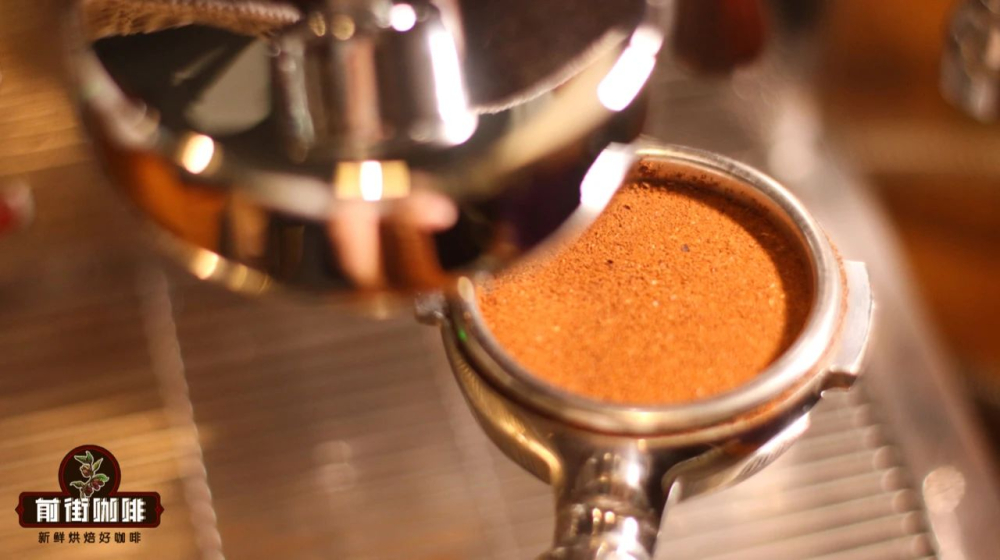
Regarding the question "Can pour-over single-origin beans be used for espresso?", technically it’s possible, but parameters need to be adjusted. If single-origin beans are used directly in an espresso machine, insufficient grind size (needs to be finer) or overly long extraction time may lead to over-extraction, resulting in bitterness and astringency. It is recommended to usemedium-dark roastedsingle-origin beans, adjust the grind to a fineness close to that of blends (such as superfine sugar), and shorten the extraction time to 25–30 seconds. However, pour-over beans are originally designed for filter brewing, so using them for espresso may not bring out their optimal flavors.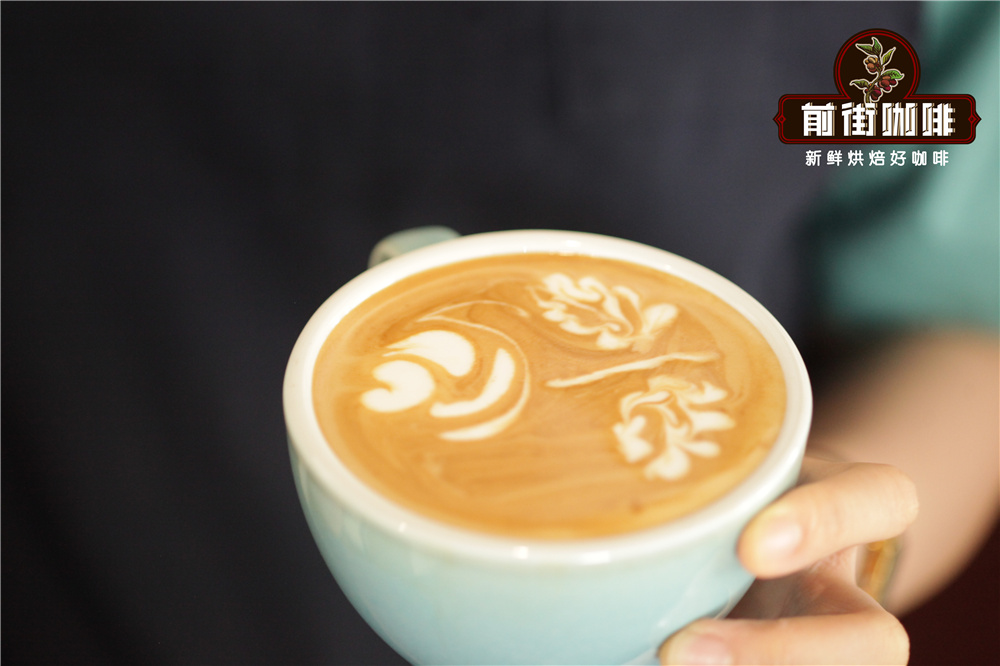
Commonly available Italian blends on the market are divided into several grades, such as:
• Sunflower Warmth Blend(Honduras + Yirgacheffe, ratio 7:3): offers berry acidity and wine-like aromas, suitable for those who enjoy fruity notes;
• Premium Blend(Colombia + Brazil, ratio 3:7): delivers a balanced profile of nuts and dark chocolate with medium crema;
• Commercial Blend(Brazil + Colombia + 10% Robusta): provides intense caramel notes and a full-bodied mouthfeel, suitable for everyday commercial use.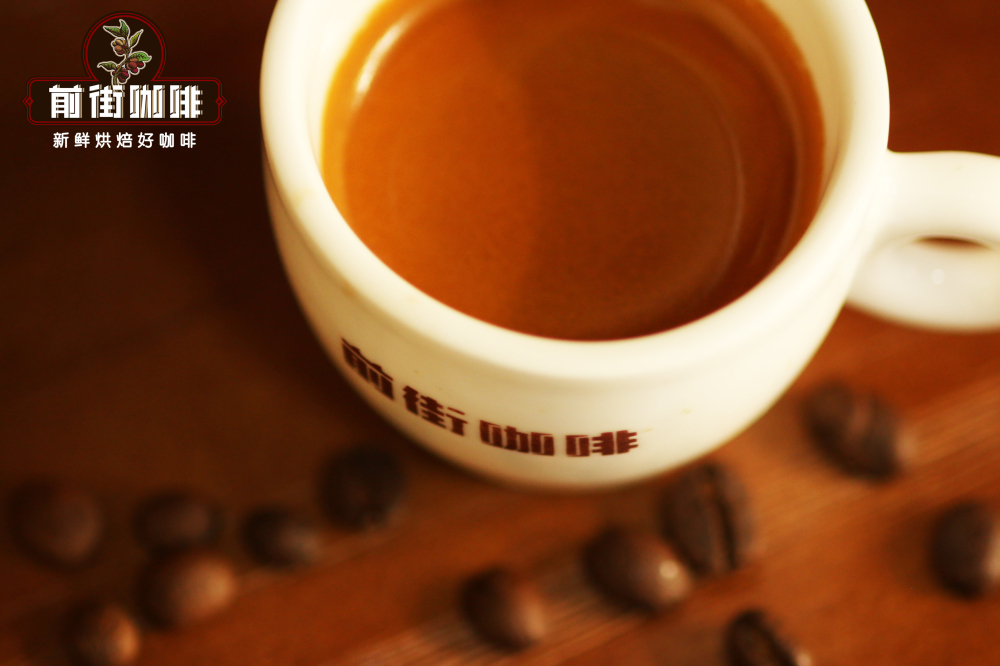
Each blend is optimized for different brewing methods (such as moka pot or espresso machine), and it is recommended to adjust grind size and dosage according to your equipment.
If you want to replicate the rich espresso flavor of a café at home, you can choosemedium-dark roasted single-origin beans or professional Italian blends. When using a moka pot, pay attention to the coffee-to-water ratio (about 1:2) and heat control to avoid overheating, which can lead to burnt or bitter flavors. In addition,coffee beans lose their flavor quickly after grinding, so it is recommended to buy whole beans and grind them fresh before brewing. If pre-ground coffee is needed, ensure it is stored in an airtight container and used within 1–2 weeks.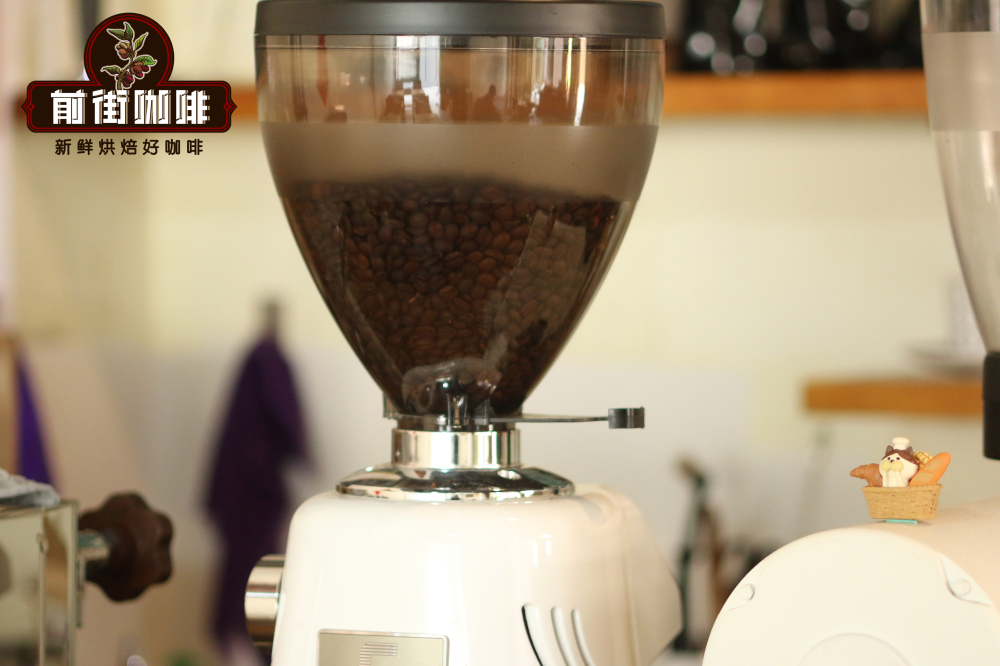
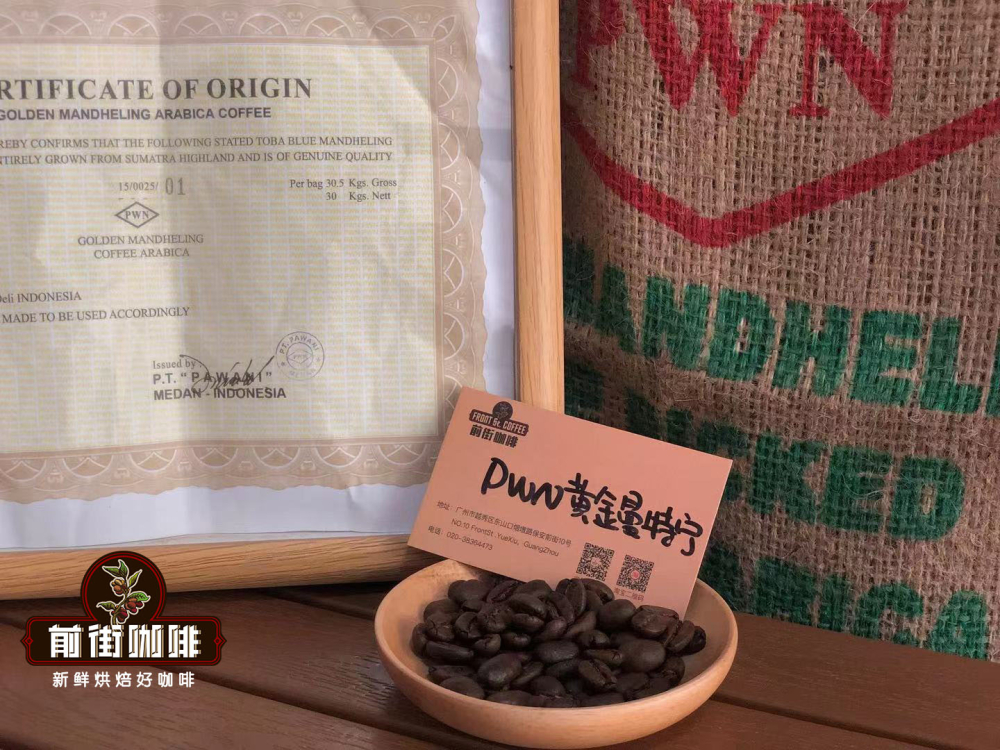
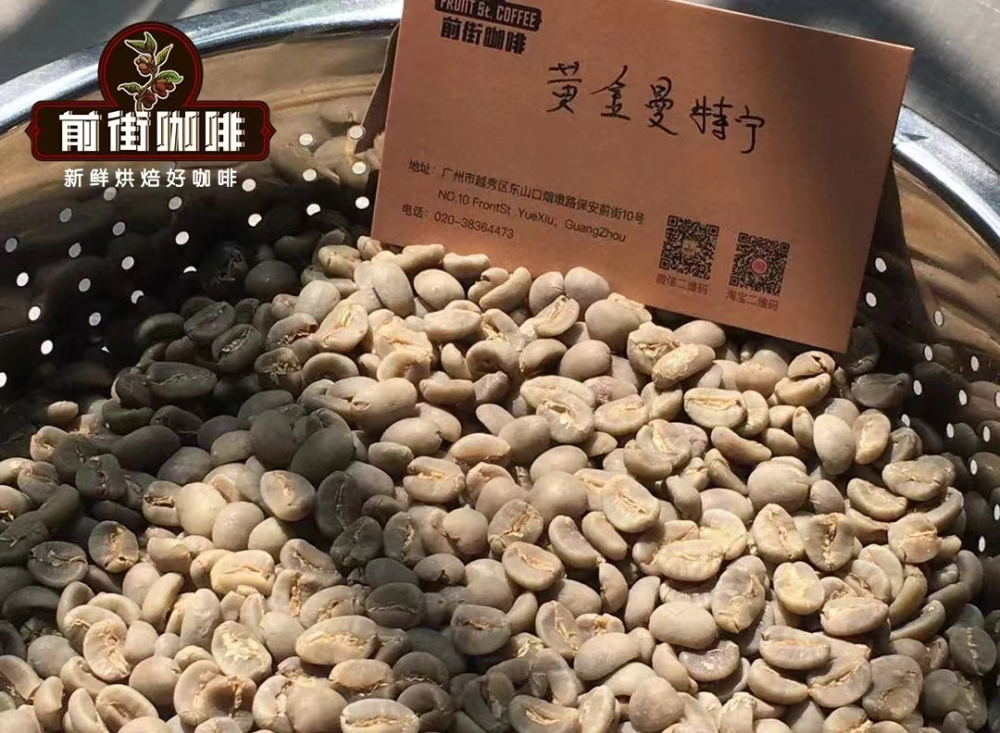
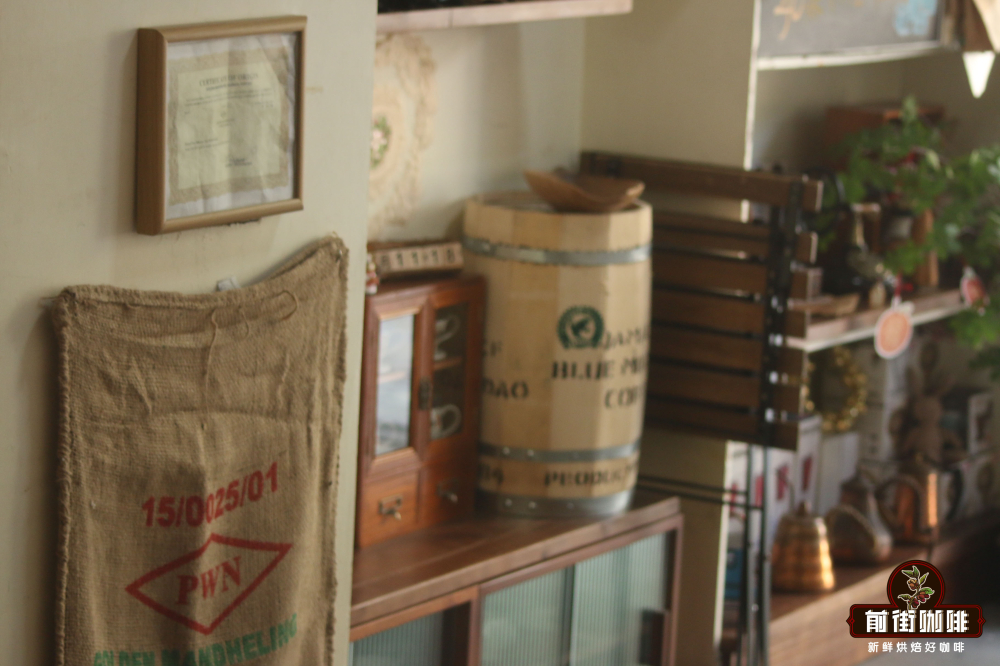
Finally, to identify genuinePWN Golden Mandheling, look for sack packaging and check the defect bean ratio (G1 grade, with fewer than 3 defects per 300g). Its unique roasted toast and pine notes come from a rigorous three-step manual sorting process.
The above content is compiled by CoffeeHunters, a coffee news website.

