







Introduction:With the growing popularity of specialty coffee, more and more coffee enthusiasts are beginning to explore SOE (Single Origin Espresso). But do you truly understand the difference between SOE and regular espresso blends? This article will take an in-depth look at the definition, flavor characteristics, and roasting methods of SOE, compare its advantages and disadvantages with blends, and recommend several high-quality coffee beans suitable for making SOE to help you find the option that best suits your taste.
Walking into modern cafés, it’s not hard to notice the addition of "SOE available" options on the menu, with some shops even offering multiple types of SOE beans for customers to choose from. So, what exactly does SOE stand for? Simply put, SOE is the abbreviation for Single Origin Espresso, referring to espresso made using coffee beans from a single origin. This concept has emerged with the third wave of coffee, emphasizing the regional characteristics and unique flavors of coffee, and has gradually become a focal point of discussion among specialty coffee enthusiasts.

To understand SOE, one must first grasp what specialty coffee is. This type of coffee typically comes from producing regions with unique microclimates and geographical environments, giving rise to high-quality coffee beans with distinct "regional terroir." As consumer interest in coffee origins and flavors grows, the market demand for single-origin coffee continues to rise, prompting producers to invest more resources in cultivating specialty-grade coffee. Originally, these beans were mostly used for pour over, but they have gradually been applied to the espresso category, leading to the popularization of the SOE concept.
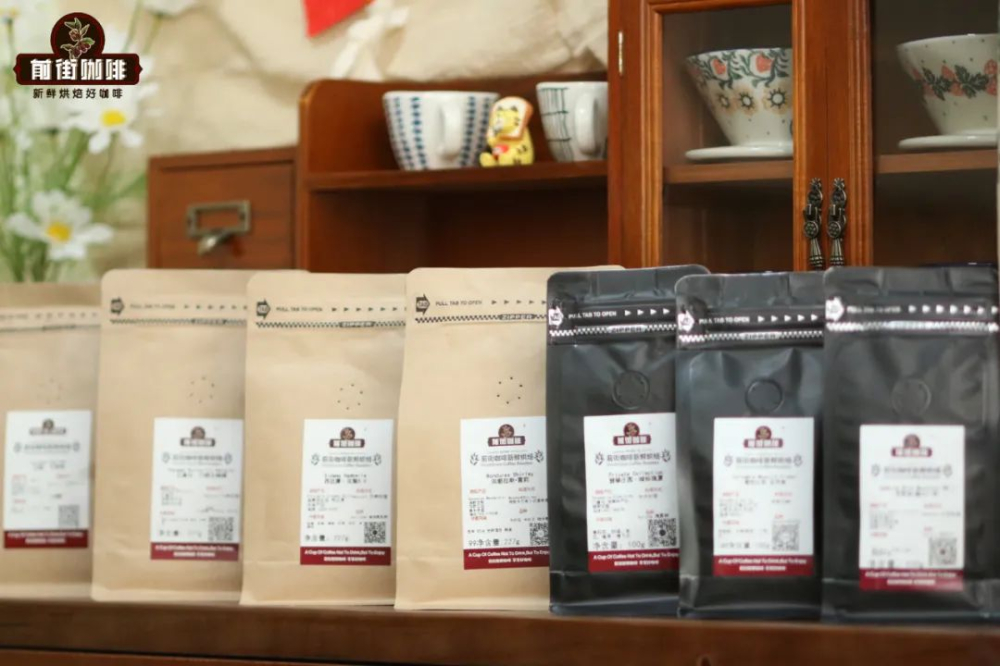
What is the difference between SOE and common espresso blends? Both fall under the category of espresso, but blends usually combine beans from two or more origins, with a medium to dark roast level aimed at delivering a rich and balanced flavor profile—such as classic notes of caramel, nuts, and dark chocolate. In contrast, SOE insists on using beans from a single origin, with a relatively lighter roast degree, aiming to highlight the unique flavor characteristics of that specific origin, such as the citrusy and berry notes commonly found in Ethiopian beans.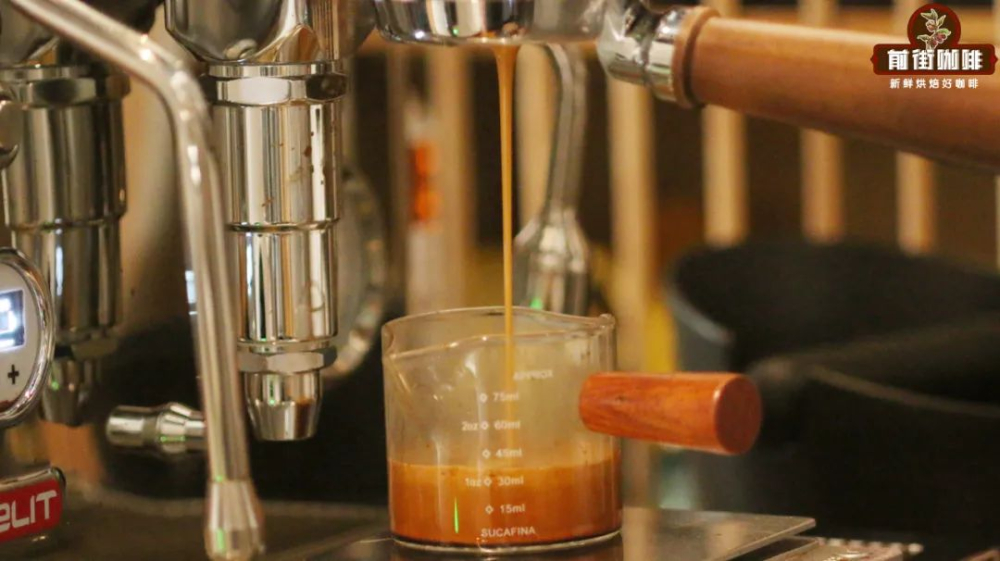 This difference is reflected not only in flavor but also in roasting strategies and how baristas interpret the beans.
Some may ask: Is SOE necessarily superior to blends? The answer is no. Although many cafés charge extra for SOE, this does not mean that SOE is inherently of higher quality. In fact, blends remain the mainstay product for most cafés due to their cost-effectiveness and flavor consistency. By carefully blending beans from different origins, blends can not only reduce costs but also ensure a consistent taste in daily offerings, making them particularly suitable as the base for espresso. Single-origin beans, especially those used for pour over, place more emphasis on showcasing the unique aroma and regional flavors of the origin—for example, the bright citrus notes of Yirgacheffe or the sweet chocolate tones of Blue Mountain. Similarly, SOE must faithfully reflect the flavor personality of its region of origin. Roasting too dark can easily mask delicate aromas, while roasting too light may result in under-extraction, leading to sharp or thin flavors.
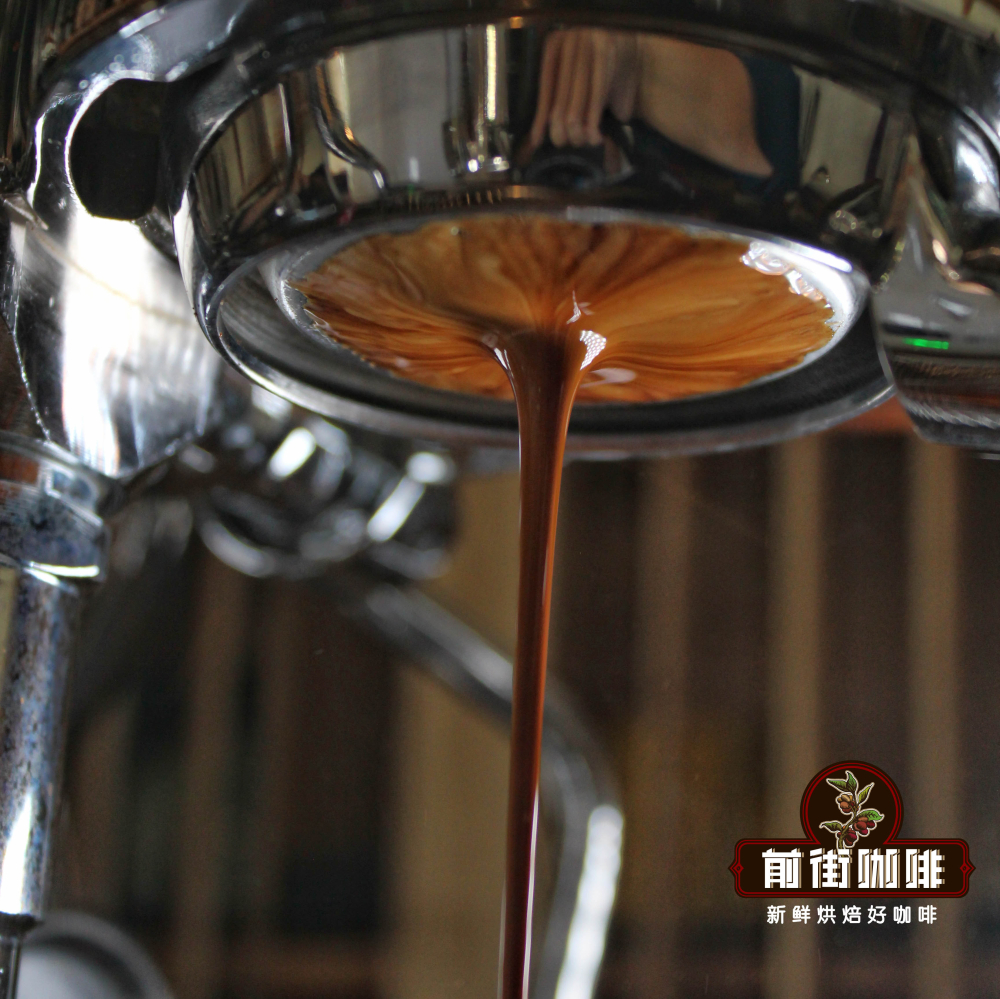
So why is SOE often priced higher? Traditionally, single-origin beans have been primarily used for drip methods, such as pour over. Espresso, on the other hand, has favored blends, with dark roasting creating a strong, bitter profile. When producers introduce SOE, it is not only to differentiate it from blends but also to offer consumers a lighter experience distinct from traditional bitterness—richer in layers and more recognizable, such as the citrus and floral notes of Ethiopian beans. Since high-quality single-origin beans are inherently more expensive, and because they require more precise roasting and extraction control, the additional charge is justified.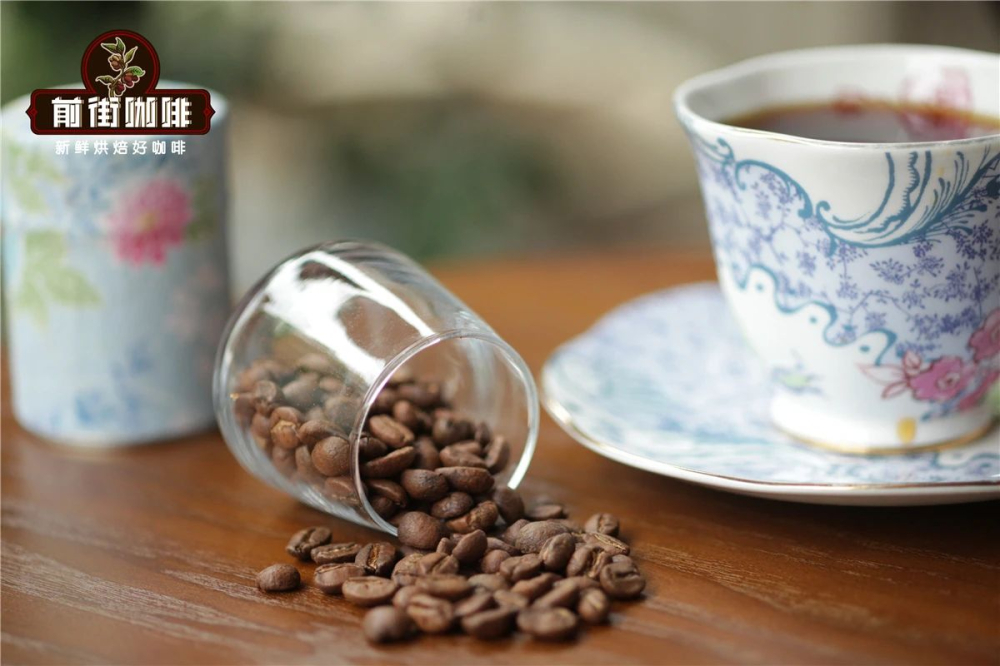
Which coffee beans are suitable for making SOE? The key lies in selecting high-quality single-origin beans. Below are several commonly available and distinctly flavored beans recommended for readers interested in trying SOE:
First is the Ethiopian Natural Yirgacheffe Red Cherry bean. Originally designed for pour over, this bean boasts high sweetness and intense fruity aroma. When used for espresso, simply adjust the grind size, and you’ll get a light yellow crema with notes of berries and caramel. It offers a balanced acidity and sweetness with a clean mouthfeel, and pairs wonderfully with milk, enhancing the honey-like sweetness.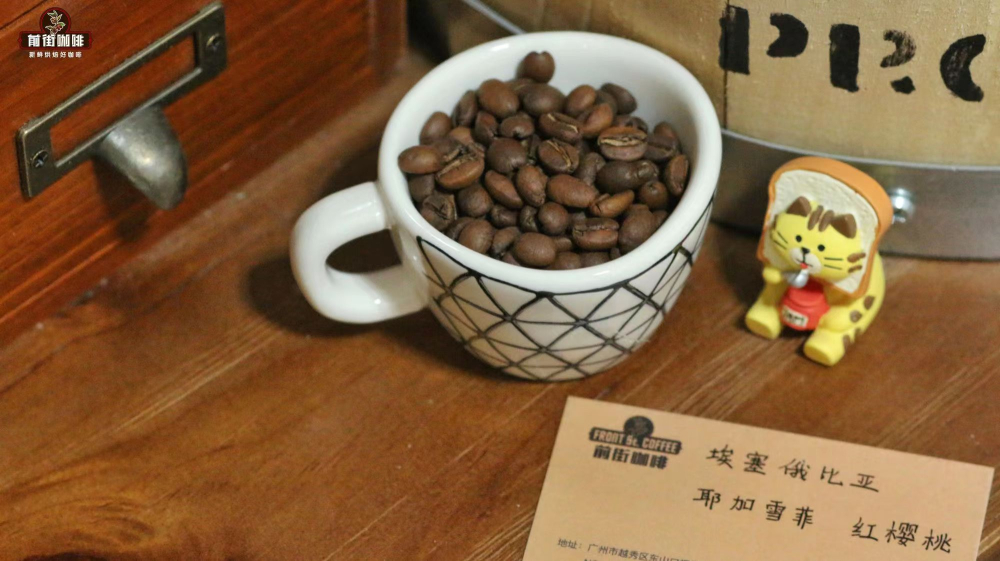
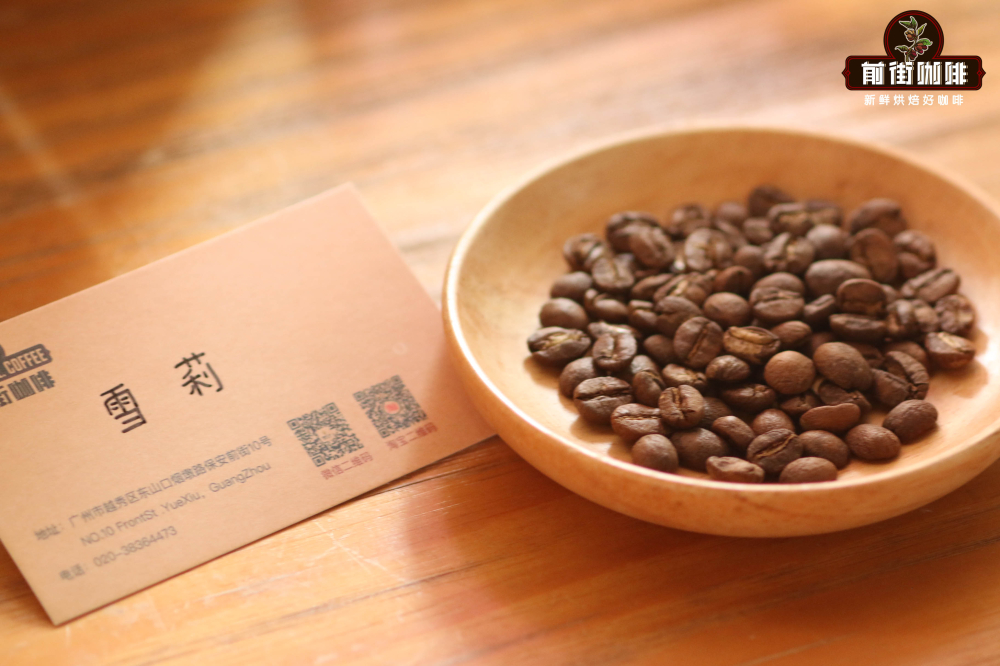
Honduran whiskey barrel-aged Sherry coffee beans are also a great choice. Medium roast preserves the berry acidity while bringing out vanilla and whiskey notes. As an SOE, it delivers a smooth and mellow mouthfeel, and when combined with milk, it becomes even more velvety like chocolate cream, with long-lasting, captivating aroma.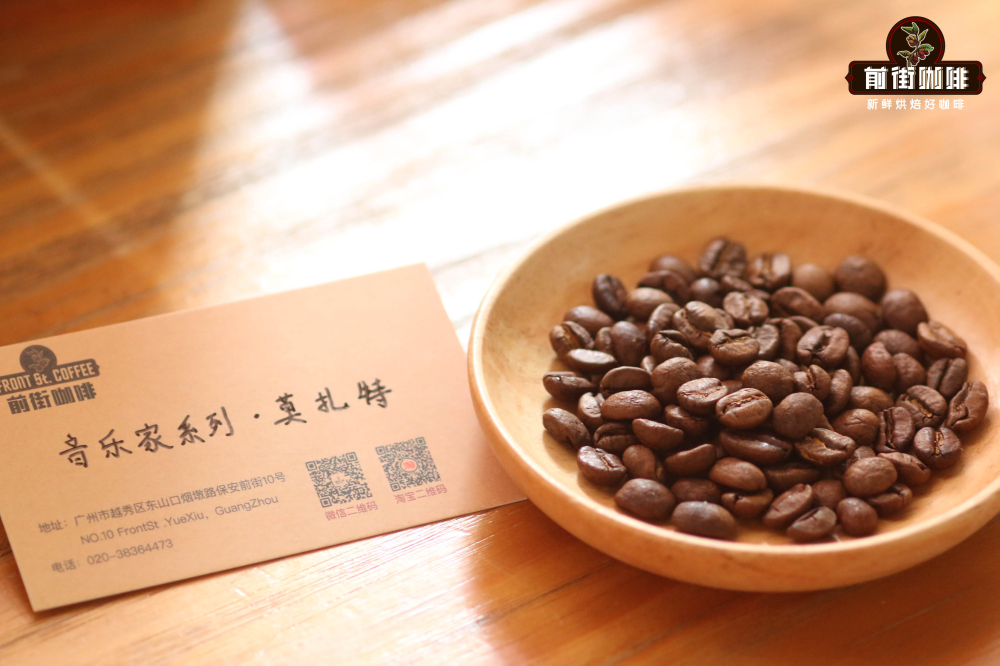
The Costa Rican Musician Series Mozart bean, processed via anaerobic honey method, retains the pulp layer fully during fermentation, resulting in exceptional sweetness. As a pour over, it shows rose floral and raisin sweetness, but as an SOE, it reveals tropical fruit and fermentation complexity, offering a uniquely distinctive flavor.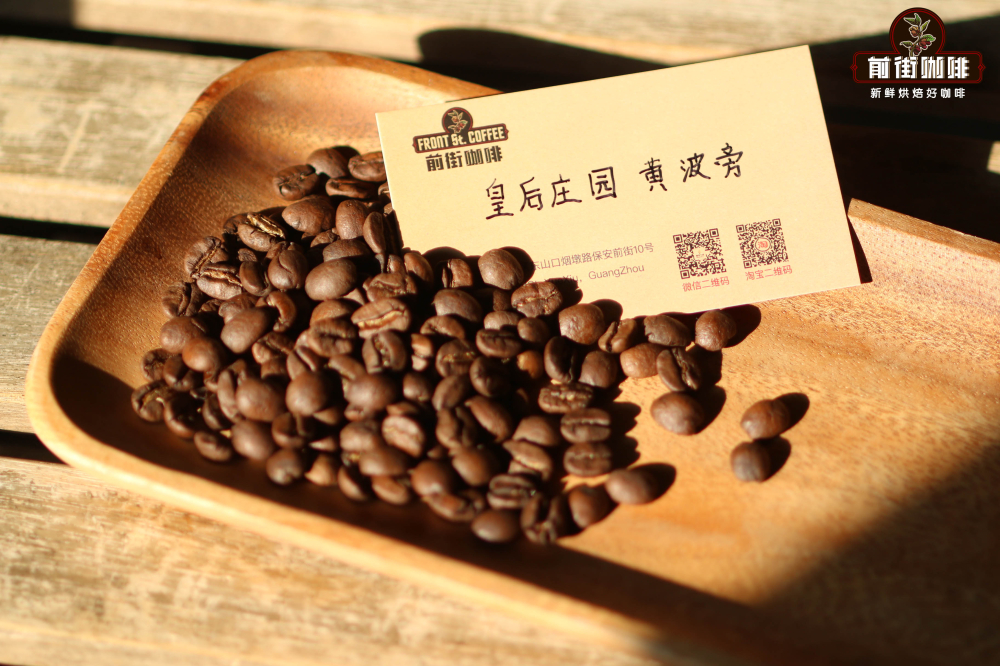
For those who prefer rich and mellow flavors, the Brazilian Queen Estate Yellow Bourbon bean is worth trying. Medium to dark roast highlights notes of nuts, cream, and peanuts, with a lingering aftertaste of sweet chocolate. The resulting SOE has a rich crema and performs excellently in milk-based drinks as well.
The above content is compiled by CoffeeHunters, a coffee news website.

