







Introduction:In recent years, SOE (Single Origin Espresso) has become a hot topic in the specialty coffee community. Many coffee enthusiasts wonder if SOE is simply a premium version of single-origin beans? How does it differ from traditional blends in terms of flavor profile and brewing methods? This article will fully explore the origins of SOE, its differences from blends, and provide practical brewing parameters and home brewing tips to help you make more informed coffee choices.
SOE stands for 'Single Origin Espresso', which literally translates to 'single-origin espresso', meaning an espresso made using coffee beans from a single origin. It is commonly found in specialty coffee shops, especially those featuring beans from renowned regions such as Ethiopia's Yirgacheffe. These types of coffee beans typically exhibit more pronounced floral and fruity notes or unique regional flavors, making them ideal for drinkers who enjoy exploring the finer details of coffee.
In coffee shops, it’s common to see two espresso grinders side by side: one loaded with traditional blends that offer a stable and balanced taste, and the other filled with SOE beans, allowing customers to upgrade their experience for a small price difference (about 3–10 RMB).SOE is not a new concept; in fact, it predates blends. In the early days, when global coffee consumption was not yet mature, single-origin beans were commonly used everywhere—it’s just that the term 'single origin' wasn’t particularly emphasized at the time.
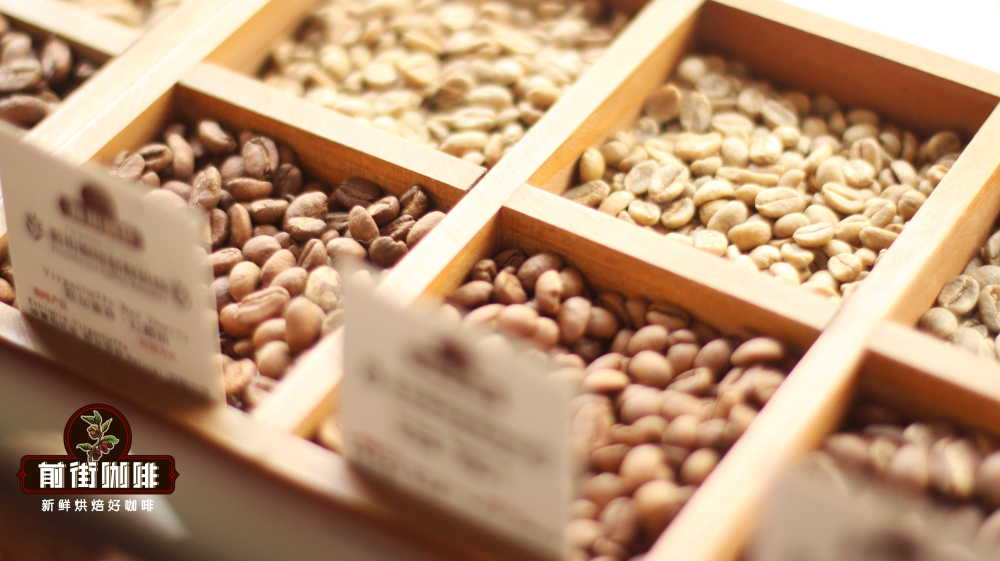
Single-origin coffee beans (Single Origin Coffee Bean) generally refer to beans sourced from a specific region, farm, or processed using a particular method, with today’s emphasis more on origin details and traceability. In contrast,blend coffee beans are made by mixing beans from two or more regions, primarily aiming to stabilize flavor, control costs, and ensure consistent taste despite seasonal or regional harvest variations. They are commonly found in commercial coffee and mass-supply contexts.
Why has SOE regained attention today? This is closely related to the rise of specialty coffee culture. As consumers’ demand for coffee quality increases and the popularity of pour over brewing allows people to experience the unique regional characteristics of single-origin beans, this trend has extended into the espresso domain, giving rise to today’s SOE culture.
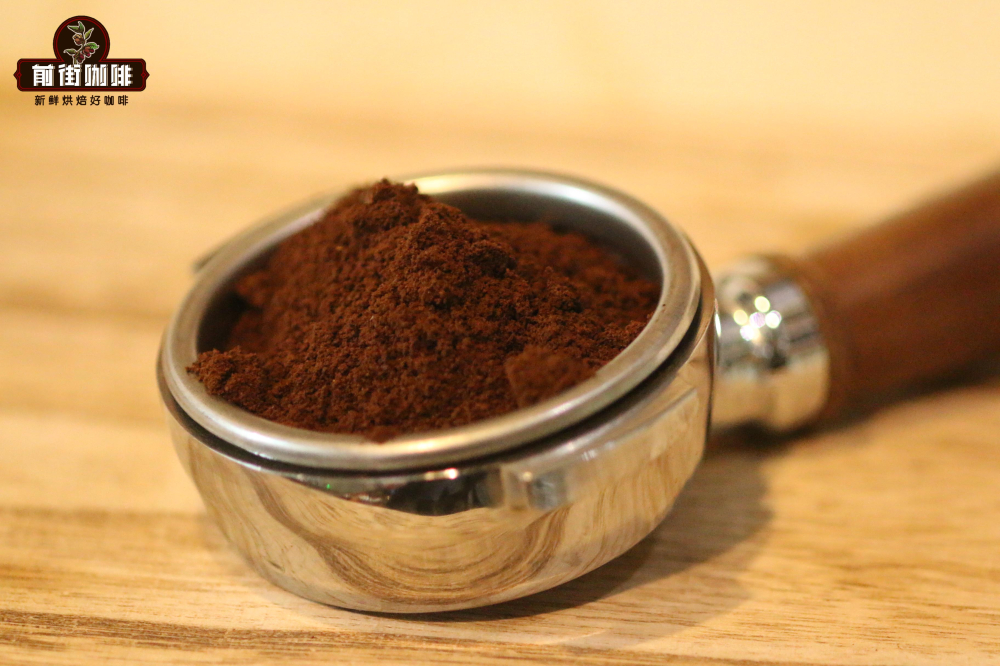
The reason SOE often comes with a higher price tag lies mainly in its higher raw material costs. Many shops choose beans from small Ethiopian regions, which often feature bright citrus and floral notes, paired with slightly lighter roasts, delivering a flavor profile in espresso that is distinctly different from traditional blends. Additionally, some SOE beans that use special processing methods also see cost increases due to complex processing procedures and limited production.
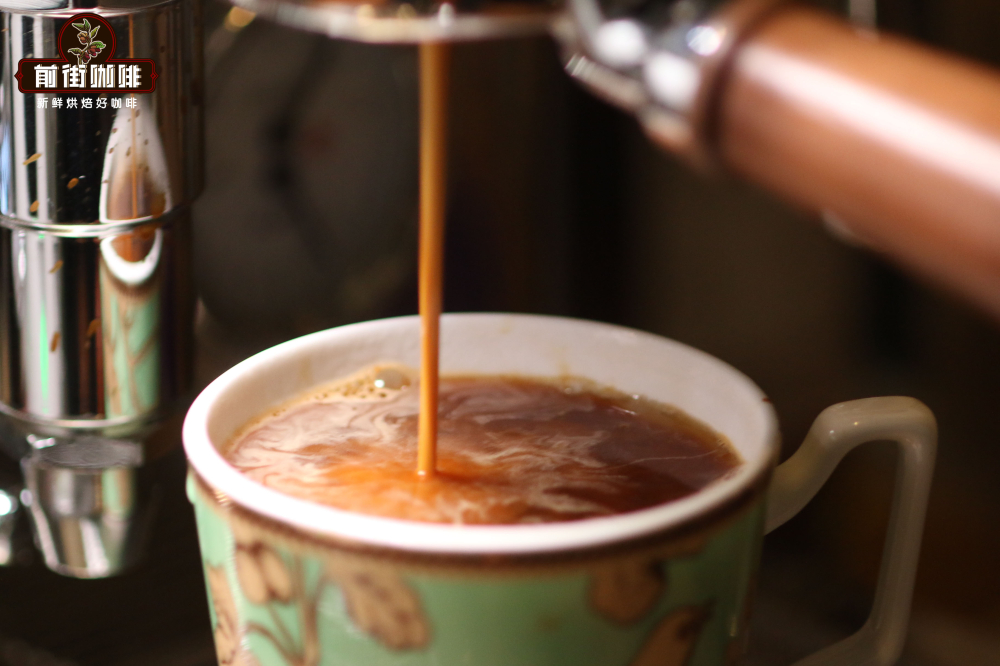
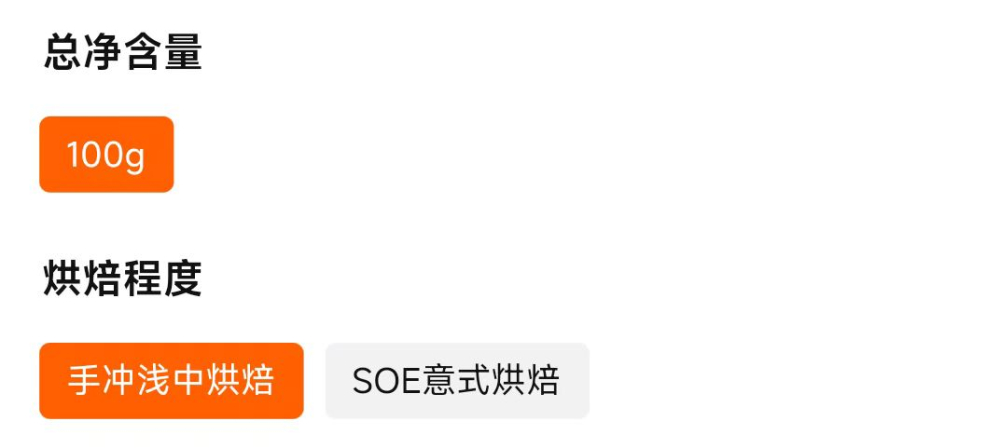
When choosing SOE,roast level is one of the key factors affecting successful extraction. Many consumers trying SOE at home for the first time often encounter issues like uneven extraction, excessive acidity, or unsatisfactory taste, which are often related to the bean’s roast suitability. SOEs suitable for espresso usually use medium-dark to medium roasts, which preserve flavor while ensuring good extraction yield and crema performance.
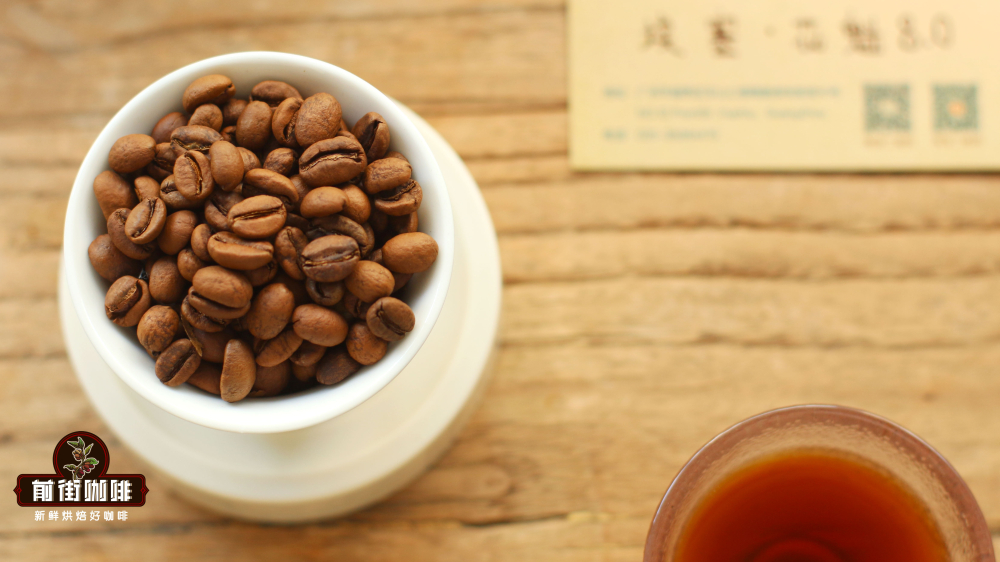
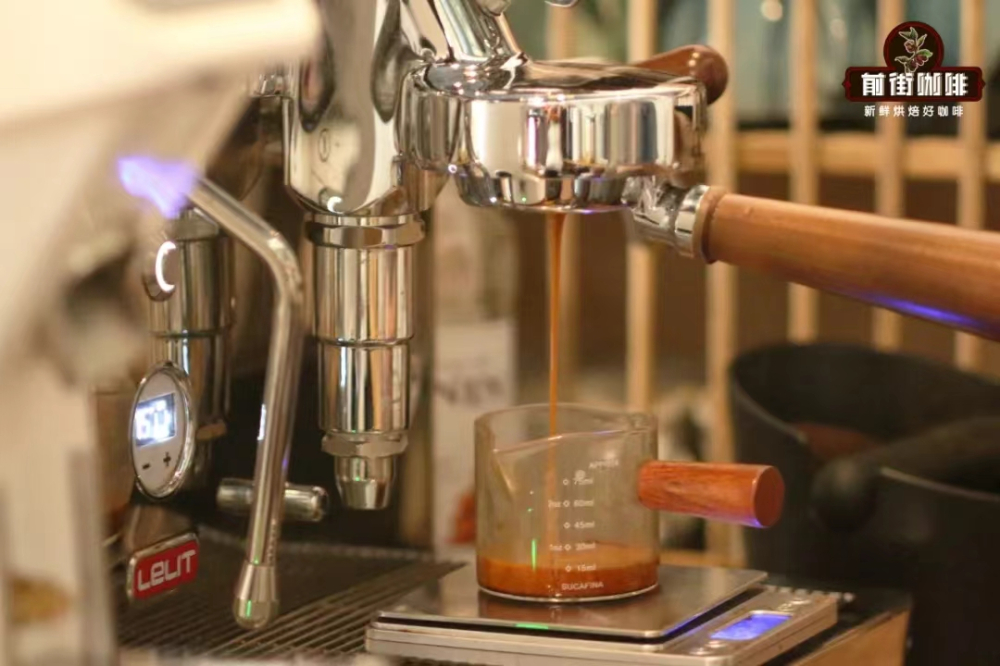
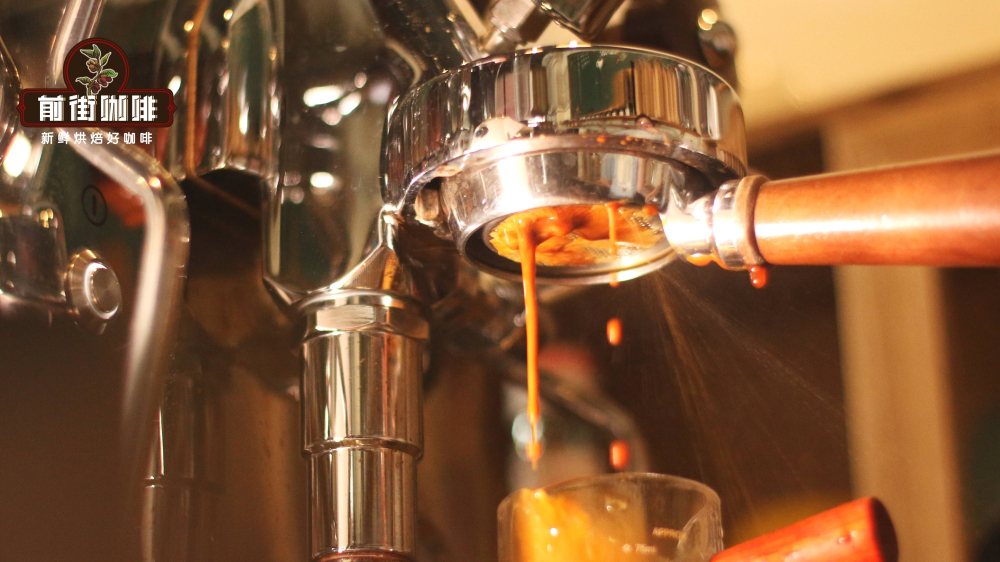
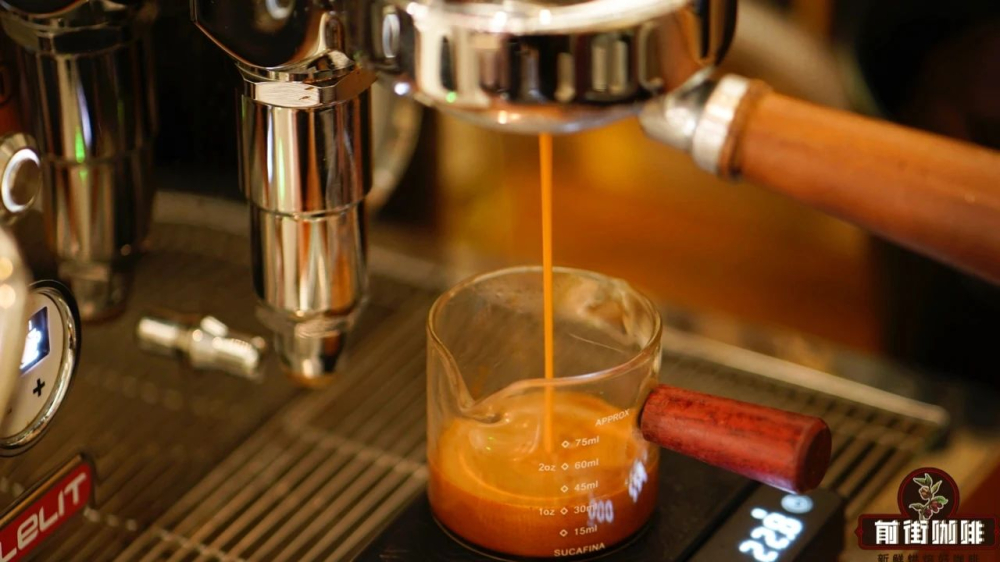
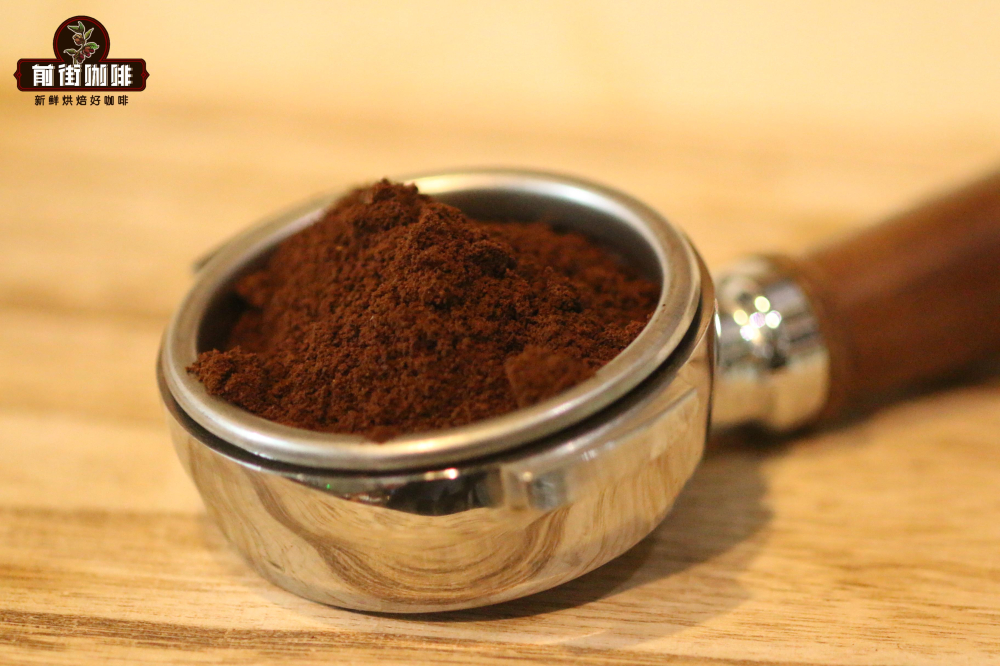
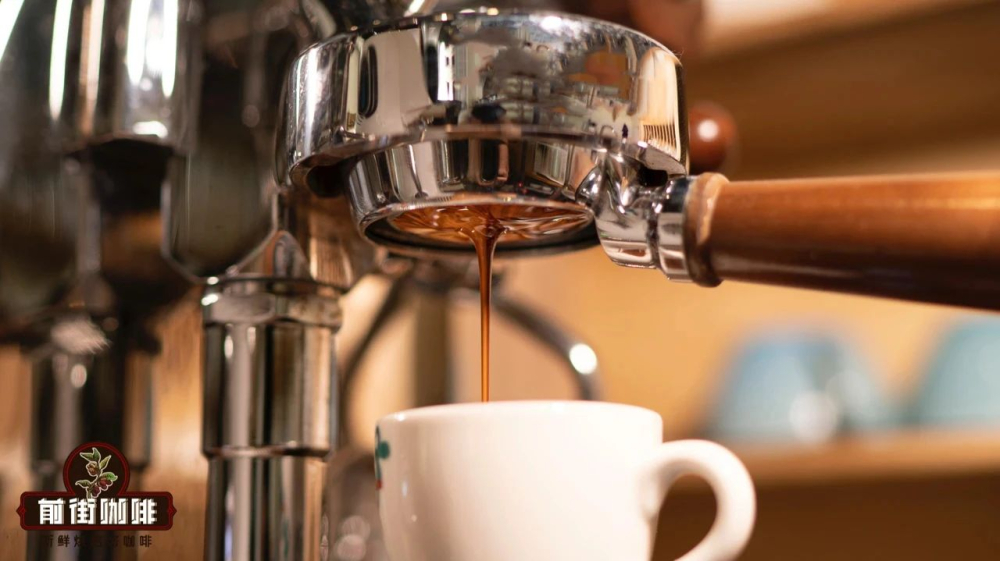
When actually brewing SOE, it is recommended to use a double-shot basket, with around 18–20 grams of coffee, aiming for about 40 grams of extracted liquid, achieving a coffee-to-water ratio of approximately 1:2, and controlling the extraction time between 26–33 seconds. Such parameters help balance acidity, sweetness, and bitterness, highlighting the unique floral, fruity, or citrus notes of the SOE beans. When used for Dirty drinks or lattes, you can also adjust the ratio according to personal preference to create diverse flavor experiences.
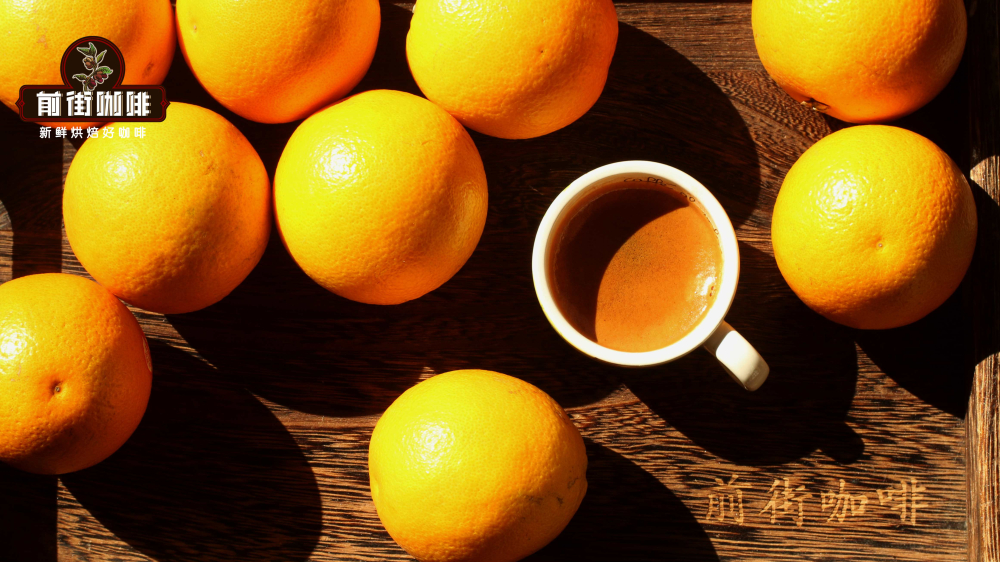
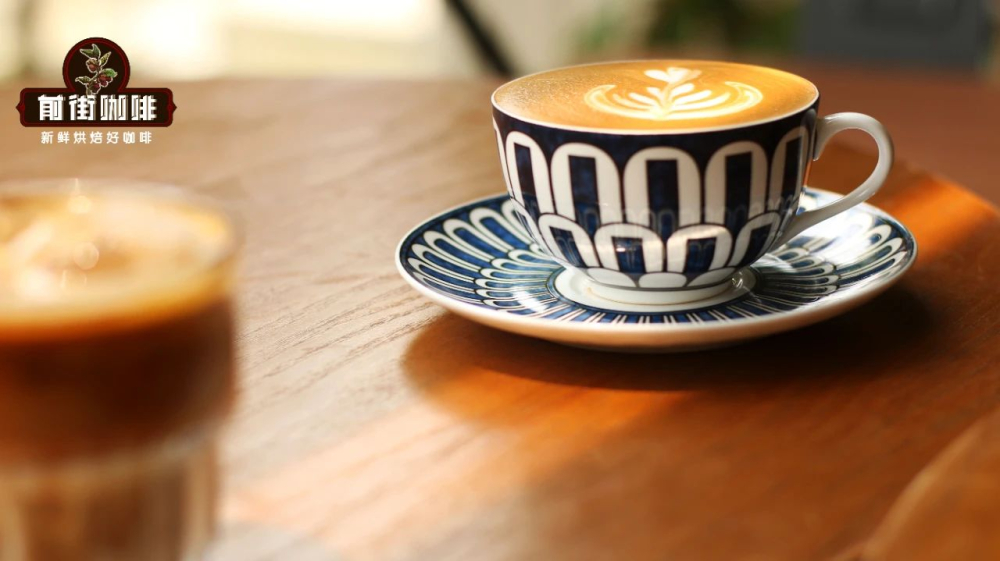
For example, using a naturally processed Yirgacheffe SOE bean (such as from the Konga region), under appropriate roasting and brewing conditions, can yield bright lemony acidity and honey-like sweetness. When paired with a hot latte, it becomes even richer and smoother. Meanwhile, making an iced Dirty drink highlights its layered fruitiness and fresh aftertaste through the contrast of briefly extracted espresso and ice water.
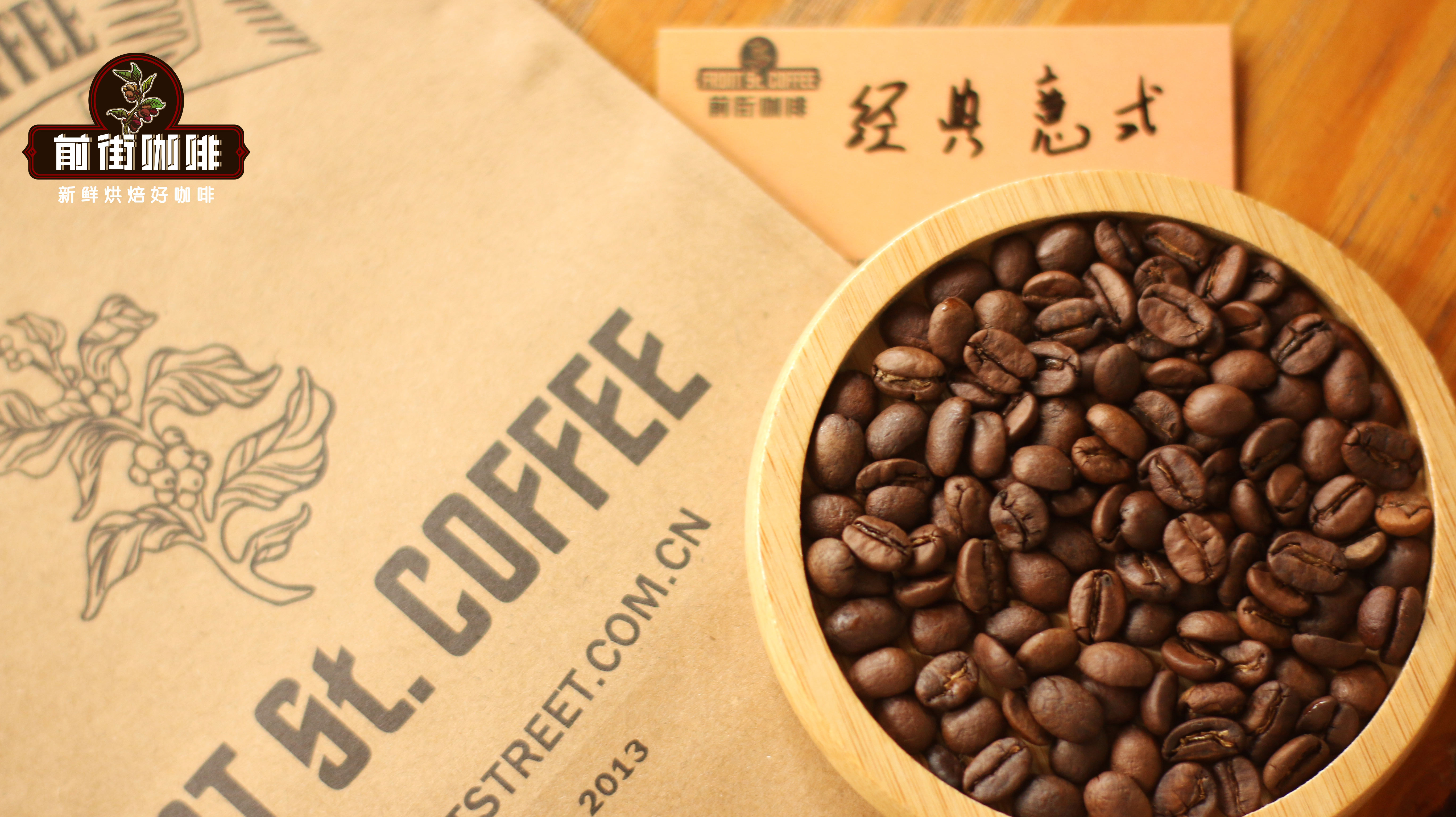
In summary, SOE and blend coffee beans each have their strengths:SOE emphasizes regional characteristics and flavor expression, making it suitable for coffee lovers who pursue detail and variety; blends focus on stability, balance, and cost-effectiveness, serving as a practical choice for daily drinking. Regardless of which you choose, understanding its characteristics and suitable brewing methods can allow you to enjoy coffee more deeply.
The above content is compiled by CoffeeHunters, a coffee news website.

