







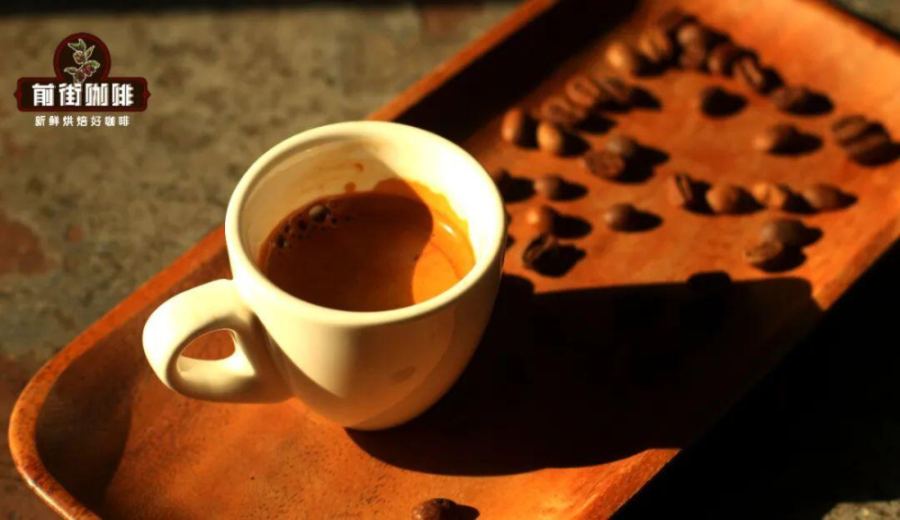
Introduction:Have you ever wondered why SOE coffee beans in specialty coffee shops are often priced slightly higher than traditional espresso blends? This article delves into the definition, historical evolution, and market positioning of SOE (Single Origin Espresso), exploring its key differences from conventional espresso blends in terms of flavor profile, roasting strategy, and extraction performance. It also provides practical advice to help readers make more informed choices based on their taste preferences.
In today’s coffee market, to create distinctive beverage styles, an increasing number of coffee shops are offering their own roasted SOE beans for customers to choose from. When consumers switch from familiar blends to SOEs, they often notice the price is a few yuan higher—what’s behind this?
SOE stands for “Single Origin Espresso”, which literally translates to single-origin espresso beans, making it distinctly different from the commonly heard house blend espresso. In the early days of espresso’s popularity, coffee shops around the world commonly used single-origin beans from specific regions, such as classic Mocha or Brazilian beans. At that time, the concept of “single origin” was not particularly emphasized because it was the norm.
However, as coffee consumption increased, the production volume, quality, and flavor performance of beans from different regions began to fluctuate. To maintain extraction stability and a balanced final flavor, some roasters started blending beans from different origins, using the complementary characteristics of each bean to offset potential flaws from a single region.
At the same time, to further mask the inherently sharp acidity or unpleasant taste of certain beans, most blends were subjected todark roasting. This approach not only helped unify the overall flavor profile but also contributed to the formation of rich coffee crema. Even when facing unstable raw material quality or poor harvests, roasters could flexibly adjust the blend ratios.
Before the concept of specialty coffee became widespread, the ingredients for espresso on the market were mostly blends of beans from two or more regions, with little emphasis on details like origin or processing batches. Influenced by dark roasting, these coffees mostly exhibited deep, intense flavors such as caramel, dark chocolate, nuts, cream, and cocoa.
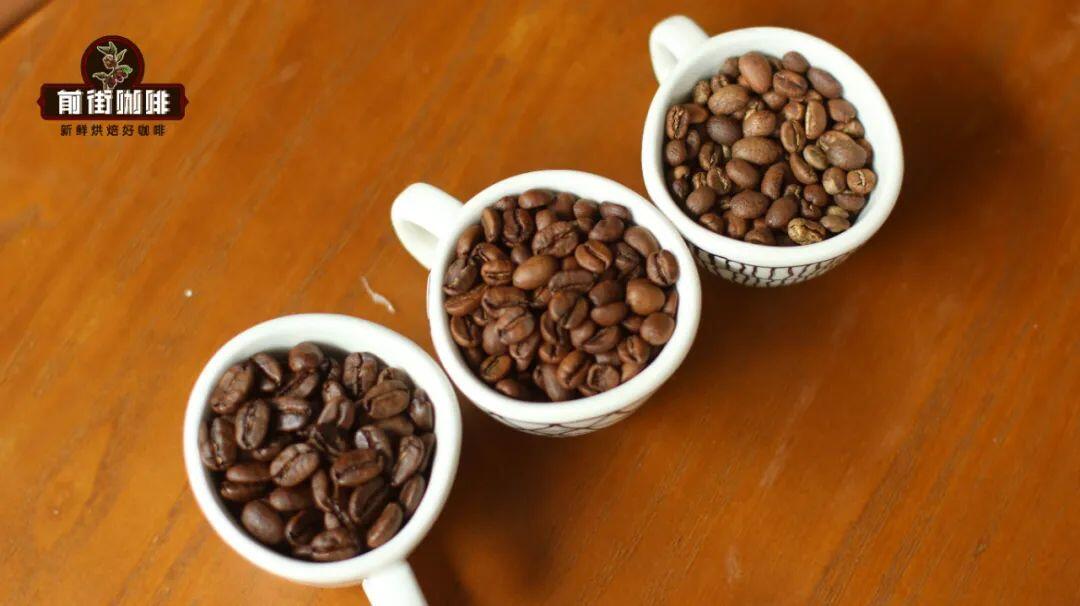
The turning point came in the 1980s, with advancements in agricultural technology and quality control standards leading to significant improvements in the quality of beans from many regions. Coupled with the rise of the “specialty coffee” philosophy, the industry began to value the unique terroir characteristics of each origin. Roasters gradually adjusted their strategies, lightening the roast degree of some beans to highlight their regional floral and fruity notes, rather than solely pursuing intense bitterness and richness.
Initially, single-origin beans were mainly used in drip extraction methods such as pour over, siphon, or French press. It wasn’t until 2007, when World Barista Championship (WBC) competitor James Hoffmann used single-origin beans to make espresso and won the championship, that the SOE concept officially entered the mainstream and spread widely with the specialty coffee wave.
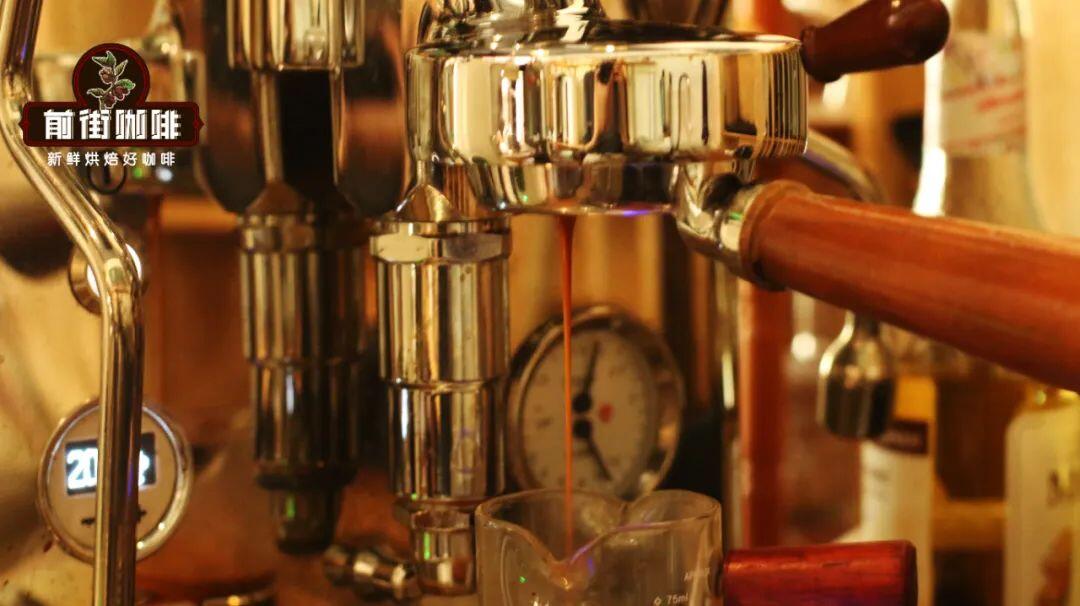
Compared to traditional blends, SOEs typically use high-quality single-origin green beans and tend to employ a lighter roast to showcase their unique fruit acidity and fresh layers. For example, Ethiopian beans often exhibit distinct citrus and lemon notes, Costa Rican beans may present sweet raisin and honey undertones, while Kenyan beans are known for their bold tomato and berry profiles. This highly recognizable flavor expression allows consumers to easily remember the unique personality of each SOE, but due to higher raw material costs and processing challenges, the price is naturally more expensive than regular blends.
One coffee team pointed out that the original intention of SOE is to “highlight the bean’s inherent potential,” emphasizing the personalized espresso expression that each single-origin coffee can deliver. Compared to blends that emphasize balance and a full-bodied taste, there is no absolute superiority between SOE and blends—the key lies in whether consumers prefer classic, rich, and cost-effective cocoa-toned coffee or a premium experience with delicate floral and fruity aromas.
It’s worth noting that although SOEs have become a market trend, with many shops introducing single-origin beans with detailed origin information in an attempt to create differentiated espresso offerings, the actual tasting experiences vary widely. Some espresso labeled as SOE, despite being marketed as single-origin, fails to truly showcase the flavor potential it claims.
As mentioned earlier, the charm of SOE lies in its highly recognizable flavor expression. Therefore, an outstanding SOE coffee depends not only on high-quality green beans but also, to a great extent, on the professional “interpretation” skills of the roaster and barista.
In practice, if an SOE coffee bean is roasted too dark, it can easily result in overly bitter and astringent espresso, with aroma characteristics failing to fully express themselves. Conversely, if the roast is too light, while more delicate fruit acidity and floral notes can be preserved, it places higher demands on extraction parameters (such as grind size, water temperature, and brew ratio). Any slight misstep can lead to sourness, astringency, or a thin taste, further affecting the overall performance when used in Americanos or lattes.
In summary, choosing SOE coffee beans is not only a pursuit of flavor diversity but also a rigorous test of professionalism across the entire process from roasting to extraction. Only when every step is executed precisely can the unique charm of single-origin coffee beans truly shine.
The above content is compiled by CoffeeHunters, a coffee news website.

