








Introduction:Want to make café-quality lattes at home? This article delves into the history of the latte, exploring whether it truly originated in Italy, detailing the ideal ratio of espresso to milk in traditional recipes, and sharing easy-to-follow brewing and latte art techniques for home use. It covers both hot and iced latte preparation methods and even introduces the popular Dirty coffee trend—its characteristics and differences—helping you master everything from basics to advanced skills in one go.
The word “latte” actually means “milk” in Italian. As the name suggests, a latte is a style of coffee made by combining espresso with a certain proportion of milk. Although often mistaken as originating from Italy, its earliest prototype can be traced back to the 17th century in the musical capital of Vienna. When the Turkish army withdrew, they left behind a large quantity of coffee beans, which became the raw material for the first coffeehouse. To make the bitterness of black coffee more palatable to Europeans, the shop owners innovatively added a generous amount of milk, resulting in a smooth and sweet milky coffee that gradually evolved into the latte we know today.

To make a standard latte, you only need two basic ingredients: espresso and milk. However, there is no strictly unified ratio between them, with common ranges typically falling between 1:5 and 1:8. For example, one brand commonly uses a ratio of 1:6—that is, 40 grams of espresso liquid paired with 240 grams of milk. This ratio balances the richness of the coffee with the creaminess of the milk, making it very suitable for home experimentation. In professional settings, the soul of this coffee—espresso—is extracted by forcing hot water through finely ground coffee under high pressure, producing a small amount of highly concentrated, pure black coffee liquid with a golden crema on top.

Although espresso rarely appears alone on menus, it serves as the base for nearly all specialty coffee drinks, including Americanos, cappuccinos, and lattes. Therefore, if you want to make an authentic hot latte at home, it’s recommended to use a preheated coffee cup. Start by pouring the appropriate amount of espresso, then use the steam wand of an espresso machine to froth the milk to around 55–65°C. This temperature range creates fine milk foam with a certain thickness. Finally, blend the foam and coffee evenly. If your technique is skilled, latte art can add an extra touch of elegance to your cup.

If you prefer a cooler taste, the iced latte is a great option. One brand's method for making an iced latte involves placing about 75 grams of ice cubes in the cup first, followed by 25 milliliters of fresh milk, and then pouring 40 grams of extracted espresso on top. It is recommended to stir well before drinking to fully combine the coffee and milk, bringing out a balanced flavor. Additionally, the flavor profile of an iced latte often resembles the sweet aroma of liqueur-filled chocolate, with a creamy texture like butter—making it perfect for summer or anyone who enjoys a refreshing drink.
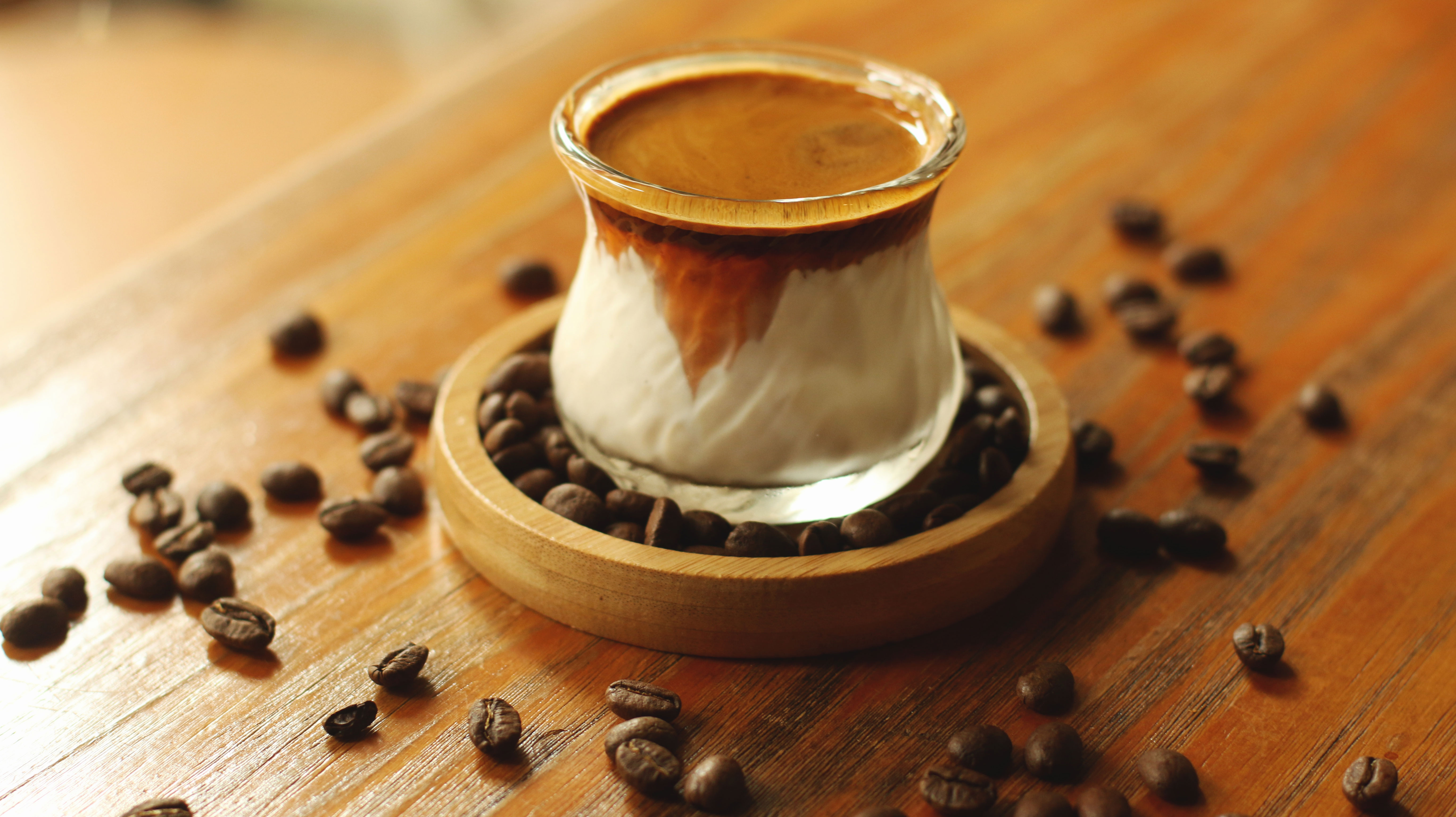
Speaking of iced coffee, we can’t overlook Dirty coffee, a wildly popular drink since 2019, also casually called “dirty coffee.” The defining feature of this coffee is pouring freshly extracted hot espresso directly into chilled milk. The contrast in temperature and texture creates a striking visual layering effect, with the coffee slowly flowing down the side of the glass, giving the impression of it getting “dirty.” Dirty coffee is usually served in smaller portions and is best enjoyed immediately to experience the unique interplay of hot and cold—a contrast that’s also part of its charm.
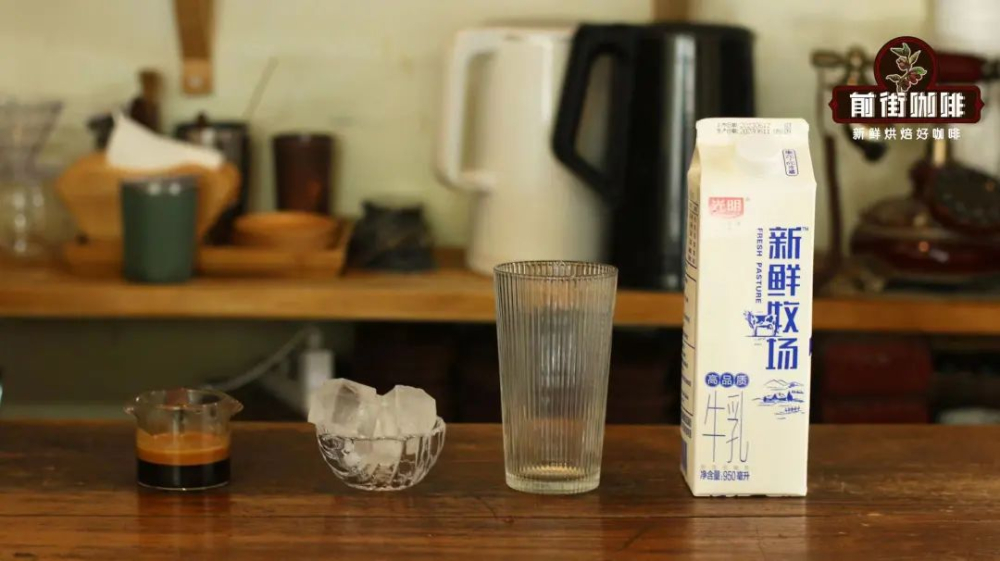
Below are detailed step-by-step visual guides for making iced lattes and Dirty coffee at home. Even beginners can follow along and enjoy the fun of making coffee by hand.
Steps for Making an Iced Latte:
Step 1: Prepare a cup with a capacity of about 300 milliliters.
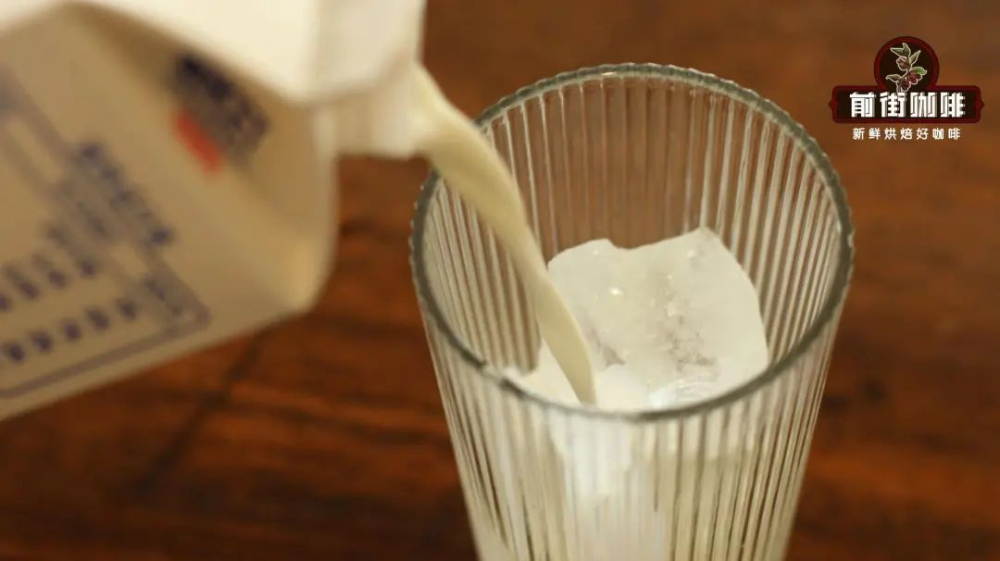
Step 2: Add about 80 grams of ice cubes, then pour in 170 milliliters of milk.

Step 3: Grind about 20 grams of coffee beans and extract 38 milliliters of espresso (adjust slightly based on equipment and bean conditions).
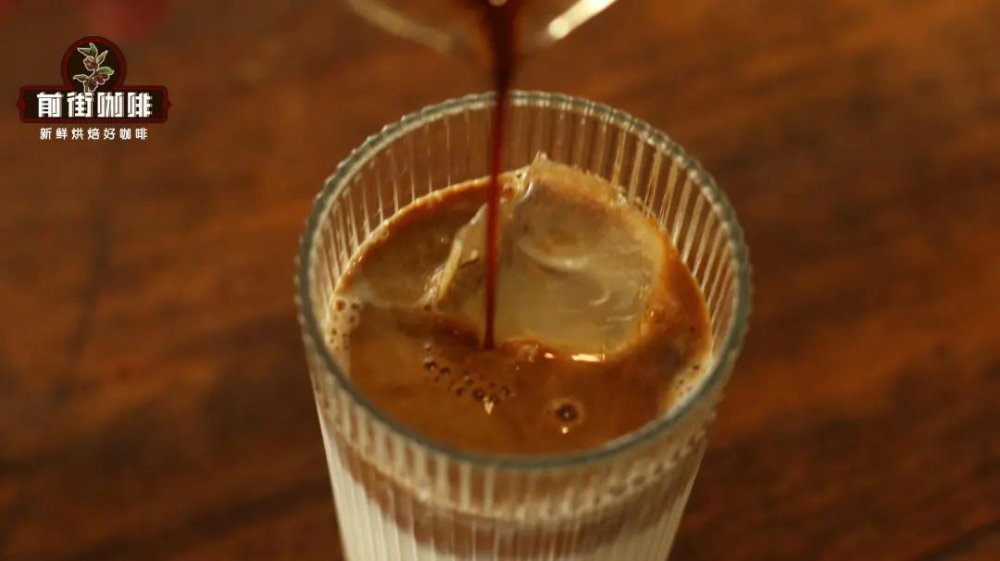
Step 4: Pour the extracted espresso into the cup already containing ice and milk.
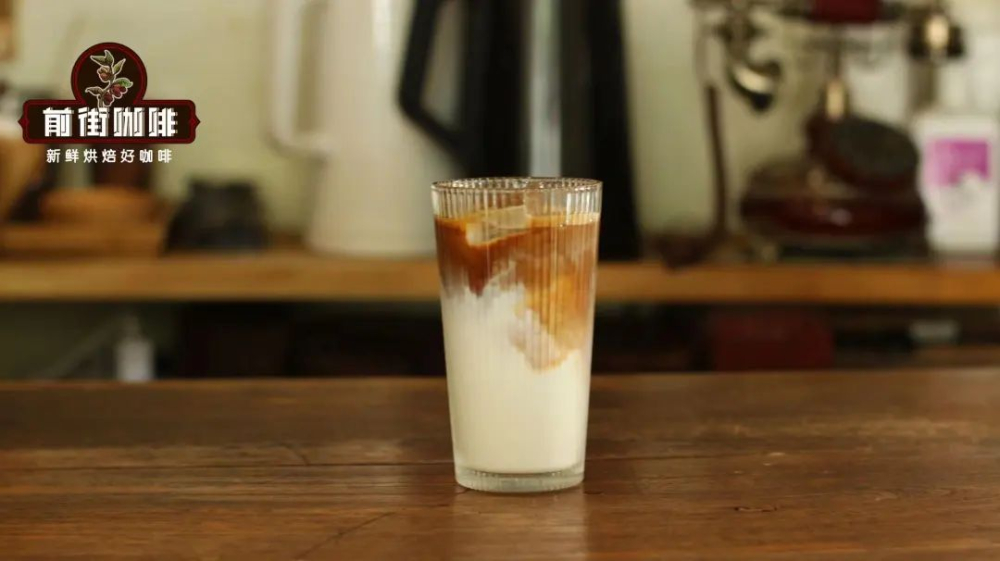
Step 5: Stir gently to combine, and enjoy a refreshing iced latte!
Steps for Making Dirty Coffee:
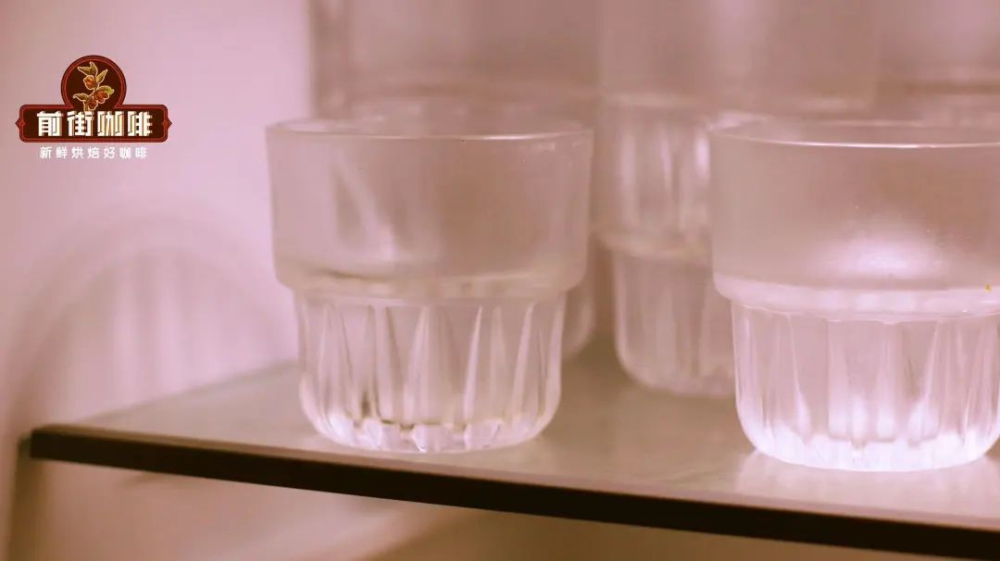
Preparation: Chill the cup you plan to use in the refrigerator beforehand to ensure it’s cold, which helps maintain the hot-and-cold layering effect.
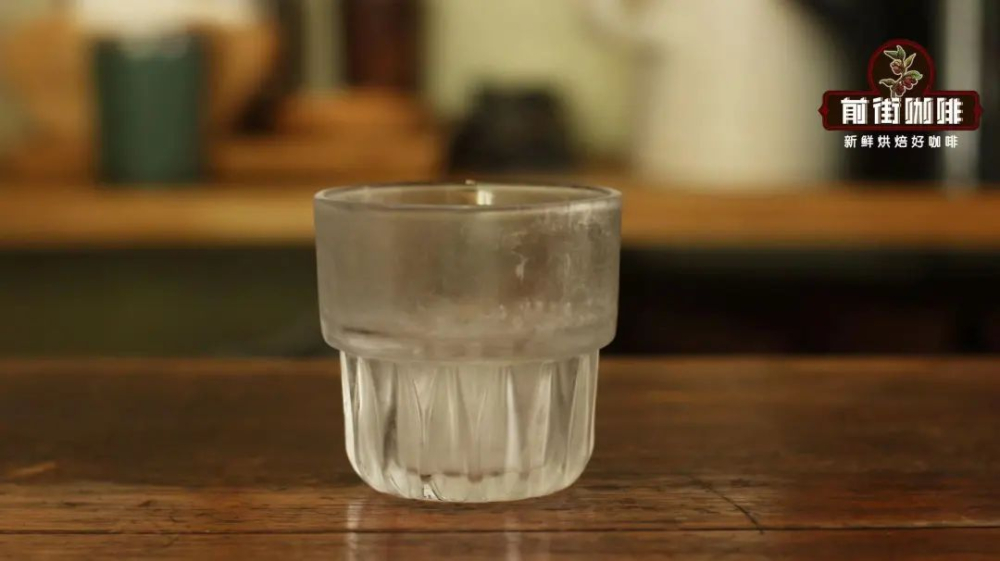
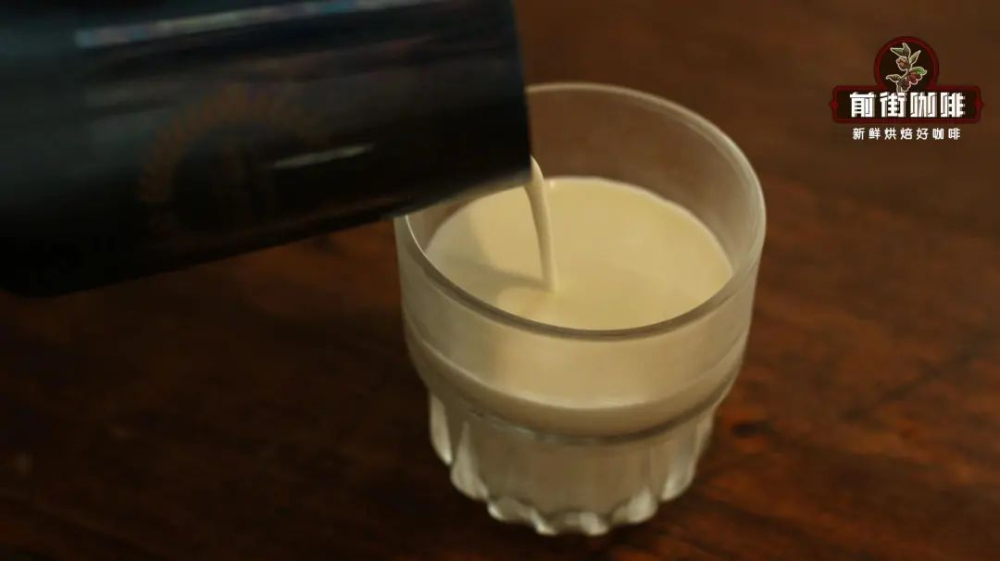
Step 1: Take out the chilled cup and pour in 180 milliliters of iced milk.
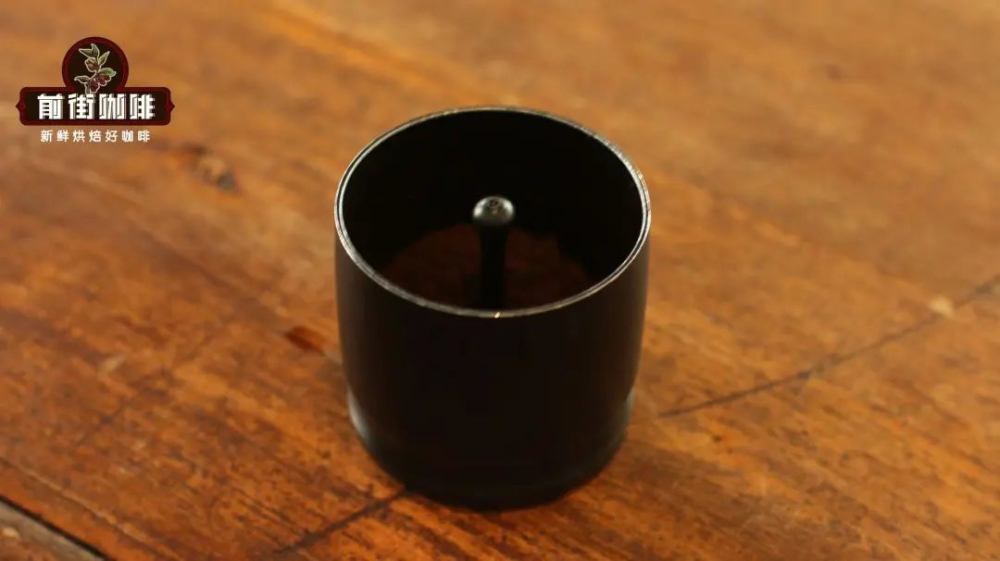
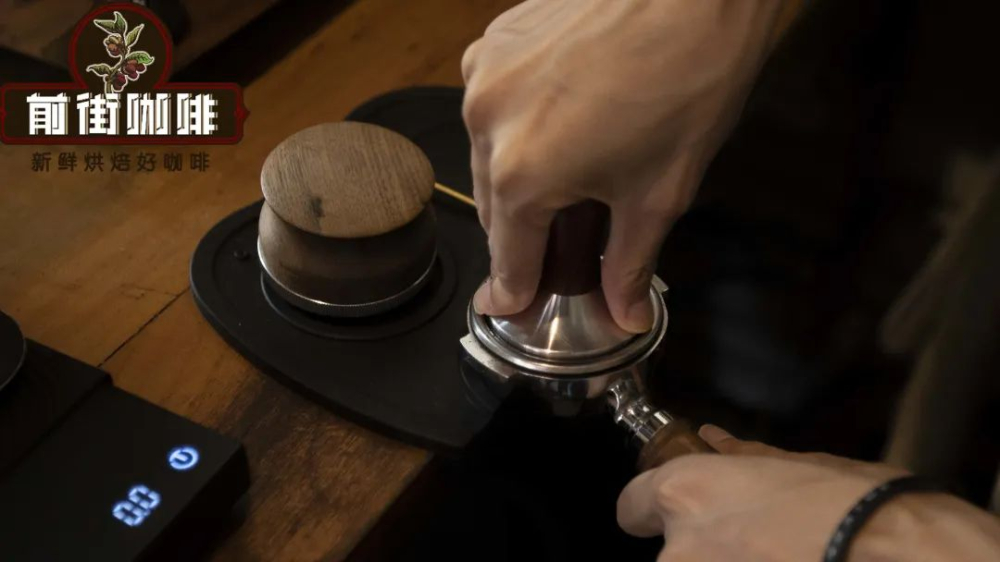
Step 2: Grind the coffee beans and tamp them into the portafilter, preparing to extract the espresso.
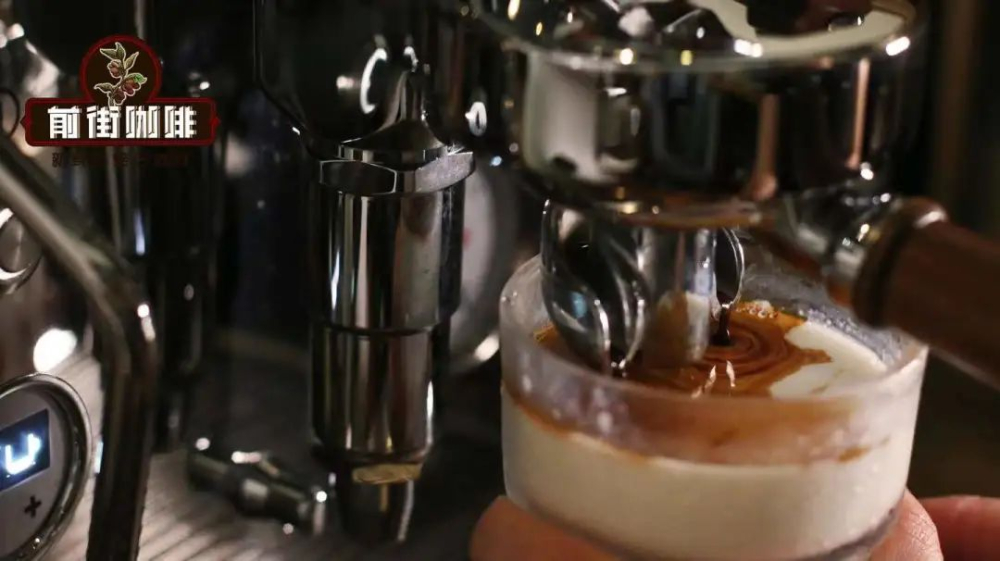
Step 3: Place the cup under the coffee machine’s brew head and begin extracting the espresso, allowing the hot coffee to fall directly onto the surface of the iced milk, creating a distinct layered effect.
Step 4: After the espresso extraction is complete, it’s recommended to drink it immediately for the full experience of the contrasting hot and cold sensations—this is the true allure of Dirty coffee.

The above content is compiled by CoffeeHunters, a coffee news website.


