








Introduction:Have you ever ordered a ‘Flat White’ or ‘Au Lait Blanc’ at a coffee shop, but weren’t sure how it differs from a cappuccino or latte? This article will delve into the origins and characteristics of the flat white, and analyze the recipe and flavor profile of a certain brand’s ‘Refined Au Lait Blanc’. By comparing milk foam thickness, espresso base, and milk ratio, we’ll help you find the milk coffee that best suits your taste.

Whenever winter arrives, the demand for hot milk coffee rises significantly—whether it’s classic lattes, cappuccinos, or the flat white, which has gained prominence among coffee enthusiasts in recent years. This coffee beverage, originating from Australia and New Zealand, was initially called Flat White. Upon entering the Chinese-speaking market, due to varying brand translations, it is also commonly referred to as ‘澳瑞白’ (Ao Rui Bai) or ‘馥芮白’ (Fu Rui Bai). What is the charm of this coffee that has elevated it from a local drink to a global favorite?

There are many legends about the birth of the flat white. One story goes that a barista accidentally pulled an espresso with overly thin milk foam while making a hot milk coffee, but decided to serve it anyway. To their surprise, customers were amazed by this drink with its fine, dense foam—almost level with the rim of the cup. Thus, it was named ‘Flat White’, meaning ‘平白’ (flat white), symbolizing its foam surface that is nearly parallel to the cup rim and its smooth, uniform texture.

To make an authentic flat white, three key elements are crucial: extremely fine and slightly thin milk foam, moderately warm milk temperature, and a relatively small serving size. This combination ensures that each sip blends the foam and coffee-milk evenly, and is enjoyed before the foam separates. Additionally, its base typically uses a double ristretto shot to enhance the richness and layered complexity of the flavor.

The so-called ristretto is actually a variation derived from the traditional espresso. In Italian, ‘Ristretto’ means ‘restricted’, referring to extracting only the first half of a standard espresso shot—not only resulting in higher concentration but also a more focused flavor. Taking a common blend as an example, using a mix such as Honduran Sherry and Yirgacheffe Natural can bring out complex layers of whiskey-like aroma, vanilla, cream, and tropical fruits. A certain brand’s ristretto uses 20 grams of coffee grounds to extract just 27 grams of coffee liquid, with an extraction time controlled between 20–25 seconds. This shorter extraction time compared to a standard espresso creates a more intense berry acidity and a caramel-like finish.

After completing the ristretto extraction, the next step is to steam about 150 milliliters of milk to a fine and smooth microfoam state. Compared to the 0.5-centimeter-thick foam of a latte, the flat white requires even thinner foam, generally advised to be between 0.3–0.5 centimeters, to create a silky-smooth mouthfeel. The milk temperature is recommended to be maintained at 55–60 degrees Celsius, ensuring warmth while keeping it smooth on the palate. The steamed milk is then slowly poured into the coffee, with latte art added optionally based on personal preference. The final result offers a harmonious flavor profile blending notes of vanilla, cream, chocolate, and whiskey.

When comparing the flat white, cappuccino, and latte, the most noticeable differences lie in the foam thickness and overall texture structure. Cappuccinos usually feature 1–2 centimeters of thick, ‘hamburger-style’ foam, where drinkers often sip the foam first before tasting the coffee beneath. Lattes have about 0.5-centimeter-thick foam, allowing the blend of coffee and milk to be more easily perceived. The flat white, on the other hand, emphasizes extremely fine foam that almost lies flush with the liquid surface, aiming to deliver a uniform experience of foam and coffee-milk in every sip—resulting in a smoother, richer, and more layered taste.
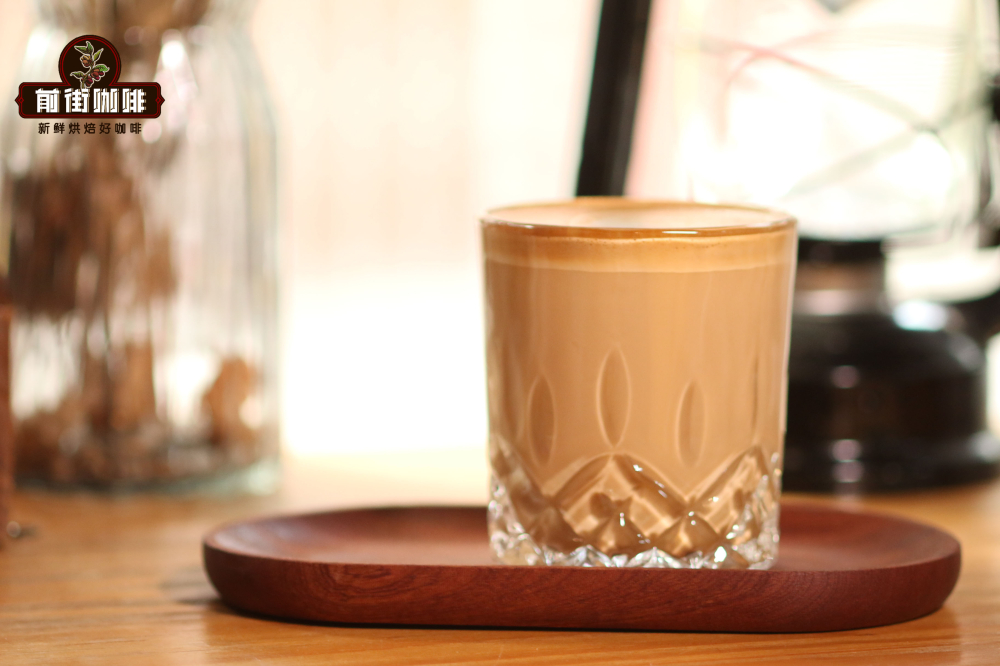
In summary, whether you prefer the milky richness of a latte, the foamy abundance of a cappuccino, or the delicate balance of a flat white, these three classic milk coffees each have their unique charm. The choice depends on your personal preferences regarding foam thickness, espresso intensity, and overall mouthfeel. Understanding their differences allows you to make a more flavor-aligned decision the next time you walk into a coffee shop.
The above content is compiled by CoffeeHunters, a coffee news website.


