








Introduction:Want to learn about the origins and characteristics of the Flat White (also known as Aussie Flat White or simply Flat White)? This article delves into this classic milk-based coffee drink originating from New Zealand and Australia, including its connection to Starbucks' Flat White (referred to locally as “馥芮白”), whether it can be served cold, and the key differences between Ristretto and regular espresso. It also shares expert brewing techniques and flavor profiles to help you better understand this globally beloved rich and creamy coffee.
What is a Flat White?This milk-based coffee drink, translated in Chinese as "平白", "澳白" or "鮮奶濃縮咖啡", can be traced back to the 1980s in New Zealand and Australia, evolving from the coffee culture introduced by Italian immigrants. Although a well-known chain brand in the Chinese market refers to it as "馥芮白", it is essentially a coffee beverage that emphasizes a strong coffee flavor paired with delicate microfoam.

There are two common theories about the origin of the Flat White:One is that a barista originally intended to make a cappuccino with thicker foam and a stronger coffee flavor, but due to under-aerated milk, ended up with thinner foam and a more pronounced coffee taste; the other theory suggests it was created in response to customer demand—a small cup of concentrated-flavor milk coffee with a coffee-to-milk ratio close to 1:1, around 3 ounces (approximately 90 ml), and more intense than a regular latte.
So, can Flat White be made into an iced version?Although traditionally served hot to bring out the best in its layered flavors and texture, some chain brands such as Starbucks also offer iced versions. However, iced Flat Whites often lose some of the richness and smoothness due to temperature effects. If you prefer a stronger coffee flavor and a silky-smooth mouthfeel, it's recommended to go for the hot version.
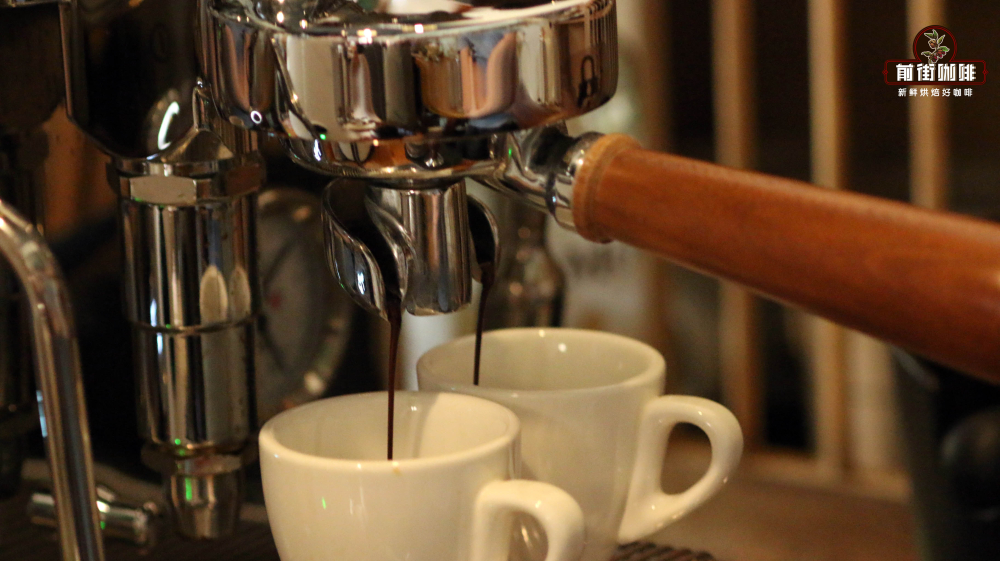
One of the key elements that distinguish Flat White from a regular latte is its use ofRistretto—a technique where a smaller amount of coffee is extracted under the same conditions as a regular espresso, typically at a coffee-to-water ratio of around 1:1.6. As a result, the flavor is more concentrated and the body is denser.If the coffee beans themselves have noticeable acidity, the acidity will also be more prominent in the Ristretto.。

For example, a well-known coffee shop uses its own "Sunflower Warm Sun Blend", composed of 30% Ethiopian Natural Yirgacheffe and 70% Honduran Sherry coffee beans. Cupping notes reveal layers of whiskey-like aroma, soft berry acidity, vanilla cream, and nutty caramel. When making espresso, the shop typically uses 9–10 bar pressure with a coffee-to-water ratio of around 1:2—single shots use 9–11 grams of coffee grounds to extract 15–25 grams of coffee, while double shots use 18–20 grams to extract 35–45 grams. The Ristretto, using the same grind size and dose, is pulled with less liquid to enhance overall intensity.
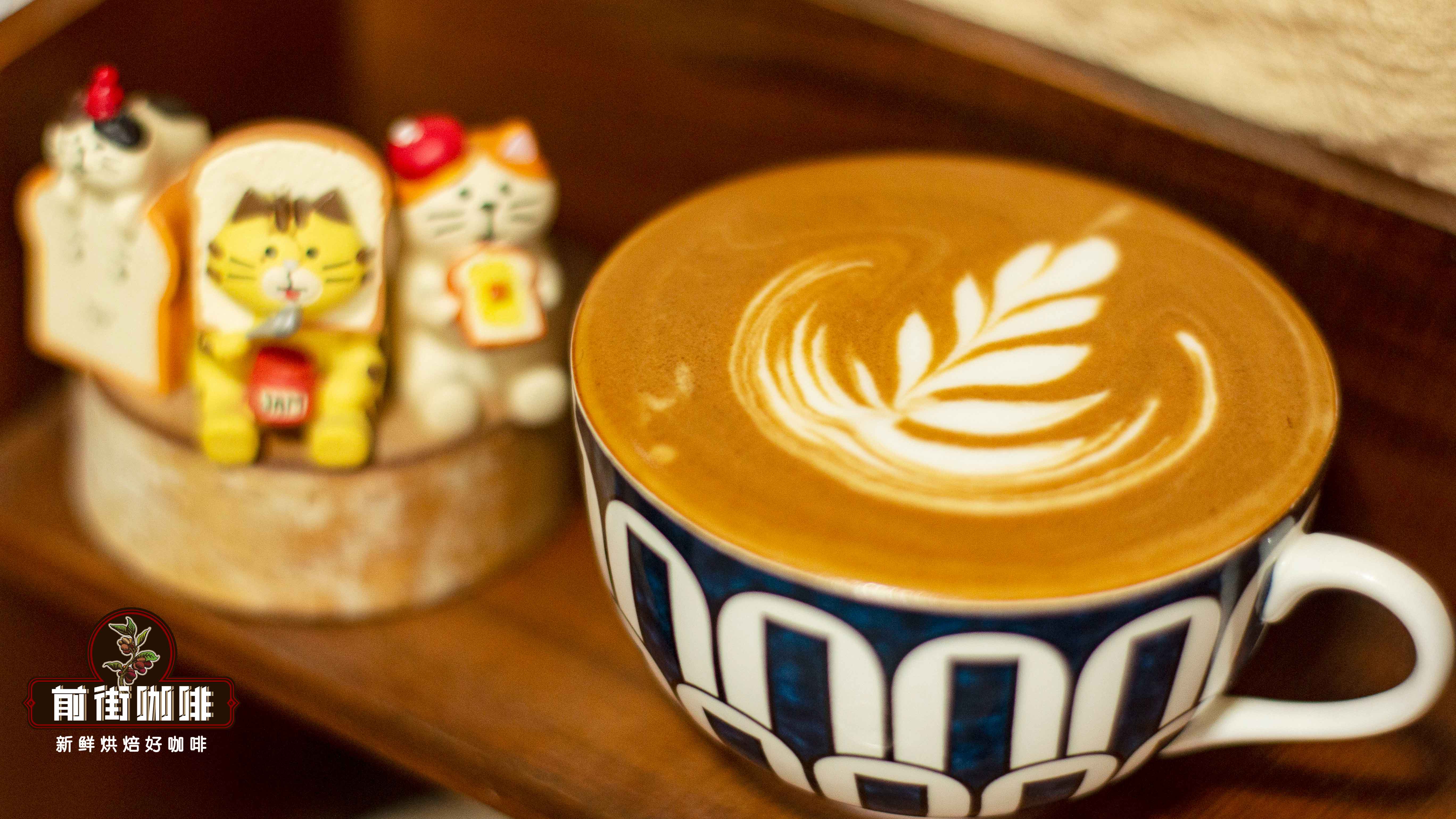
As for how a Flat White is actually made, a popular coffee shop typically uses a 200 ml cup, adds a double Ristretto (around 35 grams of coffee liquid), and then pours steamed milk with thin microfoam into the center, gently breaking through the espresso to create a three-layer flavor experience: the first sip reveals the fermented wine-like aroma of the espresso, the second combines coffee and milk into a strawberry milkshake-like flavor, and the finish leaves a roasted nut aftertaste.
To achieve the optimal texture, the milk foam layer in a Flat White is kept extremely fine, at about 0.3 mm thick, aiming for a velvety smooth feel rather than the fluffy airiness found in cappuccinos or lattes. The final serving temperature is recommended to be around 50–55°C, allowing customers to enjoy this classic creamy coffee from the Southern Hemisphere at its most pleasing consistency.

The above content is compiled by CoffeeHunters, a coffee news website.


