








Introduction:Have you ever ordered an "Affogato Bianco", "Flat White", or "Flat White" at a café and been unsure what it actually is? In fact, they are all variations of the Australian-originated Flat White. This article will delve into the standard recipe of a Flat White, the golden ratio of coffee to milk, and compare its key differences with latte and cappuccino in terms of milk foam thickness and taste. We’ll also explore how the fineness of the milk foam affects the flavor, and finally guide you through the professional process and techniques for making a Flat White.
When you walk into major chain coffee shops like Starbucks or Luckin, or independent cafés, you often see drinks with “white” in their names on the espresso menu — such as Starbucks’ “Blonde Latte”, Luckin’s “Aurora White”, or what some independent cafés call “Flat White”. These are all actually the same classic Australian-style milk coffee — the Flat White. So, how is it made? And how does it differ from a latte? Let’s start with the basic definition.

The name “Flat White” directly highlights its characteristics — “Flat” implies smoothness. This Australian-originated coffee drink combines fine-textured milk foam with a well-extracted shot of espresso, aiming to deliver a smooth yet not heavy experience with a distinct coffee flavor. It is primarily made with a double ristretto or double espresso, paired with a small amount of steamed milk and extremely fine milk foam. The milk foam is only about 0.5 cm thick, which is one of the key factors that distinguish it from other milk-based coffees.

Comparing the Flat White with a latte, there are clear differences in the coffee-to-milk ratio and taste. A latte (Coffee Latte), which means “coffee with milk” in Italian, typically uses one or two shots of espresso as the base, with a large amount of milk and about 1 cm of milk foam. Its overall flavor is dominated by the milk, with a relatively softer coffee taste. The Flat White, on the other hand, goes against this norm by using a double espresso or ristretto as the base, with only a small amount of milk and an extremely thin layer of foam (about 0.5 cm), allowing the aroma and intensity of the coffee to stand out more. In terms of taste, a latte feels creamy and smooth, with a noticeable milky flavor; the Flat White feels more refined, lighter, and allows the true coffee flavor to shine.
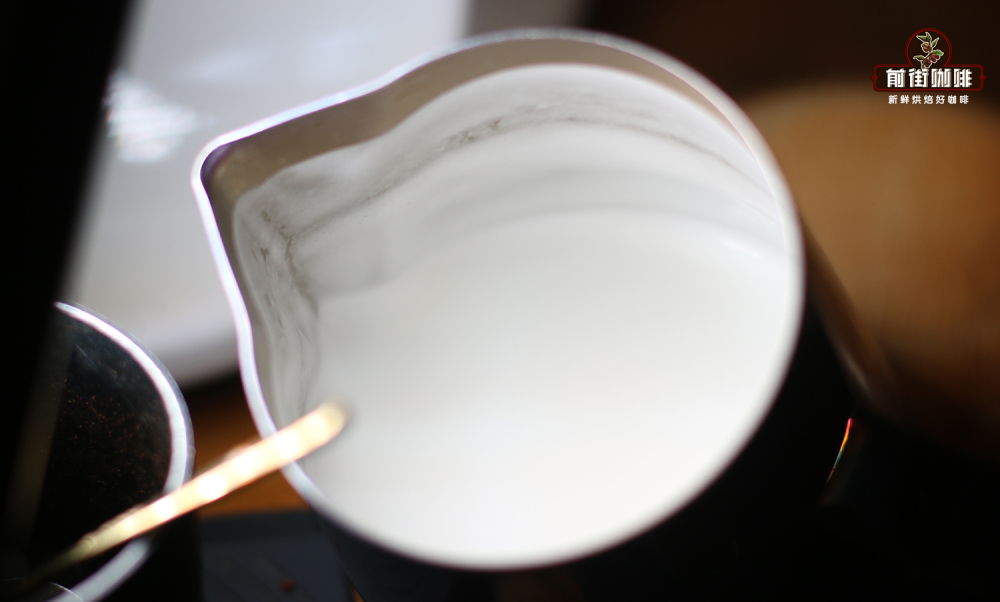
The thickness and texture of the milk foam greatly affect the final flavor and mouthfeel of the coffee. Taking three common milk-based coffees as examples: the Flat White has the thinnest foam, at only about 0.5 cm, with a smooth, silky texture and high fluidity, allowing the coffee flavor to reach the taste buds more directly; the latte has slightly thicker foam, about 1 cm, with moderate fluidity and density, offering a delicate and full-bodied mouthfeel; the cappuccino has the thickest foam, around 1.5 cm, resulting in a more solid texture, often with more layers of foam. Therefore, the foam is not just decoration but an important element that adjusts both flavor and texture.
Why do we need to heat the milk and create foam when making these milk coffees? The key lies in the use of the steam wand. By steaming the milk while stirring it, fine bubbles are formed. These microbubbles trap air and milk fat, making the milk smoother and sweeter. During steaming, lactose dissolves into the milk due to the heat, while milk fat stabilizes the foam structure, allowing the foam to slowly release its aroma upon consumption, enhancing the overall flavor complexity. The proper angle and depth of the steam are also crucial. It’s recommended to position the steam wand at the 2-3 o’clock or 9-10 o’clock position relative to the center of the pitcher, about 0.5–1 cm from the spout, creating a small whirlpool to integrate larger bubbles and ensure a fine, even foam.
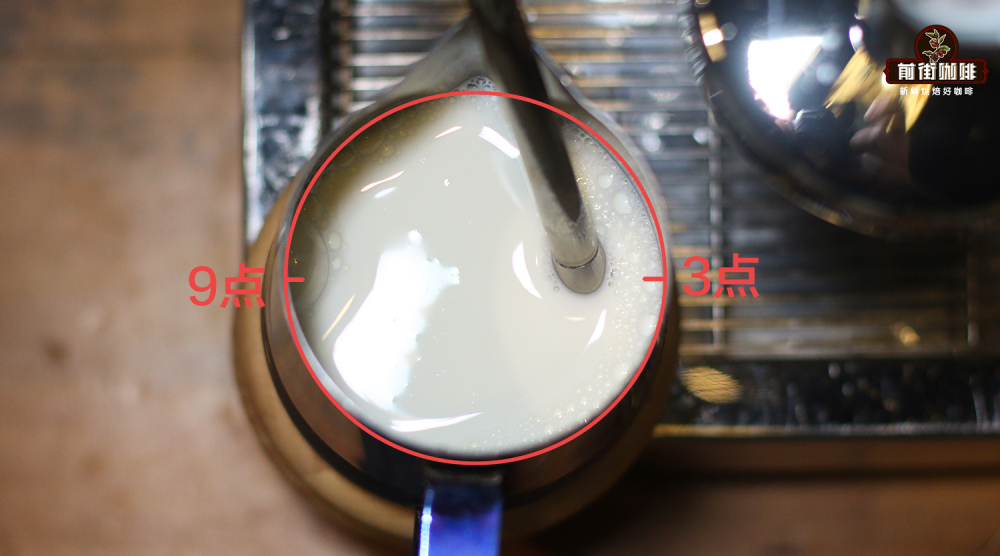
So, how is a Flat White made to be considered standard? Although some cafés now offer iced versions of the Flat White, traditionally it is mainly a hot drink, with an emphasis on highlighting the coffee flavor. In professional coffee shops, a Flat White usually uses a double ristretto, extracting about 35 grams of coffee with 20 grams of coffee grounds, with an extraction time controlled at around 26 seconds (which can be slightly adjusted based on the flavor characteristics of the beans). As for the milk, it only needs to be gently heated to around 55°C, and is mostly just briefly stretched (“fsshh”) or not stretched at all, to keep the foam extremely thin. Finally, the milk is slowly poured into the coffee. It’s recommended to serve it in a small cup of about 200 ml to maintain the perfect balance between coffee and milk, highlighting the rich coffee aroma without it being overwhelmed by the milk.

The above content is compiled by CoffeeHunters, a coffee news website.


