







Introduction:The concentration and flavor of espresso are key factors in determining the quality of a shot, yet many home baristas often encounter issues such as under-extracted, flat-tasting shots that lack complexity or even taste watery. This article delves into the core elements that affect espresso concentration — including brew ratio, extraction time, and grind size — and provides practical tips on how to enhance the richness and flavor profile of your espresso without altering the grind size.
To evaluate the quality of an espresso, the first priority should be the extraction of the espresso shot itself, rather than focusing solely on milk pairing or sweetness adjustments afterward. Among these, the concentration of the espresso and overall extraction performance often present significant challenges for home coffee enthusiasts. Common issues include overly light or “watery” espresso lacking the desired body and aroma. Many users wonder: if they don’t adjust the grind size, can they improve the concentration by extending the extraction time or extracting more liquid?
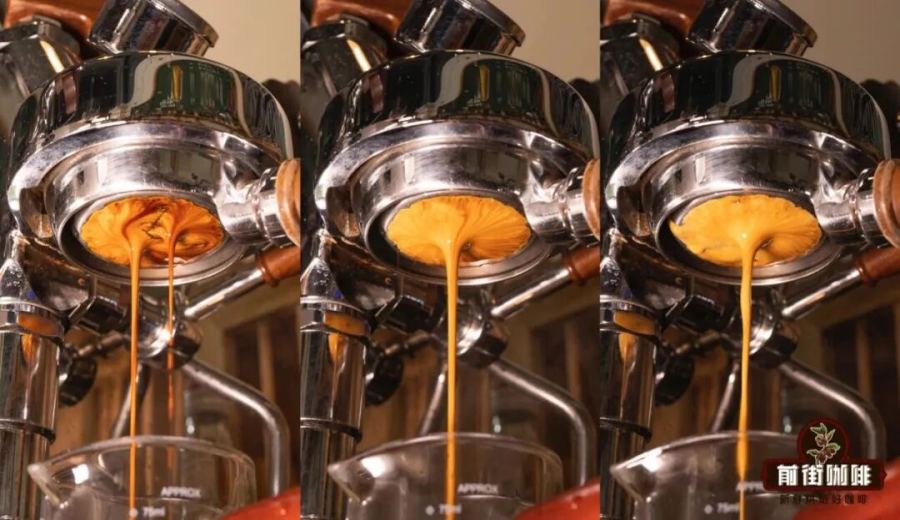
To answer these questions, it’s essential to first understand the extraction characteristics of espresso and the multiple factors that influence its concentration. In practice, a standard espresso extraction (for example, using 20 grams of coffee grounds to produce 40 grams of espresso under 9Bar pressure for about 30 seconds) clearly demonstrates varying performance across different stages of extraction. By dividing the extraction into 10-second intervals, one can distinctly compare the differences in aroma, concentration, and mouthfeel between the early, middle, and late stages.
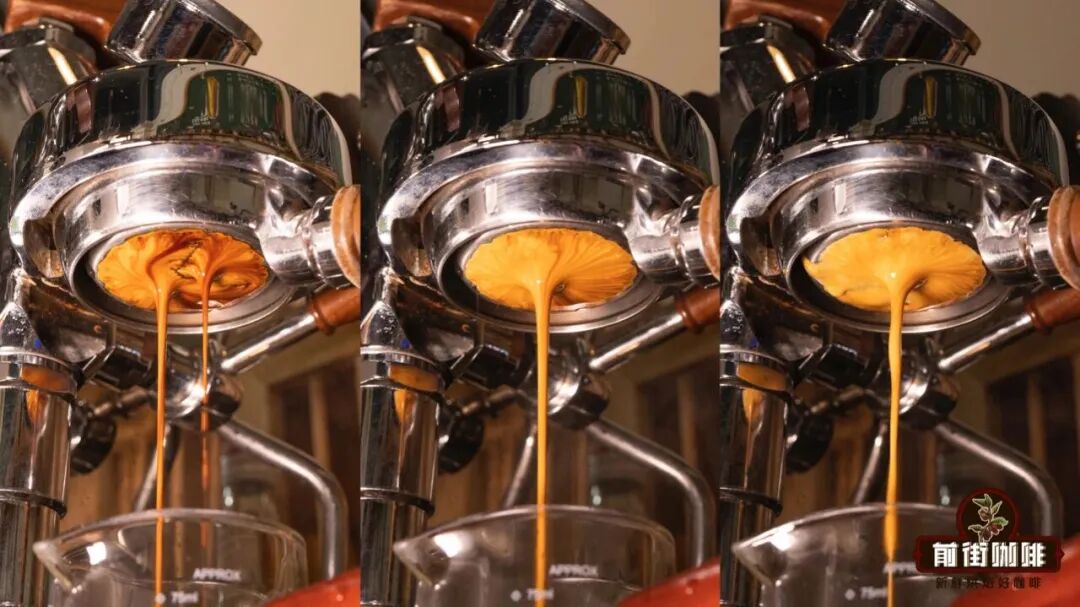
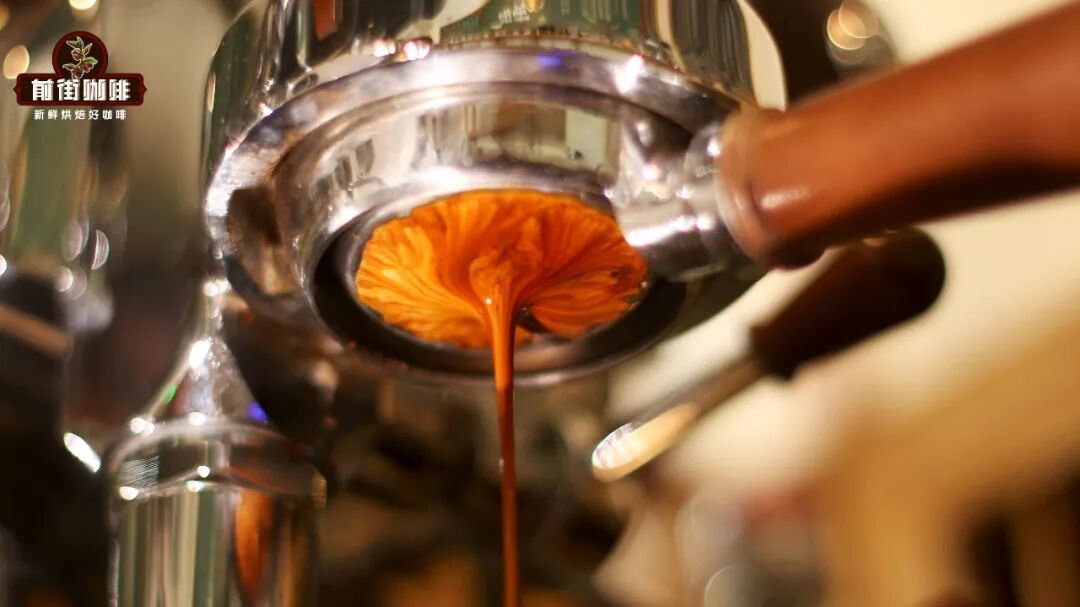
Generally speaking, the early-stage extraction tends to have the most intense aroma and a rich mouthfeel, with a dark crema exhibiting a glossy brownish color, often accompanied by distinct caramel and nutty notes, along with a slight salty undertone. As extraction progresses, the middle stage yields relatively balanced coffee with a smooth texture, where flavors mainly consist of nuts and chocolate. However, in the later stage, the liquid becomes lighter in color, the crema turns whitish, the aroma significantly weakens, and the taste becomes thinner. This is the phase where the release of desirable soluble compounds from the coffee slows down, while undesirable impurities such as woody or astringent notes may start to emerge.
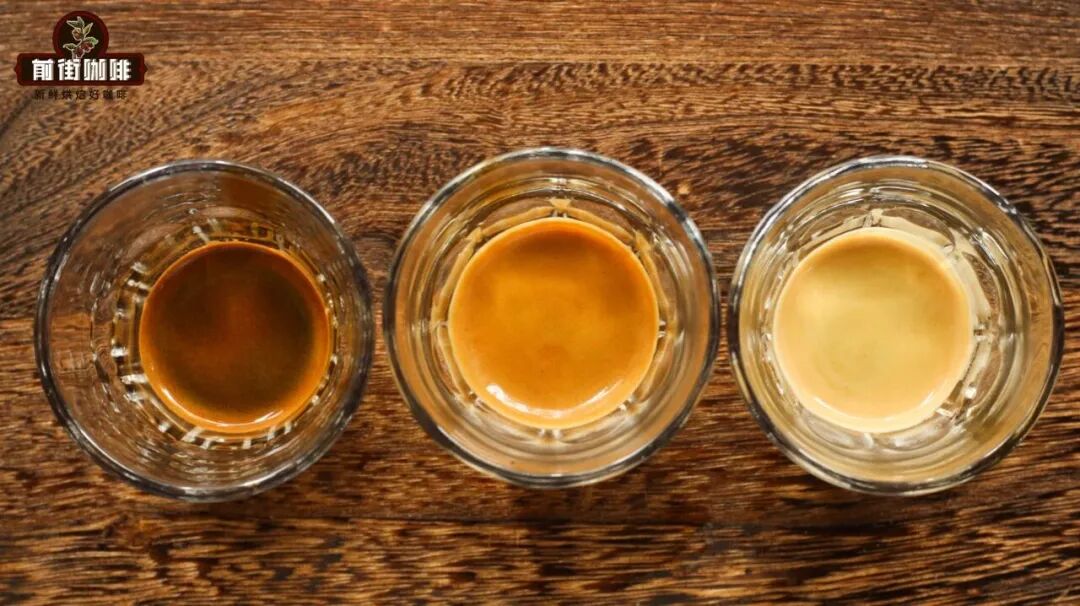
So, can you achieve higher concentration by simply extending the extraction time or extracting more liquid? The answer isn’t that straightforward. Theoretically, around 30% of the substances in coffee beans can be extracted by water, but not all of these extracted compounds are beneficial. The ideal extraction yield range is considered to be around 18% to 22%, which brings out the most pleasing aromatic compounds — this is known as the “Golden Cup Standard.” Once this range is exceeded, especially when the crema changes from golden to completely white, it indicates that most of the desirable flavors have already been released. Continuing the extraction will only introduce negative flavors like woodiness and astringency, compromising the overall cup quality.
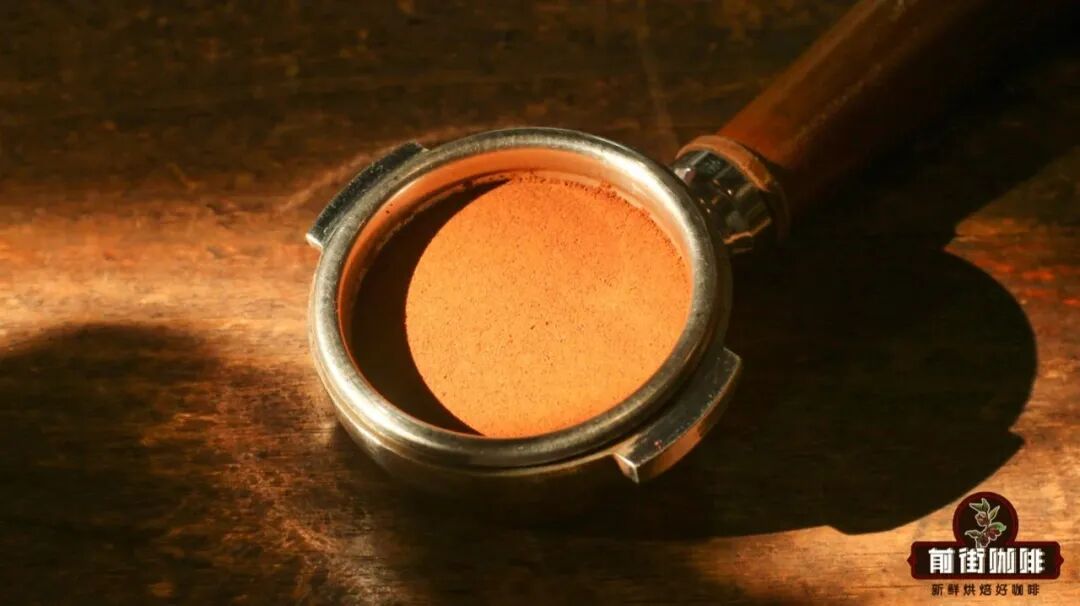
Unlike pour over coffee, the amount of water used in espresso extraction isn’t easily observable, so the industry commonly uses “brew ratio” as the key parameter for controlling extraction. Brew ratio refers to the proportion between the weight of coffee grounds and the final weight of the extracted liquid. A common range is from 1:1.5 to 1:2.5, with 1:2 being the most widely adopted and balanced choice — it maintains sufficient concentration while preserving delicate flavors. For beginners, it’s recommended to start with a 1:2 ratio and then fine-tune based on personal taste preferences.
Practical tests have shown that under fixed conditions — such as water temperature (around 94°C), pressure (around 9–10Bar), grind size (e.g., Galileo Q18 at setting 2), and coffee dose (20 grams) — varying the yield (40g, 46g, and 55g, corresponding to brew ratios of 1:2, 1:2.3, and 1:2.75) results in a decrease in coffee concentration as the yield increases. Flavor balance also deteriorates, showing signs of over-extraction. This is because although extending the extraction time can raise the overall extraction yield, it also leads to more water diluting the essential compounds in the coffee, resulting in a thinner and less harmonious flavor profile.

If you want to enhance the richness of your espresso, you can adopt different strategies based on the type of coffee beans and roast level used. For medium-to-dark roasted blends, their aromatic and sweet compounds are mostly concentrated in the early stage of extraction, whereas the later stage tends to bring out more impurities. It’s advisable to use a “high concentration, low yield” approach — for instance, adjusting the brew ratio to 1:1.5 and extracting only 30 grams of coffee. This effectively preserves intense aroma and a full-bodied mouthfeel, resulting in what is known as a Ristretto — a more concentrated and layered shot.

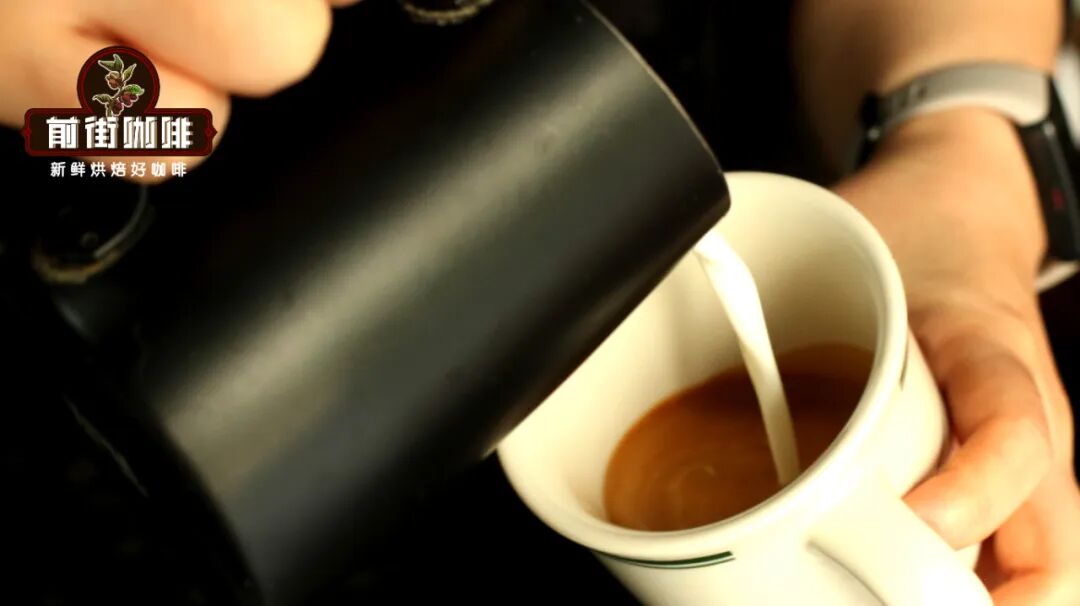
Conversely, if you’re using medium-to-light roasted single-origin beans (SOE) with bright acidity or light-bodied blends, you might consider extending the extraction time slightly to improve the overall extraction yield. For example, starting with the base of 20 grams of coffee, a 1:2 brew ratio, and a 40-gram yield, you could slightly increase the dose to 20.5 grams and extend the extraction time to 33–35 seconds. This allows more flavor compounds to be released, thereby enhancing the fruitiness and overall richness of the coffee. Especially when paired with milk, it can deliver a milk coffee with greater complexity and aromatic depth.

The above content is compiled by CoffeeHunters, a coffee news website.


