








Introduction:With its refreshing taste and low-calorie profile, Americano has become a top choice for many busy urbanites and fitness enthusiasts. But do you know the differences between hot and iced Americanos in terms of brewing methods, flavor profiles, and caffeine release? This article will delve into the principles behind making an Americano, common blend bean selections, extraction parameter settings, as well as the actual differences in taste and concentration between the iced and hot versions — helping you better understand what makes a great-tasting Americano.
Americano has long established itself as one of the most popular types of coffee worldwide. Whether it's used to cut through grease after a meal or as a daily pick-me-up, it's a familiar sight. This coffee, made by diluting espresso with hot or cold water, not only retains the bold core of espresso but also offers a more refreshing drinking experience due to the added water. Especially for consumers pursuing low-sugar and low-fat diets, Americano is an almost guilt-free option.

The so-called Americano is actually quite simple to make: it involves adding a certain proportion of hot or cold water to a shot of already extracted espresso to dilute it. This process not only preserves the core flavors of the espresso but also achieves a more balanced overall taste thanks to the added water, making it suitable for those who aren’t accustomed to the bitterness of milk-based coffee drinks. However, newcomers to Americano might find its pronounced bitterness off-putting — in such cases, they can choose to adjust the taste by adding sugar or non-dairy creamer based on personal preference.

The bitterness of Americano mainly comes from the roast level of the coffee beans used, which is generally darker than that of beans typically chosen for pour over coffee, in order to bring out a richer roasted aroma and full-bodied feel. In terms of bean variety selection, many cafés opt for blends or dark roast beans to enhance flavor complexity and consistency. Common flavor profiles include nuts, cocoa, caramel, chocolate, and even subtle hints of alcohol — all of which can be highlighted in an Americano.
From a practical standpoint, many shops choose to create their own custom blends to tailor the flavor to their specific style. For example, mixing Honduran Sherry beans with Ethiopian Yirgacheffe Red Cherry beans at a 6:4 ratio can yield a cup with prominent fruit acidity, berry notes, and an elegant wine-like finish, along with a smooth aftertaste. Such blends not only elevate the flavor complexity of the Americano but also maintain that layered profile even after dilution.

It’s worth noting that some blends may include a small amount of Robusta beans, aimed at increasing the coffee’s body and richness while also helping to control costs to some extent. However, readers who prefer pure Arabica flavors can opt for blends such as Yunnan and Brazilian beans, which often deliver gentle fruit acidity paired with caramel sweetness — ideal for those seeking a balanced taste. Additionally, a 3:7 blend of Colombian and Brazilian beans can showcase a harmonious mix of nutty, creamy, and peanut-like notes, resulting in a smooth mouthfeel and long-lasting finish.

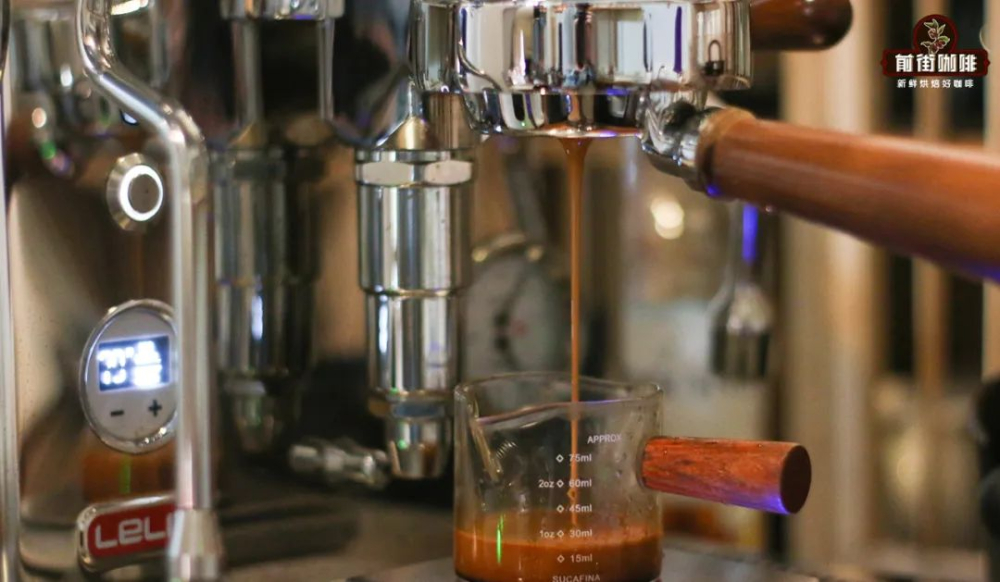
In actual preparation, the heart of making an Americano lies in the extraction of the espresso. Common extraction parameters include: 9 bar pressure, water temperature of 90.5~96°C, extraction time of 20~30 seconds, and a coffee-to-water ratio recommended to fall between 1:1.7 and 1:2. The single-shot espresso typically uses about 12 grams of coffee, while the double shot uses 20 grams, yielding 20 ml and 40 ml of espresso respectively. These parameters are also applicable to milk-based drinks such as lattes and cappuccinos, ensuring that the espresso component has a solid and robust flavor foundation.
For hot Americanos, a double shot of espresso (around 40 ml) is commonly used, then adjusted to taste with approximately 85°C hot water to achieve the desired strength. In practice, the coffee-to-water ratio is adjusted to 1:4.5 to avoid over-dilution that could lead to flavor loss. As for iced Americanos, the process is simpler: the espresso is poured directly into an equal proportion of ice water mixture, often at a ratio of up to 1:9, resulting in a crisper and more refreshing taste.

Hot and iced Americanos exhibit notable differences in appearance, taste, and caffeine release. First, hot Americano presents a deep brown-black hue, while iced Americano appears clearer and more brownish due to dilution with ice and transparent water. Second, in terms of caffeine content, because iced Americanos often use double shots of espresso, the overall caffeine intake is usually higher than that of a single-shot hot Americano. Lastly, in terms of flavor, iced Americano tends to have a more subdued and refreshing taste due to the cooling effect of the ice, making it ideal for hot weather or for drinkers seeking a crisp mouthfeel; whereas hot Americano boasts a rich aroma, with the crema layer contributing to a full-bodied and creamy sensation. Its flavors shift subtly with temperature changes, ranging from floral and wine-like notes to caramel sweetness, offering a distinct and layered tasting experience.

The above content is compiled by CoffeeHunters, a coffee news website.


