







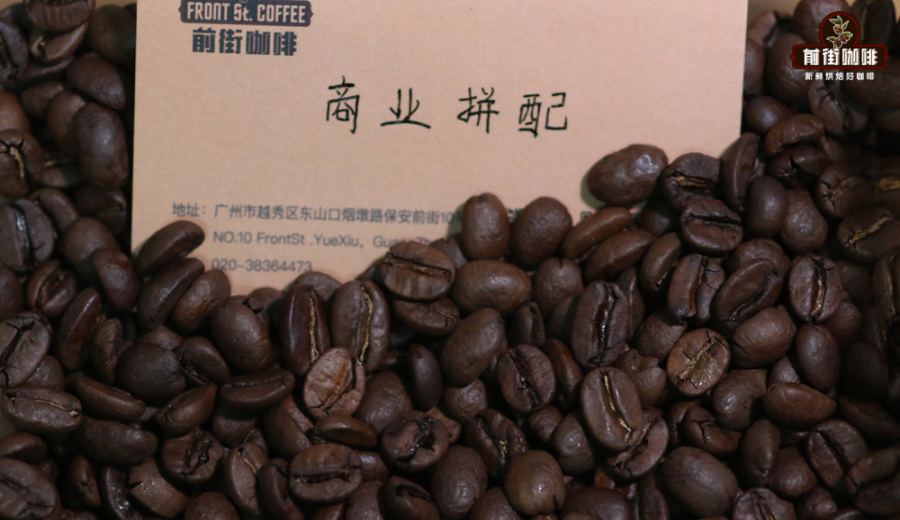
Introduction:Espresso, as the base for many classic coffee beverages, is beloved for its intense flavor and rich crema. This article will delve into the core characteristics of espresso, including the formation of the crema layer, the principles behind high-concentration extraction, and a detailed explanation of standard extraction parameters and procedures used by professional shops. Additionally, three practical blend beans are recommended to help readers understand different flavor profiles and application scenarios, providing useful guidance for both beginners and coffee enthusiasts.
As coffee beverages gain global popularity, espresso has become a staple in many coffee shops due to its quick preparation and bold profile. Among the diverse array of drinks—such as lattes, cappuccinos, or Americanos—each is built upon a shot of espresso. Therefore, understanding the characteristics of espresso is an essential first step in exploring the wider world of coffee.

Espresso, commonly known as Espresso, is produced by using high pressure and high temperature to extract rich flavors and soluble substances from finely ground coffee within a short period of time. The resulting coffee is often topped with a layer of golden, fine foam called crema. This foam is not only a visual highlight but also an important indicator of the coffee’s freshness and the success of the extraction.

The formation of crema is closely related to the roasting of the coffee beans and their freshness. During the roasting process, coffee beans accumulate a large amount of carbon dioxide. When high-pressure water passes through the coffee puck, these gases are released, forming a delicate foam. Freshly roasted beans contain high levels of gas, thus producing a dense and long-lasting crema. Conversely, if the beans have been stored for too long, the gas dissipates, making it difficult to form a rich crema—this is also one of the直观 ways to judge the freshness of coffee. Additionally, the color of the crema reflects the degree of roasting; darker roasts typically produce foam with a deeper hue and are often accompanied by a rich, bold flavor.
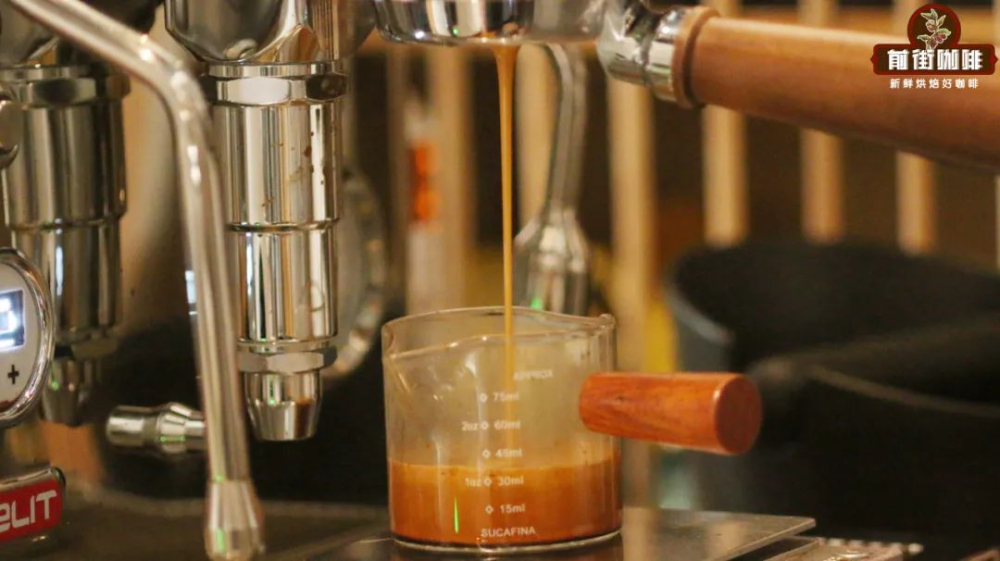
In addition to crema, another notable feature of espresso is its high concentration. This results from an extremely short extraction time (usually 20 to 35 seconds) and an extremely fine coffee grind, combined with approximately 9 atmospheres of high pressure and near-boiling water temperature, which highly concentrates the soluble solids and flavor compounds in the coffee. This process not only makes each sip of espresso intensely flavorful and strong in texture but also leaves a lingering aftertaste. Therefore, many shops serve espresso with a side of water to help cleanse the palate and highlight the coffee’s inherent flavors.

If you want to replicate shop-quality espresso at home, understanding the basic extraction parameters is crucial. First, it is recommended to use an espresso machine with stable pressure output; commercial machines often achieve up to 11 bar, while home machines should have at least 9 bar extraction capability. Using a double-shot portafilter, the coffee dosage typically ranges between 18 to 20 grams, with an ideal coffee-to-liquid ratio of 1:2—that is, 20 grams of coffee grounds yielding 40 grams of espresso. Regarding grinding, it is essential to ensure the coffee is finely and uniformly ground to facilitate high-pressure extraction. The extraction time is recommended to be controlled between 28 to 30 seconds; too short may result in under-extraction and weak flavors, while too long can lead to over-extraction, producing burnt and bitter notes.
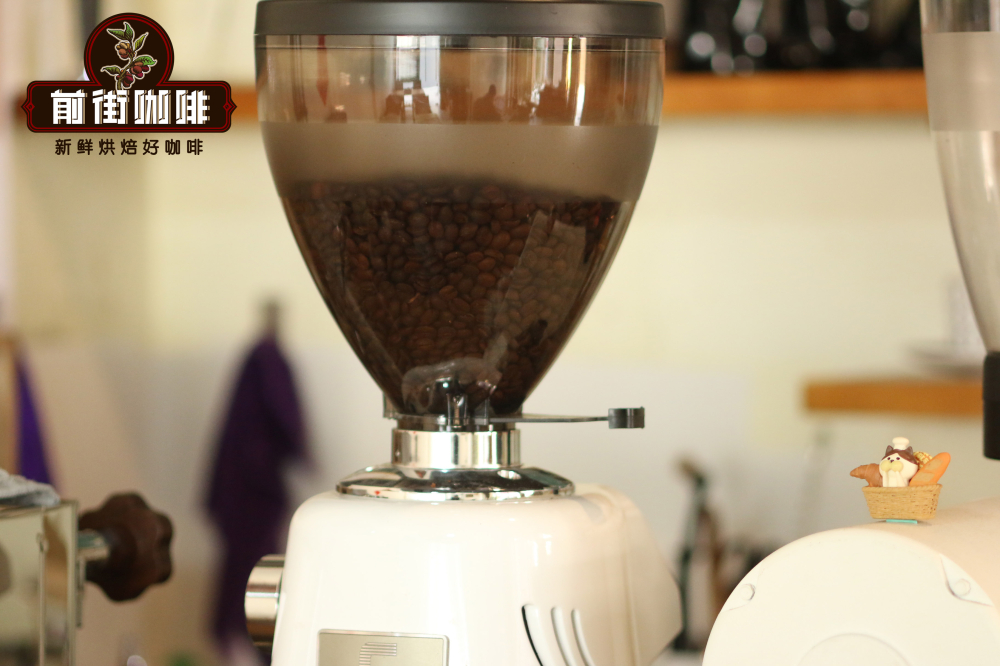
In practice, start by filling the portafilter with freshly ground coffee and gently tamp it down to form a compact and level puck, which helps ensure even water flow and consistent extraction. Then, wet the group head to remove any residual coffee grounds before attaching the portafilter and beginning the extraction. Once the extracted liquid reaches 40 grams and the time falls within the ideal range, stop the extraction and enjoy your espresso. This process requires repeated practice and adjustments to master your own optimal parameters.

When it comes to choosing blends, different flavor profiles can give espresso a variety of expressions. For example, a classic bold blend often combines Brazilian beans’ nutty character with a small amount of Robusta to create a rich, creamy mouthfeel, suitable for coffee shops that produce large quantities daily. A slightly acidic yet bold blend might incorporate the soft acidity of Yunnan small beans along with the nutty aroma of Brazilian beans, offering a balance of caramel and plum acidity—an excellent cost-effective choice for home use or startups. A balanced, full-bodied blend emphasizes chocolate and caramel notes, using a solid Brazilian base fused with Colombian bean characteristics, ideal for users seeking a consistent style.

To brew espresso with the desired flavor, using freshly roasted coffee beans is essential. After roasting, coffee beans require several days of degassing before entering their peak flavor window. At this stage, the beans not only produce excellent crema but also offer more layered flavors. It is recommended that consumers choose products with recent roast dates to ensure the beans are still in optimal condition, thereby fully showcasing the various potentials and nuances of espresso.
The above content is compiled by CoffeeHunters, a coffee news website.

