







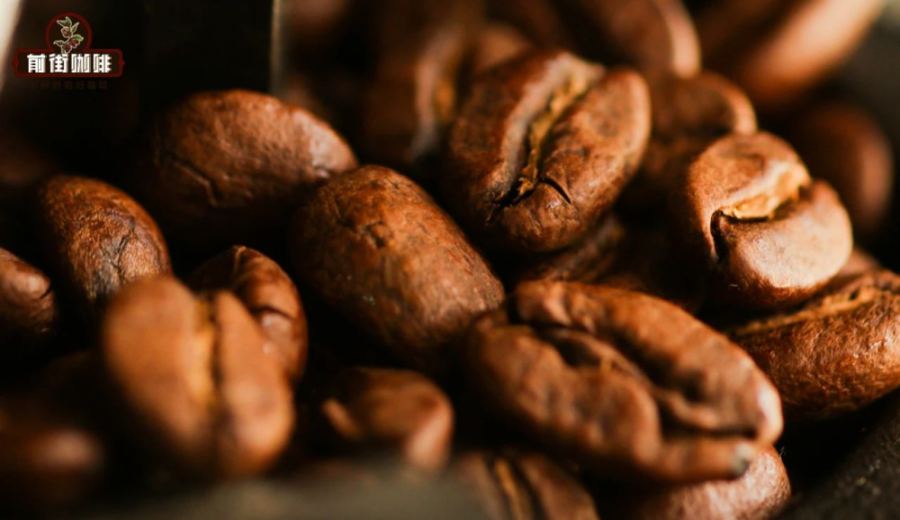
Introduction:Want to brew a delicious Americano-style black coffee with the De'Longhi drip coffee maker but unsure which coffee beans and grind size to choose? This article explains in detail the types of coffee beans suitable for drip machines, recommended grind coarseness, and provides an in-depth analysis of how different roast levels affect flavor. From the fruity notes of light roasts to the bold richness of dark roasts, learn how to find your perfect match, along with the correct brewing parameters and solutions to common issues.
Why does grind size need to match the brewing device?
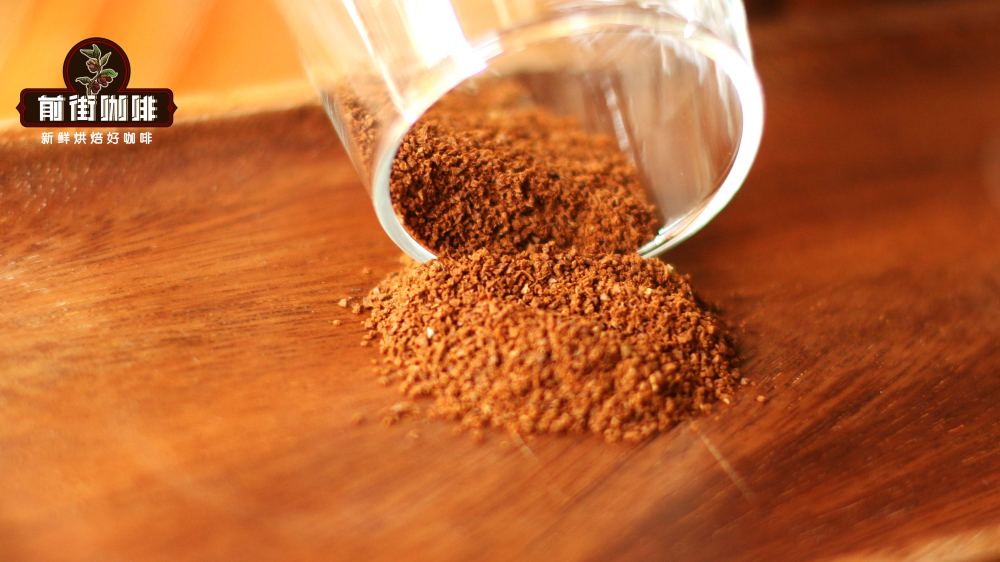
Many home coffee brewers often buy pre-ground coffee because they don’t own a grinder. However, the grind coarseness of coffee powder greatly affects extraction efficiency and the final flavor. For example, if you're using a De'Longhi drip coffee maker, baristas typically adjust the grind to a medium-coarse level, similar to that used for pour over. This is because different brewing methods have vastly different requirements for contact time and surface area of the coffee grounds.
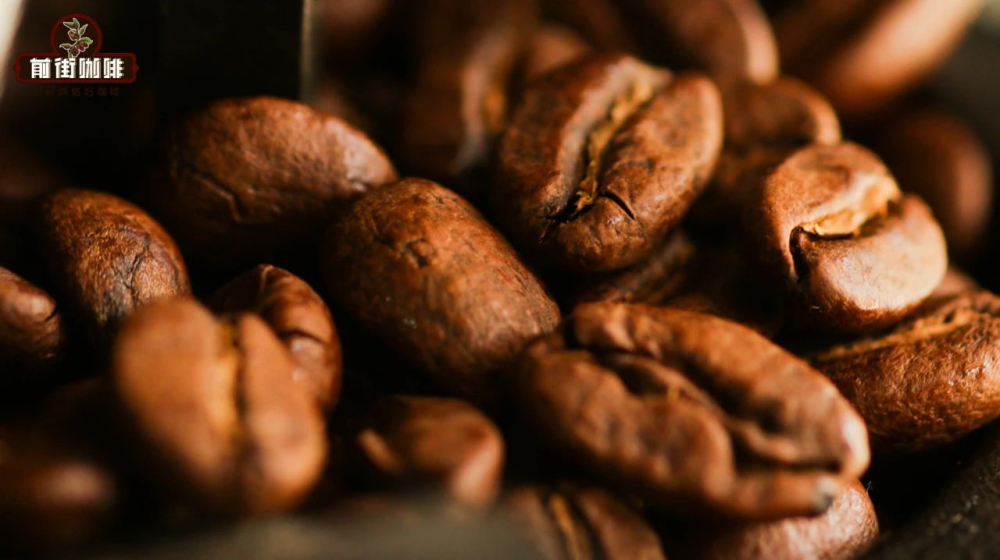
How does grind coarseness affect coffee flavor?
Simply put, the finer the coffee beans are ground, the larger the total surface area, allowing water to extract flavor compounds more quickly when in contact with the grounds. However, this can easily lead to over-extraction, resulting in bitter or overly intense tastes. Conversely, if the grind is too coarse, under-extraction occurs, making the coffee taste weak and bland, or even overly sour. Therefore, choosing the right grind size is key to brewing a great cup of coffee.
International standard grind size classifications and practical recommendations
Internationally, coffee grind sizes are generally divided into seven categories, such as extra coarse, coarse, medium-coarse, medium, medium-fine, fine, and extra fine, each suitable for different devices like French press, pour over, moka pot, and espresso machines. For practical ease, these can be simplified into three main levels: coarse, medium, and fine, with approximate sieve percentages of 70%, 75%, and 80% respectively (based on a #20 standard sieve). For De'Longhi-style drip machines, it’s recommended to use a medium to medium-coarse grind to ensure moderate extraction time and balanced flavor.
Grind differences between drip machines and moka pots
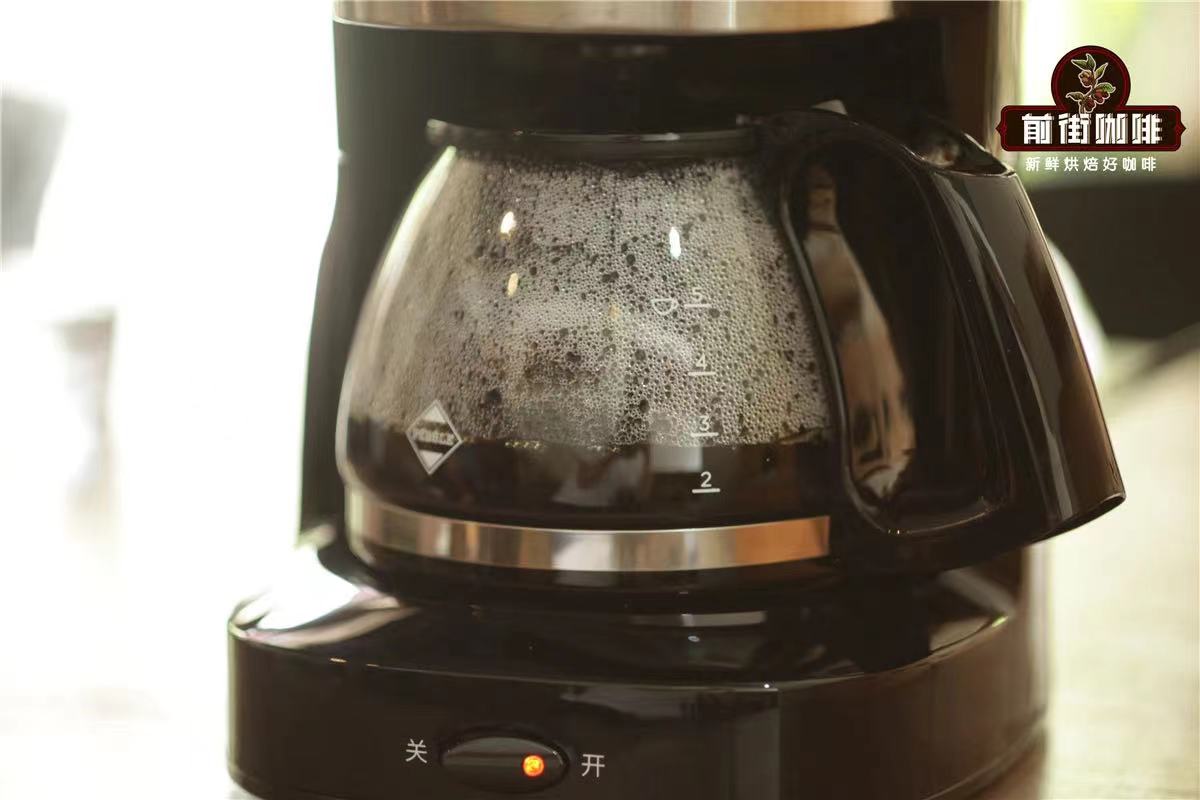
When using high-pressure, high-temperature devices like moka pots or espresso machines, water quickly passes through the coffee grounds, so a fine grind is necessary to extend the contact time and fully extract rich flavors. In contrast, drip machines rely on gravity for natural filtration, resulting in longer extraction times, making medium-coarse grinds more suitable to avoid over- or under-extraction.
Flavor variations brought by different roast levels
The roast level of coffee also significantly impacts the final flavor profile. Light roasts typically feature pronounced floral, fruity acidity, and citrus notes, ideal for those who prefer a refreshing taste. Medium roasts offer a more balanced flavor, often showcasing traits like nuts, caramel, and chocolate, with a well-rounded profile. Dark roasts are known for their bold, rich chocolate and smoky characteristics, catering to those who enjoy a stronger taste.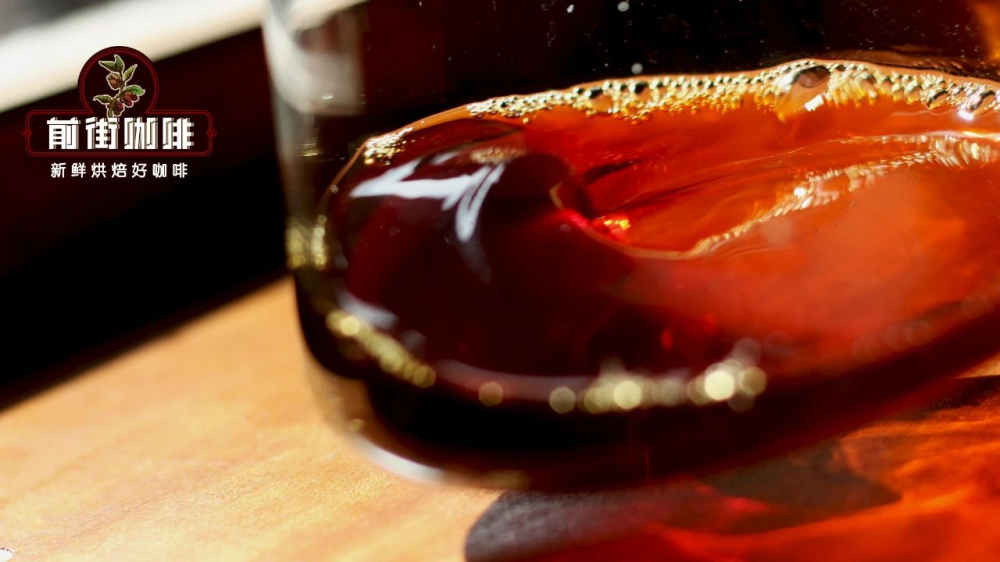
Recommended coffee beans for drip machines
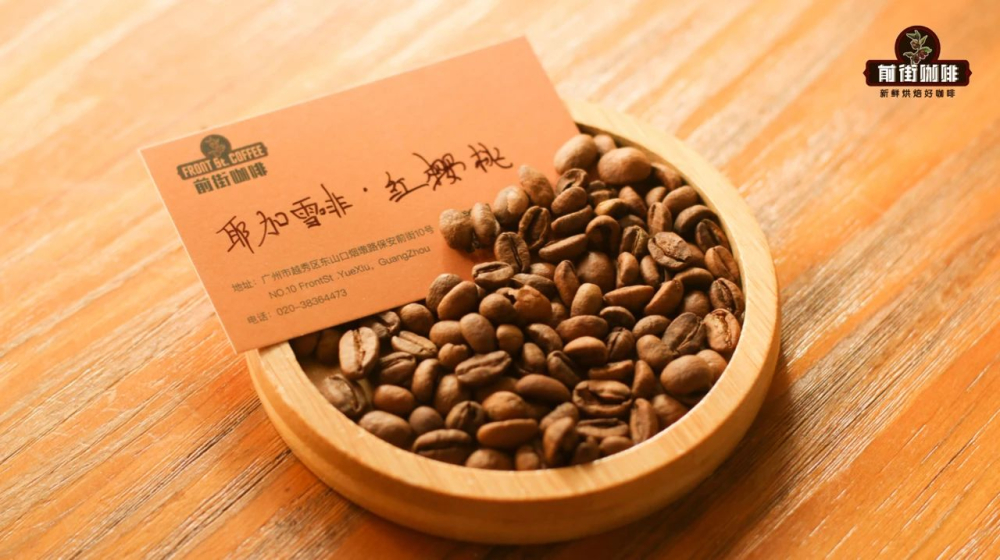
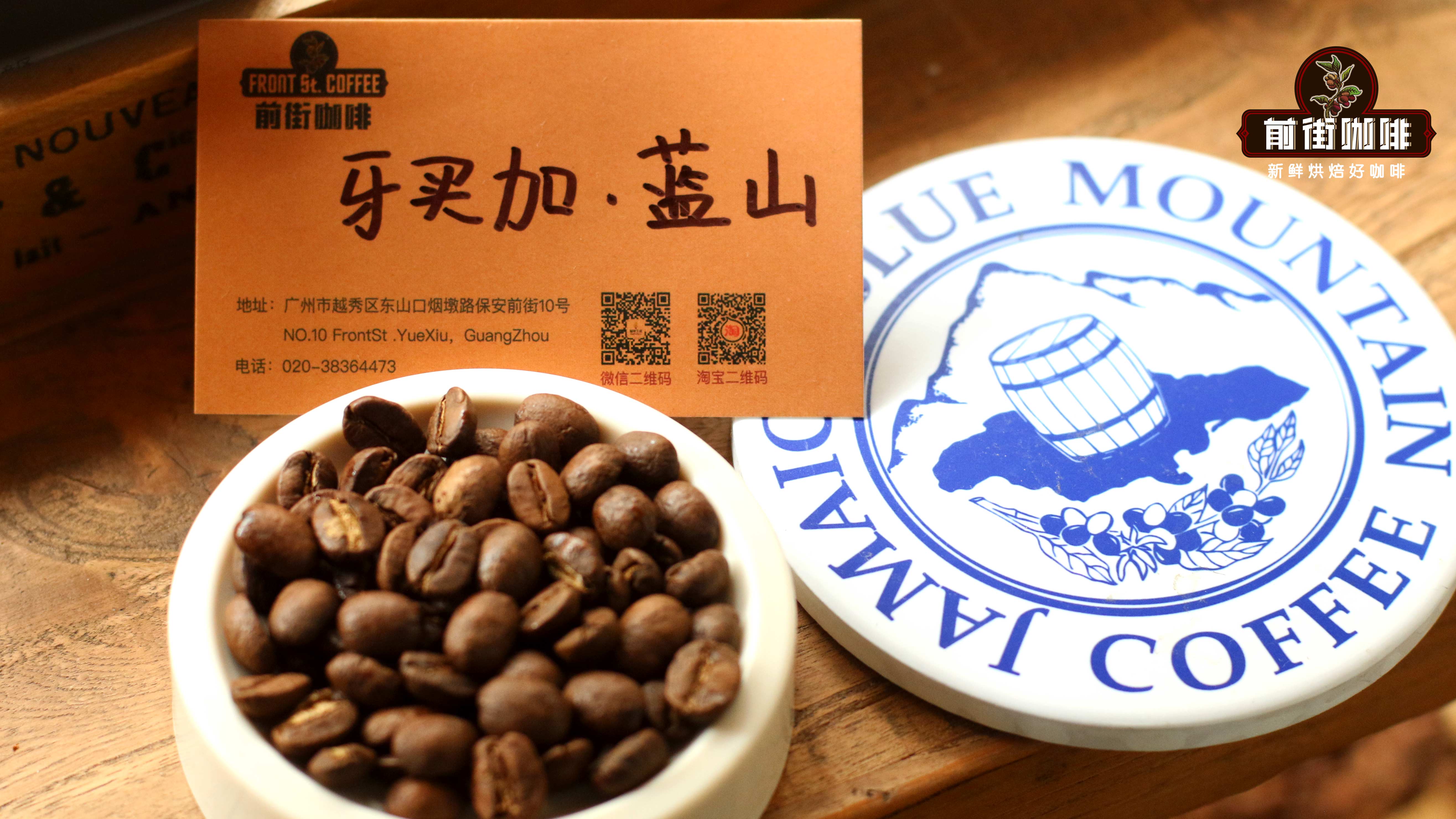
For the De'Longhi drip coffee maker, almost all roast levels of coffee beans can be tried—the key lies in finding your preferred flavor direction. For example, a light-roasted "Sun-Dried Red Cherry" from Yirgacheffe, Ethiopia, offers high sweetness and distinct citrus and berry notes. A medium-roasted "Blue Mountain coffee" exhibits a balanced profile of acidity, sweetness, and bitterness, with a creamy texture and hints of dark chocolate. A classic dark-roasted "PWN Golden Mandheling" is known for its full body and unique spicy notes, appealing to those who prefer a bold cup. When selecting, pay attention to the bean selection process and origin certification to ensure quality.
How to use the De'Longhi drip coffee maker
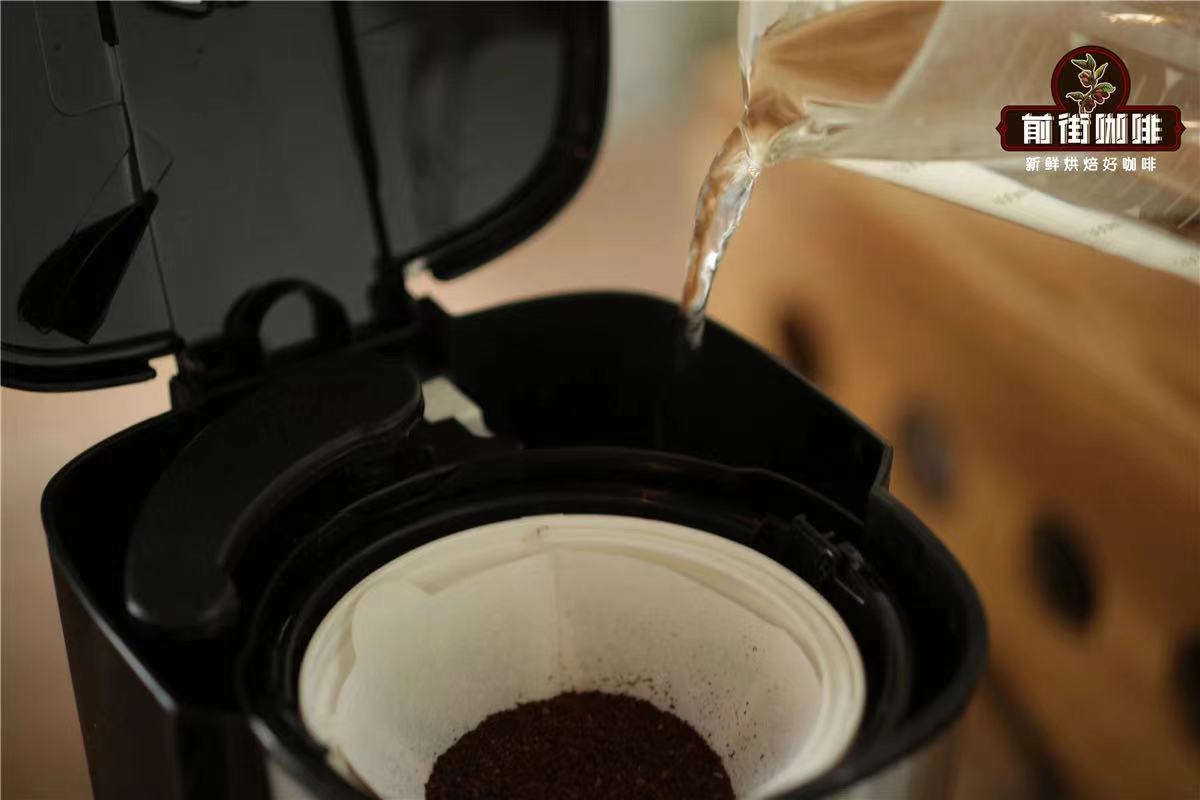
To use the De'Longhi drip coffee machine, simply place the appropriate amount of coffee grounds in the filter basket (a suggested ratio is about 5 grams of coffee per 100 ml of water, adjustable to taste), add water, and start the machine. This process is simple and convenient, making it ideal for everyday use.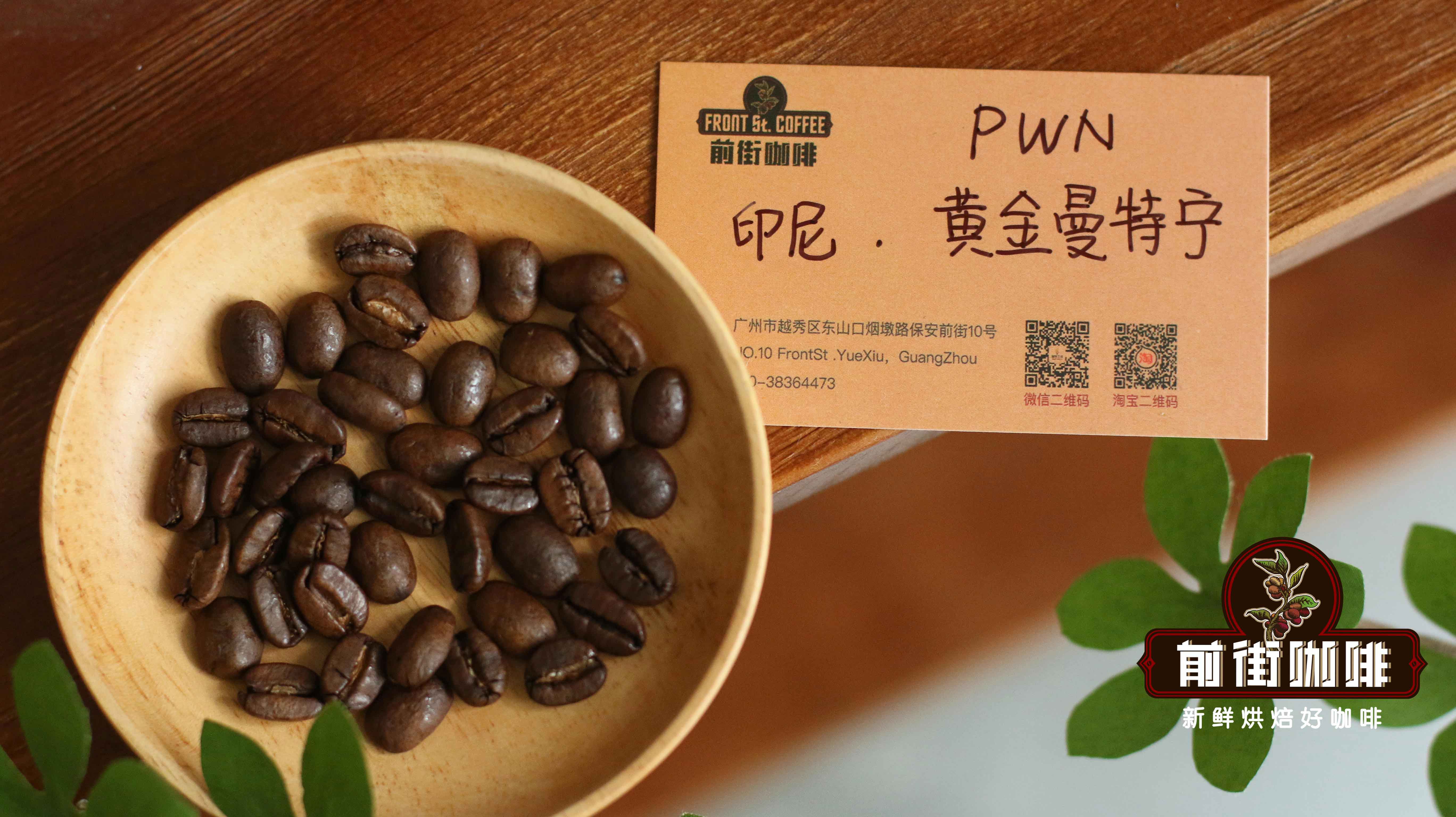
Drip coffee vs. espresso with added water: flavor difference analysis
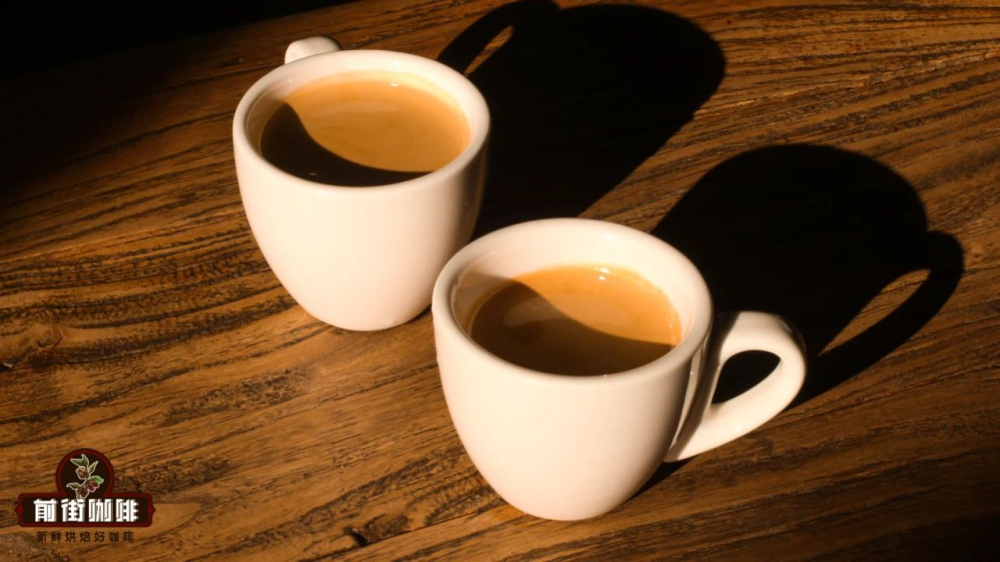
Besides drip-style Americano, many people also choose to dilute espresso with water to make an Americano. The former usually has a cleaner and crisper taste, while the latter, based on an espresso shot, tends to be richer and often features a crema on top, adding complexity. Both have their unique characteristics and can be chosen based on personal taste preferences.
Definitions and historical background of espresso and Americano coffee
Simply put, espresso refers to strong, rich European-style coffee, commonly including espresso shots, cappuccinos, etc. Americano coffee, originating from the United States, traditionally uses drip brewing, but during World War II, the habit of American soldiers diluting espresso led to the modern understanding of "Americano = espresso with added water." Understanding this background helps one better appreciate the unique flavors presented by different brewing methods.
The above content is compiled by CoffeeHunters, a coffee news website.

