







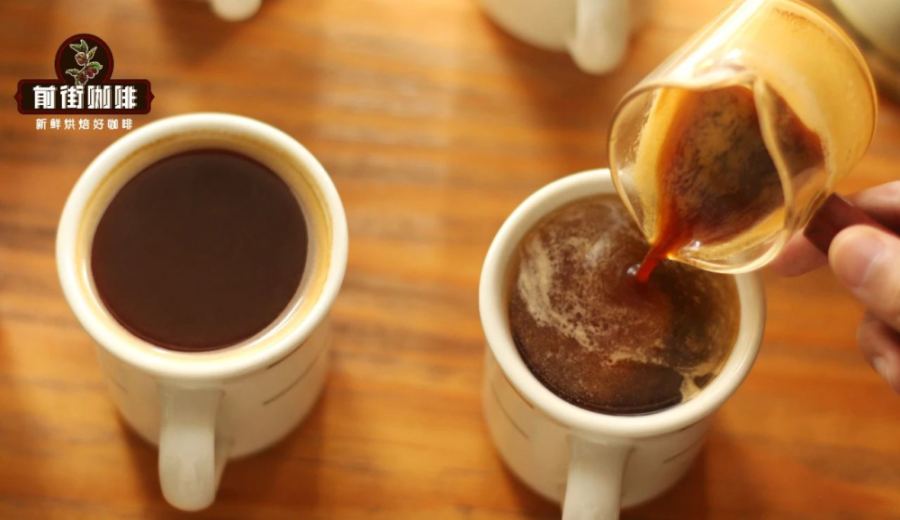
Introduction:As one of the most popular coffee beverages in the world, Americano is often puzzling due to its simple yet versatile nature. This article delves into the authentic way to drink Americano, its fundamental differences from espresso, and offers professional-grade bean selection advice and brewing ratio parameters to help readers progress from basic understanding to refined taste, ultimately finding their own ideal flavor.
Many coffee beginners, when first trying Americano, often hesitate whether to add sugar or milk. In fact, the charm of Americano lies in its ability to faithfully present the original characteristics of the coffee beans.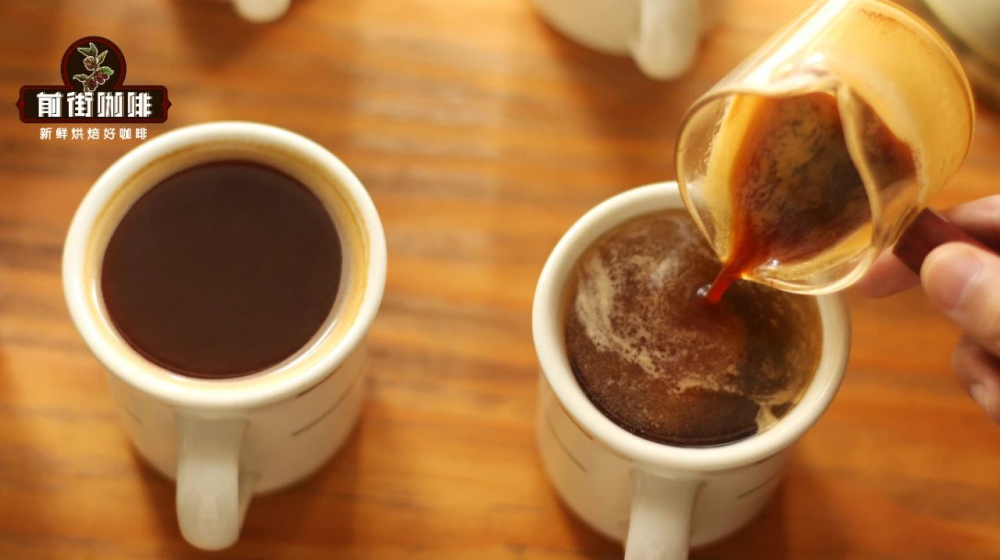 This beverage, made by mixing espresso with water, can be traced back to World War II—when American soldiers stationed in Italy diluted the strong local espresso with hot water to suit their home taste, inadvertently creating this globally beloved drink.
Modern restaurants commonly use the method of "espresso plus water," with water-to-coffee ratios typically ranging between 1:4 and 1:8.For example, using 20 grams of coffee grounds to extract 36 grams of espresso, then adding 144–288 milliliters of hot water falls within the standard range.In contrast, traditional drip-style Americano, while retaining the original extraction craftsmanship, is more commonly found in home or office settings. It’s worth noting that pure espresso has a stronger flavor, and diluting it with water better highlights the layered notes of the beans.
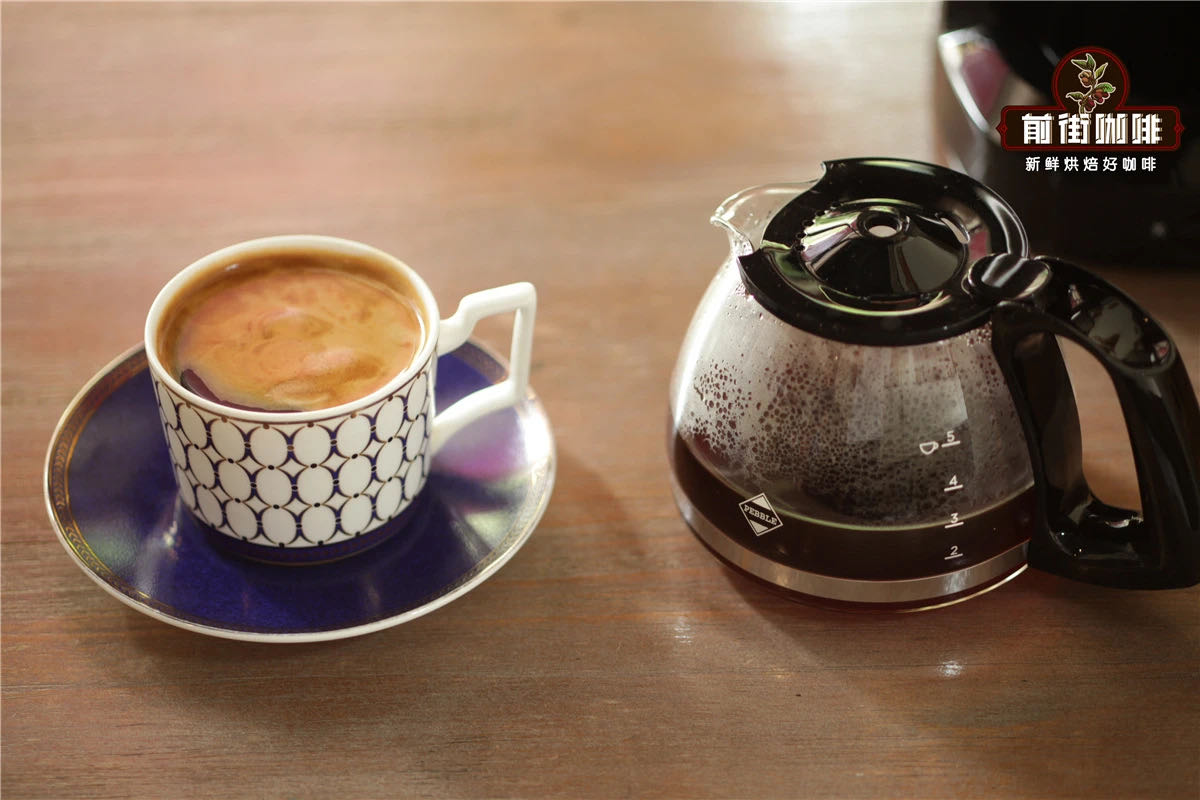 The core difference between Americano and espresso stems from their distinct brewing logics. The espresso-based drinks (such as latte, cappuccino) rely on milk to buffer the intense taste of espresso, whereas Americano directly showcases the true flavor of the coffee beans. This difference makes bean selection crucial—dark roasted commercial blends (such as those with 10% Robusta added for body) are suitable for traditional Americano, while light to medium roasted specialty beans can bring out more floral and fruity notes.
Taking the practical experience of a well-known roastery as an example, their "Warm Sun Blend," used continuously for three years, demonstrates unique brewing charm:Through sherry barrel whiskey treatment and sun-dried red cherry processing, it brings out distinct wine-like aromas and bright fruit acidity, with a rich sweetness profile.In contrast, traditional blends using Brazilian and Colombian beans feature nutty tones and silky chocolate aftertastes, making them particularly suitable for drinking with milk.
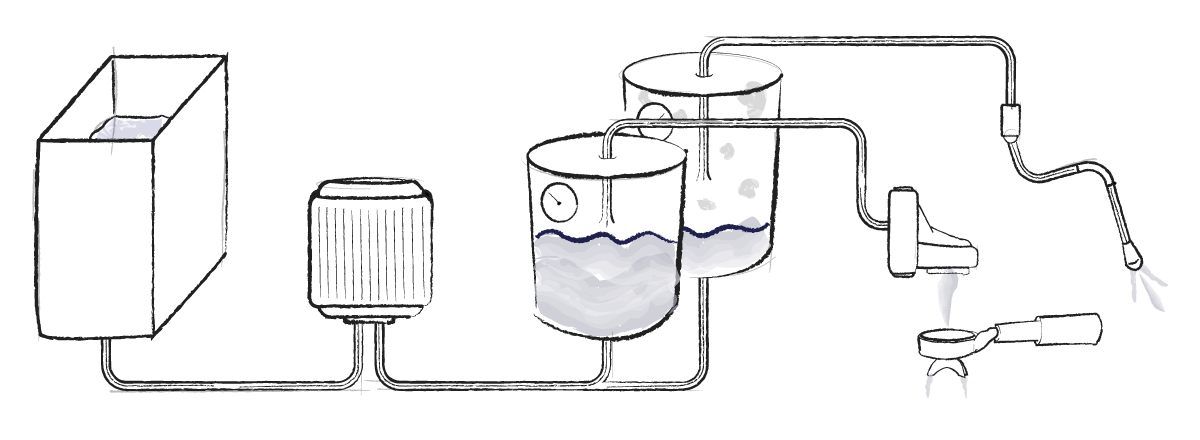
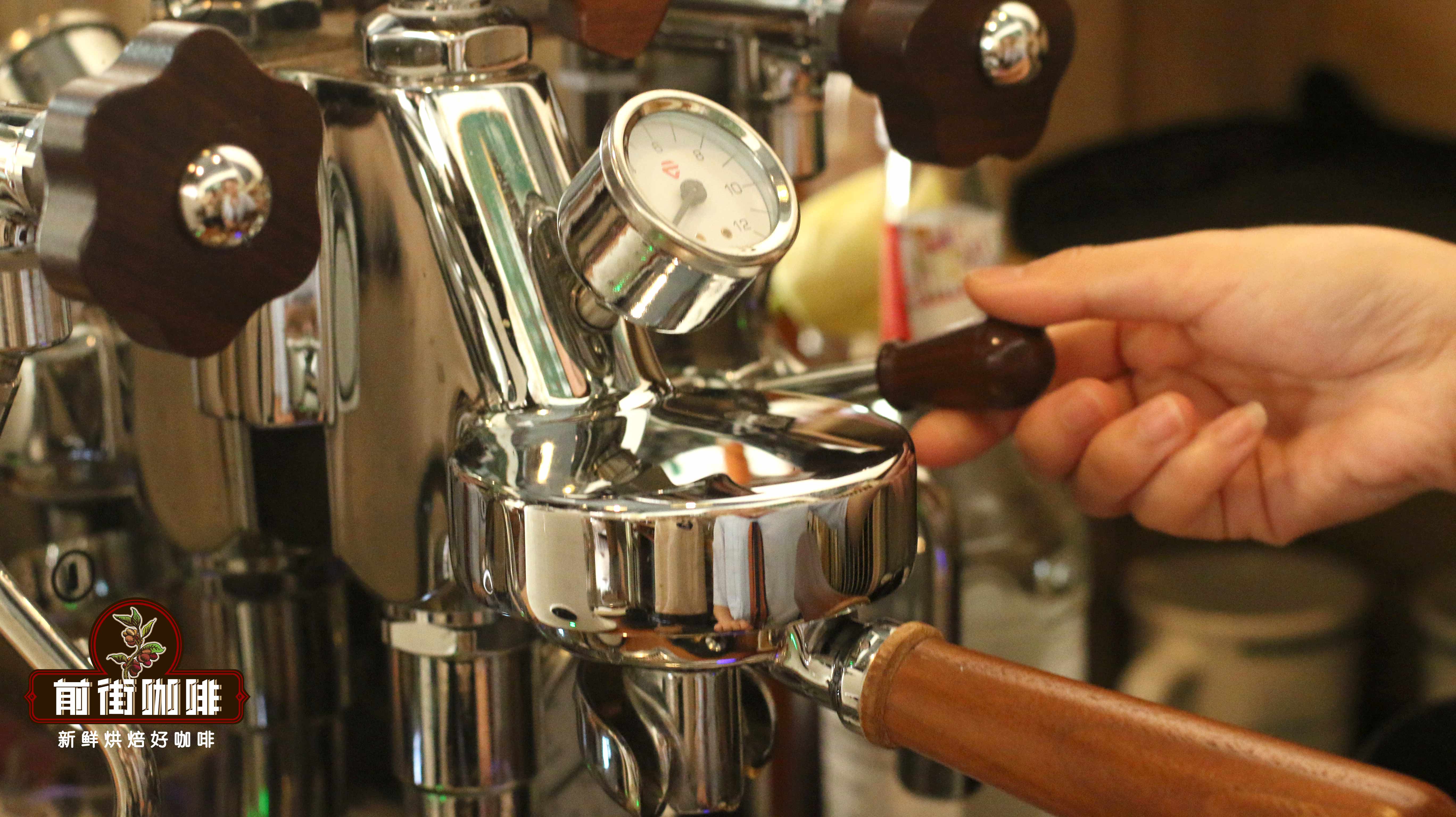
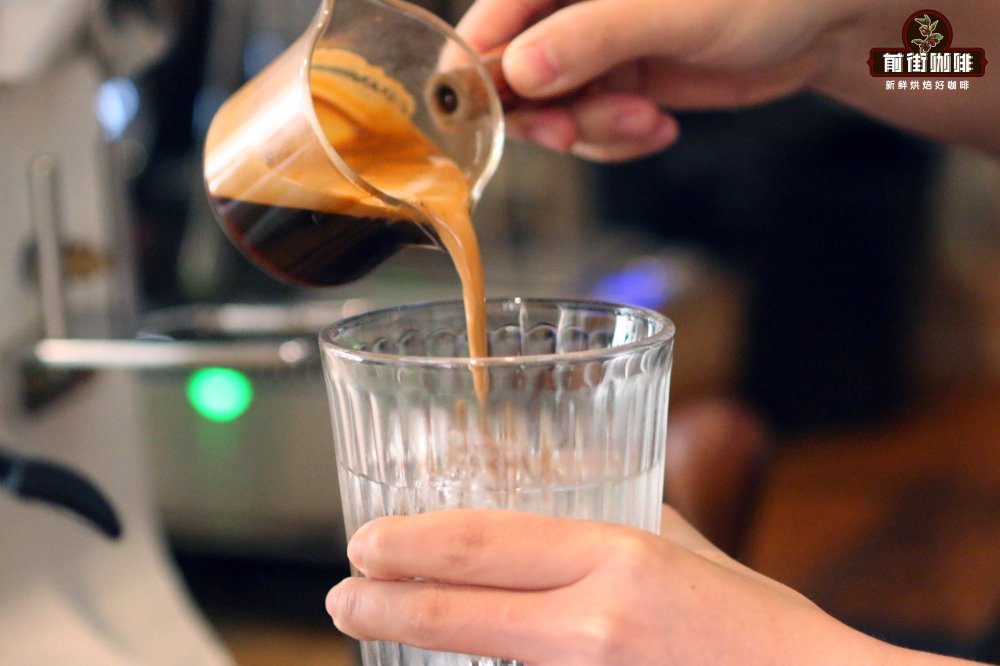 Delving into the brewing principles, modern espresso machines operate through four key components: the water system (reservoir or municipal supply), high-pressure pump (vibratory pump operating at 60 cycles per second or rotary pump for mechanical pressure boost), heating boiler (distinguished by single/double boiler temperature control systems), and the final brew head extraction outlet. Among these, the pump system provides 9–10 bar pressure to ensure even extraction of the coffee puck, which is also a critical variable affecting the final flavor.
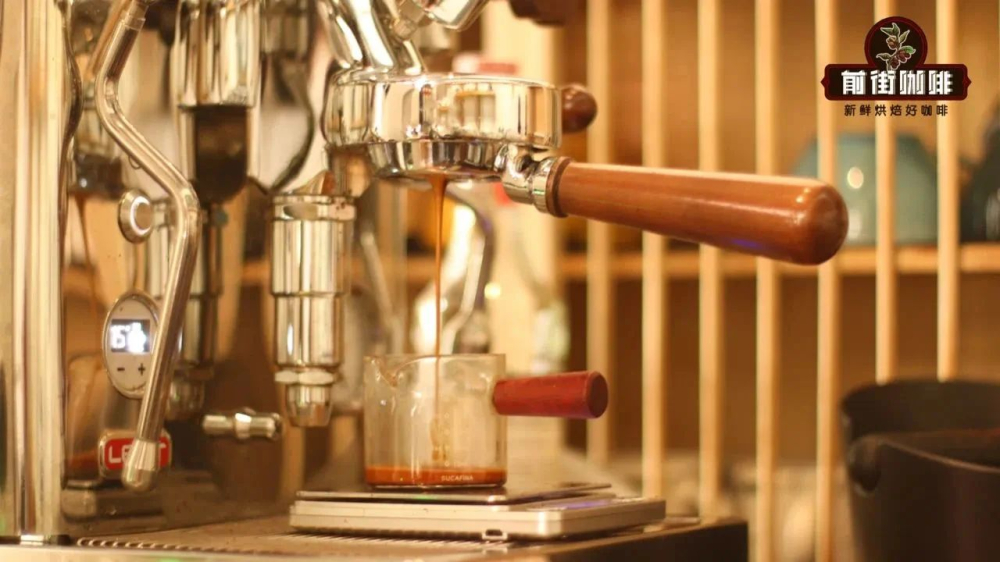
When actually tasting, it is recommended to pay attention to the following details:Freshly ground coffee beans (recommended grind size similar to sugar granularity) should be mixed with water immediately after extractionto avoid oxidation affecting the flavor. If choosing to brew at home, you can refer to the basic parameter of "15 grams of grounds extracted for 25–30 seconds to yield 36 grams of liquid," then fine-tune the espresso ratio according to personal taste. It’s especially important to note that different regional beans (such as the citrus notes of African beans vs. the nutty base of Central and South American beans) will significantly alter the final flavor profile.
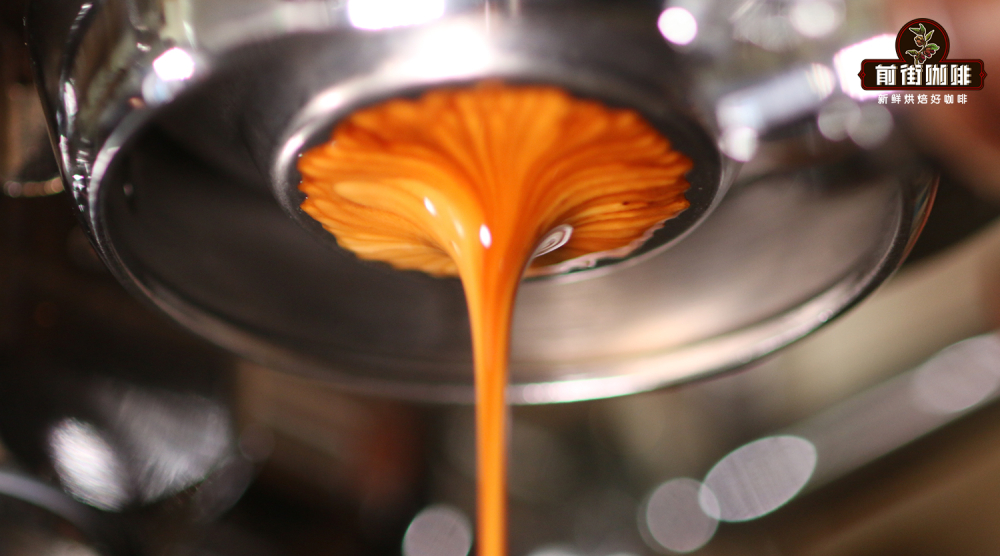 The recent rise of single-origin espresso (SOE) trends has challenged the traditional obsession with "thick crema." These light to medium roasted beans, while potentially reducing crema thickness, can more clearly express the terroir characteristics of the origin—from Ethiopia’s blueberry burst to Guatemala’s smoky chocolate finish, offering new interpretive possibilities for Americano. Beginners are advised to start with balanced medium-roasted beans, gradually exploring the flavor profiles of different processing methods.
 In summary, the charm of Americano lies in its high inclusiveness: whether you prefer the convenience of a light 1:8 ratio or the bold intensity of a concentrated 1:4 expression, you can find your ideal taste by adjusting the water-to-coffee ratio. The key is understanding the interplay between bean characteristics and brewing parameters, and building a personal preference database through actual tasting. Remember, the best way to drink it is however makes you happy.
The above content is compiled by CoffeeHunters, a coffee news website.


