







Introduction:Have you ever wondered why some people prefer their hot Americano for its rich and bold intensity, while others are drawn to the refreshing acidity and sweetness of an iced Americano? This article presents a practical comparison of how different water temperatures affect the flavor of Americano coffee. By breaking down the key differences among hot-brewed, room-temperature, and iced versions, and offering precise recommendations for the ratio of espresso to water, we’ll guide you through the professional techniques of crafting your ideal Americano—from extraction parameters to flavor profiles.
The debate over whether Americano coffee should be served hot or iced is as endless as the age-old discussion over sweet versus savory tofu pudding. But did you know? Although both are made by diluting espresso with water, different water temperatures can fundamentally alter the flavor experience. For this experiment, we used the Sunflower Warm Sun Blend (a 7:3 combination of Sherry and Yirgacheffe Red Cherry), preparing three espresso bases with fixed extraction parameters, each diluted with ice water, room-temperature water, and 88°C hot water respectively.
The origins of the Americano can be traced back to World War II, when American soldiers stationed in Europe first pioneered the practice of diluting espresso with water to suit their taste preferences. As Italian coffee culture spread to the United States, it gradually evolved into the standard procedure of pouring the espresso first and then adding water—a sequence originally designed to highlight the core concept of "diluting the espresso." While modern preparation no longer strictly adheres to specific steps, whether the crema is preserved can still significantly impact the final texture and complexity of the drink.
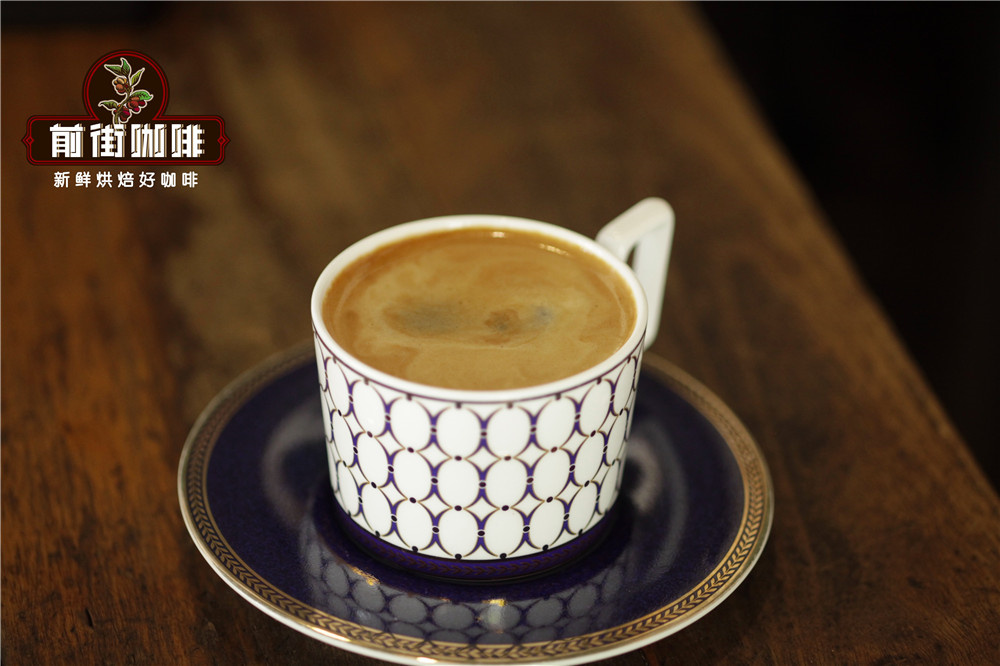
For the experiment, we used the Pegasus E78 machine and 900N grinder, setting the grind size to 1.9. A double shot of espresso was extracted using 20g of coffee grounds to yield 35g of coffee liquid (in 27 seconds). The resulting flavor profile featured pronounced whiskey-like aromas, a milk chocolate base, paired with a velvety smoothness akin to vanilla cream and a caramel finish. All versions maintained a golden ratio of 1:6 (6g of water per 1g of coffee liquid) to ensure flavor consistency.
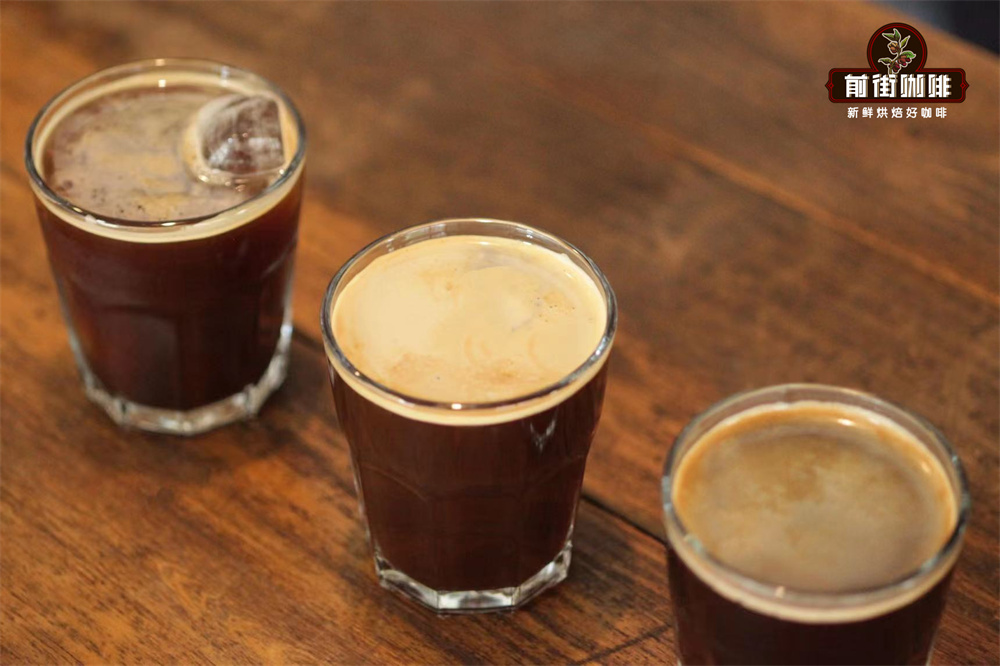
To prepare an iced Americano, combine 110g of ice cubes with 100g of room-temperature water to form an ice-water mixture, then slowly pour the 35g of espresso into it while continuously stirring—this is because the melting ice will continue to dilute the concentration. For the room-temperature version, simply pour 35g of coffee followed by 210g of room-temperature water in sequence, which helps preserve the creamy vanilla layer formed by the crema. For the hot drink, it’s recommended to use water at 88°C (avoid exceeding 90°C to prevent burnt bitterness), also using a 35g coffee to 210g hot water ratio.
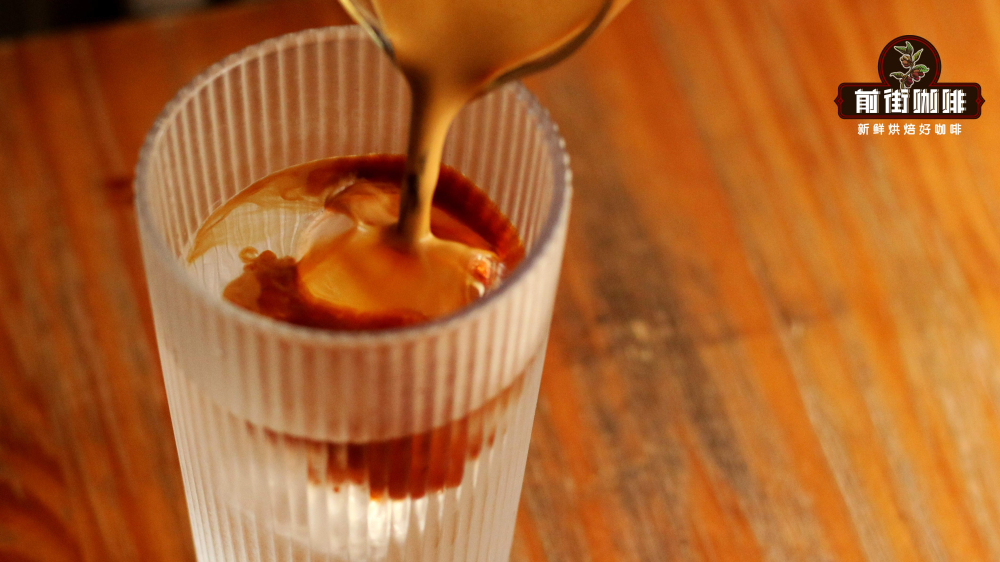
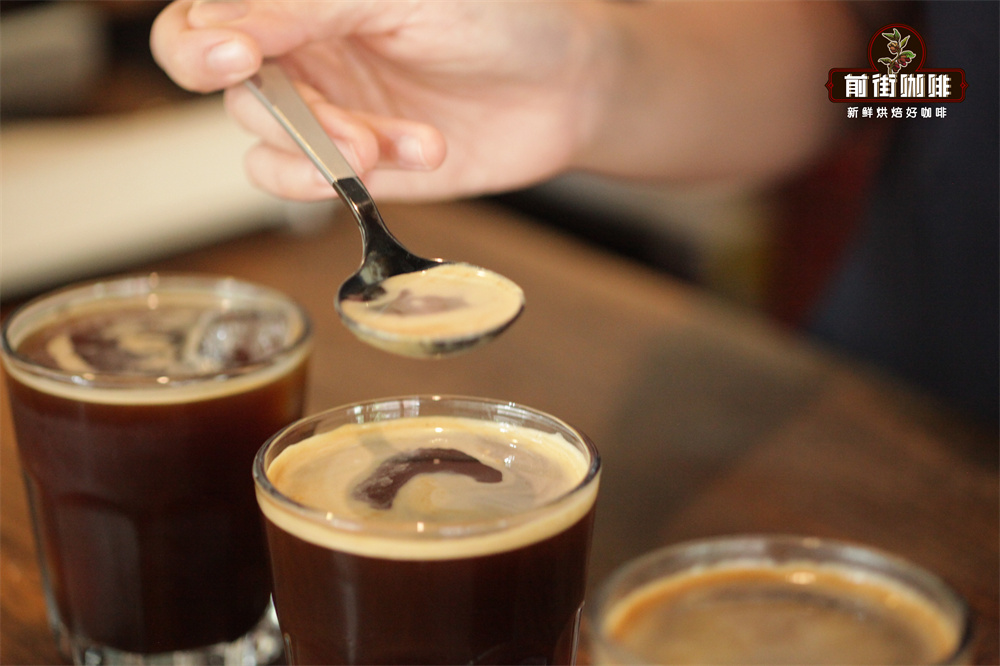
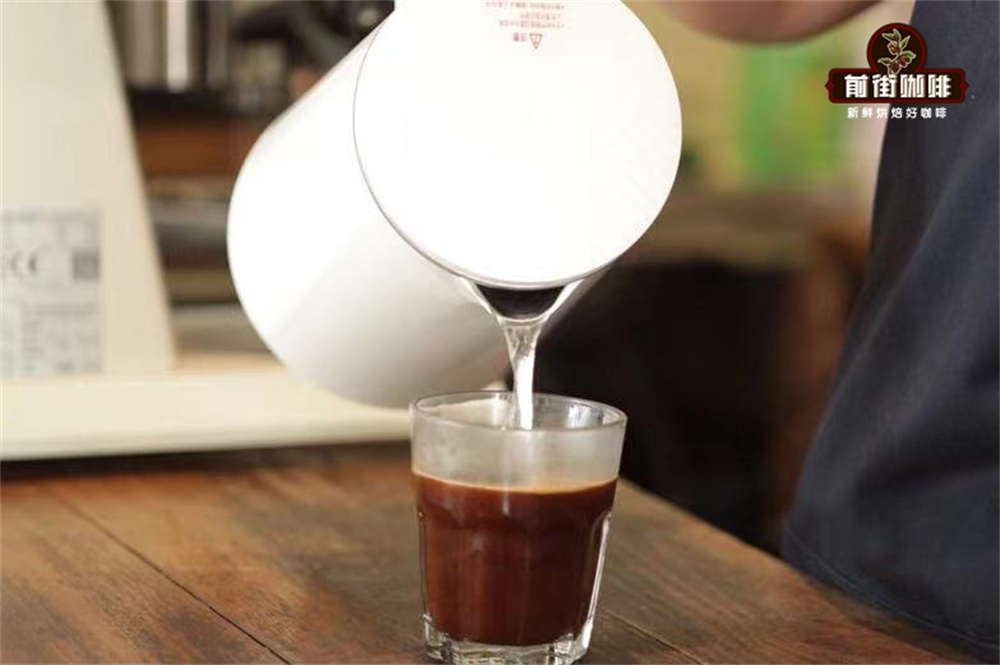
In terms of flavor performance, the hot Americano fully highlights the whiskey aroma and the dominant notes of hazelnut and caramel, with a noticeably enhanced body. The room-temperature version showcases a softer acidity and silkier mouthfeel, with the undisturbed crema layer maintaining that creamy texture. The iced version, while more restrained in aroma, features particularly bright berry acidity and chocolate aftertaste, making it ideal for those seeking a refreshing taste. It’s worth noting that human perception of taste varies greatly with temperature—higher temperatures make it easier to detect flavor transitions, while lower temperatures heighten sensitivity to acidity.
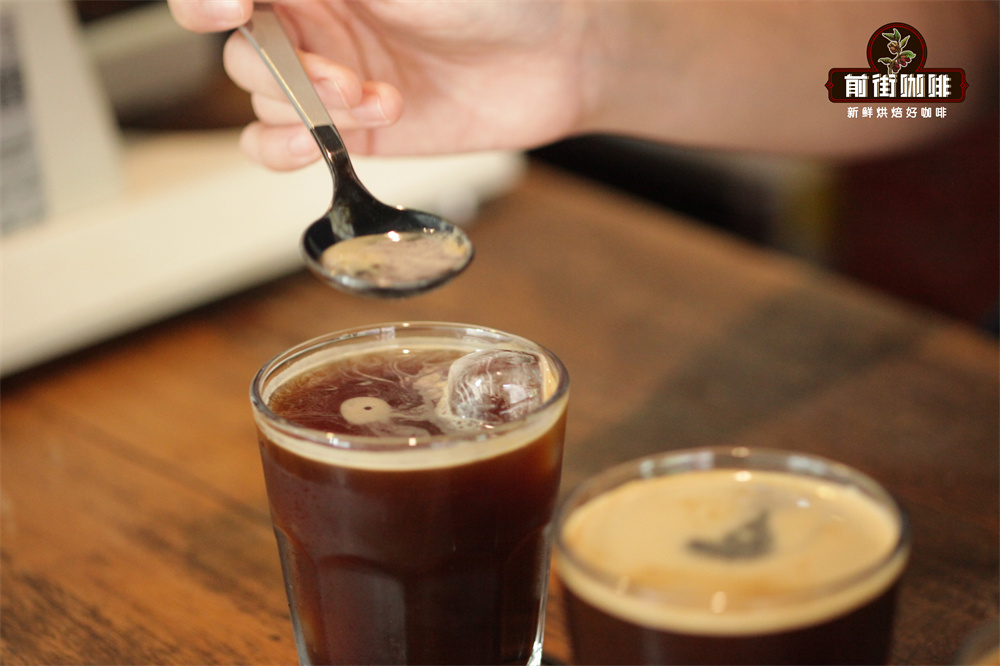
Practical tips: When brewing at home, first consider the roast level of your coffee beans—light roasts pair well with slightly higher water temperatures (85–90°C) to bring out fruity acidity, while dark roasts are better brewed at 80–85°C to avoid over-extraction. If making an iced drink and wanting to reduce dilution from the ice, consider using a pre-chilled glass or pre-freezing the coffee liquid. No matter which temperature you choose, always observe the state of the crema: a full, golden oily layer indicates freshness, while rapid dissipation may warrant checking your grind size or tamping pressure.
The above content is compiled by CoffeeHunters, a coffee news website.


