







Introduction:Want to understand the correct way to enjoy and brew an Americano? This article delves into the origins of Americano coffee, explores common issues like under-extraction, and provides a detailed breakdown of the golden ratio between espresso and water. From key parameters that influence extraction to how different ratios affect flavor, learn the secrets to brewing a rich and balanced Americano.
Coffee drinking habits vary around the world, with some regions even forming unique coffee cultures—such as Turkish coffee and Italian espresso. When it comes to Americano, many people might picture one of two things: black coffee made with a drip coffee machine, or espresso diluted with hot water. But which one is the real Americano we often talk about?
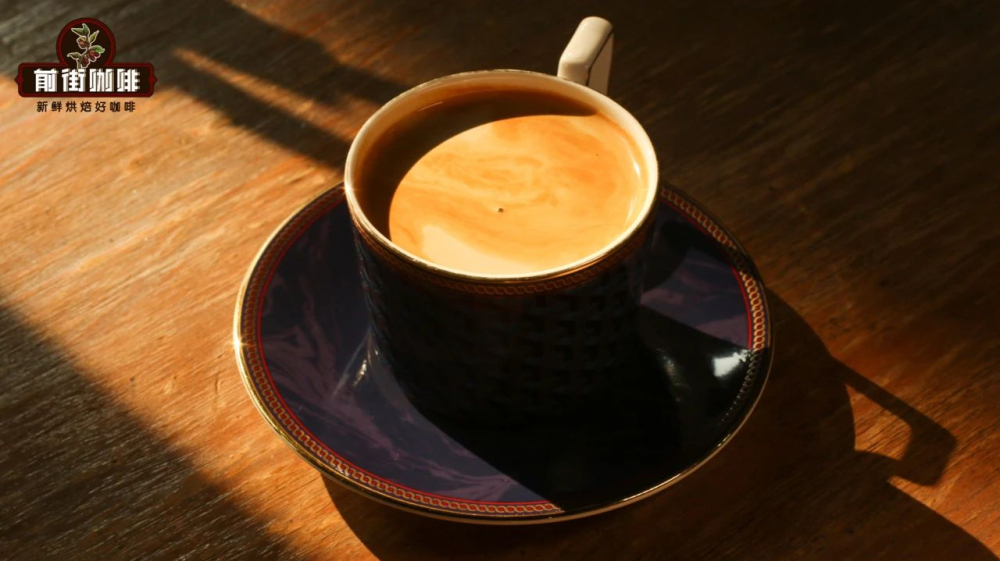
Americano (English: Americano, Italian: Caffè Americano)is actually black coffee made by diluting espresso with hot water, and it’s one of the most widely recognized types of coffee. Although some people use drip coffee machines to brew pure black coffee and also call it Americano, generally when we refer to an Americano, we mean espresso mixed with a large amount of hot water.
 " alt="" />
Legend has it that this method originated during World War II, when American soldiers stationed in Europe found the local espresso too strong and harsh to drink straight, so they added hot water to dilute it. This practice gradually spread, and Europeans jokingly called this style of coffee "Americano," meaning American coffee. Interestingly, if you just say "Latte" when ordering in Italy, you might end up with just a glass of milk—the correct term is "Caffè Latte."
 " alt="" />
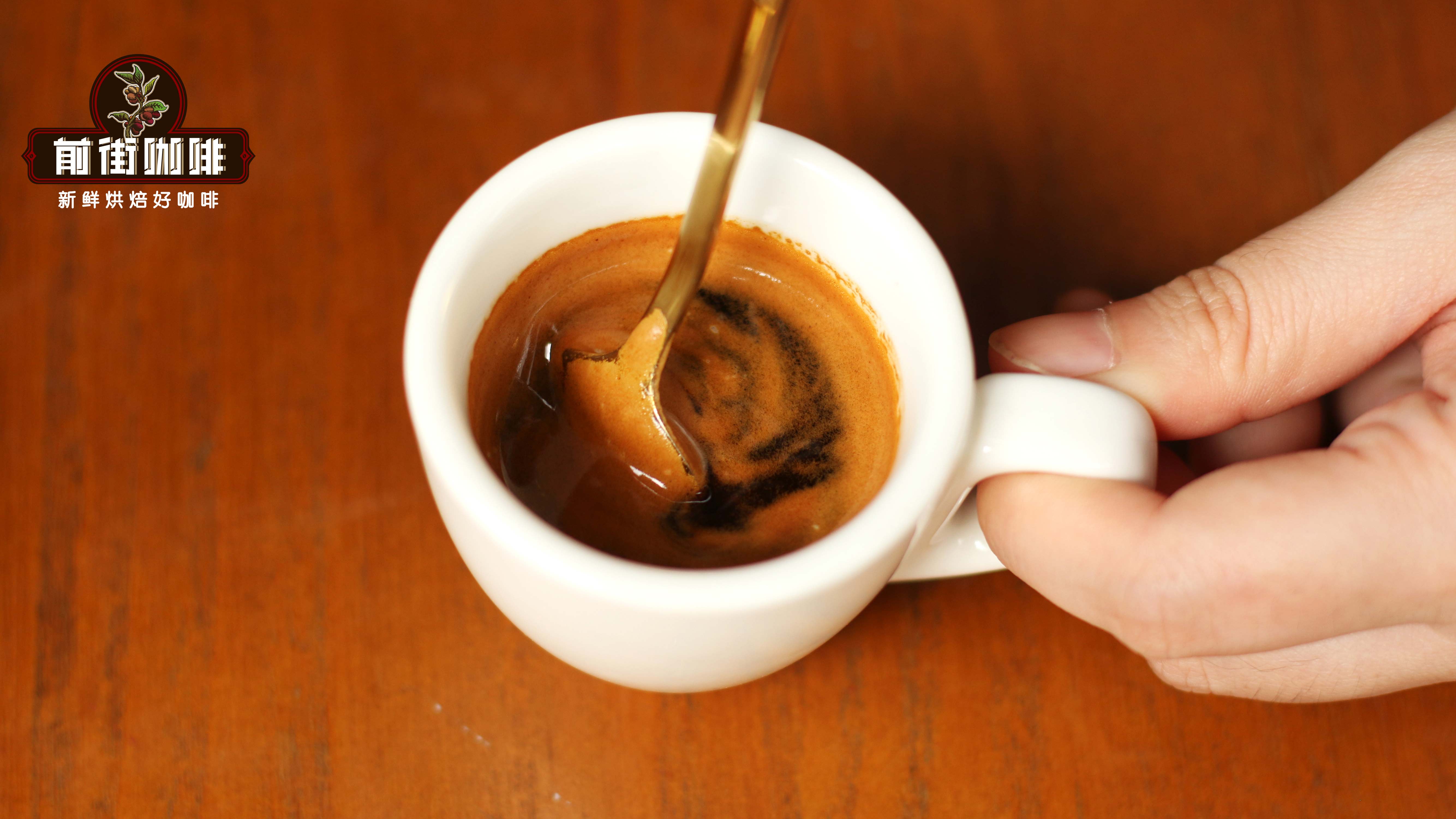
Making a delicious Americano mainly involves two steps: first, extracting the espresso, then mixing the espresso with hot water in the appropriate ratio.The quality of the espresso directly determines the final flavor profile,so the brewing technique is crucial.
 " alt="" />
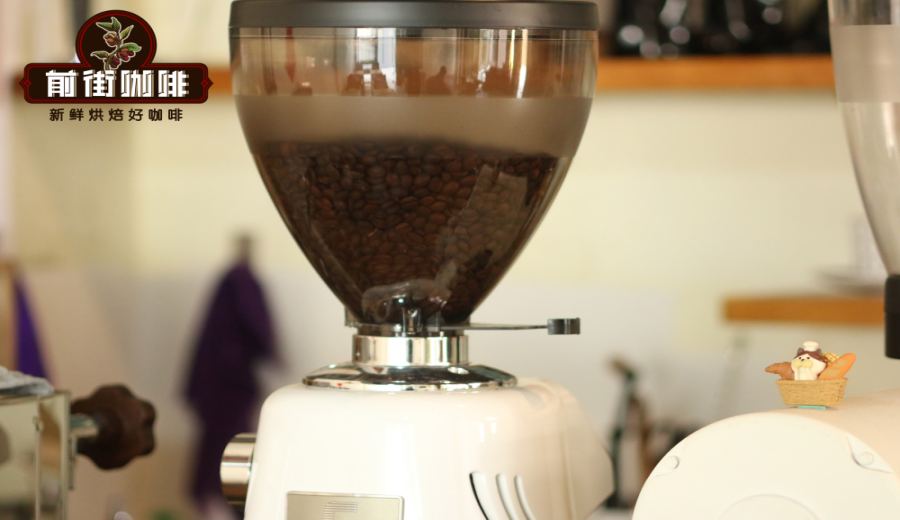
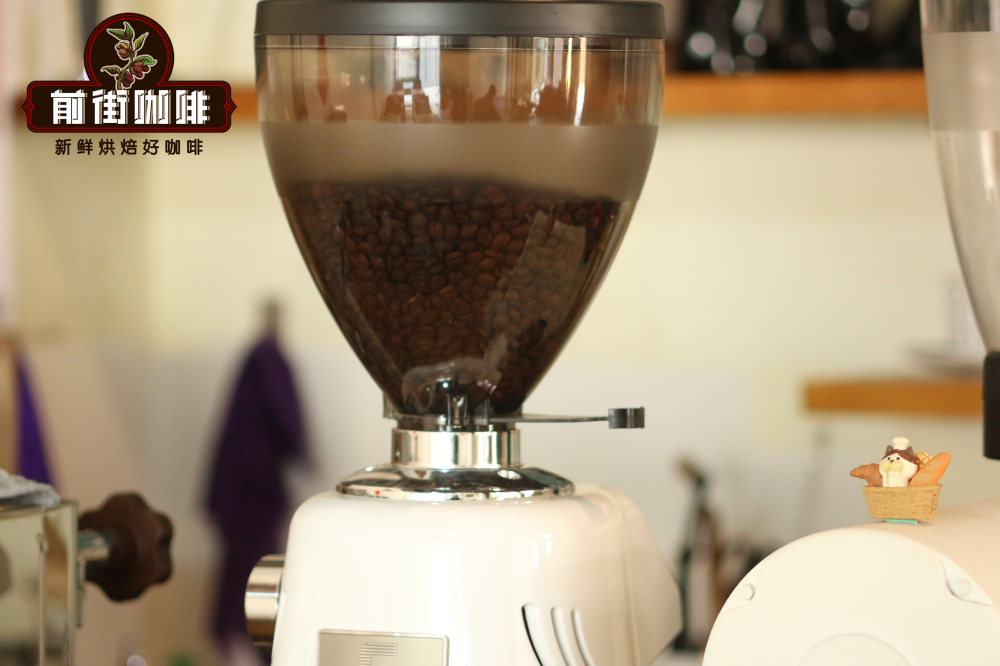
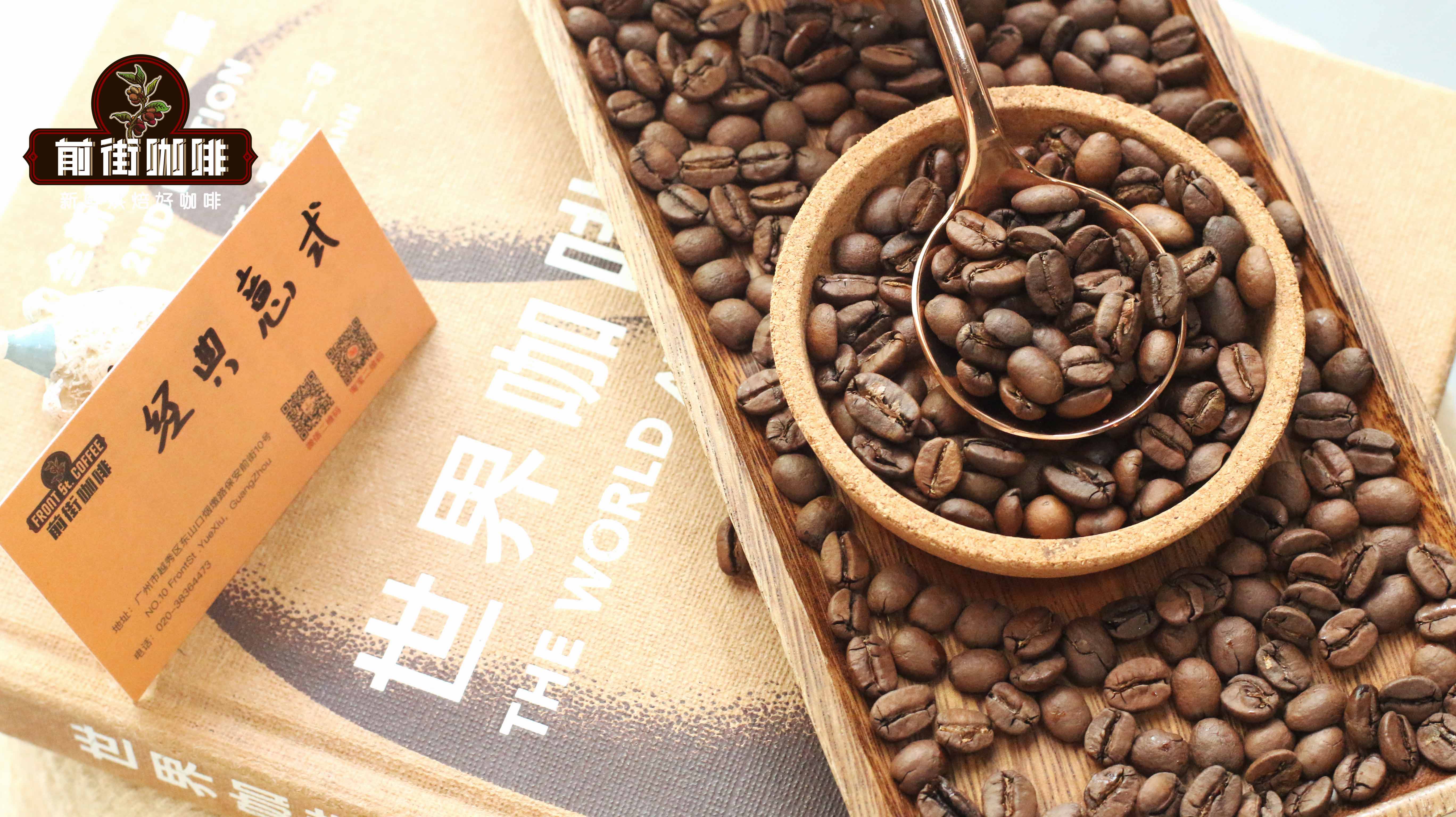
The coffee beans used to make the espresso have a significant impact on the final flavor of the Americano. Some coffee shops use blends, such as a mix of Honduran Sherry and Ethiopian Natural Red Cherry, offering a rich and layered taste. Others opt for dark-roasted multi-origin blends, like combinations of Brazilian, Indonesian, and Vietnamese beans, enhancing boldness and intense crema.
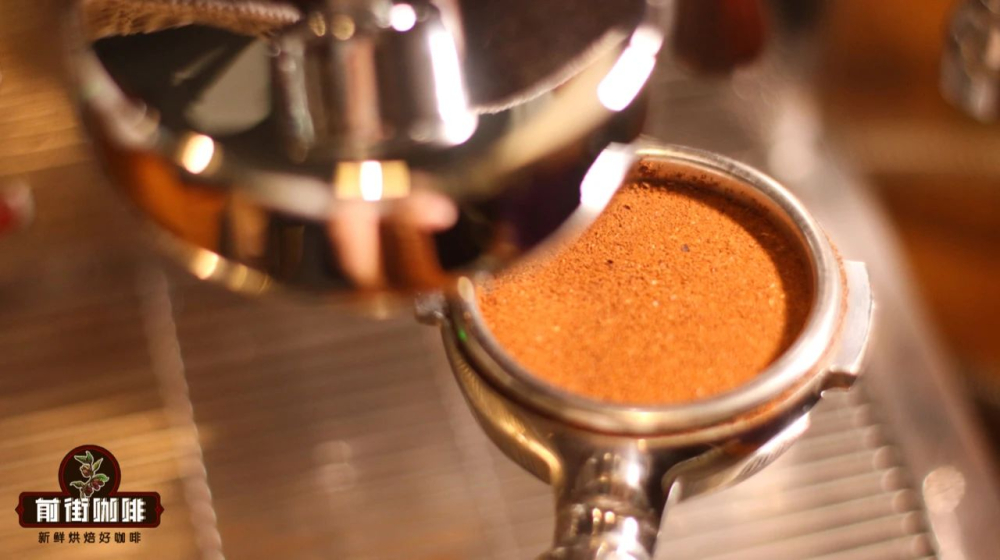
Before actual extraction, thegrind size, dosage, coffee-to-water ratio, water temperature, extraction pressure, and timeare all key parameters that affect the extraction outcome. If the grind is too coarse, it can lead to under-extraction and a sour taste; if it's too fine, it may result in over-extraction, producing bitterness.
 " alt="" />
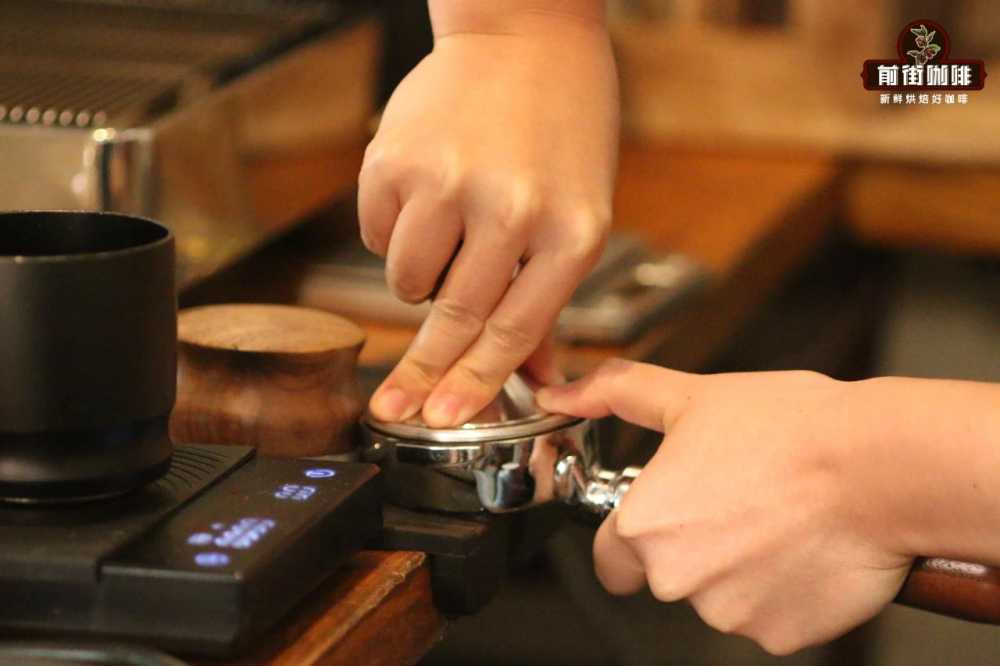
Besides the details of the grind, the tamping technique is also extremely important. What seems like a simple action—if pressed too hard or unevenly—can alter the puck density, affecting the speed and evenness of water flow. It’s recommended to tamp evenly, applying force perpendicular to the portafilter to avoid uneven extraction. Over-tamping can also narrow the water pathways, leading to over-extraction.
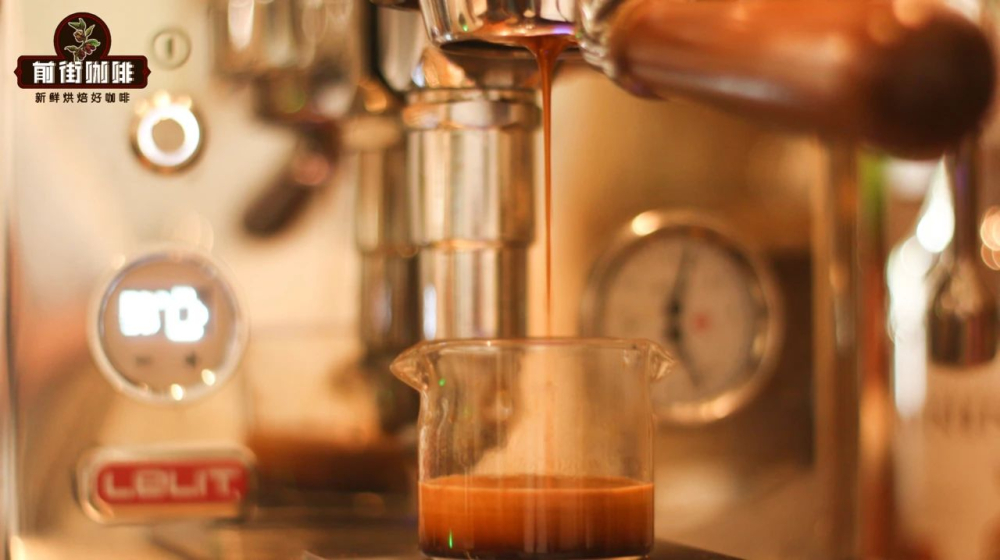
Taking the common double shot espresso as an example, many shops use about 20 grams of coffee, set the water temperature between 90.5–96°C, maintain extraction pressure at around 9 bar, and control the time within 20–30 seconds to produce around 40 grams of espresso, with a coffee-to-water ratio of about 1:2. This parameter range helps achieve a consistently rich and balanced espresso base.
 " alt="" />
Once we’ve obtained the espresso, the next step is to add hot water to create the Americano. So,what is the golden ratio of espresso to water in an Americano?A commonly used ratio is 1:8, but many baristas adjust it based on the beans’ characteristics.
Actual tests have shown that using certain bold blends, a 1:8 ratio might make the coffee taste too thin, with a weak aftertaste or even a watery mouthfeel. Switching to a 1:6 ratio can better showcase the layers of flavor—such as the lingering notes of dark chocolate and whiskey—while retaining better body and balance.
 " alt="" />
When tasting an Americano, it’s recommended to take a moment and savor it slowly, much like appreciating tea or wine. Start by inhaling the aroma, sensing the richness from freshly ground beans; then observe the color—it should ideally be deep brown rather than pitch black; next, take a small sip to experience the balance of acidity, sweetness, and bitterness. Let the coffee sit in your mouth briefly, allowing it to blend with saliva and air before swallowing, which helps fully perceive the flavor layers.
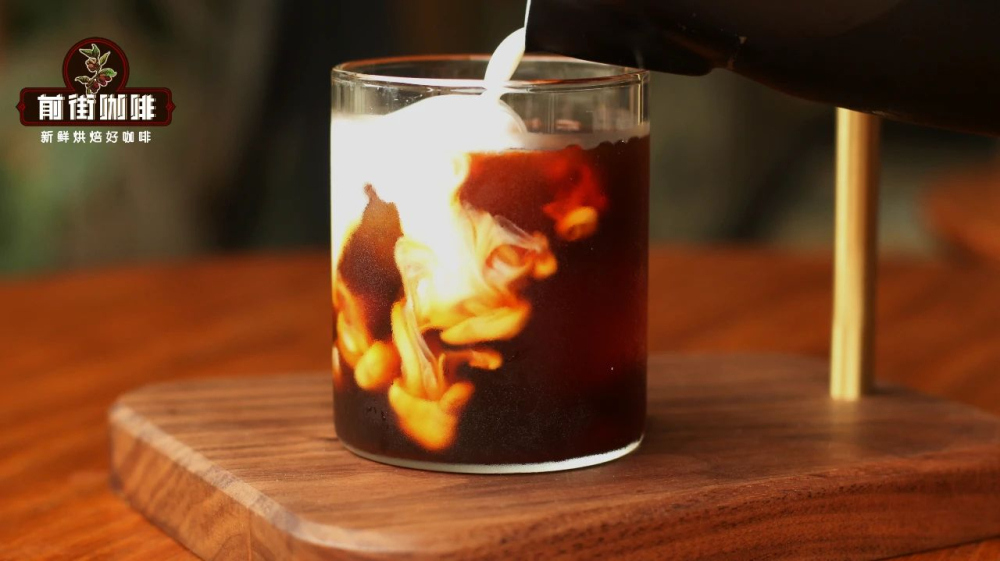
If the coffee tastes too bitter, you can adjust to your personal taste by adding spices, cinnamon, sugar, milk, or even sparkling drinks to create your own unique flavor.
 " alt="" />
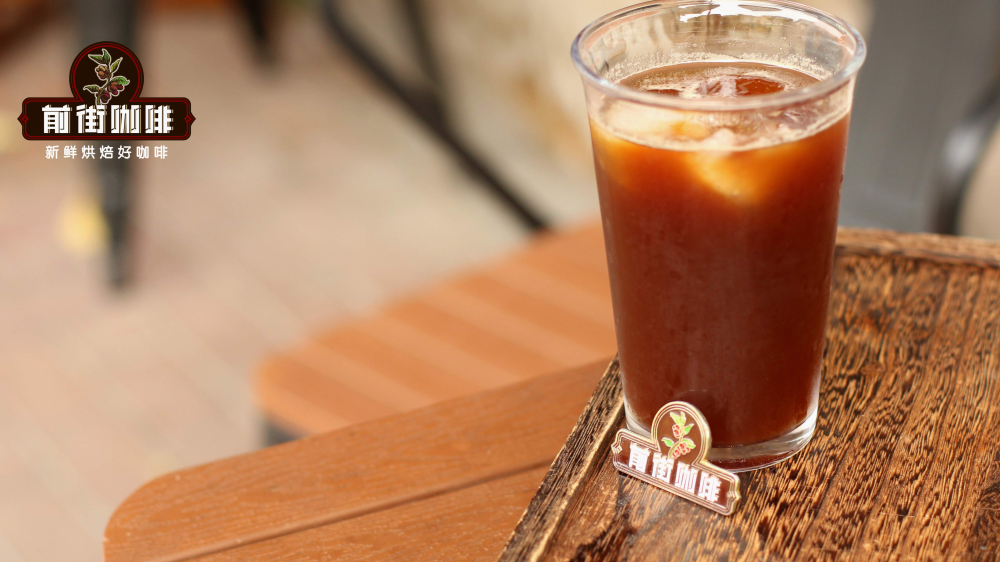
Hot Americano and iced Americano each have their own charm. Because higher temperatures more effectively release aromatic compounds, hot Americano usually excels in aroma and aftertaste, making it ideal for slow sipping. Iced Americano offers a refreshing and crisp drinking experience, especially suitable for hot weather or when you need a quick pick-me-up. Choose the method that best suits your preference and occasion to enjoy the diverse appeal of Americano.
 " alt="" />


The above content is compiled by CoffeeHunters, a coffee news website.


