








Introduction:Americano, with its simple composition and rich coffee flavor, has become a daily choice for many coffee enthusiasts. However, many often encounter an overly bitter taste when drinking it. What causes this? This article delves into the sources of bitterness in Americano, examining factors such as coffee bean selection, roast level, and brewing parameters, while also providing adjustment tips to help you better understand how to brew a balanced and smooth cup—whether hot or iced.
Americano can be considered a classic in the coffee world, made simply with espresso and hot water. Not only is it quick to prepare, but it also provides a fast caffeine boost. Since it contains no milk or other additives, Americano best showcases the inherent flavor characteristics of the coffee beans, making it an important benchmark for many baristas to evaluate a shop’s quality control and extraction skills. For those who enjoy pure coffee flavors, Americano is like a black coffee without any modifications, intuitively revealing the potential of the beans.
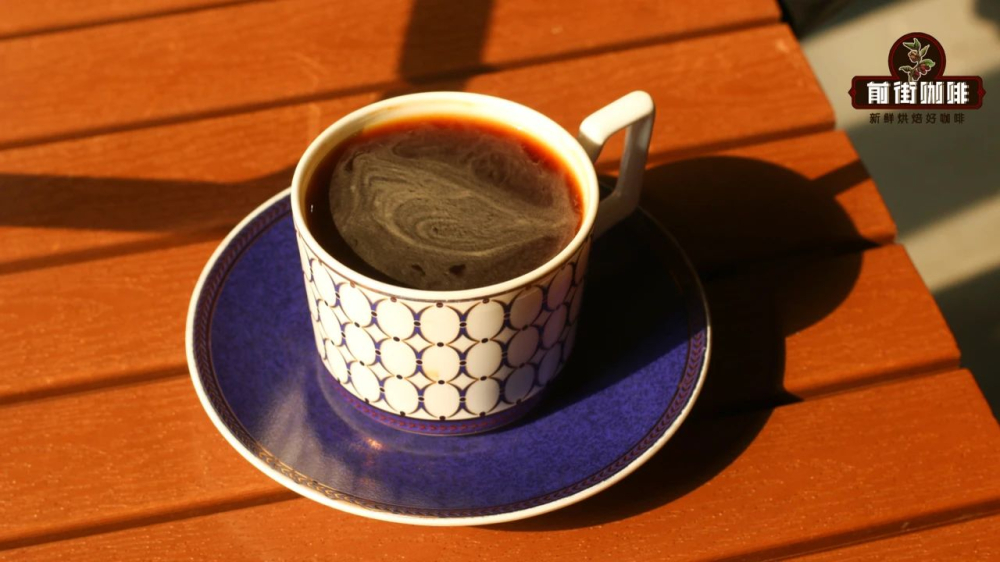
However, many people often find their Americano “too bitter” when drinking it. In reality, coffee itself possesses multiple flavor layers, including acidity, sweetness, bitterness, and saltiness. How prominent the bitterness is depends on factors such as bean variety, processing method, roast level, and most importantly—extraction method. From a professional perspective, to understand the bitterness in Americano, one must first understand its production process and influencing factors.

The steps to make an Americano are relatively simple: extract a shot of espresso and then dilute it with hot water. However, precisely because there are no milk or other balancing components, any small mishap in extraction will directly reflect in the flavor, making the bitterness more pronounced. As a result, many professional baristas prioritize ordering an Americano when evaluating a café, using it as a gauge of the shop’s technical skill.

So, why does Americano sometimes have a noticeable bitterness? First and foremost, the characteristics of the coffee beans themselves are key. If the espresso beans used are dark roasted or of an intense flavor profile, their flavor naturally leans toward being bold and heavy, and the bitterness will be more apparent. For example, medium-dark roasted beans often carry caramel, chocolate, or nutty notes, but if roasted for too long or at too high a temperature, they can easily develop an overly burnt and bitter taste.
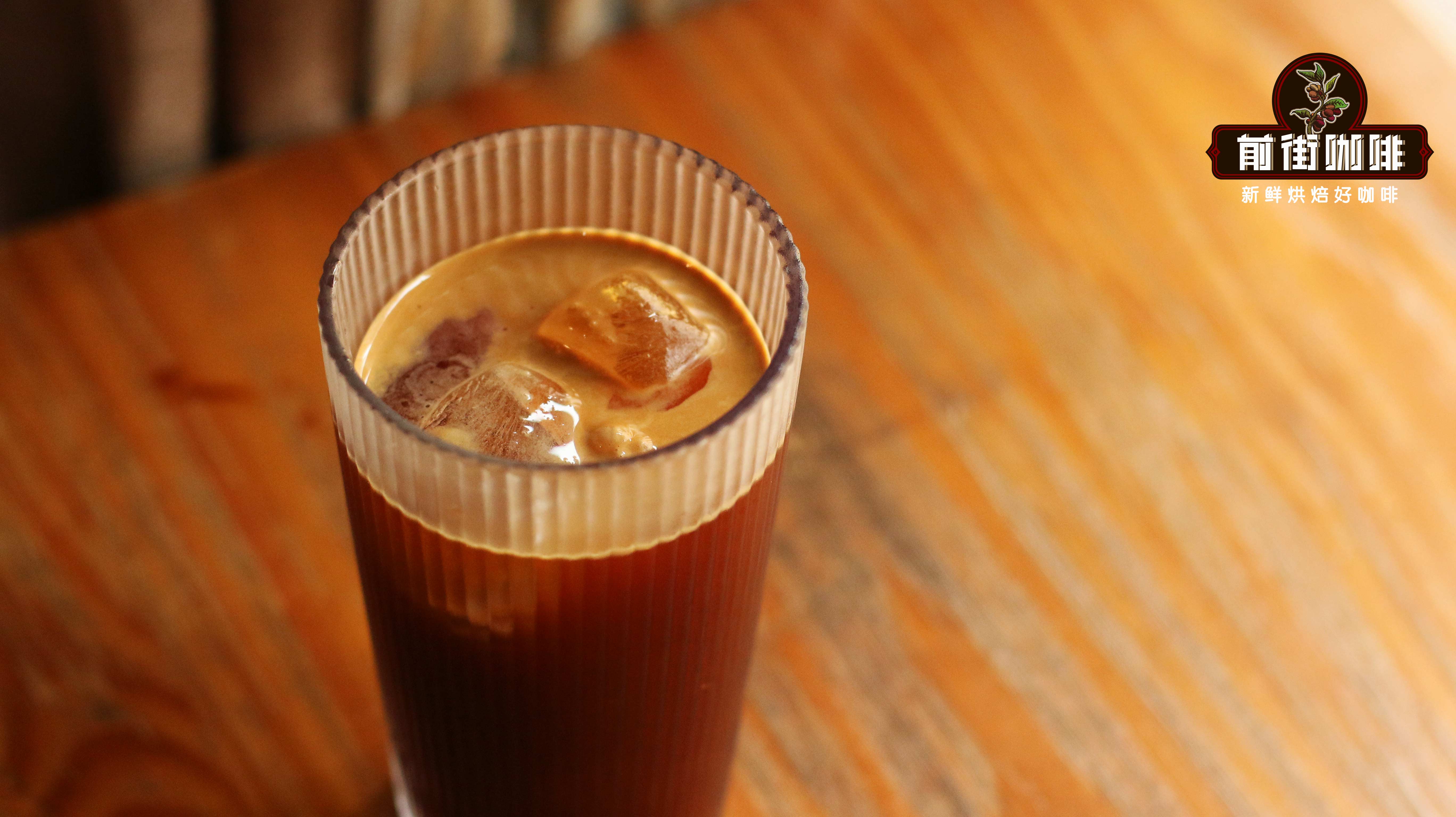
Another common reason is over-extraction. Generally speaking, only about 30% of the flavor compounds in coffee beans are extractable, and according to the so-called “Golden Cup Standard,” the ideal extraction rate should fall between 18% and 22%. When the extraction rate is below 18%, the coffee tends to taste sour and thin; once it exceeds 22%, it enters what is known as the “over-extracted” state, where not only does the bitterness intensify, but it may also be accompanied by noticeable astringency.
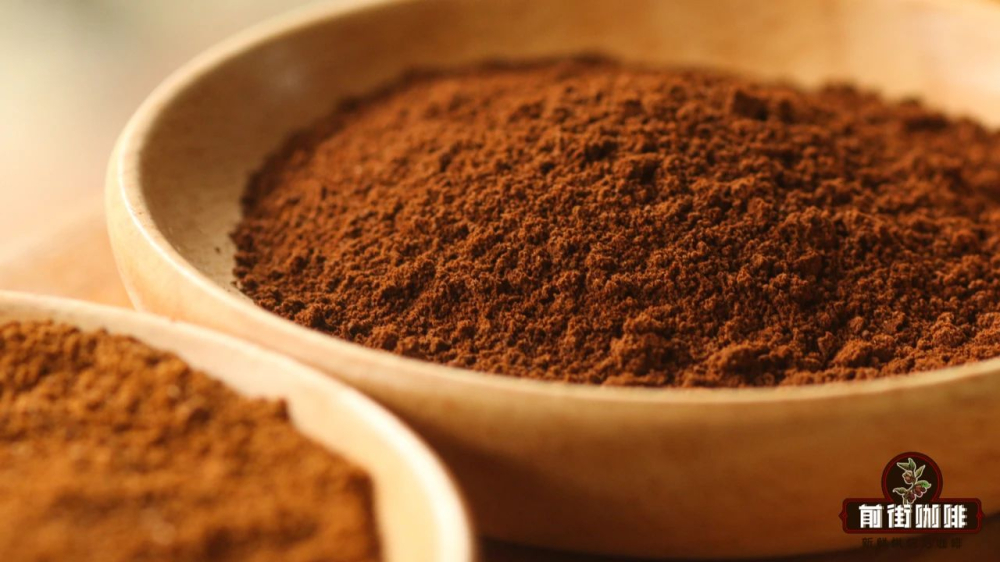
For example, if you use 20 grams of coffee grounds to extract 40 grams of coffee liquid over a period of 25 seconds or more, it’s likely that impurities and excessively released substances from the later stages of extraction are drawn out, leading to an imbalanced overall flavor with prominent bitterness. Some experienced baristas adjust the coffee-to-water ratio or extraction time based on the beans’ condition that day—for instance, controlling the yield to 35 grams and reducing extraction in the later stages—to effectively lower the risk of over-extraction and achieve a smoother, rounder taste.
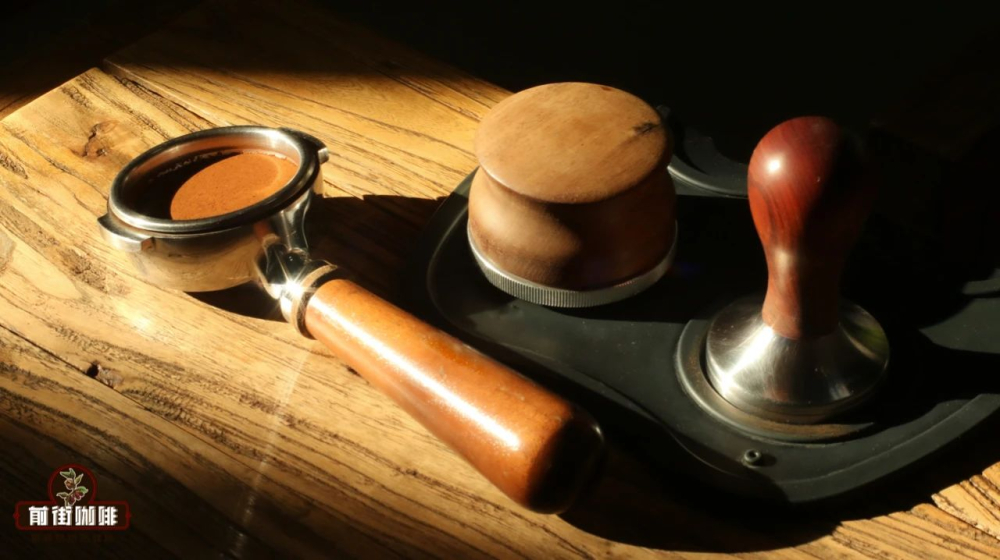
In summary, to improve the bitterness of Americano, you can start by choosing coffee beans with a medium-light roast level and strictly controlling extraction parameters, including coffee dosage, water temperature, extraction time, and ratio. Additionally, paying attention to channeling effects and grind size is also crucial to avoiding localized over-extraction. By mastering these basic principles, whether it’s hot Americano or the popular iced version, you can achieve a more balanced and layered flavor experience.
The above content is compiled by CoffeeHunters, a coffee news website.


