







Introduction:Want to learn about the common types and unique flavors of Americano? This article dives deep into the origins of Americano, how it differs from Long Black, and provides detailed guidance on the standard brewing ratios and techniques for both hot and iced Americano. It also offers suggestions for suitable coffee blends to brew Americano, helping you master the complete knowledge from bean selection to brewing — whether you're making it at home or ordering at a café.
All year round, Americano remains one of the most popular basic beverages in coffee shops around the world. In the cold winter months, a steaming cup of Americano can bring warmth and a refreshing boost; during the hot summer, a cool and refreshing iced Americano can instantly lift your spirits. But how did this widely loved drink come to be, and how is it actually made? Let’s take a closer look.
The Origin and Naming of Americano
The English name "Americano" comes from the Italian "Caffè Americano," which literally means "American coffee." As for its origin, the most widely circulated story is that during World War II, American soldiers, in order to adapt to the overly strong taste of espresso, began adding hot water to dilute the espresso, creating a more palatable coffee drink. After the war, with the rise of espresso machines and chain coffee shops, this "watered-down coffee" gradually spread worldwide and became the well-known Americano we know today.

Definition and Characteristics of Americano
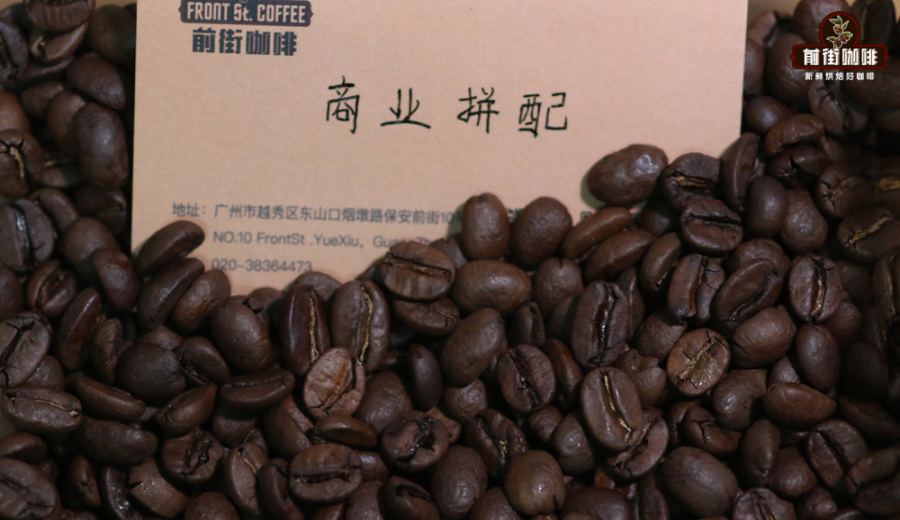
Americano is a type of black coffee, and its most distinctive feature is that it does not include any additional ingredients such as milk or sugar, allowing the inherent flavor characteristics of the coffee beans to shine through. In many specialty coffee shops, house-roasted blends are often used to make Americano — for example, a blend combining Honduran Sherry and Ethiopian Yirgacheffe natural beans, offering notes of wine, cream, tropical fruits, and fermentation, delivering a rich yet smooth mouthfeel experience.

Standard Brewing Methods for Hot and Iced Americano
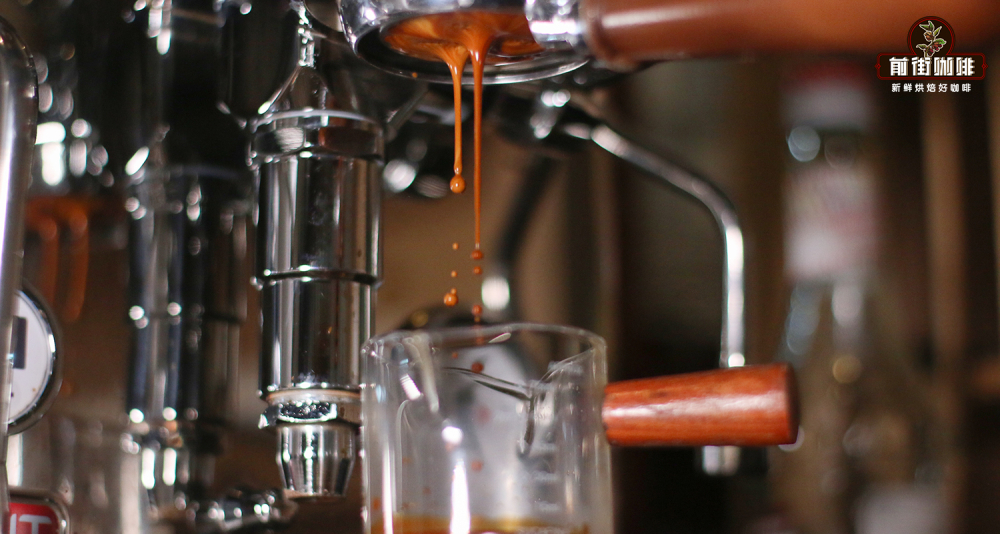
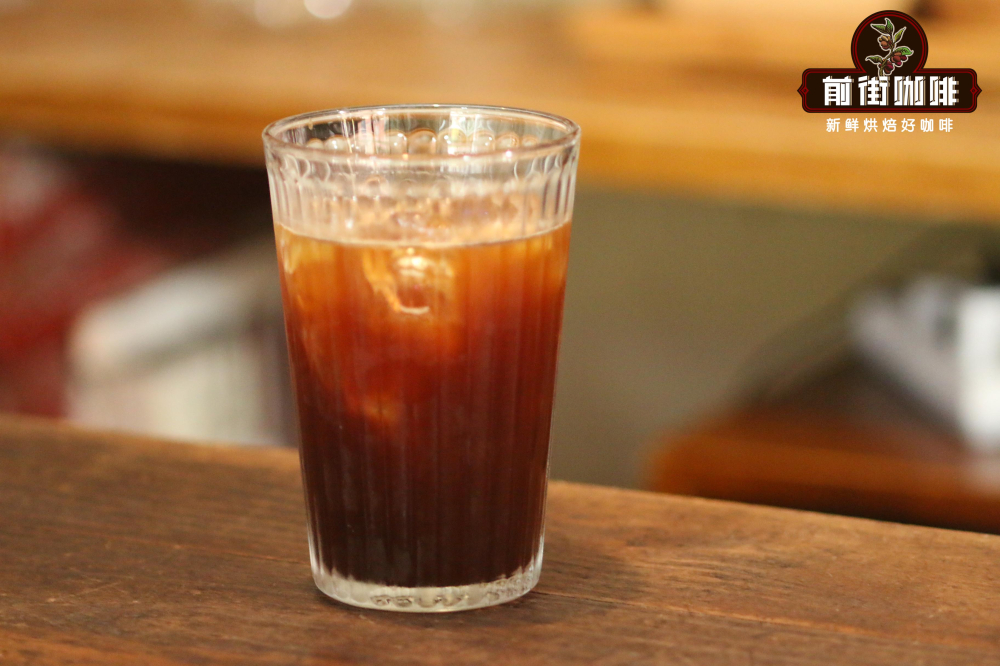
When making an Americano, it typically starts by extracting a shot of espresso using a 1:2 coffee-to-water ratio (usually around 20 grams of coffee grounds yielding 40 grams of espresso). Then, based on different drinking preferences, it is mixed with water or ice cubes at specific ratios. A common ratio for hot Americano is 1:6 (espresso to hot water), such as adding 40 grams of espresso to 240 grams of hot water at approximately 88°C. This ratio helps fully highlight the aromatic characteristics of the blend. For iced Americano, some or all of the hot water is replaced with ice and cold water. A common method is using 100–120 grams of ice along with an equal amount of room temperature water, helping maintain a cool drinking sensation and delaying the time flavor is affected by melting ice.
Difference Between Americano and Long Black
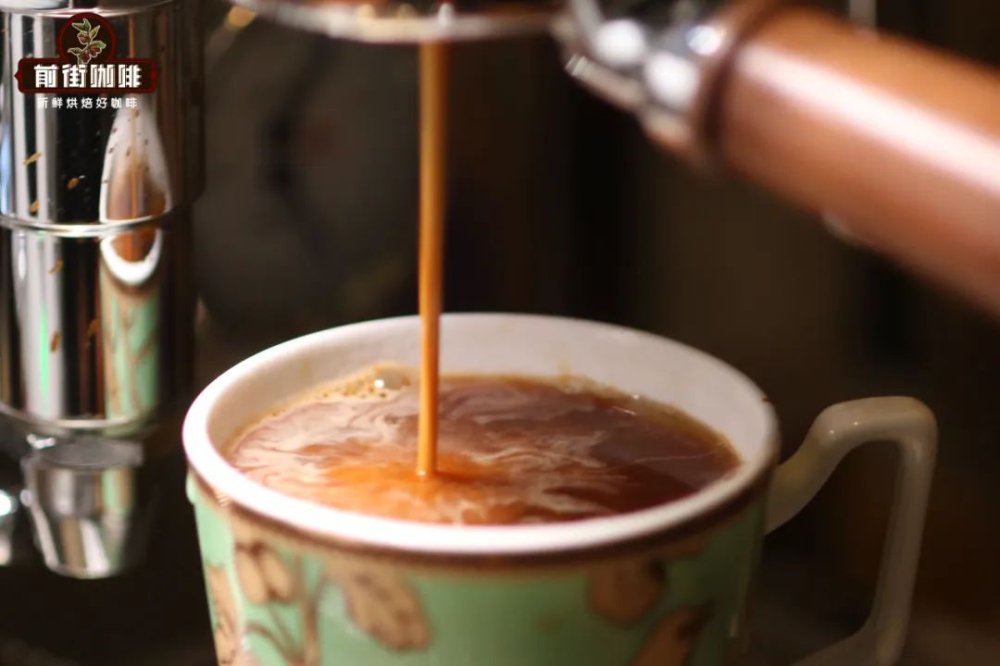
In some coffee shops, besides the common Americano, you might also see the option of "Long Black." This drink is mainly popular in places like Australia and New Zealand, and differs slightly from Americano in brewing sequence and taste. A Long Black is made by pouring espresso directly into a cup that already contains about 100–120 milliliters of hot water, thus preserving the Crema (coffee's oily layer), which makes the first sip more intense in flavor. In contrast, an Americano is made by extracting the espresso first and then diluting it with hot water, leading to differences in taste profile and drinking experience.
Recommended Blends for Making Americano
To make an Americano with balanced flavor and rich layers, choosing the right blend is crucial. Since the espresso extraction process involves high pressure, it demands stricter requirements for the roast level and flavor profile of the coffee beans. Therefore, medium-dark roasted blends are recommended. These blends usually combine beans from different origins — for example, the nuttiness of Latin American beans with the fruity notes of African beans — precisely proportioned to achieve complementary and balanced flavors. Common blend combinations may include the richness of Brazilian beans, the chocolatey aroma of Colombian beans, and a small portion of beans with unique flavors (like wine or fruit) to add depth to the overall profile.
Further Reading: Common Blend Types and Their Characteristics
When selecting coffee beans, you can choose different styles of blends according to personal taste preferences. For example, some blends emphasize richness and a creamy mouthfeel, suitable for those who enjoy bold black coffee; others offer slight acidity and fruity notes, presenting a brighter flavor profile. Additionally, there are blends specifically designed for milk-based coffee, which can showcase enhanced sweetness and aroma when milk is added — a great option for those who enjoy both Americano and latte.




The above content is compiled by CoffeeHunters, a coffee news website.


