








Introduction:Want to understand the essence of making Americano and the differences in flavor? This article delves into how different coffee beans (such as blends and SOEs) perform in an Americano, analyzes the golden ratios of extraction parameters like dose, time, and yield, and provides practical tasting steps to help you master the entire process from bean selection to brewing, crafting your ideal black coffee.
The basic method of making an Americano is diluting espresso with hot or cold water, creating a classic beverage that balances strong coffee aroma with a refreshing taste. Common bases often use dark-roasted espresso blends, but depending on the type of beans used, the final flavor profile can vary greatly.
Many people ask: Can you only use espresso blends to make an Americano? In fact, besides common blends, single-origin espresso beans (SOEs) can also be used to make an Americano, although there are clear differences in characteristics and challenges between the two. Next, we’ll fully unpack the secrets of making an Americano—from bean selection and real-world examples to extraction details.
The Two Main Types of Americano Beans: Blends vs. SOEs
Currently, the most common Americano beans on the market fall into two main categories: blended coffee beans and single-origin espresso beans (SOEs). Blended beans are made by combining two or more types of coffee beans, aiming to merge the characteristics of different regions or processing methods to create a more balanced and layered overall flavor. For example, mixing beans with bright acidity and those with rich, low-acidity profiles can complement each other’s weaknesses and enhance the overall taste.

In contrast, SOEs use beans from a single origin, typically highlighting the unique terroir and character of that region—such as pronounced citrus notes, floral aromas, or distinctive sweetness. However, because there are no other beans to mask flaws, if the quality of that particular batch is unstable or poorly processed, it can easily result in noticeable shortcomings. Therefore, SOEs have relatively higher technical barriers in roasting and brewing, which is often reflected in the price.

Real-World Examples: Three Different Flavor Profiles of Americano Blends
Below, three different blend recipes are used to demonstrate their flavor directions and suitable audiences when making an Americano. Each recipe uses a dual-spout filter, with the dose controlled at 18 grams (ideally within ±1 gram), extracting 36 grams of coffee liquid in about 28 seconds, then pouring the extracted liquid into a 330ml cup filled with ice and water to complete the Americano.
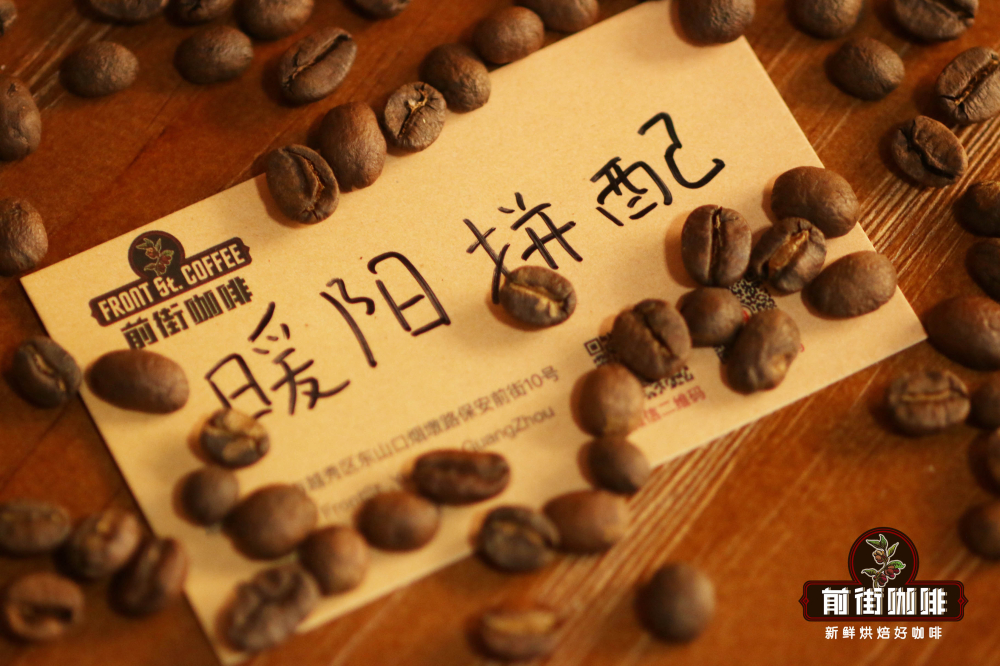
First is the 【Sunflower Warm Sun Blend Coffee Beans】, which leans toward showcasing acidity, using a 6:4 ratio of Honduran Sherry and Yirgacheffe Red Cherry beans. It presents pronounced fruity acidity, berry aromas, a hint of wine-like notes, and a rich chocolate aftertaste, with excellent sweetness, making it ideal for those who enjoy fresh and bright flavors.
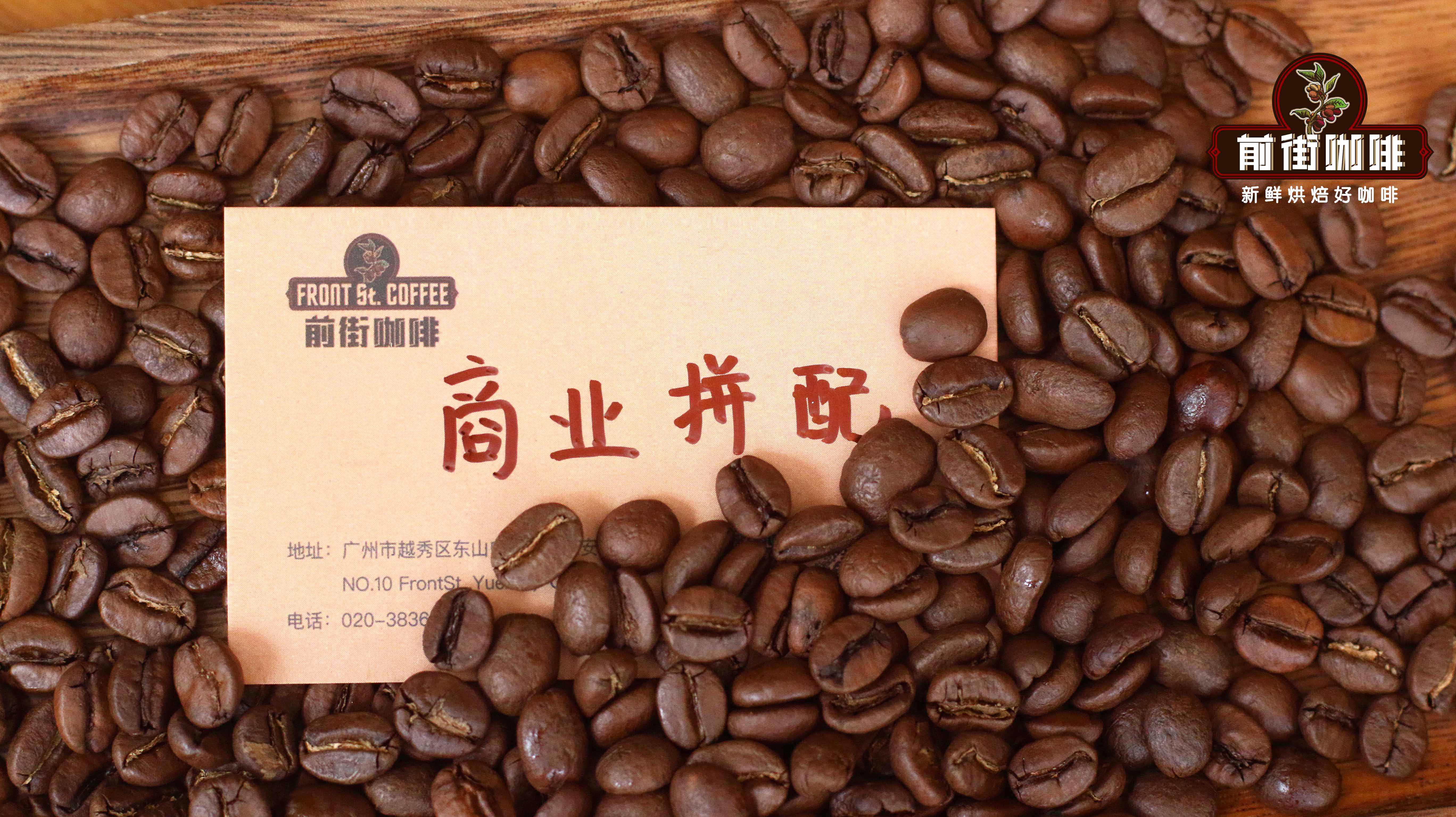
If you prefer a rich and full-bodied taste, you can opt for the 【Certain Commercial Blend Coffee Beans】, composed of Colombian, Brazilian, and a small amount of Robusta (in a 3:6:1 ratio). It delivers caramel sweetness, nutty and dark chocolate tones, with balanced acidity and sweetness, a long-lasting aftertaste, and a slight bitterness, suitable for everyday consistent drinking.
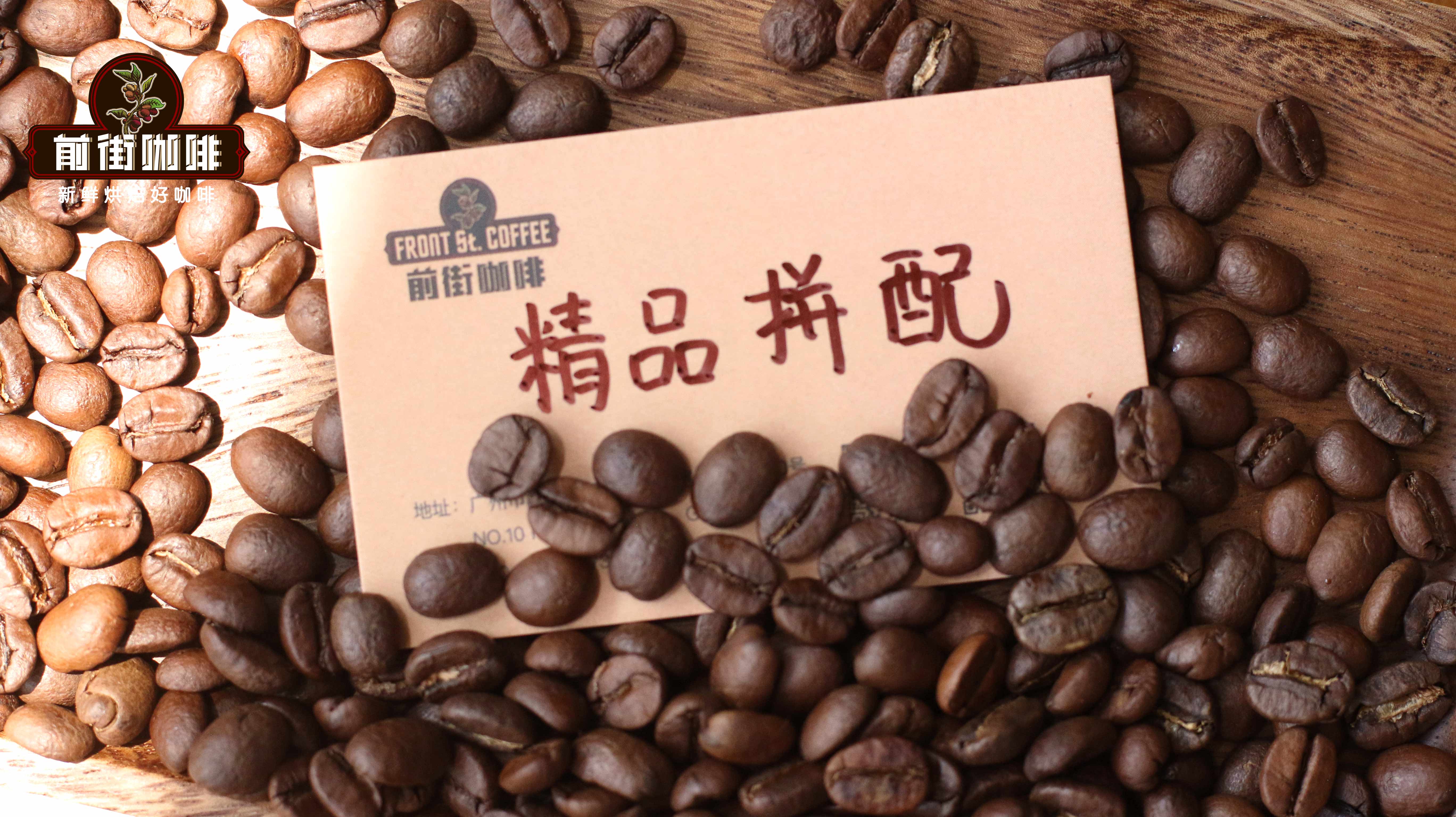
As for readers seeking a balanced and mild expression, the 【Certain Premium Blend Coffee Beans】 is the ideal choice, blending Colombian and Brazilian beans in a 3:7 ratio. The flavor is soft with mild acidity, featuring subtle sweetness and nutty aftertaste, with an overall smooth mouthfeel and medium crema, suitable for those who don’t prefer overly intense stimulation.
Steps for Tasting an Americano
When drinking an Americano, it’s recommended to follow three steps: First, take a light sniff of the coffee’s aroma to capture its volatile floral, fruity, or nutty scents; second, observe the color of the coffee liquid—the ideal state is deep brown rather than pitch-black and dull; finally, take small sips to first feel the basic balance of sweetness, bitterness, and acidity, then hold it in your mouth and mix it with air to appreciate the detailed layers before slowly swallowing.

Through such systematic tasting, you can gain a more comprehensive understanding of the unique personality of each bean, which also helps in selecting an Americano that better suits your taste in the future.
Whether you’re just starting out or already a coffee enthusiast, understanding the characteristics and extraction details of different Americano beans can bring you a richer flavor experience in every cup of black coffee you drink daily.




The above content is compiled by CoffeeHunters, a coffee news website.


