








Introduction:Does pour over coffee lose its flavor after it cools down? Many coffee enthusiasts have encountered this issue. This article delves into whether you can reheat cooled pour over coffee, how its flavor changes, and the key details to watch out for during reheating — helping you better appreciate every cup of coffee.
It’s often said that good coffee should be enjoyed while hot to fully experience its layered flavors and delicate mouthfeel. However, as the seasons change — especially in cooler indoor environments — a freshly brewed pour over coffee can quickly lose its warmth. Not only does its aroma noticeably diminish, but its mouthfeel also becomes less smooth compared to when it was just extracted, leaving you wondering whether to keep drinking it. In such situations, many consider reheating the coffee, but is that really appropriate?

As coffee cools from hot to cold, it actually undergoes a series of subtle changes. During extraction, hot water draws out various flavor compounds from the coffee grounds. These compounds exist in different forms within the liquid, creating the acidity, sweetness, bitterness, and aromas we perceive. However, as the temperature drops, our sensitivity to different taste sensations also changes, directly affecting the overall experience of the coffee when it enters the mouth.
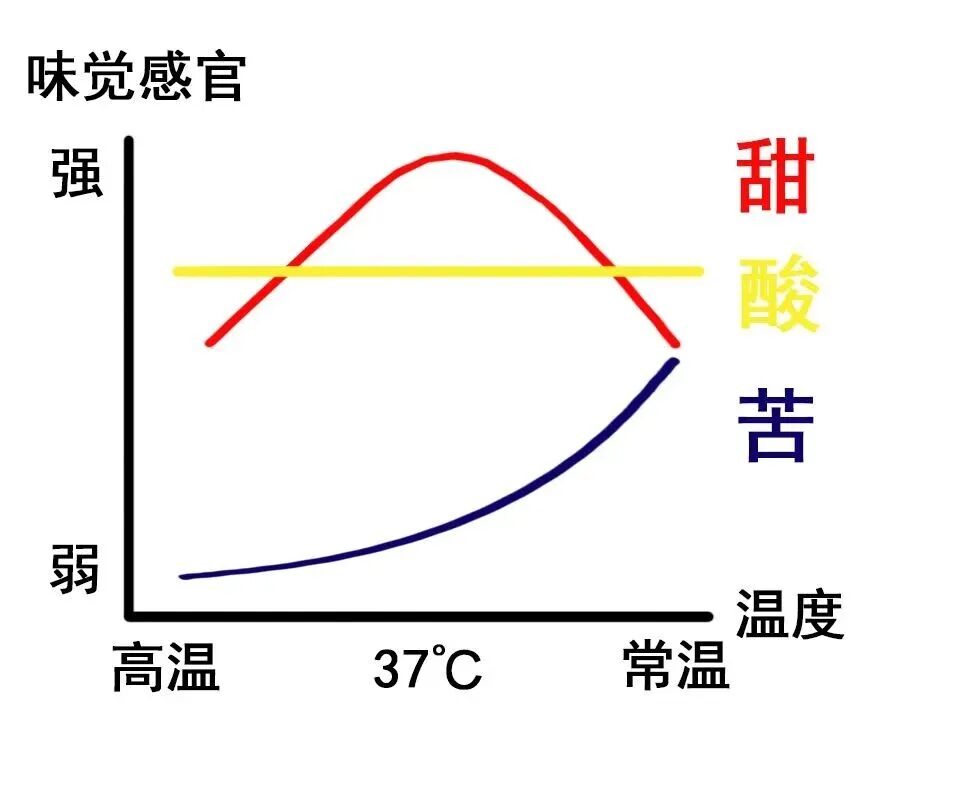
Research shows that at medium to high temperatures, our perception of bitterness is relatively dulled because the heat temporarily numbs the taste buds. Yet, once the coffee has completely cooled, bitterness becomes particularly prominent, even overpowering other flavors and making the coffee unpleasant to drink. Conversely, sweetness is most easily detected near body temperature, but as the temperature continues to drop, sweetness gradually fades while acidity and bitterness become more noticeable. Additionally, the oils in coffee are prone to oxidation as it cools, causing the mouthfeel to lose its original smoothness. Coupled with the condensation effect of some soluble substances, this further intensifies the sour and astringent sensation.
Beyond the impact of temperature on taste, the loss of aroma is another key reason why coffee loses its appeal as it cools. The volatile compounds in coffee flavor begin to dissipate rapidly once the coffee liquid comes into contact with air. Whether it’s freshly ground coffee or brewed coffee, once exposed to air, the aroma continually weakens. For example, a freshly brewed Sidamo Alo can clearly emit the fresh fragrance of white magnolia and sweet orange at 50–70°C, and you can also taste the sweet-and-sour notes of pineapple and mango; but when the temperature drops to 35–50°C, although the citrus acidity remains prominent, it is accompanied by a tea-like finish; once below 30°C, the aroma almost disappears, the mouthfeel becomes murky and overly acidic or bitter, with significantly reduced body, making it hard to drink.

So, can reheating cooled coffee restore its original flavor? Theoretically, heating can once again stimulate the taste buds’ perception of sweetness, thereby reducing the stimulation of bitterness and astringency, making the coffee easier to drink. Therefore, if you don’t want to waste the remaining coffee, moderate reheating is indeed a viable option. However, since most volatile aromas have already been lost over time and due to cooling, even with reheating, you can’t restore the original rich layers of aroma — at best, you may recover some of the basic coffee flavors.
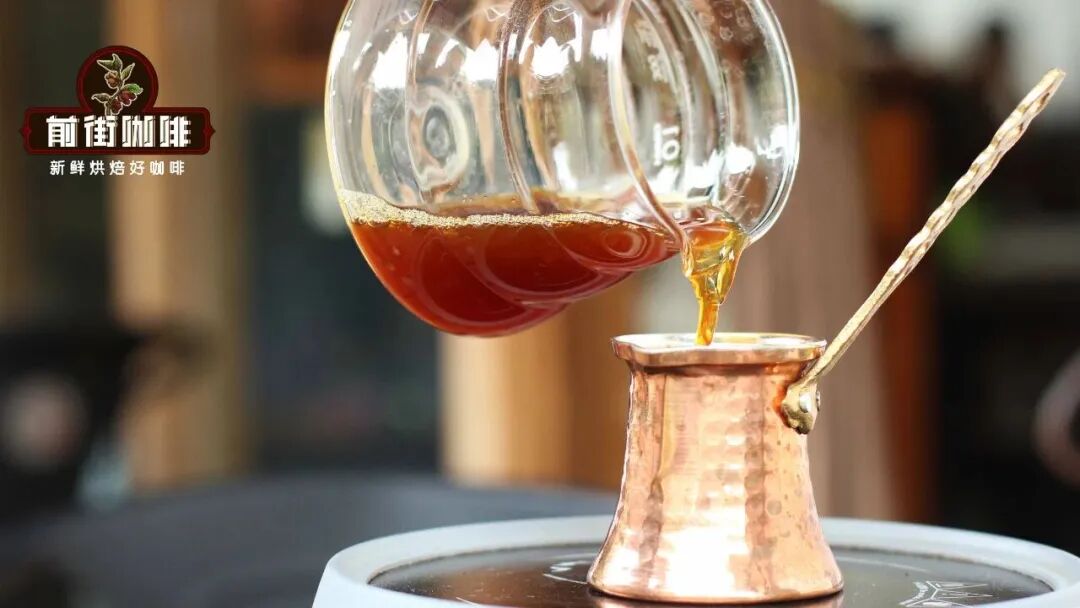
It’s important to note that during the reheating process, the undesirable taste components that developed during cooling may become even more pronounced as the temperature rises, potentially making the overall coffee experience even less satisfying. Therefore, if you decide to reheat, be sure to control the temperature well to avoid overheating, which can worsen the mouthfeel. It’s recommended not to let the coffee exceed body temperature by too much to prevent scalding, and to adjust the optimal reheating range based on the roast level of the coffee beans.

For medium to light roasted coffee, which features fruity acidity and a light body, it’s suitable to reheat to 50–70°C, helping to restore bright acidity. For medium to dark roasted coffee, which usually emphasizes a rich body and low acidity, it’s advised to keep the reheating temperature between 35–50°C. This range allows the tongue to more acutely detect sweetness, making the coffee smoother and easier to drink. Mastering these details enables you to enjoy the remaining good flavors of even a cooled pour over coffee through appropriate reheating methods.
The above content is compiled by CoffeeHunters, a coffee news website.


