







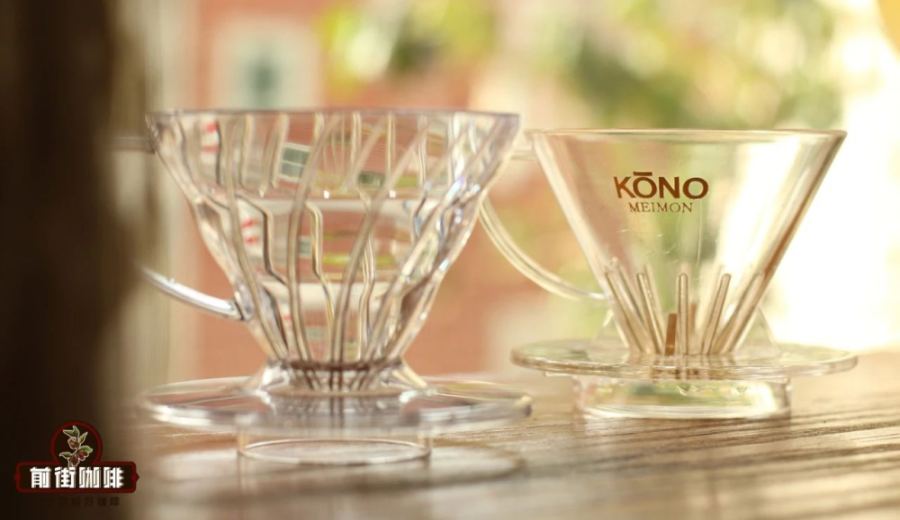
Introduction:The Kono filter cone has carved out a niche in the pour over coffee scene thanks to its unique structural design, making it particularly well-suited for dark roasted beans and full-bodied flavor profiles. This article delves into the extraction principles behind the Kono, explores how its rib design influences water and air flow, and provides recommended coffee bean choices, grind size advice, and practical brewing steps to help you master this filter’s characteristics and produce pour overs with concentrated flavors and pronounced sweetness.
Similar in shape to the commonly used Hario V60, the Kono also adopts a conical design, but the two differ significantly in their rib structures. The Kono features 12 relatively short ribs inside, which help enhance air circulation and thereby improve the efficiency of the blooming stage. When paired with a lower brew chamber, its extraction process mimics the pressure dynamics similar to a siphon effect, allowing the coffee grounds to absorb water more fully at the beginning and thus increasing overall concentration. This characteristic makes the Kono especially suitable for medium to dark roast beans, highlighting a richer and more layered mouthfeel.
The original purpose of designing the KONO filter cone was to overcome the drawback of difficult cleaning associated with cloth filters, while striving to replicate the flavor expression achieved through cloth drip brewing. Its designer, Mr. Kono, adjusted the angle of the cone to resemble that of a cloth filter—both tapering and conical. This not only helps concentrate the coffee grounds, forming a stable and even bed, but also allows the water to penetrate the coffee layer more directly. In addition, the bottom of the filter is designed with a larger opening to accelerate dripping speed, closely matching the extraction rhythm of cloth filters. However, this design also presents an obvious issue: the water level drops too quickly, which can lead to insufficient absorption by the coffee grounds and result in incomplete extraction. To address this, the Kono filter cone is specially equipped with 12 semi-radial ribs on the inside, effectively improving water distribution and extraction efficiency.
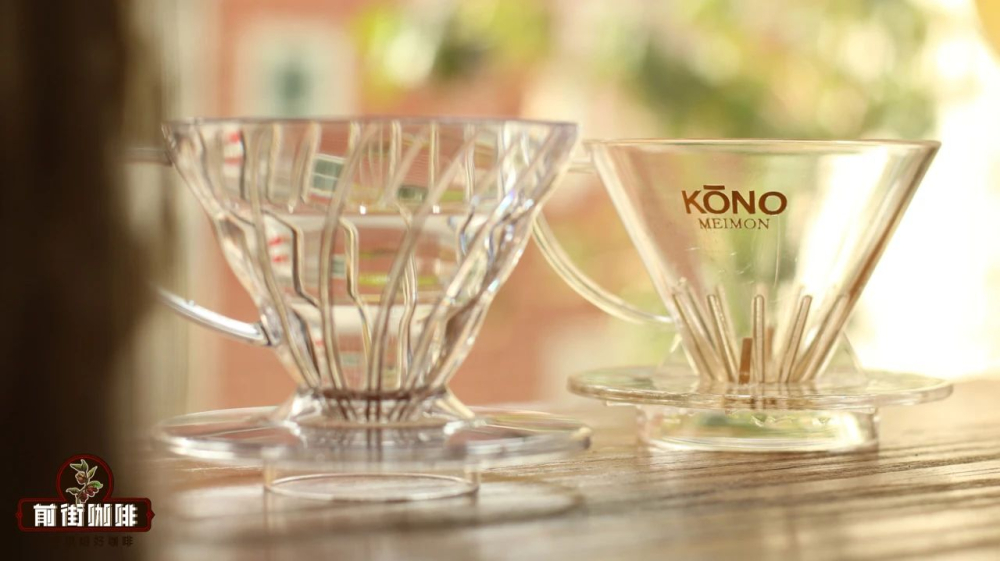
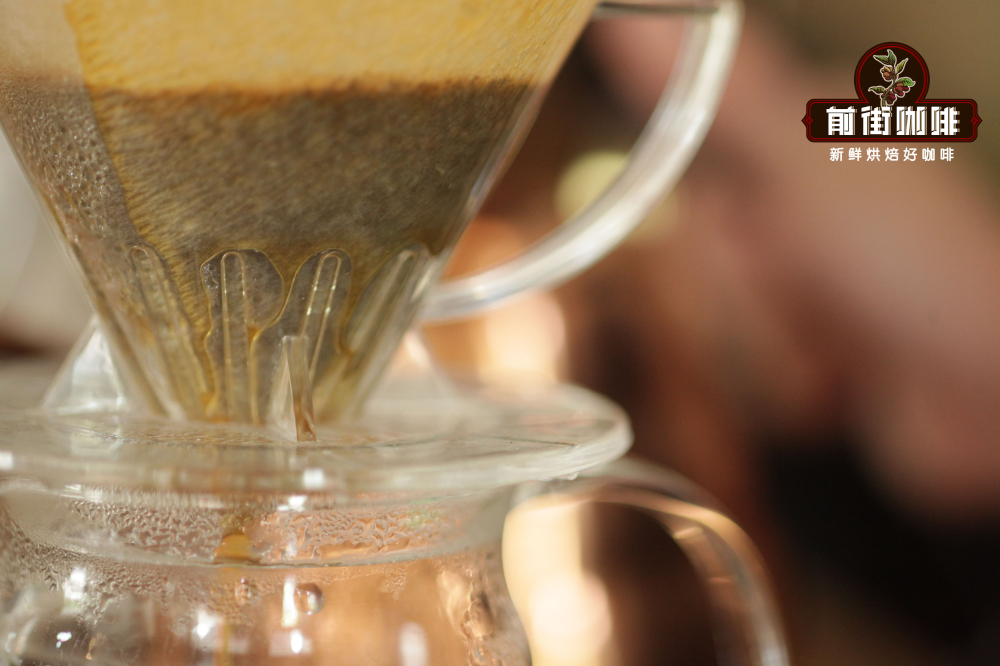
The smooth curved interior structure of the filter cone allows the filter paper to adhere tightly to the cup walls, restricting the side exhaust pathways so that air can only escape through the bottom outlet. This setup controls the airflow, enabling the coffee grounds to absorb water more thoroughly after pouring, thereby achieving a more even and complete flavor extraction. Precisely because of the relatively slow flow rate, coffee brewed with the Kono often exhibits a more pronounced sweetness, with an overall flavor profile that is bold yet restrained. The aromas are not overt, making it especially suitable for dark roasts—such as Indonesia’s Golden Mandheling—which can fully showcase their full body and woody notes.
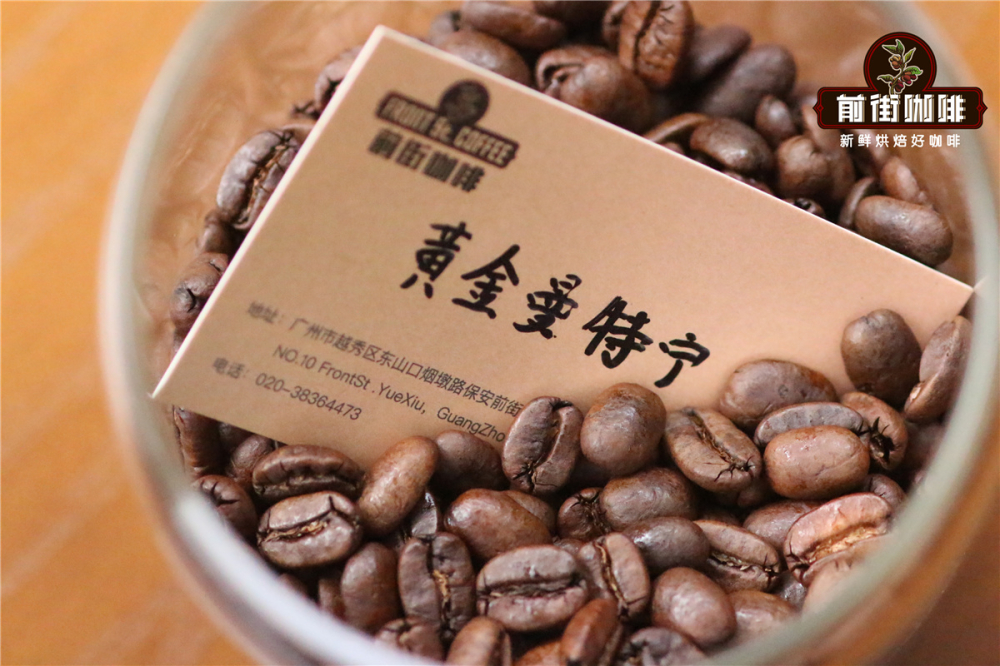
Golden Mandheling coffee beans originate from the renowned PWN company in Indonesia and are processed using the traditional wet-hulled method. Although this method increases the defect rate of the beans, it also imparts unique herbal and earthy aromatic qualities. Since the beans are dried without the protection of parchment paper, they are more susceptible to surrounding microbes, which further develop the “regional character” traits commonly found in Indonesian coffees—such as woody, spicy, and herbal notes—adding depth and complexity to the cup.
For actual brewing, it is recommended to use about 15 grams of coffee grounds, a quantity suitable for 1 to 2 servings and also the standard capacity for most Kono filter designs. Using too much coffee not only makes control more difficult but may also lead to a muddled and unclear flavor profile. In terms of coffee-to-water ratio, 1:15 is the most widely used and easy-to-manage benchmark, balancing concentration and flavor expression.
For dark roasted beans, whose texture is already relatively loose, avoid grinding too finely. It is recommended to use a medium-coarse grind, approximately equivalent to a 70% pass-through rate on a Chinese standard No. 20 sieve, or adjusting to setting 11 on a grinder such as the EK43s. This grind size helps manage extraction time, prevents over-extraction of bitter compounds, and preserves a moderate level of body.
Because the dark roasting process triggers more caramelization and Maillard reactions, producing a large amount of large-molecule bitter substances, it is advisable to lower the brewing temperature to around 87–88°C. In contrast, light roasted coffee can use a higher temperature of 91–93°C to better highlight acidity and aroma. For brewing techniques, a three-pour method is highly recommended to effectively showcase the richness and caramel sweetness of Golden Mandheling.
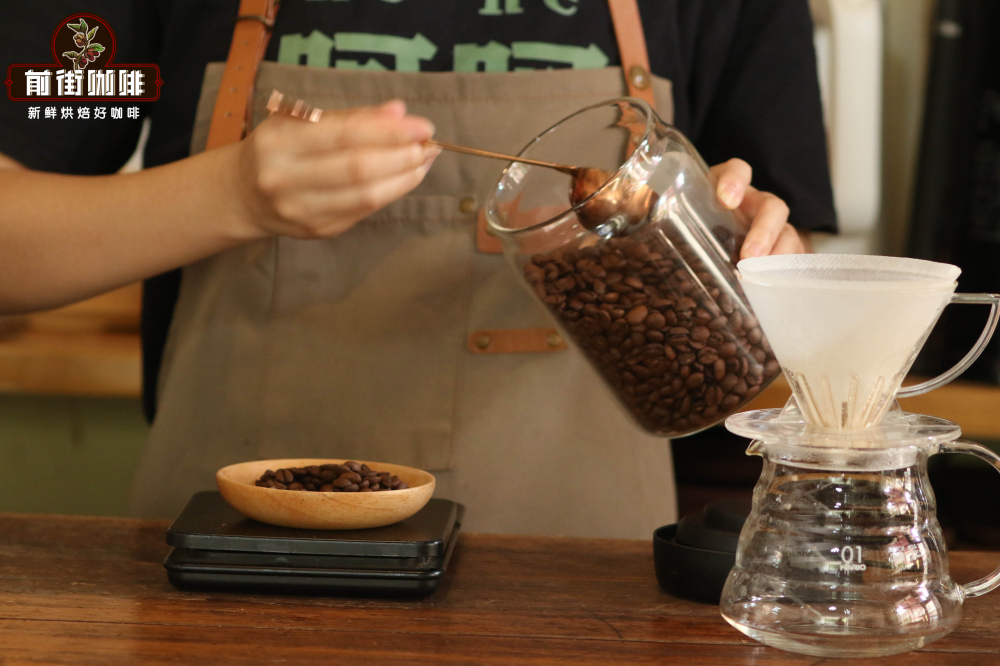
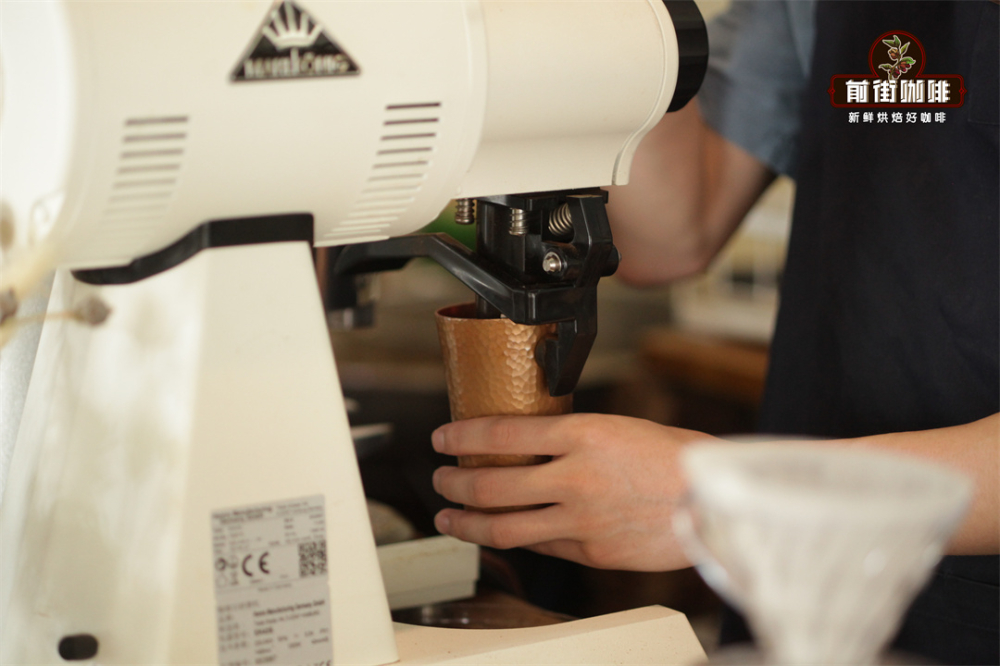
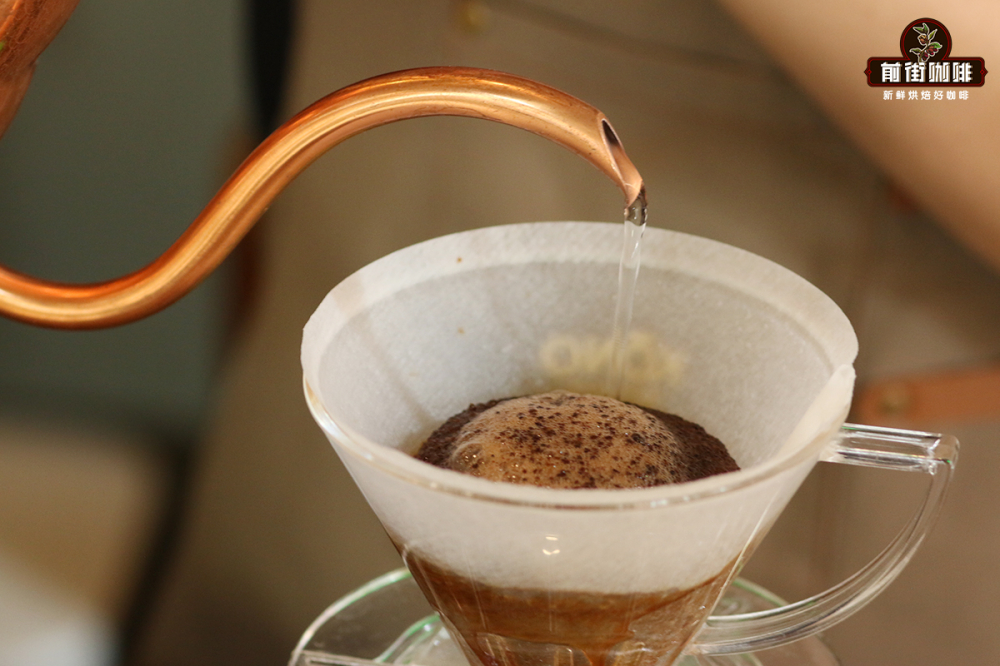
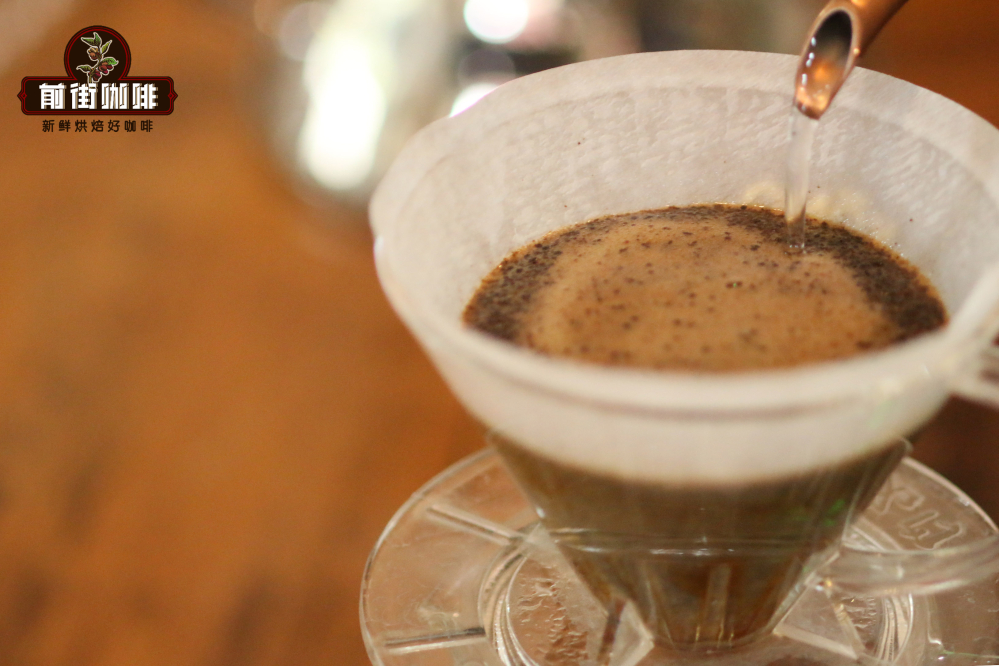
Before starting the brew, first rinse the Kono filter cone with hot water. This not only preheats the equipment but also helps the filter paper adhere tightly to the cup walls, reducing any paper taste interference. Next, add 15 grams of ground coffee into the filter cone and pour 30 grams of hot water for a 30-second bloom. This step effectively releases carbon dioxide, laying a solid foundation for subsequent flavor release. Note that for dark roasted beans, it is not recommended to extend the bloom time to avoid releasing excessive woody or off-flavors—30 seconds is the optimal balance point.
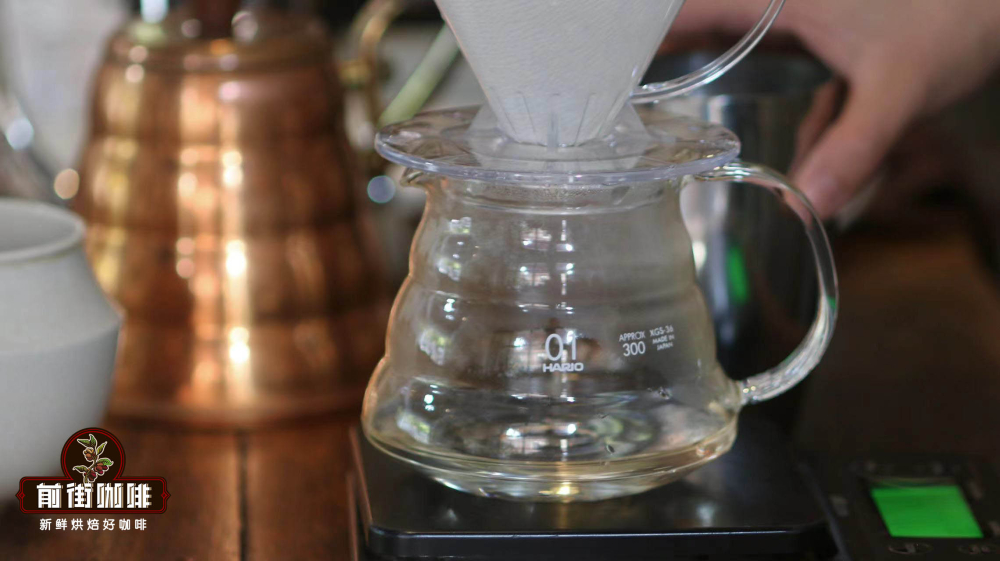
For the second pour, it is advised to pour in a steady and fine stream in a circular motion from the center until the cumulative water volume reaches 125 grams, at which point the first pour break occurs. Once the coffee bed settles to the middle section of the filter, continue pouring with the same technique until the total water volume reaches 225 grams. Then wait for the coffee liquid to completely drip through. The overall extraction time is recommended to be around 2 minutes, with an allowable margin of error of ±10 seconds. Once completed, gently swirl the coffee in the lower brew chamber before enjoying this cup of bold and layered pour over coffee made with the Kono filter.
The brewed Golden Mandheling opens with natural aromas of nuts and toasted bread, followed gradually by the sweet scent of caramel as the heat dissipates. On the palate, flavors of spices and dark chocolate dominate, delivering a full-bodied yet clean taste, with a finish marked by distinct lingering sweetness and a long-lasting aftertaste—making it a classic experience not to be missed by fans of dark roasts.
The above content is compiled by CoffeeHunters, a coffee news website.


