







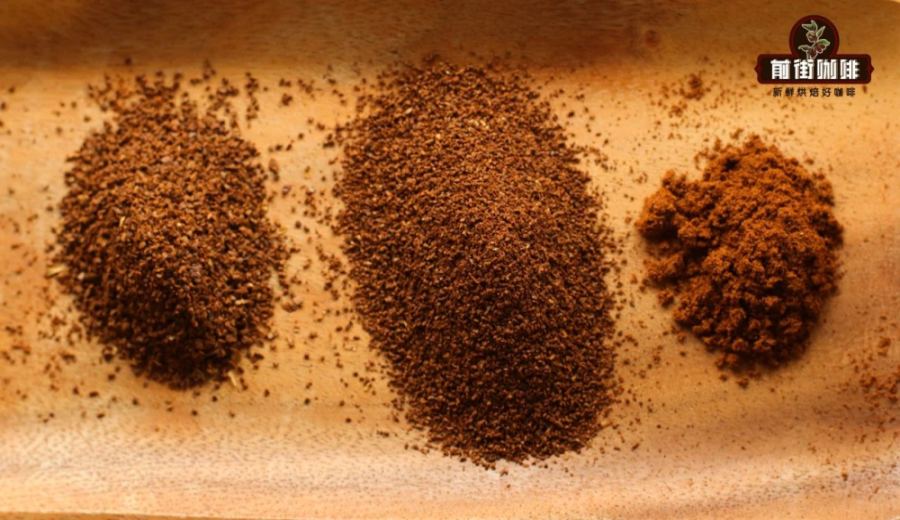
Introduction:To brew a cup of coffee with balanced flavors, grind size is key! The fineness or coarseness of the coffee grounds varies significantly across brewing methods — from the extremely fine grind used for espresso to the coarse grind for French press. Each brewing device has its own ideal grind range. This article details the optimal grind sizes for eight common brewing methods including pour over and moka pot, and offers practical parameter suggestions to help you adjust your setup according to the equipment characteristics and achieve the best extraction results.
The birth of a great cup of coffee depends on every step from the beans to your cup. Among these, grind size is often overlooked but is an extremely critical factor.Even when using top-tier coffee beans, improper grinding can make it difficult to extract the desired flavors.. The difference in required grind sizes among brewing devices is significant — from espresso-fine, almost like powder, to pour over-coarse, similar to sugar. Each grind size directly affects extraction efficiency and the final taste.
The reason grind size matters is that it directly relates to three core elements:contact time, extraction rate, and water flow rate.. The finer the grind, the greater the total surface area of the coffee grounds, leading to a higher extraction rate — but it requires a shorter contact time. Conversely, a coarser grind allows water to pass through more quickly, so a longer extraction time is needed to fully extract the flavor compounds. For example, an espresso machine under 9 atmospheres of pressure completes extraction in just 25–30 seconds, while drip coffee requires a longer contact time of around 2 minutes.
One common misconception is that grinders set to the same setting produce uniformly sized particles.In reality, different brands — or even the same model — can yield noticeably different grind sizes.. It's recommended to regularly test particle passage rates using standard sieves (e.g., a #20 sieve). Industry test data shows the following reference values: cold drip > pour over > siphon (syphon) 80% > moka > American drip 75–80% > cupping 70–75% > French press 65–70%. This reference can help you adjust your grind settings more scientifically.
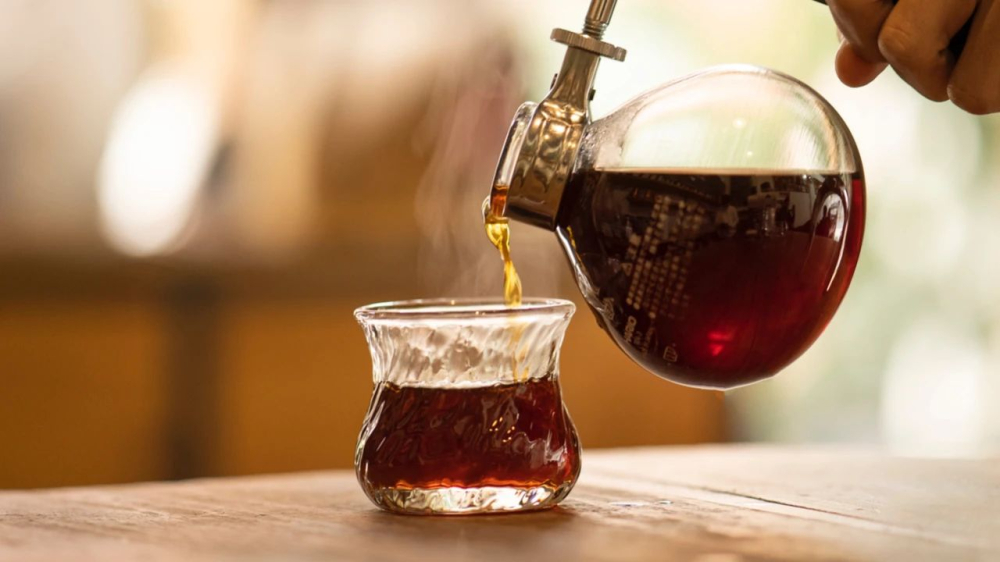
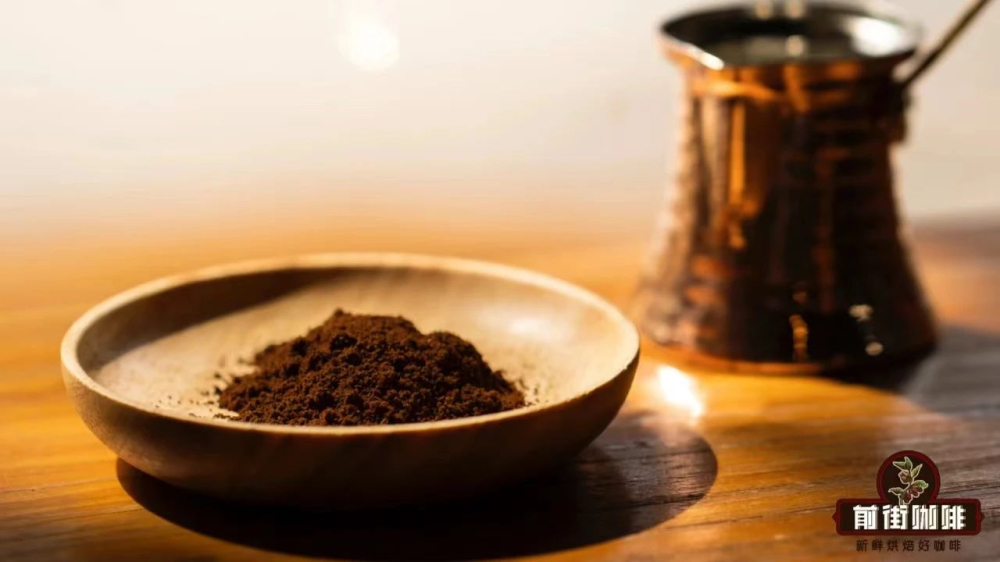
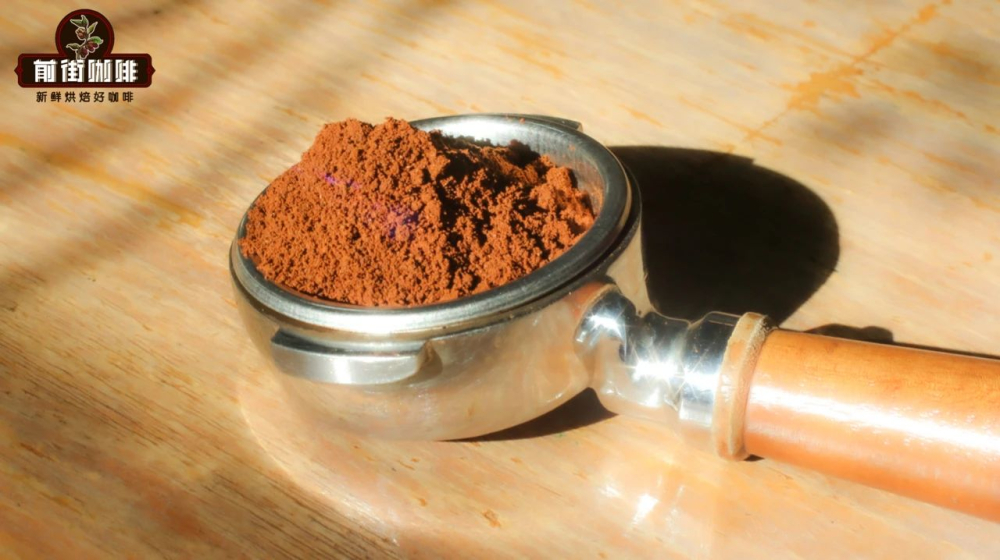
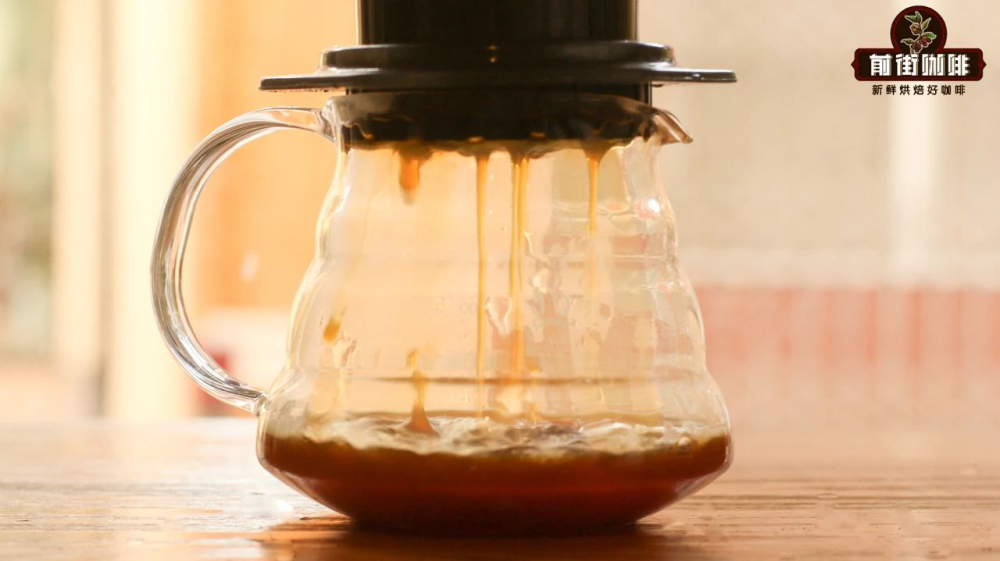
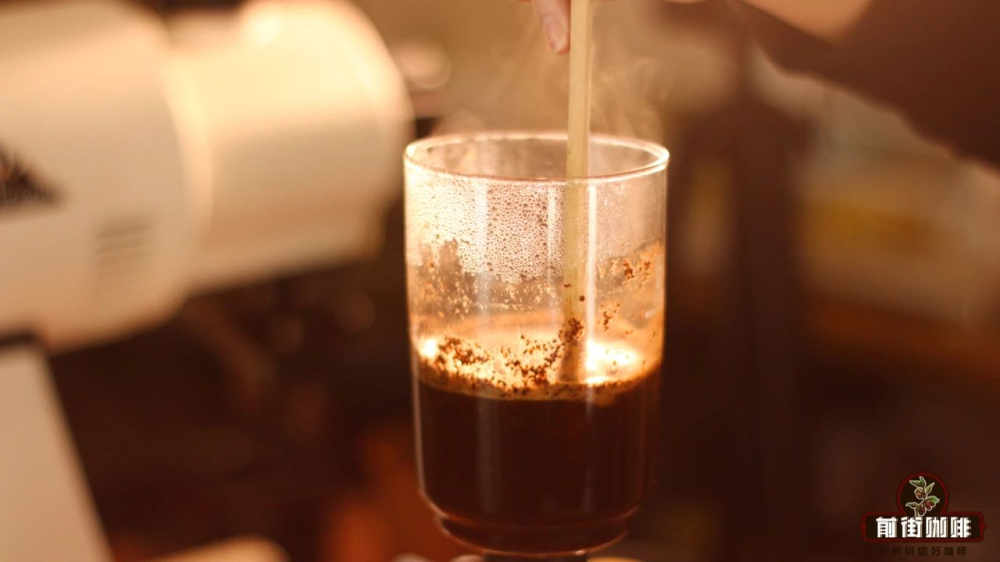
Next, we’ll detail the ideal grind sizes for various mainstream brewing methods:Turkish Coffeerequires an extremely fine grind, similar to flour (close to the finest setting on your grinder);Espressois extracted under 9 atmospheres of pressure and uses an extremely fine grind — though slightly coarser than Turkish coffee. The standard is to extract 25–30g of coffee liquid in 25–30 seconds using 8–9g of coffee per single shot;AeroPressis an immersion-style brewer, and it’s recommended to use a grind that is 1–1.5 steps coarser than pour over, falling between medium-fine and fine;Siphon (Syphon)requires a medium grind to avoid over-extraction due to the stirring step involved.
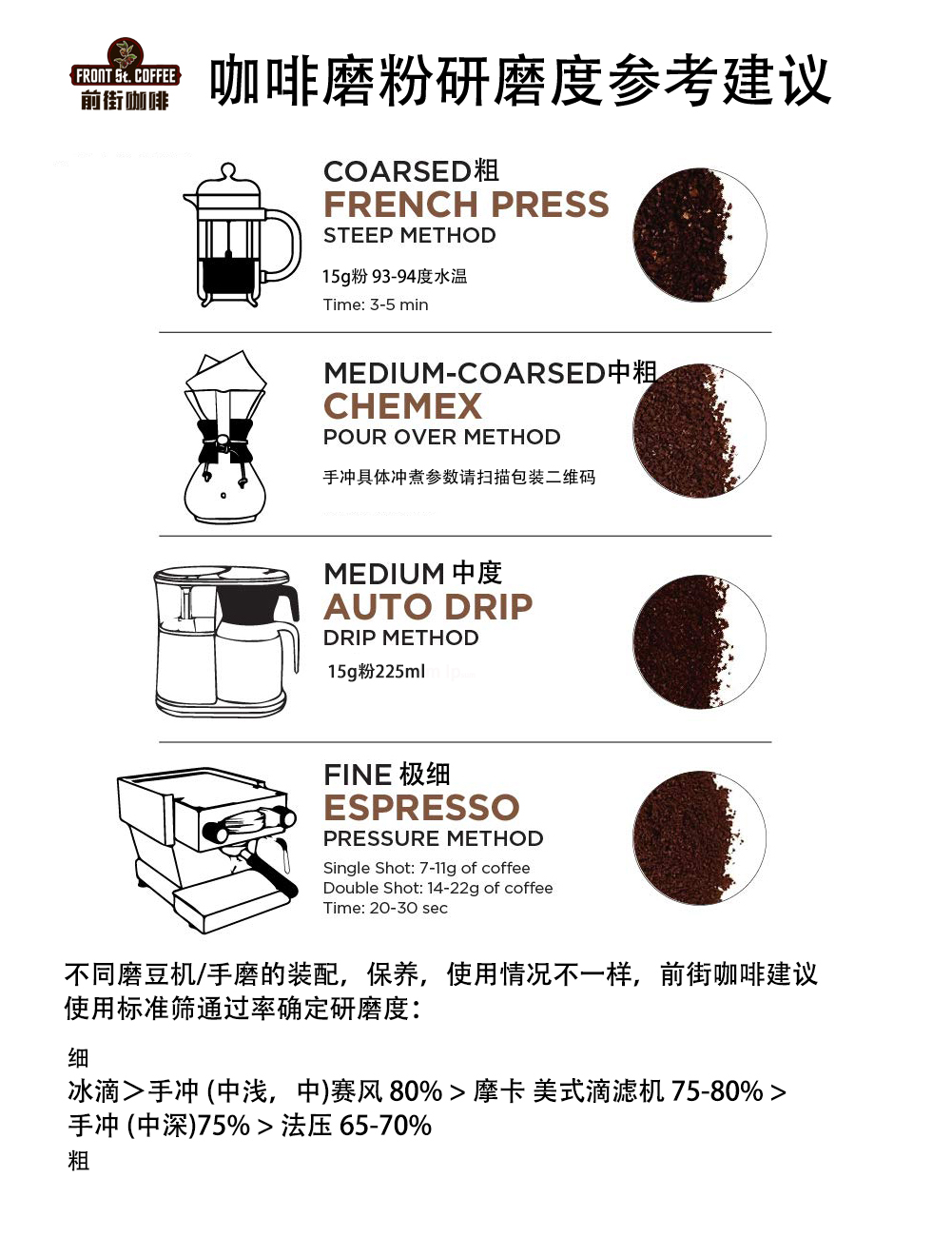
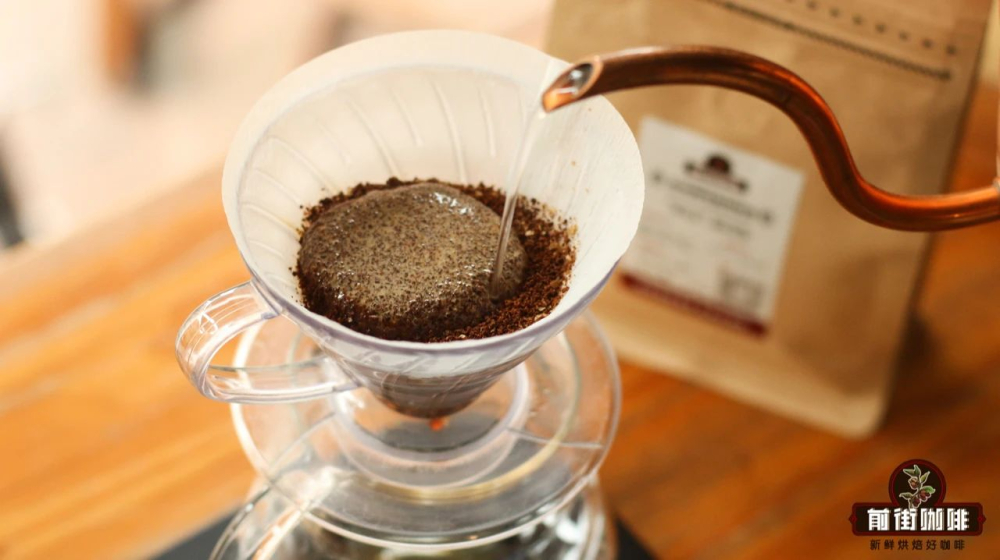
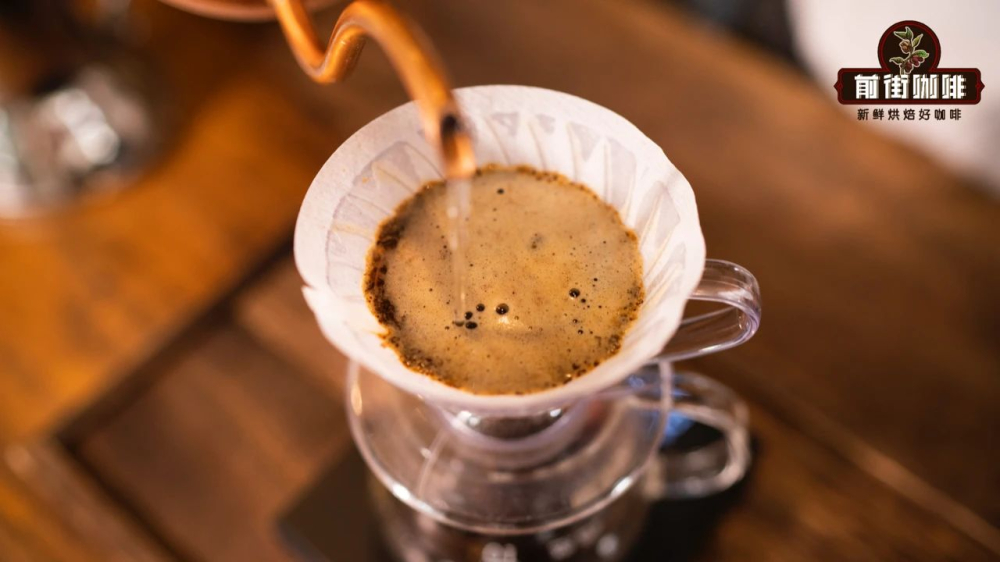
Pour Over Coffeeis one of the most popular brewing methods. The ideal grind size is medium-fine, similar to the coarseness of fine sugar. SCA recommends a sieve passage rate of 75–80%.Taking the V60 dripper as an example, the recommended water temperature is 91°C, with a coffee-to-water ratio of 1:15. Use a three-pour method:first pour 30g of water for a 30-second bloom, then pour in a circular motion up to 120g, wait until the water level drops halfway, then continue pouring up to 225g. Total extraction time should be controlled between 2 minutes 00 seconds and 2 minutes 10 seconds. This parameter combination helps fully showcase the layered flavors of the coffee.
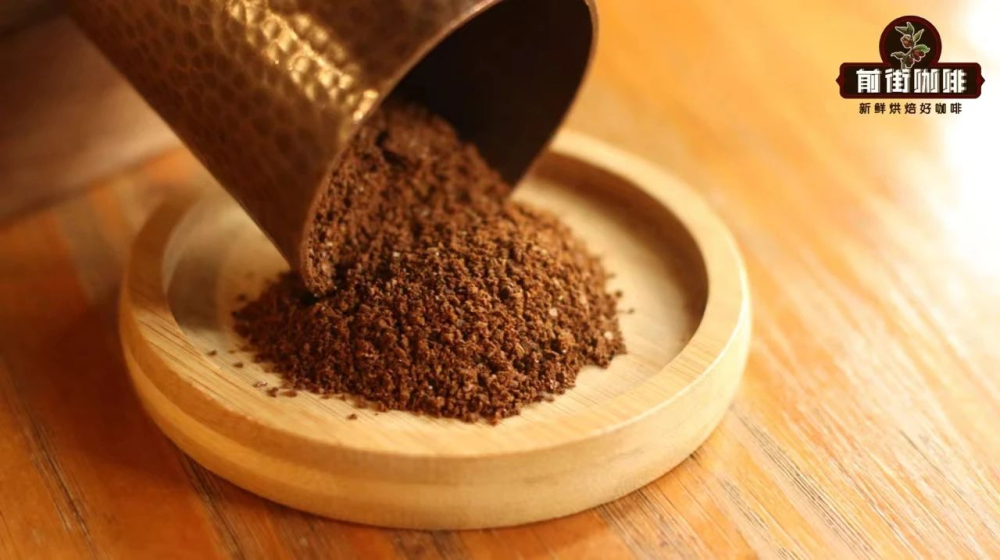
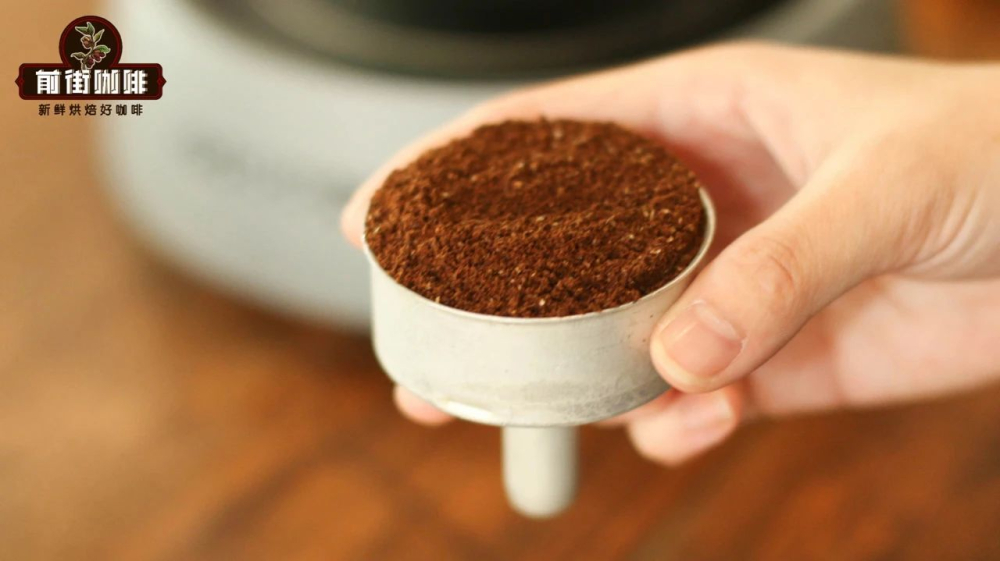
Moka Pot, as a classic home alternative to espresso, is not brewed under high pressure (about 1.5 bar), but still requires a grind close to espresso — slightly finer than regular.It is recommended to use a grind that is one setting coarser than standard espressoto achieve the best extraction balance. As forCold Brew and Ice Drip, which involve low-temperature, long-duration extraction, a medium-coarse grind is needed — too fine will cause filtration issues and potential over-extraction off-flavors. A moderate grind ensures that flavor compounds are released slowly and steadily.
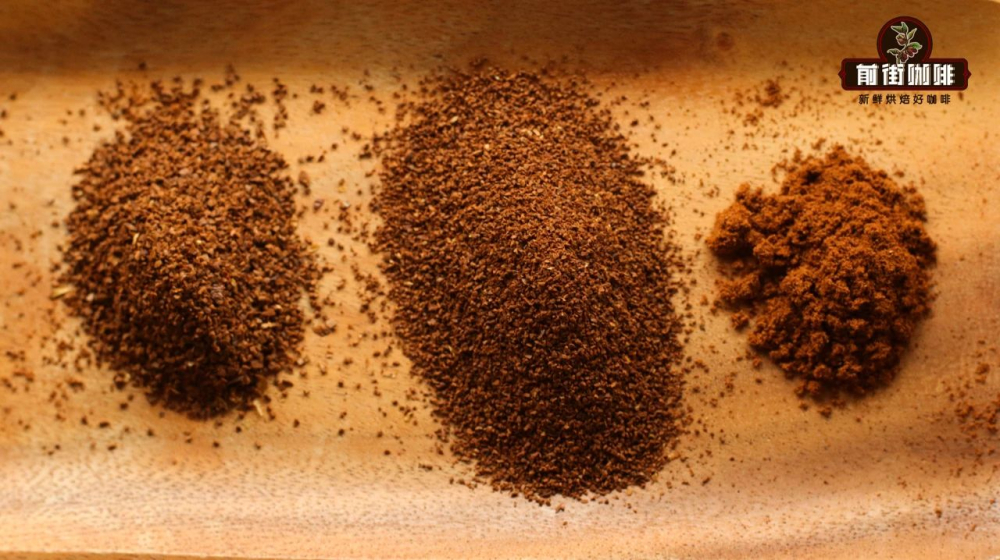
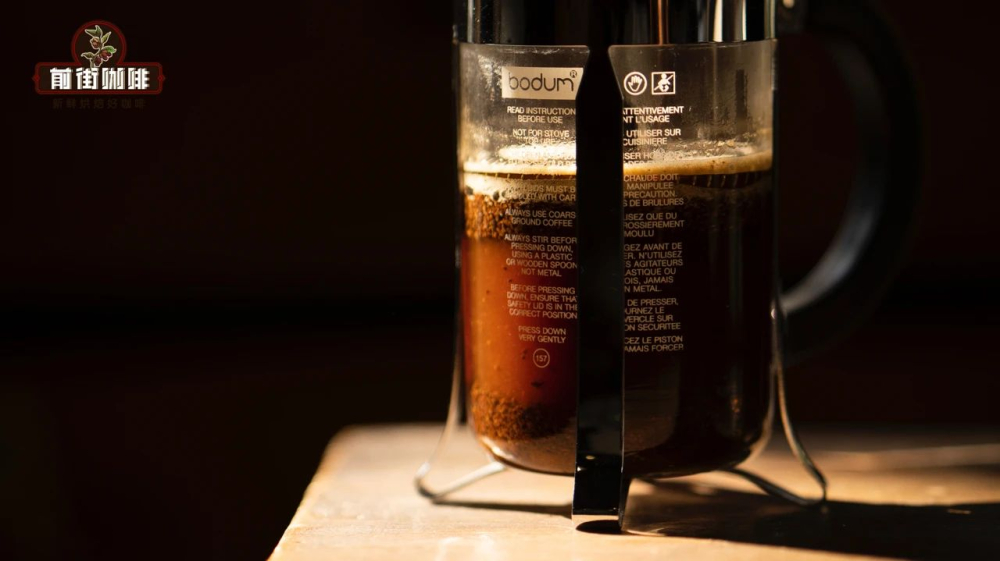
French Pressemploys full immersion brewing, and the long contact time requires special attention to grind coarseness.It is recommended to use a coarse grind similar to brown sugar crystals,which effectively prevents over-extraction while ensuring smooth filtration. In practice, observe the flow rate at the filter: if dripping is too slow, the grind may be too fine; if it’s too fast and the flavor is weak, you may need to slightly adjust the grind finer.
No matter which brewing method you choose,fine-tuning during actual brewing is crucial.. It’s recommended to adjust only one variable at a time (such as grind size or water temperature), and record each parameter combination along with its flavor outcome. For example, when trying pour over, if the coffee tastes overly acidic, consider slightly adjusting the grind finer or extending the brew time; if bitterness or astringency appears, it may be due to too fine a grind or over-extraction, so adjustments should go the other way. Remember, coffee brewing is an art that requires personal experience and tuning.
The above content is compiled by CoffeeHunters, a coffee news website.


