







Introduction:Drip bags are beloved by many coffee enthusiasts for their convenience, but common issues such as lack of flavor, over-extraction, or uneven brewing often stem from misunderstandings about shelf life and brewing methods. This article will detail the optimal consumption period for drip bags, explain why prolonged steeping is not recommended, and demonstrate how to use the correct brewing technique to bring out the intended aroma and complexity of the coffee. It also addresses common questions such as “How many times can you brew a drip bag?”
Many first-time drip bag users often encounter questions like “Why does the coffee taste flavorless?” or “Why is it too sour, too bitter, or too weak?” These issues are usually closely related to the drip bag’s shelf life and brewing method. First, it's important to understand that after roasting, coffee beans release a large amount of carbon dioxide, which helps preserve aroma and flavor compounds. However, over time—and especially after grinding—increased surface area exposure to air leads to gradual aroma loss.
To retain optimal flavor, drip bags are typically individually sealed immediately after grinding. Even so, their best-before period is only around 30 days. The longer they are stored, the more the flavor tends to diminish, so it is recommended to consume them as soon as possible after purchase to enjoy the most vibrant coffee experience.
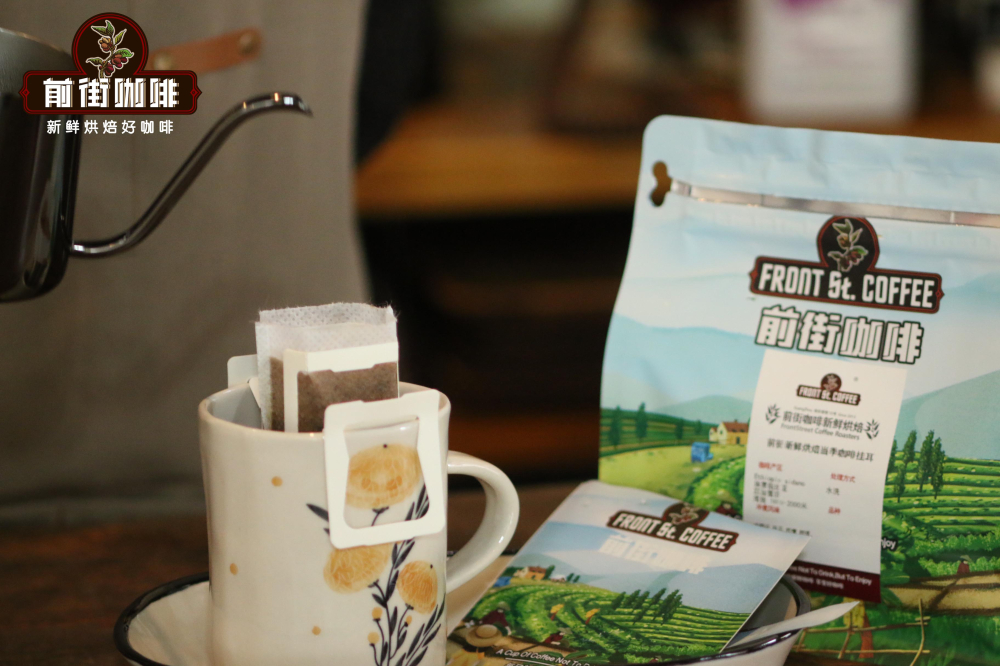
Common mistakes when brewing drip bags include: choosing the wrong cup size leading to over-steeping, directly soaking the entire drip bag in water, using water from a water dispenser without controlling temperature or flow rate, or even mistakenly treating the coffee grounds like instant coffee and pouring them directly into a cup. All of these can severely impact the final flavor.
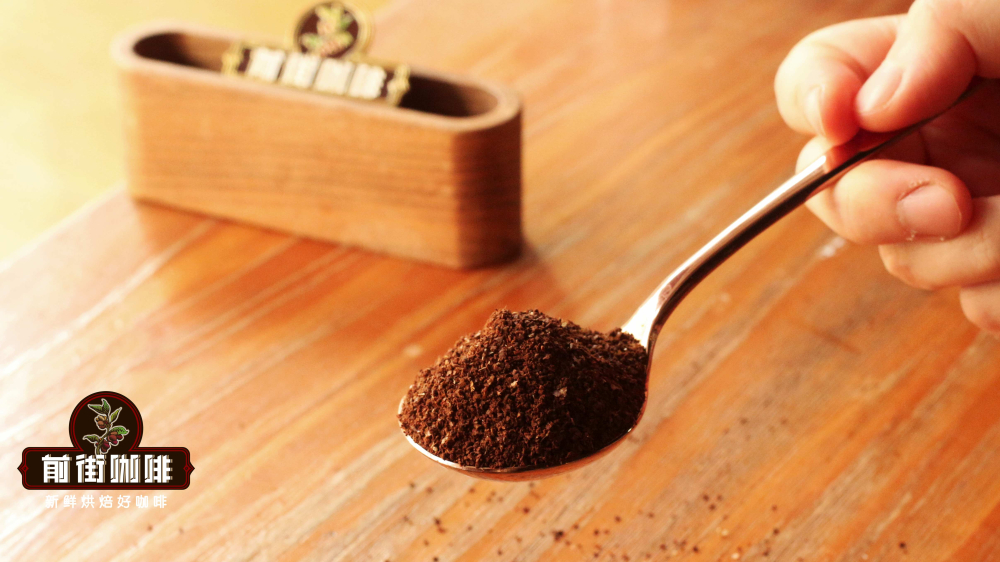
Particularly noteworthy is that the coffee grounds in drip bags are medium-fine grind. When in prolonged contact with hot water—especially in cups that aren’t deep enough—the outer layer of grounds can over-release compounds, causing the initial sweet and acidic notes to not fully develop while bitter and astringent impurities emerge prematurely, negatively affecting the overall balance of the cup.
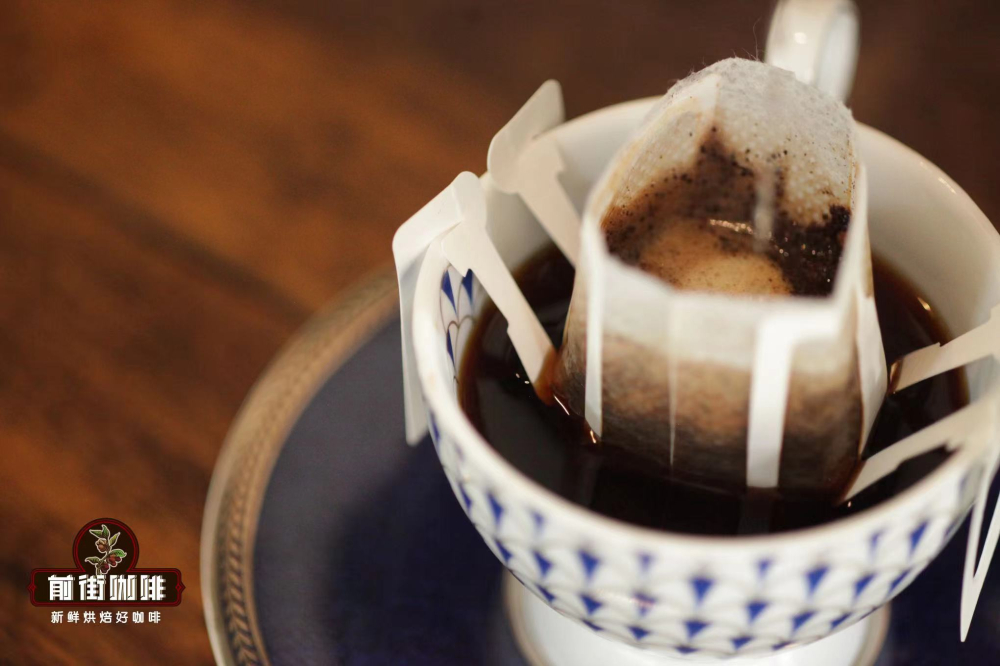
Generally, a standard drip bag contains about 10 grams of coffee grounds and is designed to brew approximately 150 milliliters of coffee. Therefore, when choosing a cup, it’s recommended to use a straight-sided, heat-resistant cup with a capacity of 230 milliliters or more. This not only ensures sufficient brewing space but also prevents the coffee from becoming overly sharp or bitter due to over-extraction.
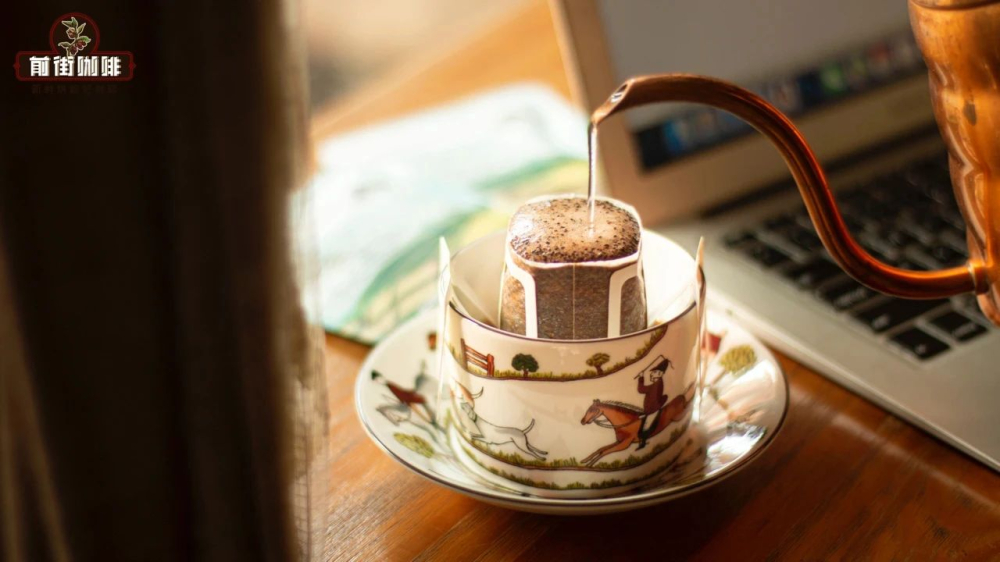
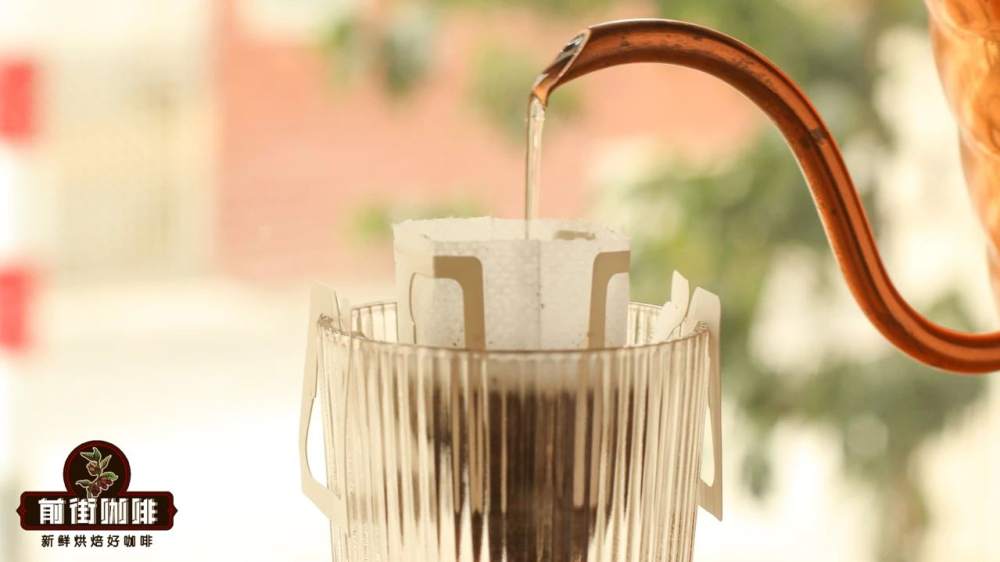
Water temperature is also a crucial factor influencing flavor. Water that is too hot (e.g., above 93°C) can lead to over-extracted, burnt bitterness, while water that is too cool (below 85°C) may result in overly prominent acidity and insufficient flavor extraction. The ideal brewing water temperature is between 90–91°C. This range effectively highlights the coffee’s sweetness, acidity, and body. Additionally, it’s recommended to use a narrow-spout pour over kettle to control the water flow, avoiding direct, heavy streams that can cause uneven saturation of the filter bag, leading to a thin or inconsistent taste.
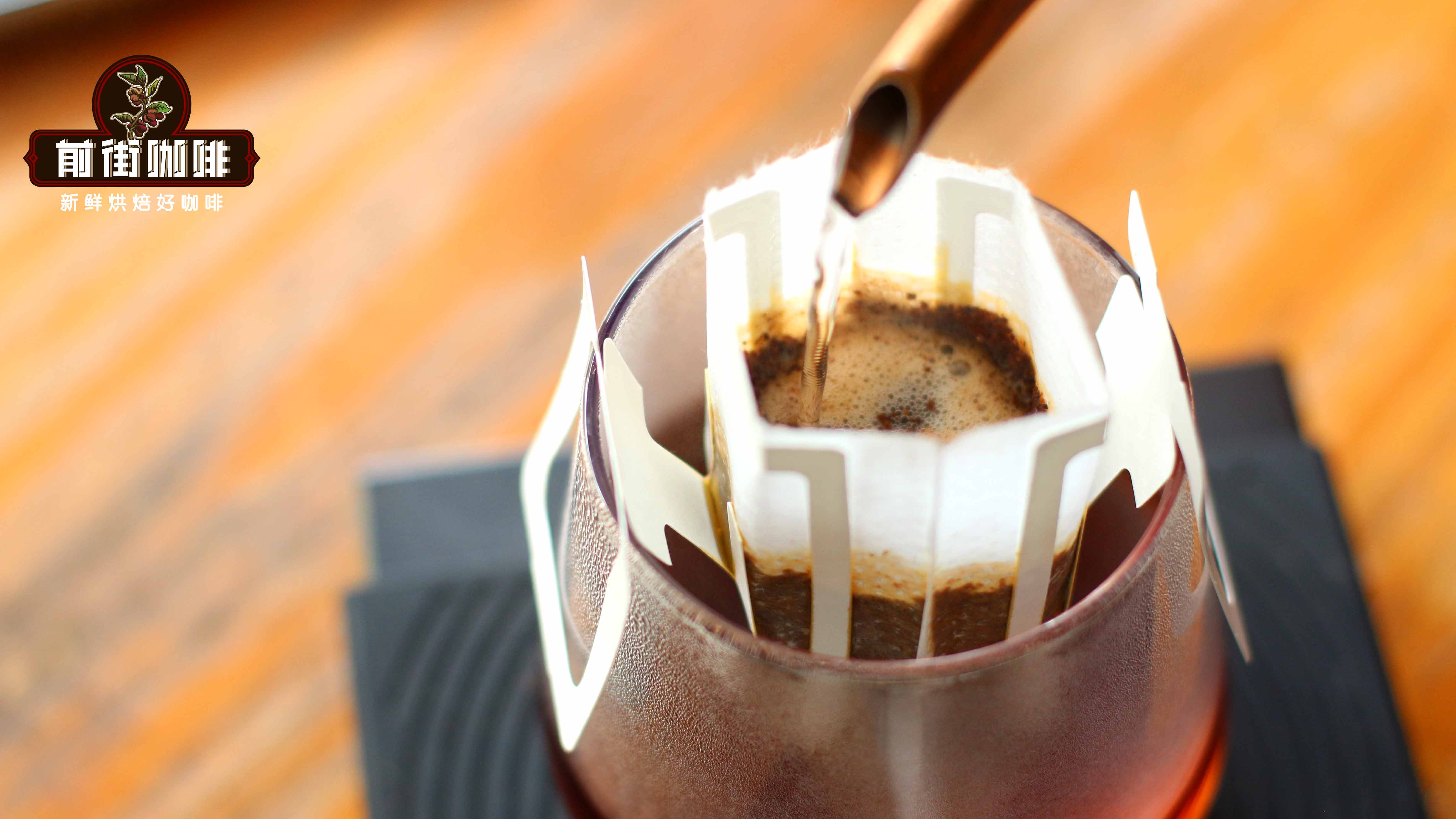
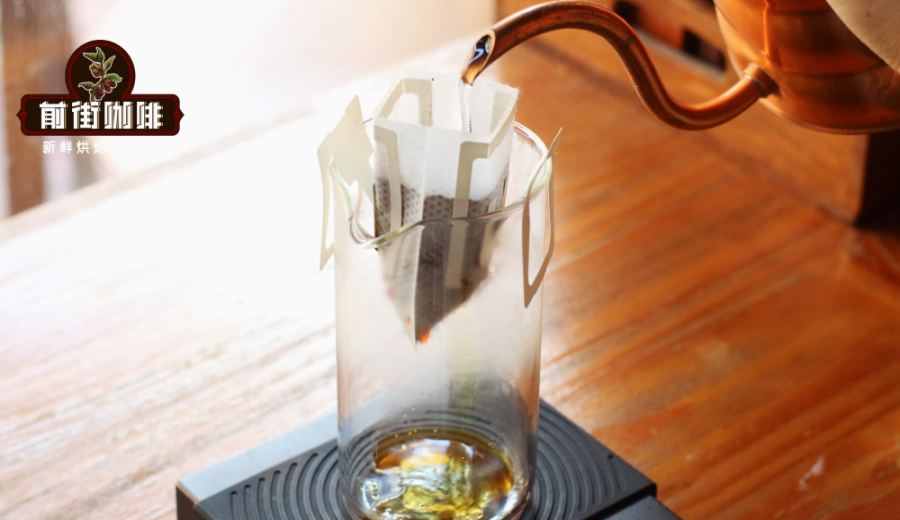
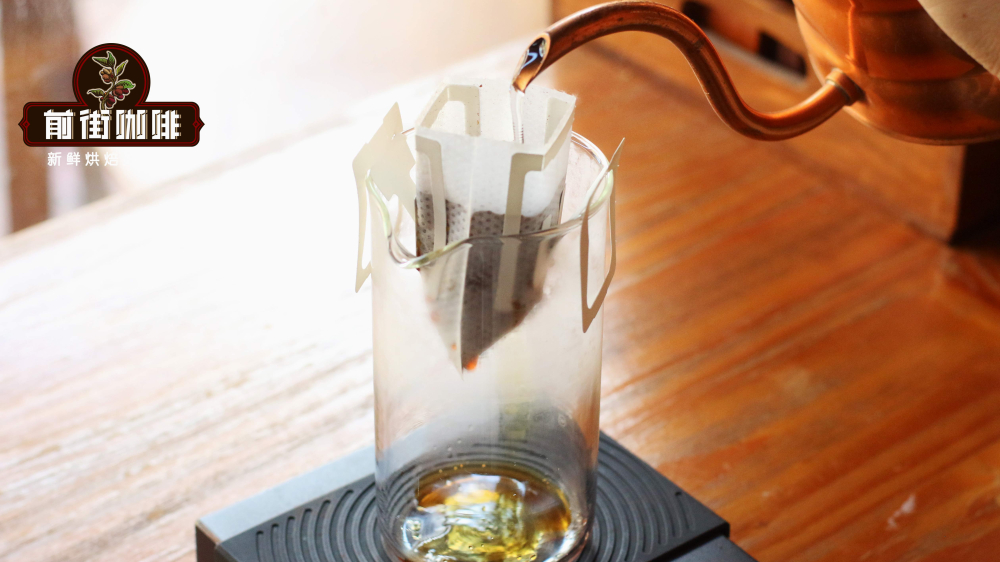
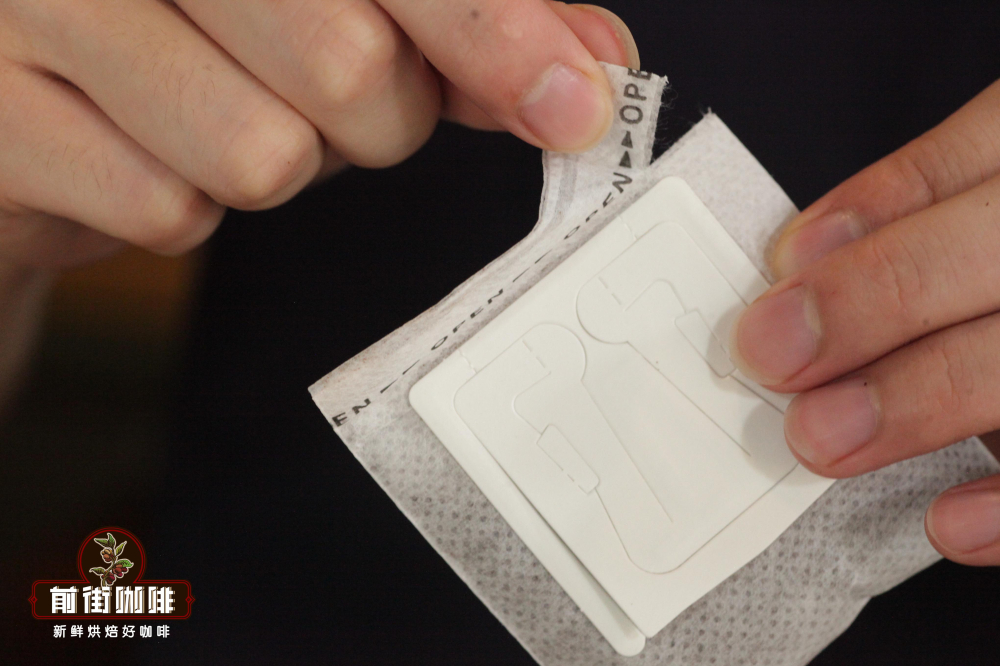
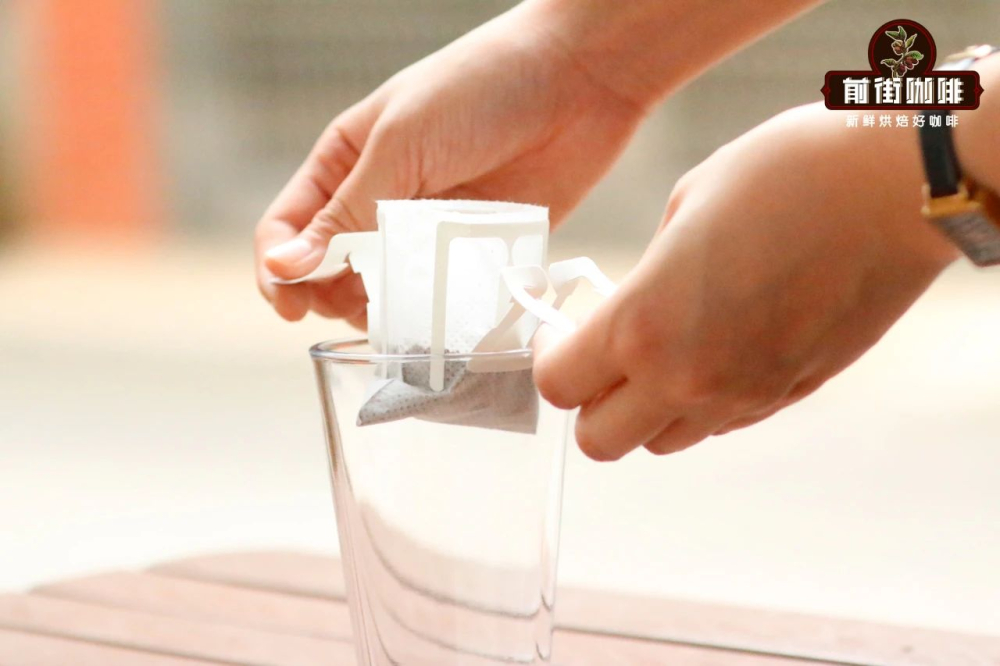
The correct steps to brew a drip bag are as follows: First, carefully tear open the outer packaging along the dotted line on the top of the drip bag. Hang the opened drip bag steadily over the cup, ensuring that both side handles evenly support the filter fabric to prevent coffee grounds from piling up.
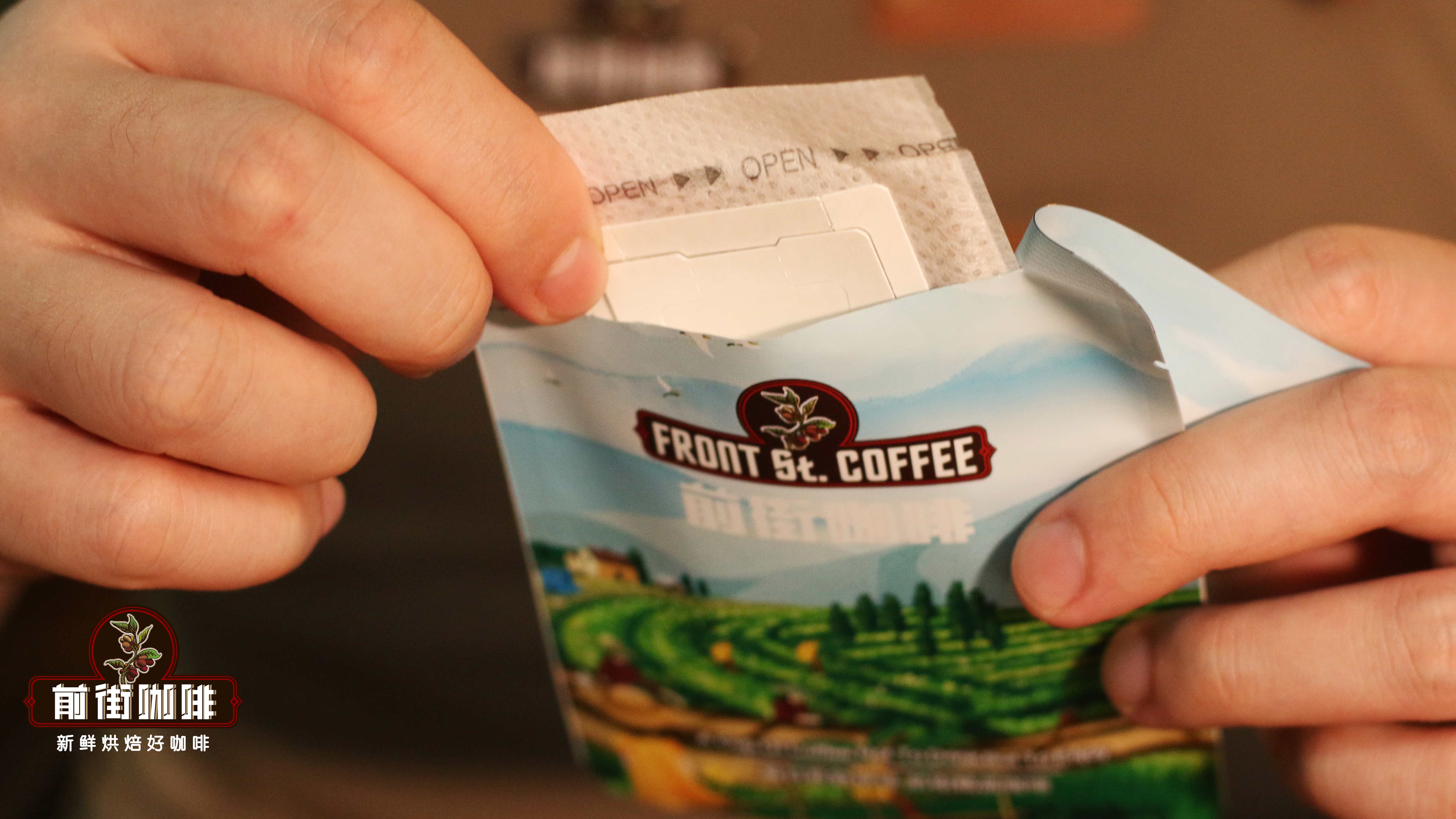
Next, it’s recommended to use the “three-stage pouring method”: pour about 30 milliliters of hot water first, then let it bloom for 20–30 seconds to allow the coffee grounds to expand and release aroma. Subsequently, every 10 seconds or so, pour two more rounds of approximately 60 milliliters each, maintaining a steady water flow and consistent pouring height to ensure even saturation of the coffee bed. This brewing rhythm effectively highlights the coffee’s initial acidity, mid-palate sweetness, and lingering body in the finish.
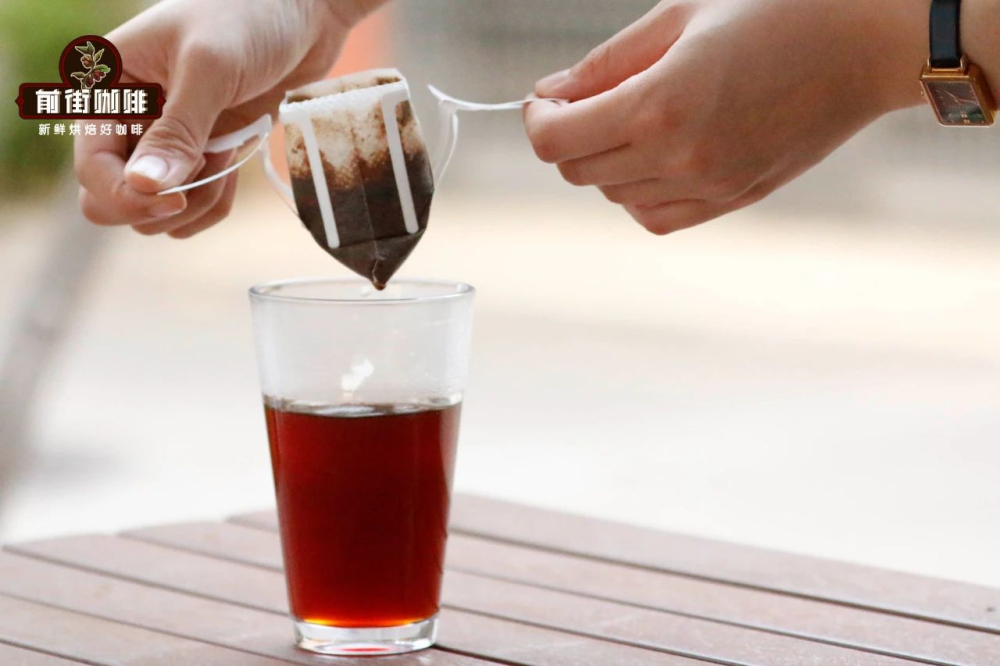
In summary, although drip bags are convenient, brewing a cup that approaches the flavor of hand pour coffee still requires attention to shelf life, selection of appropriate vessels, and control of water temperature and pouring technique. By mastering these basic principles, you can easily enjoy a well-balanced, complex cup of black drip coffee at home.
The above content is compiled by CoffeeHunters, a coffee news website.


