







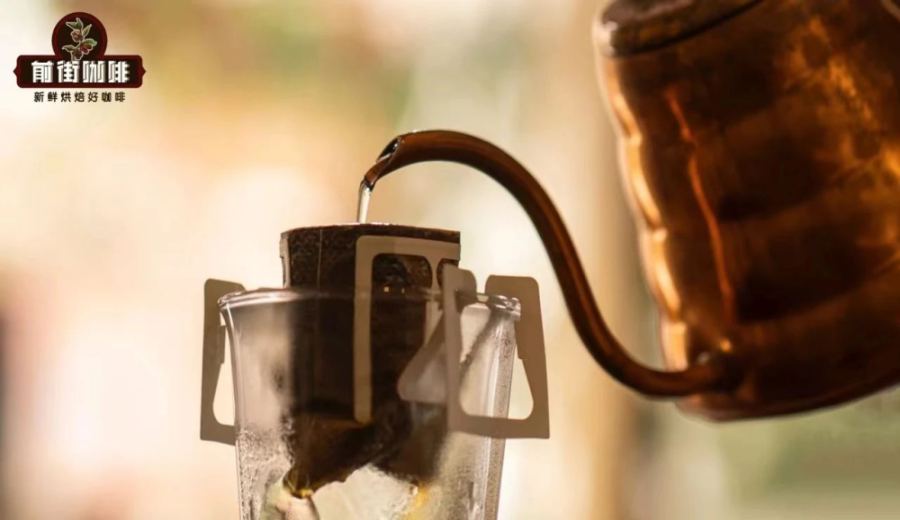
Introduction:Earl grey-style coffee combines the flavor of pour over with the convenience of instant brewing, making it a top choice for many busy coffee enthusiasts. This article provides a detailed overview of the origin and market development of earl grey-style coffee, along with professional brewing parameters—including coffee-to-water ratio, water temperature, extraction time, and pouring techniques. It also introduces seven popular single-origin beans in depth, ranging from Honduran Sherry to Brazilian Queen Estate, helping readers find the earl grey bag that best suits their taste.
The creation of earl grey-style coffee allows those who love specialty coffee but don’t want to invest in complicated equipment to easily enjoy pour over–level flavors. Although some have questioned its professionalism, earl grey-style coffee is actually a significant driver in popularizing specialty coffee. With the correct brewing method, the full potential of the coffee beans can be fully revealed.
The Historical Origins of Earl Grey-Style Coffee
The earliest origins of earl grey-style coffee can be traced back to Japan in the 1990s, when Yamayan Industries Co., Ltd. first proposed applying the tea bag concept to coffee and applied for a patent. However, the design at the time could not stably support the weight of the coffee grounds and tended to become unbalanced during brewing, failing to succeed in commercialization. It wasn’t until 1998, when Daiki Shoji improved the design by extending the ear portions outward, that the prototype of modern earl grey-style coffee was established.
Global Market Trends of Earl Grey-Style Coffee
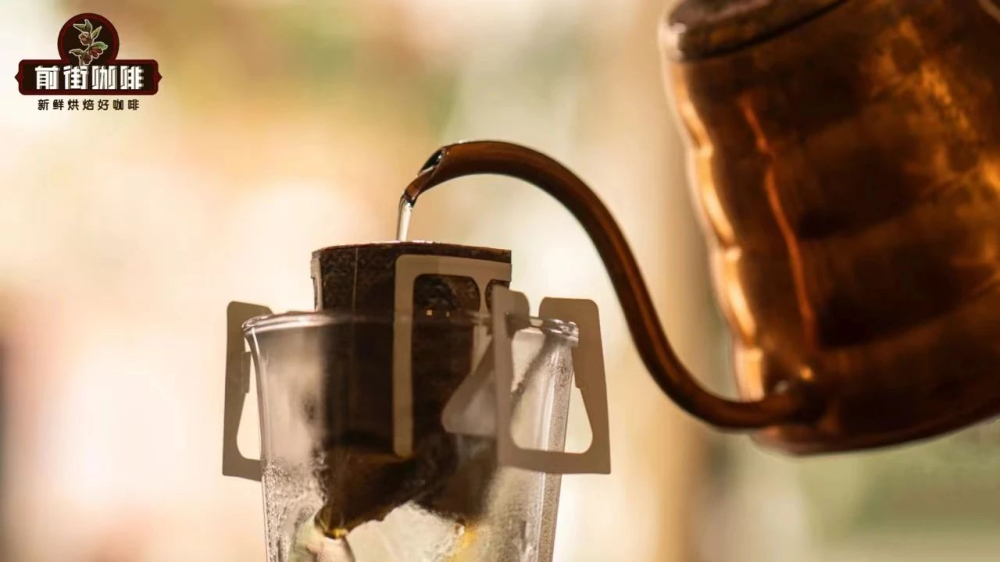
Known in English as instant drip coffee bag, earl grey-style coffee combines the convenience of instant coffee with the flavor complexity of pour over, and is especially favored by consumers in East Asia. In 2011, global sales of earl grey-style coffee reached approximately 1.4 billion bags, with the Japanese market accounting for as much as 94%, highlighting its immense potential in Asia. Although global total sales remain limited, the market growth rate is not to be underestimated.
In the Chinese market, instant coffee once dominated for a long time, with earl grey-style coffee accounting for only about 10%. However, as awareness of food safety has increased and the culture of specialty coffee has emerged, consumers’ demands for coffee quality have grown steadily. Thanks to its ease of brewing while retaining rich flavor, earl grey-style coffee quickly gained market favor, with sales growth exceeding 30% in 2017.
Standard Brewing Parameters for Earl Grey-Style Coffee
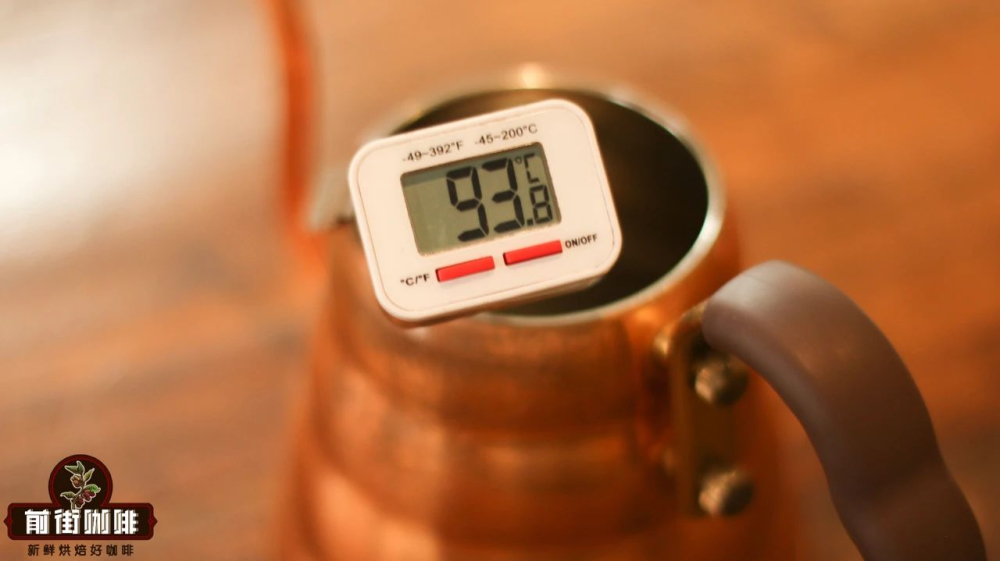
When brewing earl grey-style coffee, it is recommended to usea coffee-to-water ratio of 1:15 to 1:16, which means using 10 grams of coffee grounds with 140 to 150 milliliters of hot water. The optimal water temperature isabout 90°C. If you don’t have a temperature-controlled kettle, you can turn off the heat after the water boils, let it sit for 2 to 3 minutes, and then use it. The overall extraction time should be controlled at around1 minuteto fully highlight the aroma and layers of the coffee.
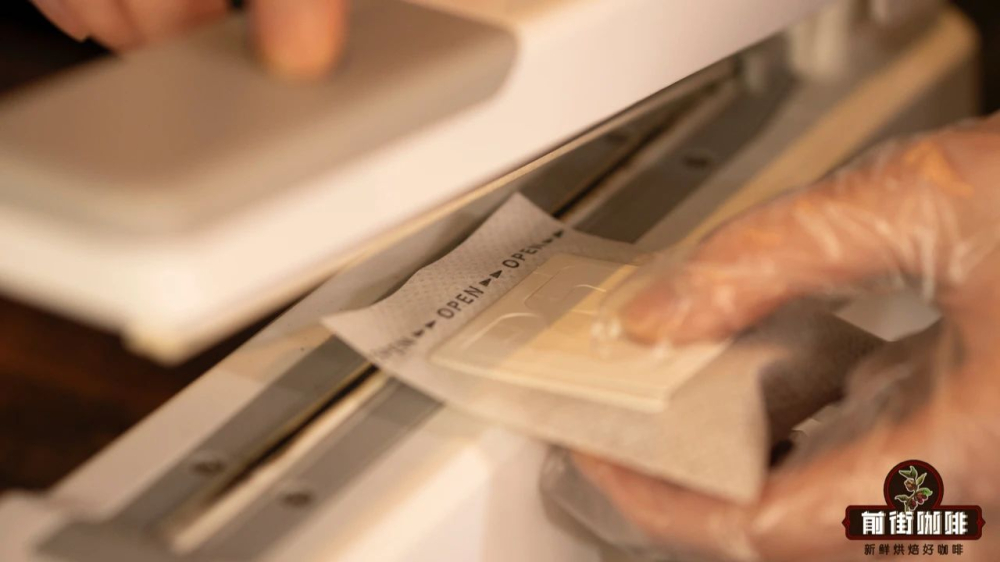
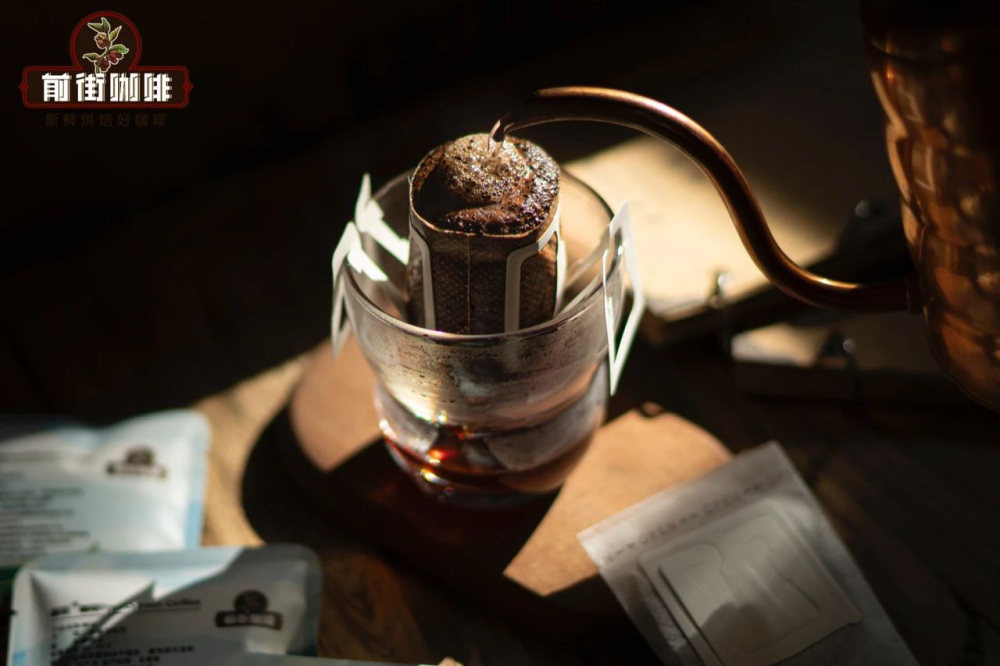
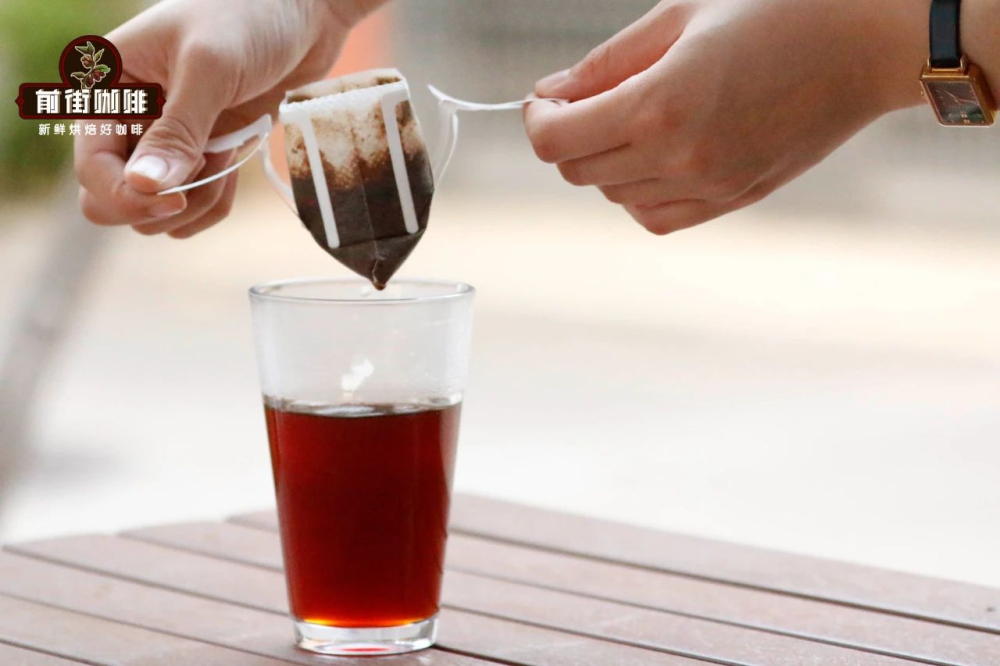
The specific steps are as follows: First, tear open the seal of the earl grey bag, unfold the two “ears” on the sides, and hang it stably on the edge of the cup. Gently shake to even out the coffee grounds layer. Begin with a 30-second bloom, simply wetting all the coffee grounds. After the bloom, switch to a small stream of water and pour in a circular motion. Depending on the situation, pour in portions until the total volume reaches 140–150 milliliters, then remove the earl grey bag and enjoy. Alternatively, you can pre-fill with 150–160 milliliters of water, and remove the earl grey bag once all the water has been poured in.

Flavor Profiles of Seven Selected Earl Grey-Style Coffee Beans
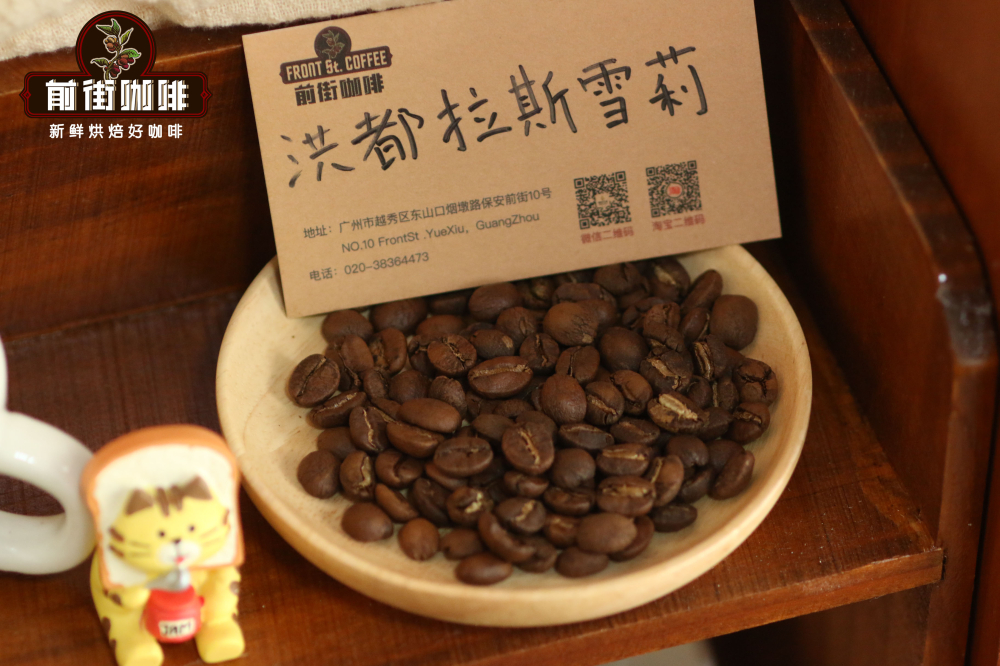
1. Honduran Sherry: Processed using whiskey barrel fermentation, it features intense vanilla cream and nutty chocolate notes, making it a favorite among many coffee lovers.
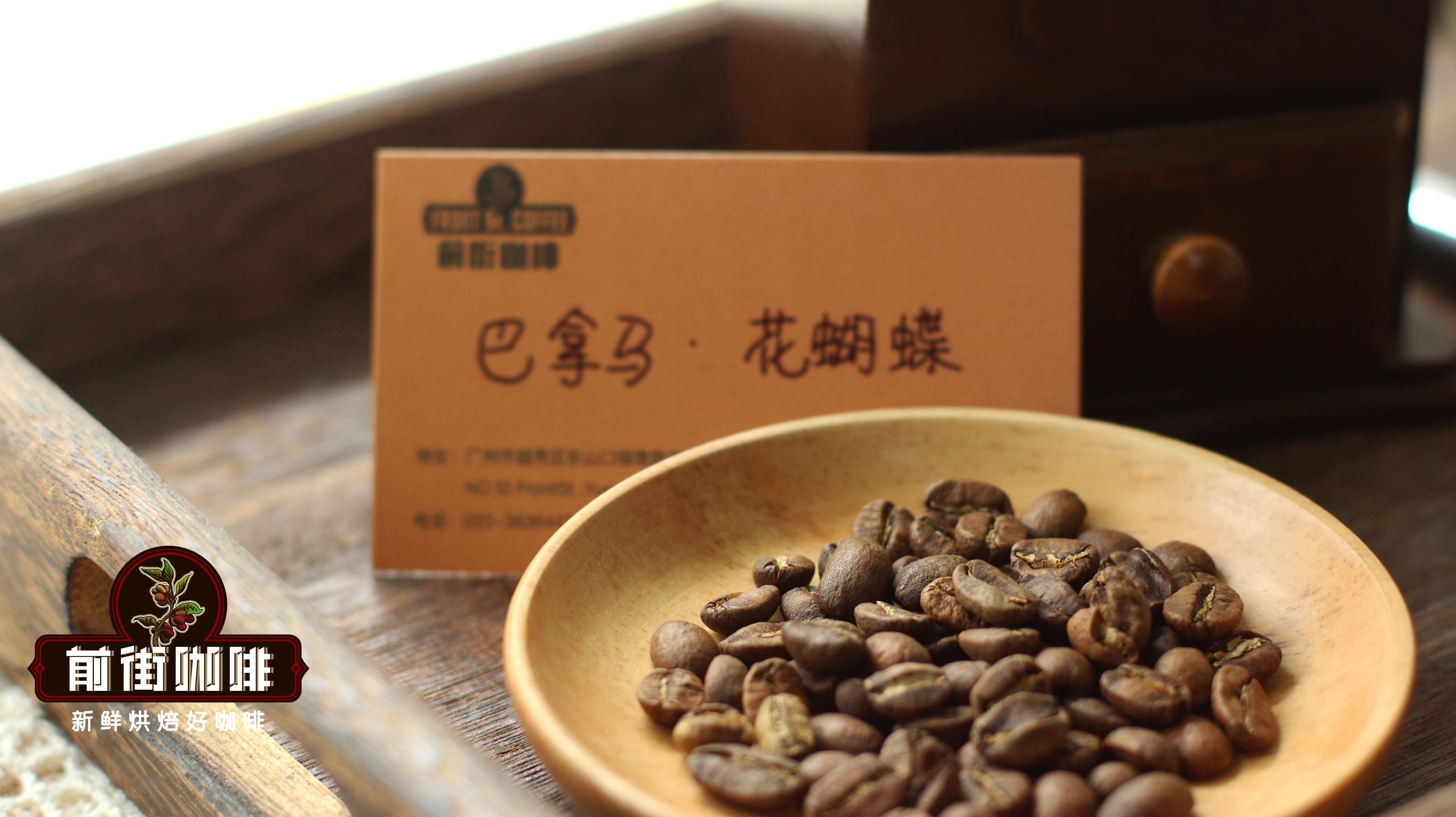
2. Panamanian Geisha Flower Butterfly: Blending Geisha lineage with delicate processing, it offers rich floral aromas, a full body, and bright acidity, with outstanding cost-performance.
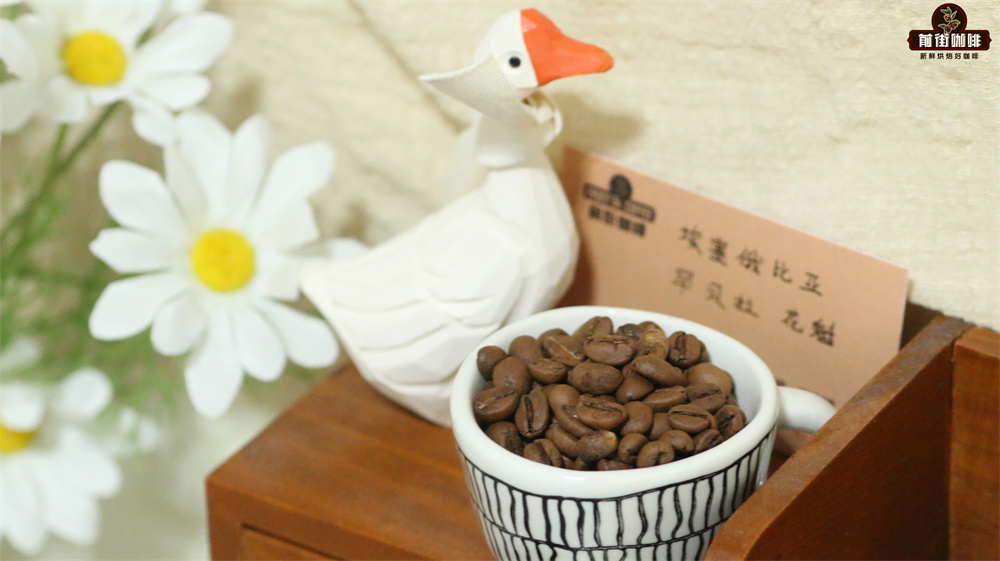
3. Ethiopian Natural Flower Queen: From the Sidamo Hambela region, it boasts intense tropical fruit aromas, with unforgettable berry and honey flavors.
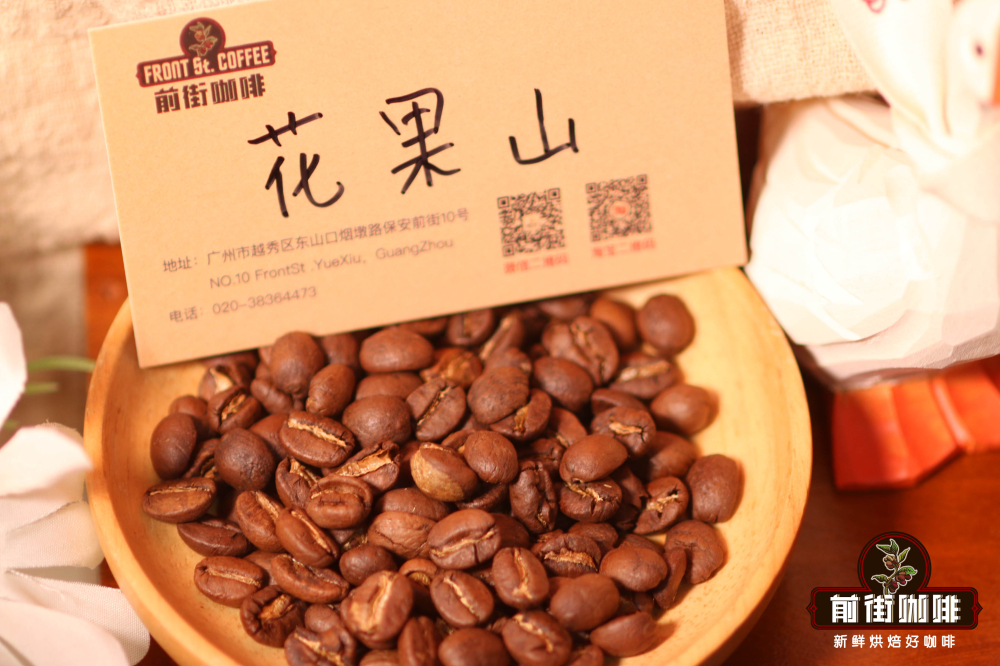
4. Yunnan Flower & Fruit Mountain: Dominated by the Typica variety, it presents a balanced flavor of nuts and brown sugar, suitable for those who prefer milder tastes.
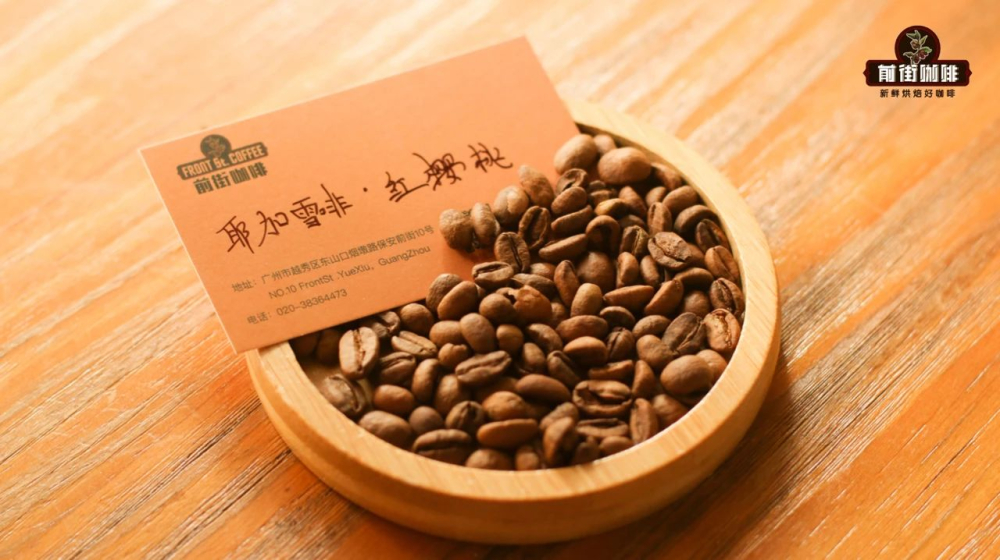
5. Ethiopian Natural Red Cherry: Made from fully ripe fruits processed with sun-drying, it offers citrus acidity, berry juice-like sensations, and a honey aftertaste.
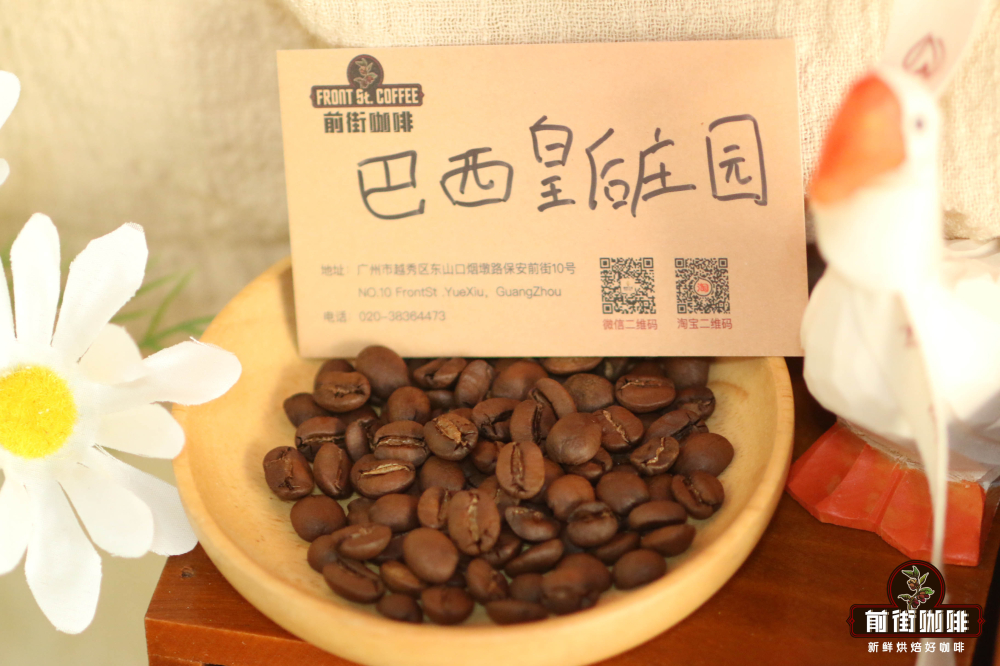
6. Brazilian Queen Estate: Produced in a high-altitude region, its sun-dried processing brings sugarcane sweetness and fermented fruit aromas, with a smooth and mellow mouthfeel.
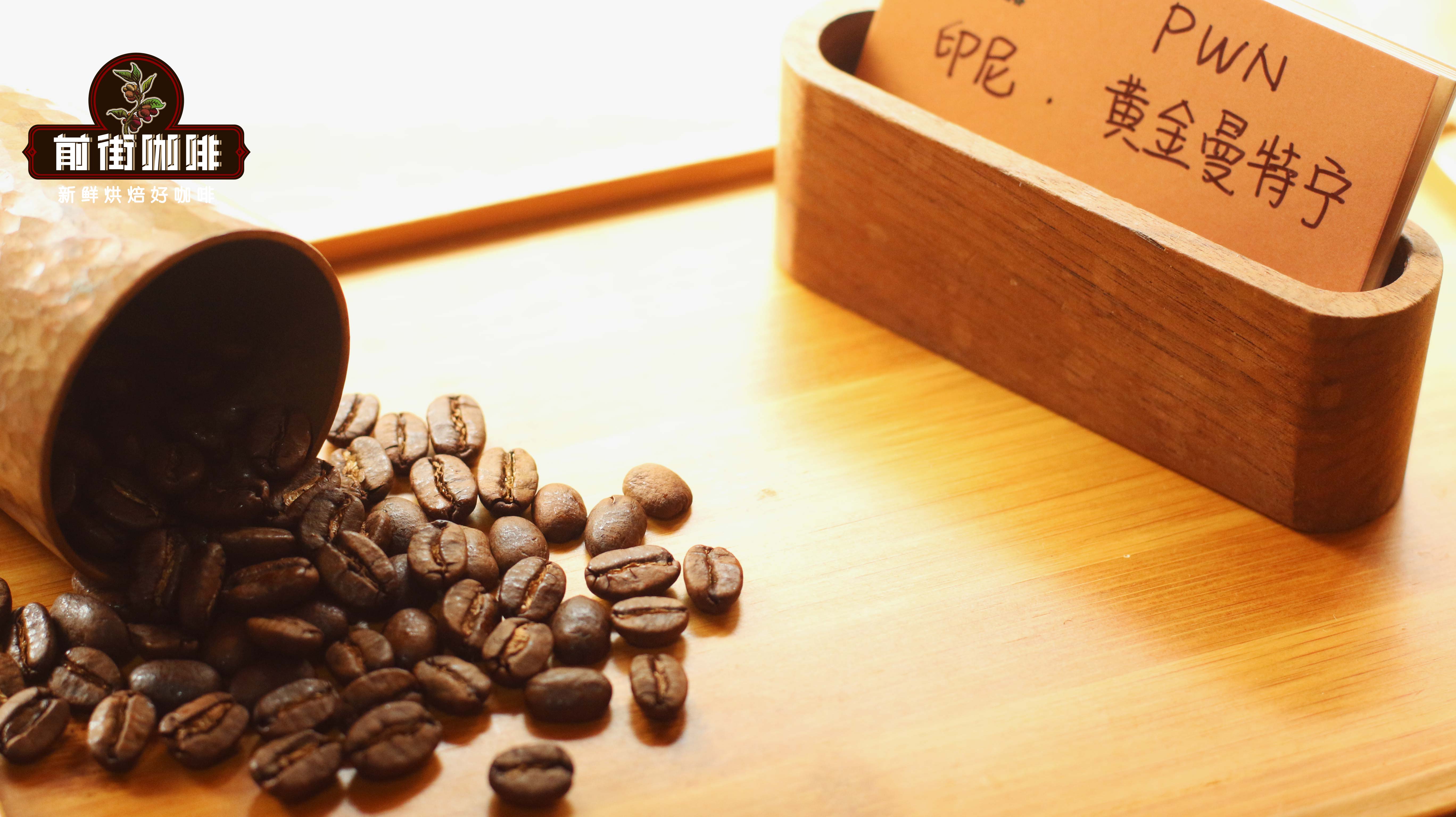
7. Golden Mandheling: Carefully selected with minimal defects, it delivers clean flavors with delicate layers of spice, chocolate, and caramel.
The above content is compiled by CoffeeHunters, a coffee news website.


