








Introduction:Earbag coffee is the perfect combination of pour over flavor and convenience. With just hot water and a cup, even beginners can easily get started. But if you want to get closer to the performance of professional pour over brewing, there are still some small details worth paying attention to. This article analyzes the core differences between earbag and pour over methods through factors like water temperature, grind size, brew ratio, and pouring technique, and shares practical tips to make your coffee more aromatic and mellow.
Earbag CoffeeAs one of the most convenient forms of drip extraction, it requires no complex equipment—just a coffee packet and a cup of hot water to enjoy a single-origin black coffee flavor similar to pour over. However, although the barrier to entry is low, extracting coffee that reaches over 70% of the quality of a pour over still requires mastering several key details.
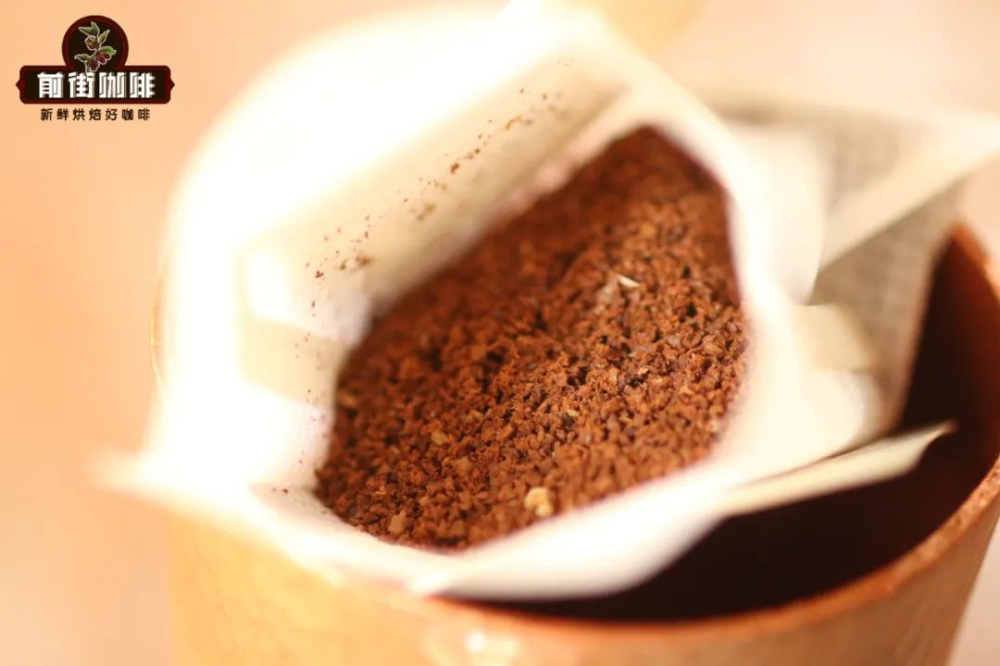
First, from the perspective of brewing principles,earbag and pour over are not fundamentally different, so many parameters suitable for pour over also apply to earbag brewing. For example, grind size: commercially available earbag coffee is usually pre-ground and packed in filter bags, mostly ground by professional coffee equipment with uniform coarseness, so users don’t need to adjust it further.
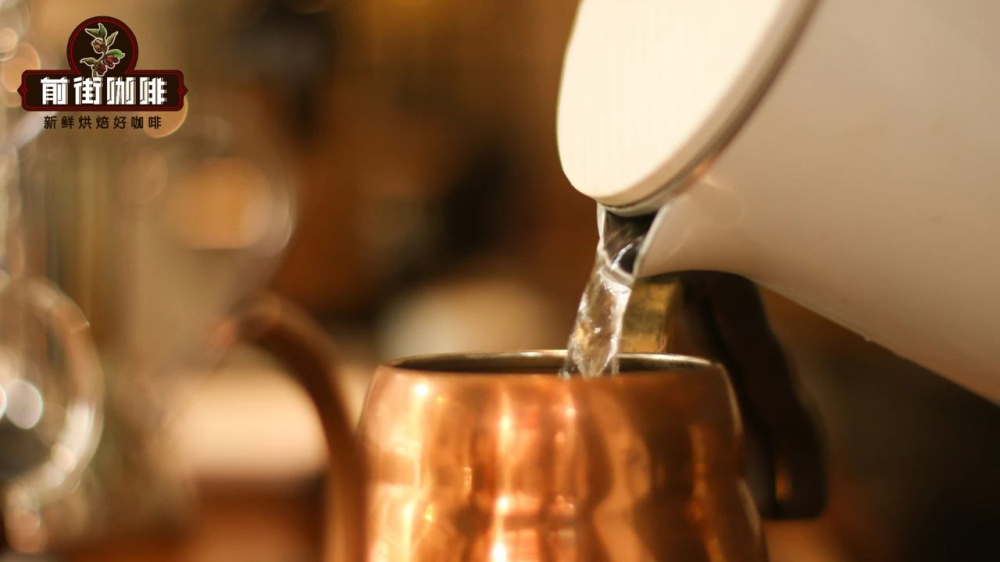
Regarding water temperature, it’s recommended to follow pour over standards:90–93°C for medium-light roasts, and 86–89°C for medium-dark roasts. Many people, for the sake of convenience, directly use hot water from a water dispenser, but the temperature of such water is usually only around 80°C, which can easily result in a dull and overly acidic cup; on the other hand, pouring in just-boiled water may release too many burnt and bitter compounds. If you don’t have a thermometer at home, you can let boiled water sit with the lid off for 1 to 2 minutes until it cools down to about 90°C before brewing.
The brew ratio is also crucial.A typical earbag coffee pack contains about 10 grams of coffee grounds, and if you brew it with just one cup of water, it often leads to a bitter and weak-tasting cup. It’s recommended to use a 1:15 to 1:18 brew ratio, pouring in about 150 to 180 milliliters of hot water. If you don’t have an electronic scale, you can use a measured cup to help control the water volume.
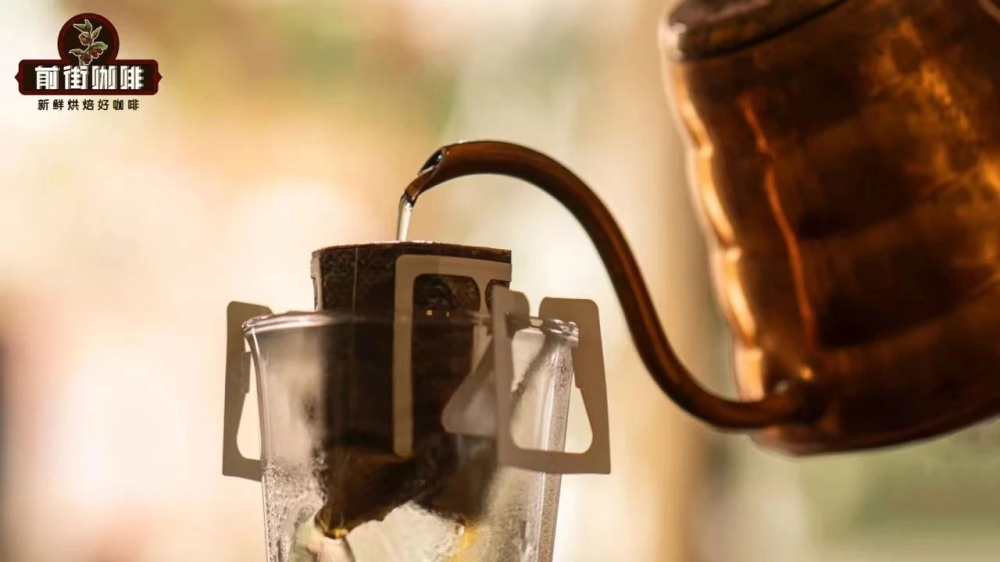
In addition, choosing the right cup also affects the final flavor.It’s recommended to use a tall cup with a capacity of 250 milliliters or more, to avoid having the coffee liquid steep in the earbag filter for too long, which could lead to over-extraction and a bitter taste.
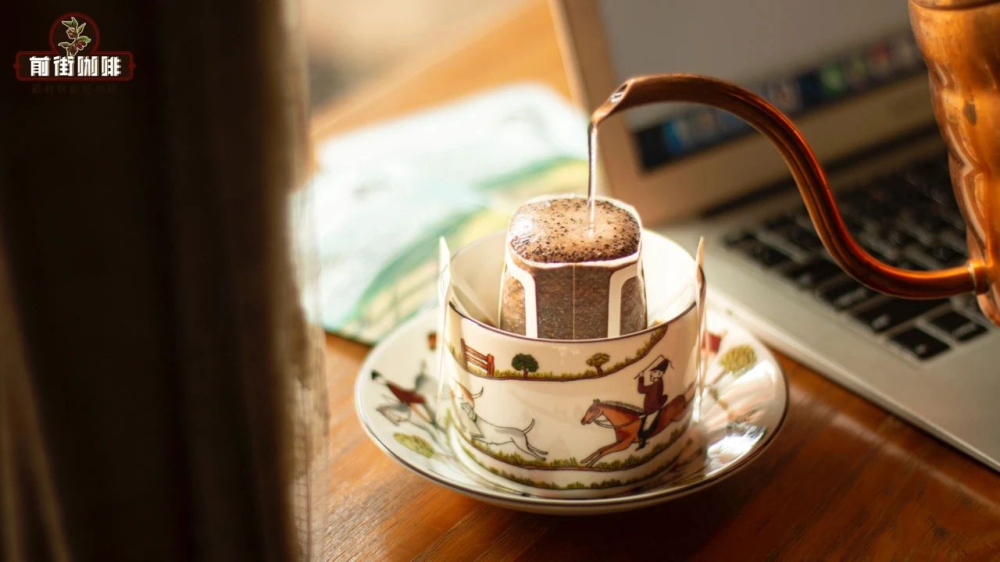
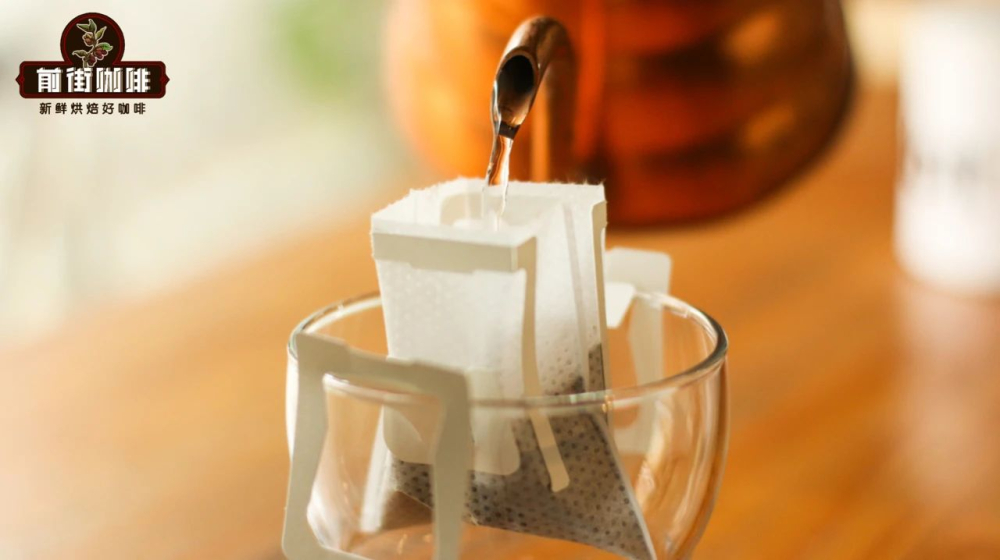
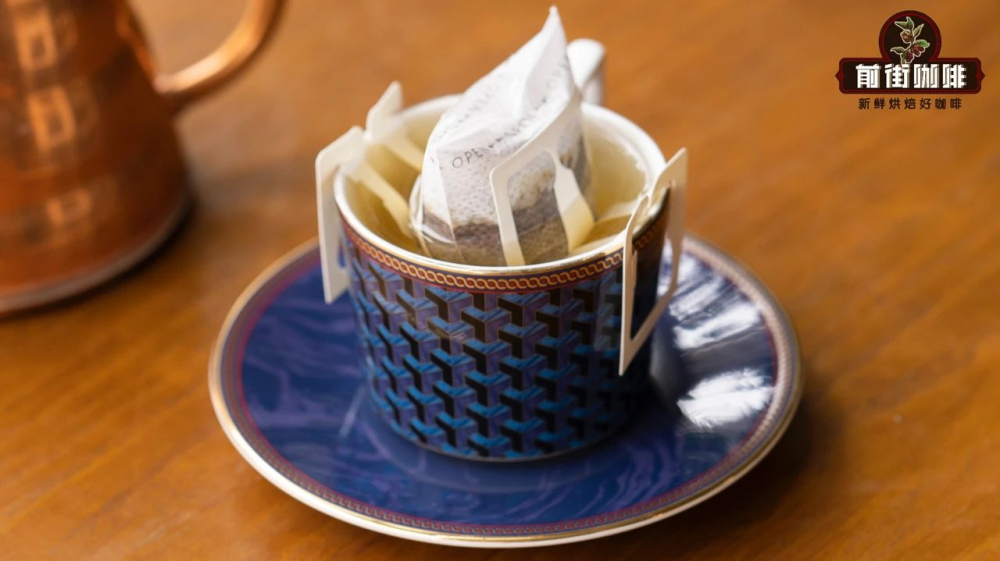
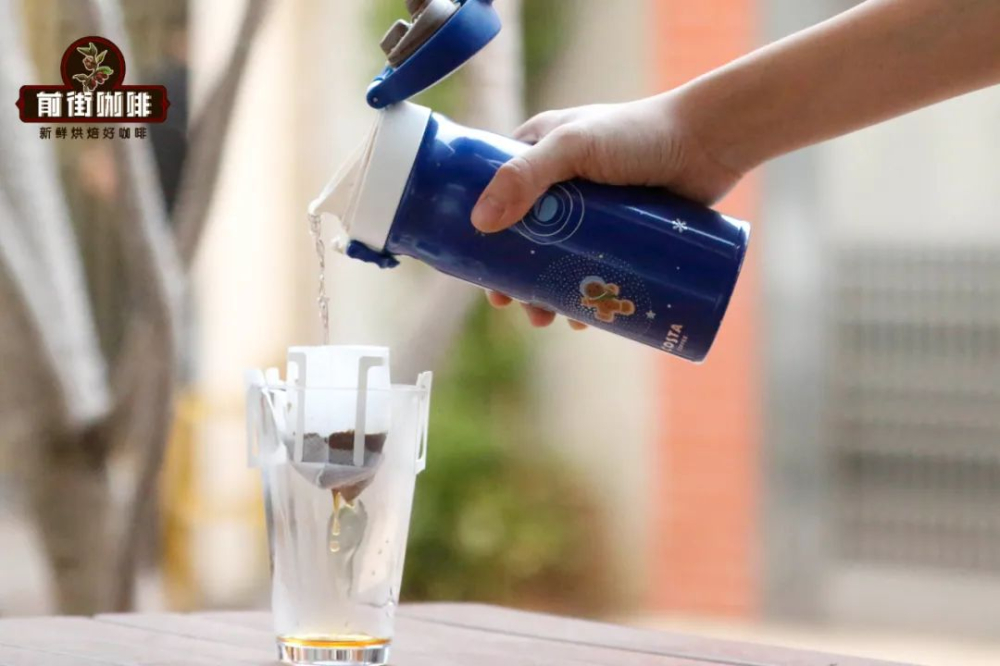
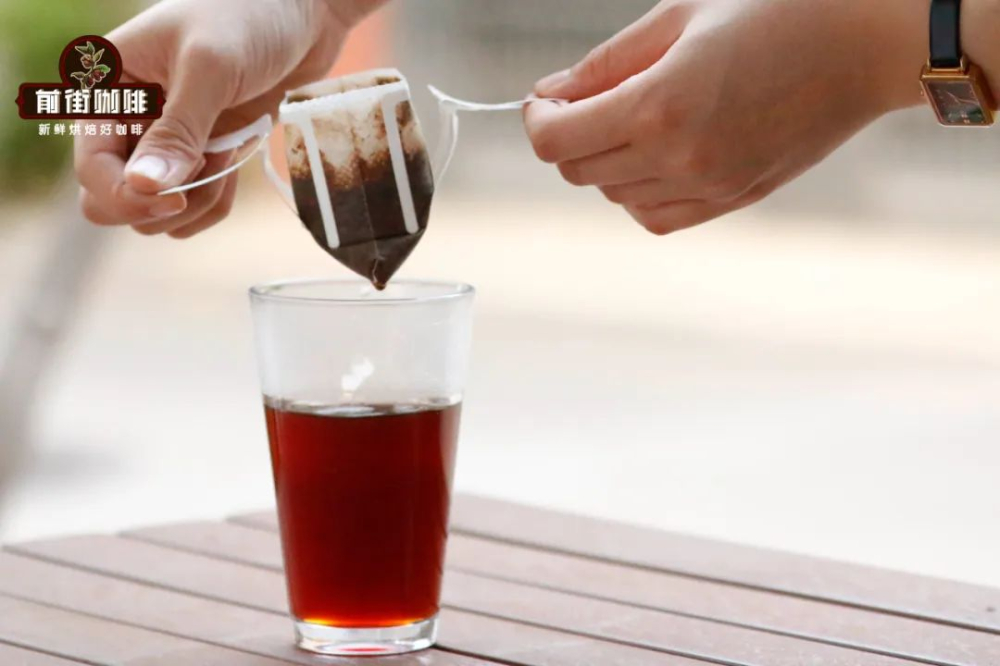
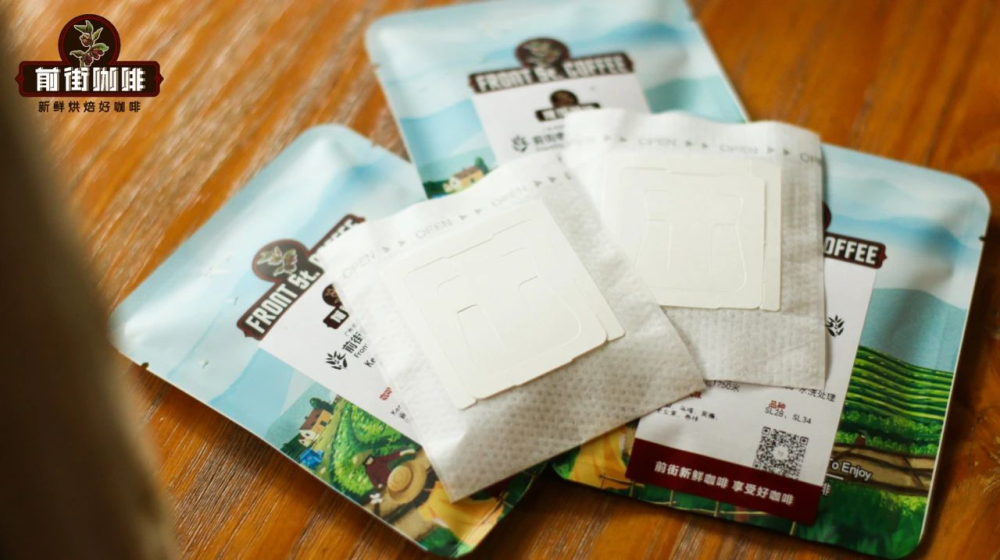
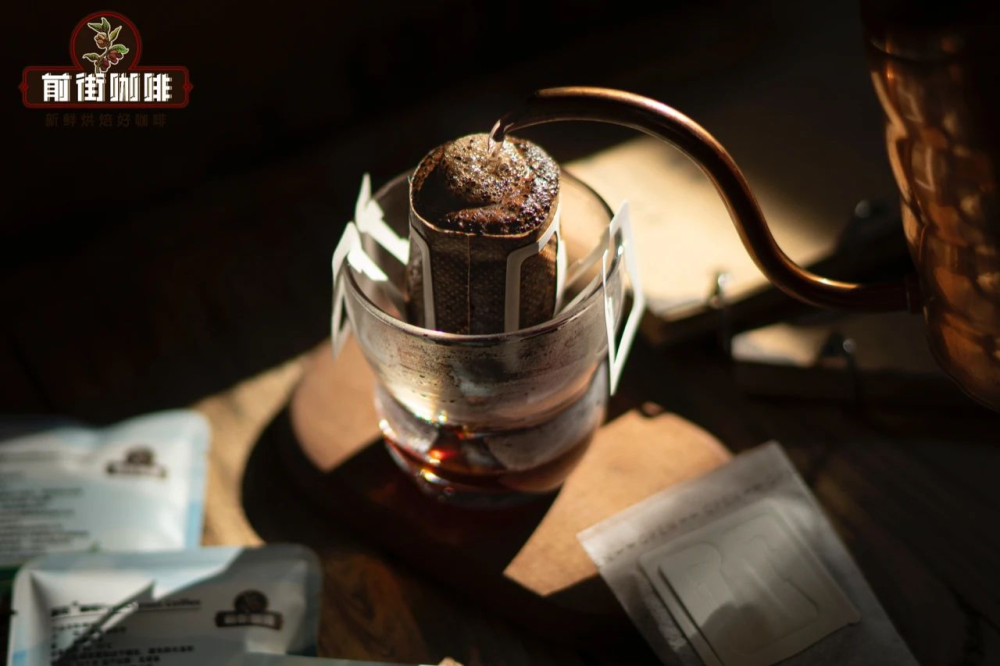
Here are the steps you can follow during actual brewing:First, tear open the earbag package and open the inner bag along the “open” marked line, then unfold the two “ears” and hang them on the edge of the cup.For the first stage, pour hot water up to about half the height of the filter bag, let it sit for 10 to 15 seconds to allow the coffee grounds to bloom fully. Then, pour water in three stages until the filter bag is about 90% full. After each pour, wait for the coffee liquid to completely drip through before repeating. Continue this process until the total water poured reaches 150 to 180 milliliters. This segmented pouring method not only helps with even extraction, but the tested total water volume also falls within the ideal range.
Finally, choose an earbag coffee that suits your personal taste preferences. Different origin beans have unique flavor profiles—for example, Ethiopian Yirgacheffe is known for its jasmine floral notes and citrus tones, while Costa Rica Tarrazú exhibits sweet layers of nuts and caramel. If you prefer bright fruity acidity, you might opt for beans from Central or South America; if you like rich and bold flavors, Indonesian Mandheling or Brazilian Cerrado are good choices; for those seeking balanced flavor, try Guatemalan or Yunnan small-leaf varieties.
In summary, although earbag coffee is convenient, as long as you master water temperature, ratio, and pouring rhythm, you can still achieve an elegant pour over-like flavor. With careful adjustments and practice, even daily drinking can offer a professional-level coffee experience.
The above content is compiled by CoffeeHunters, a coffee news website.


