







Introduction:Drip bags are a great option for enjoying black coffee quickly in a busy life, especially for office workers in a morning rush. But you might wonder: can you use milk to brew a latte directly with a drip bag? How does the flavor change after adding milk? This article delves into the origins of drip coffee bags, the flavor profiles of beans from distinctive growing regions, and how to brew them correctly and pair them with milk, so you can make a professional-grade cup of drip coffee at home.
Thanks to their ease of use and flavors reminiscent of pour over, drip bags have gained widespread popularity in East Asia. For time-strapped modern individuals, drip bags provide a high-flavor black coffee in a short amount of time, eliminating the complicated steps of manual brewing. Commercially available drip coffee is typically made from freshly roasted beans that are ground and sealed right away, effectively preserving the original aroma and layers of the coffee. Though not as refined as fresh grinding and immediate brewing, it still meets the daily needs of most people.
When it comes to the origin of drip coffee, Japan must be mentioned. Although Japan is known for its refined pour over culture, the fast-paced urban life there gave rise to the need for more convenient forms of coffee. In 1990, Yamakan Industry Co., Ltd. in Japan first applied the concept of tea bags to coffee, designing an early filter-drip style coffee and applying for a patent. However, this design failed commercially due to insufficient load-bearing capacity and imbalance during brewing. It wasn’t until 1998 that Daiki Shoji improved the design by lengthening the drip bag structure, laying the foundation for today’s drip coffee format.
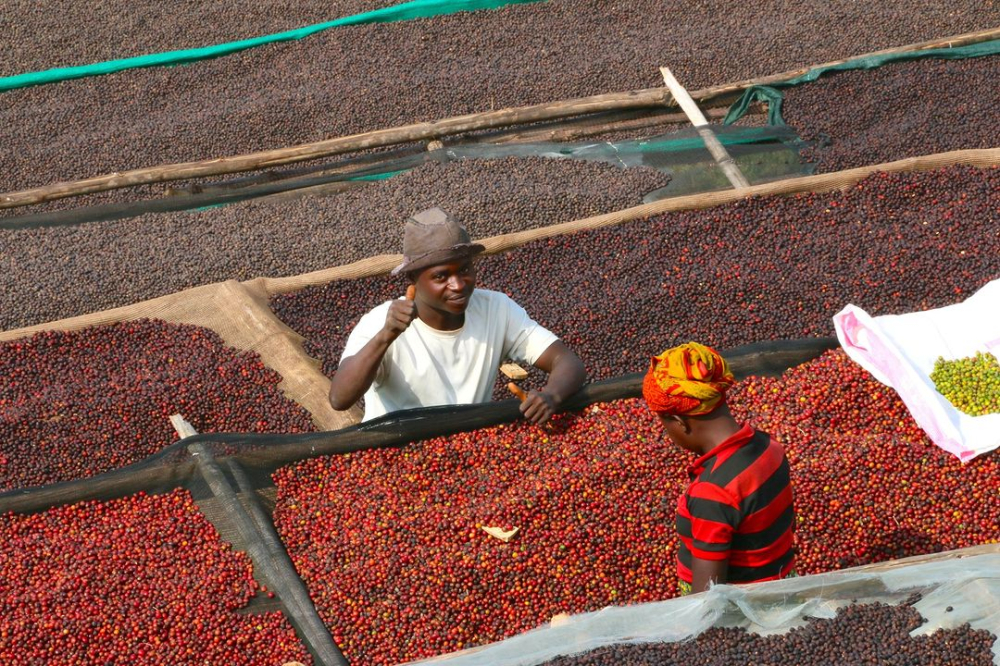
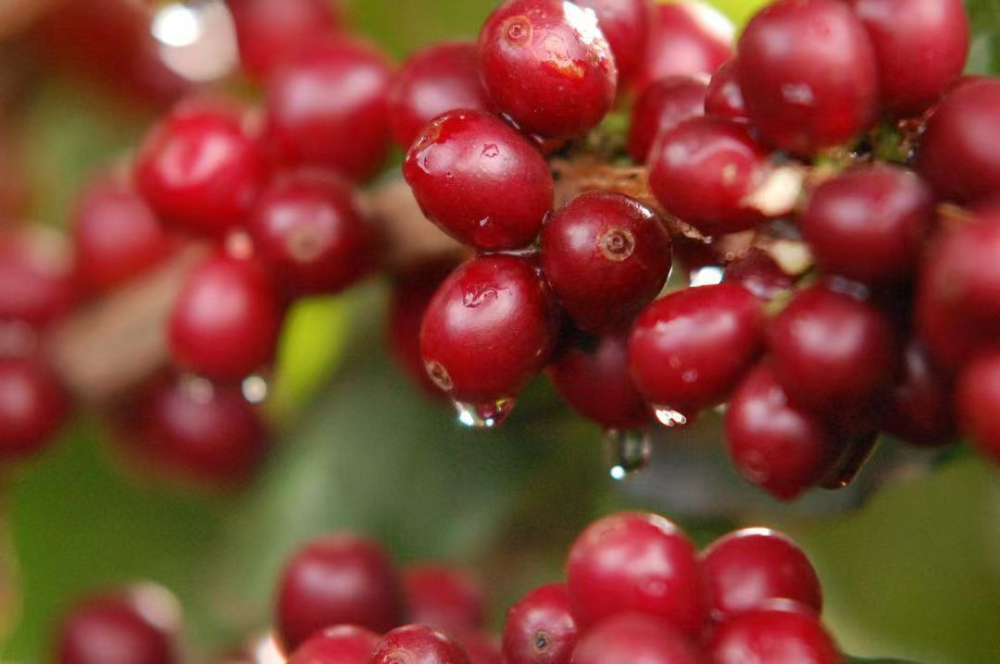
Among the many drip bags with unique flavor profiles, Ethiopia’s Yirgacheffe Red Cherry is a classic representative. This project was initiated by Dutch green bean trader Trabocca, aiming to improve local coffee quality and farmers’ income. By harvesting ripe coffee cherries entirely by hand and offering higher purchase prices, farmers are encouraged to focus on meticulous processing, resulting in this coffee showcasing bright citrus notes and floral-fruity aromas — a top choice for those who love fruity acidity.
Brazil is the global leader in coffee production, with a coffee history dating back to 1720, when Portuguese officers stationed in Brazil successfully introduced coffee seeds through diplomatic means. Today, Brazil is not only the world’s largest coffee exporter, but its beans are also known for their rich, low-acid profile with notes of nuts and chocolate. A certain brand’s Brazilian Red Fruit drip bag exhibits stable and representative classic flavors, making it suitable for everyday drinking or as a base for blends.
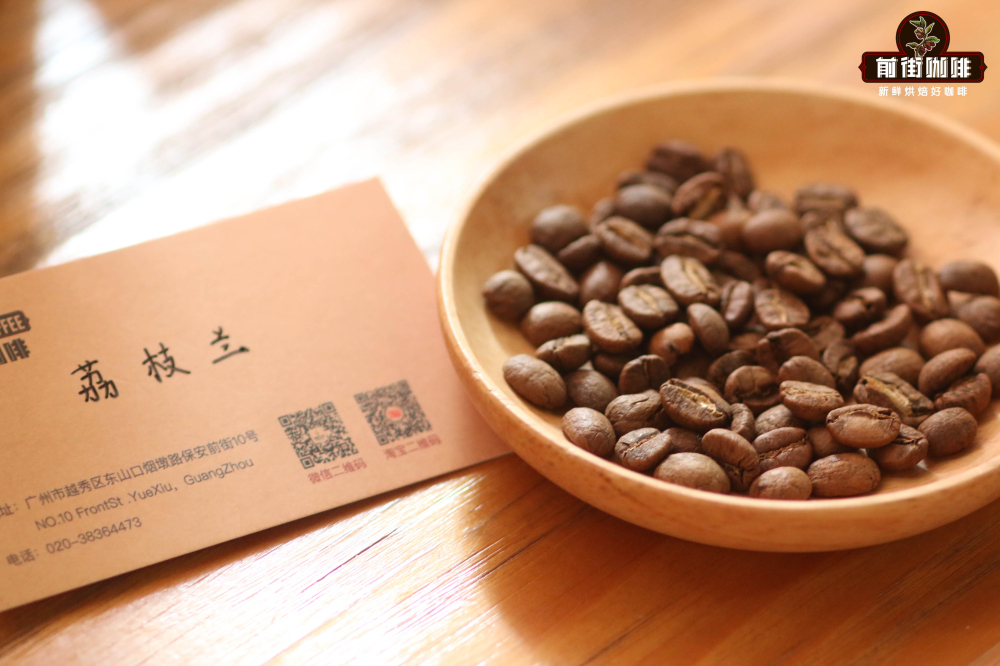
Another notable drip bag option is Honduras Sherry. This coffee has gained popularity due to its whisky-sherry-like flavor, primarily sourced from the Marcala region. Its flavor profile is bold, featuring layers of vanilla cream, nuts, and chocolate, with a long-lasting finish. In comparison, Litchi Orchid from the same producing area has a cognac-like character, but its overall complexity is slightly inferior, making Sherry the more favored choice among consumers.
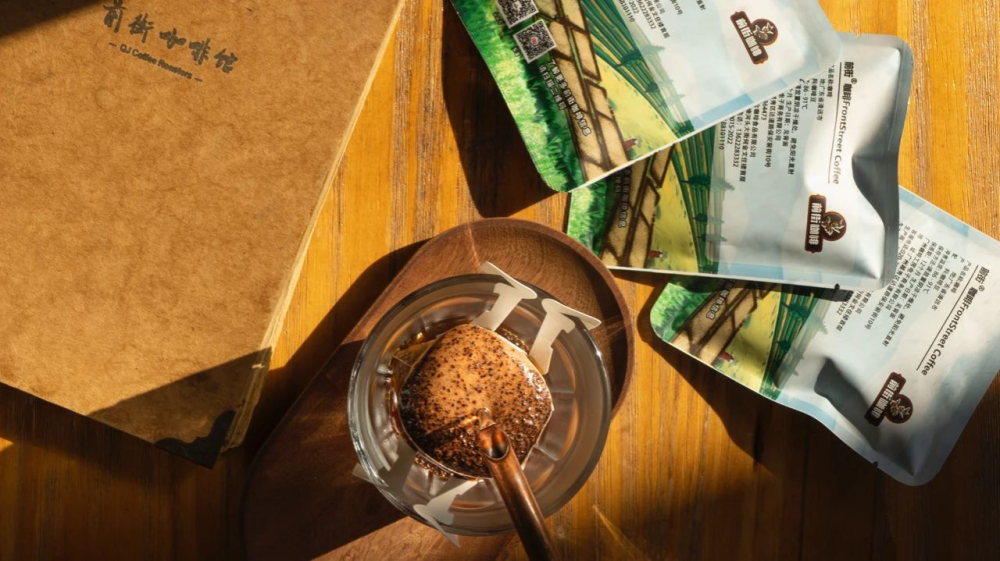
If you want to explore diverse flavors, consider trying a seasonal random-origin drip bag set. These drip bags are usually selected from seven renowned producing regions: Ethiopia Yirgacheffe, Indonesia Mandheling, Brazil Cerrado, Colombia Huila, Costa Rica Tarrazú, Yunnan Peaberry, and Guatemala Huehuetenango. Each pack consists of five different regional beans, covering flavors such as citrus, herbal, nutty, creamy, and smoky, offering a surprise-filled experience akin to opening a mystery box.
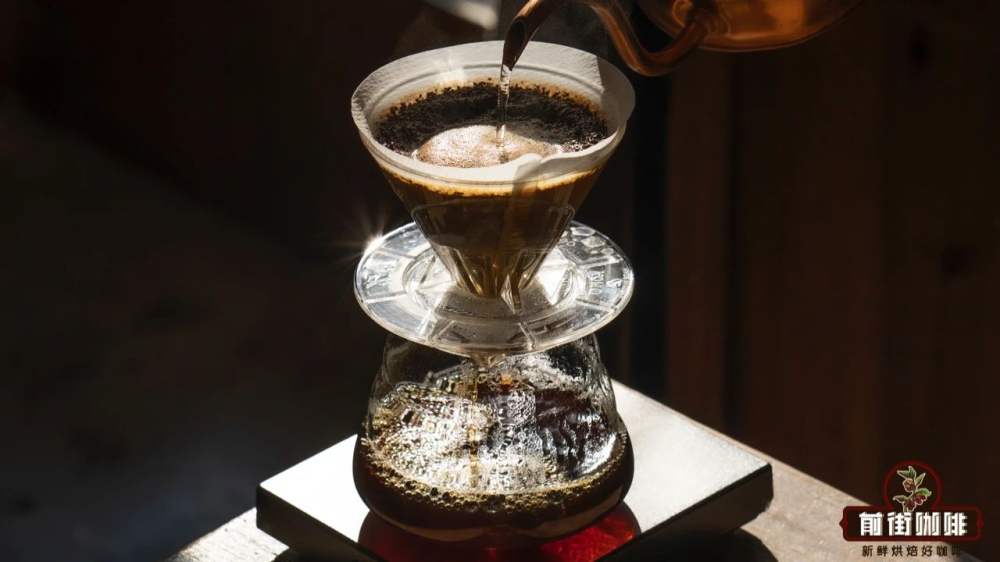
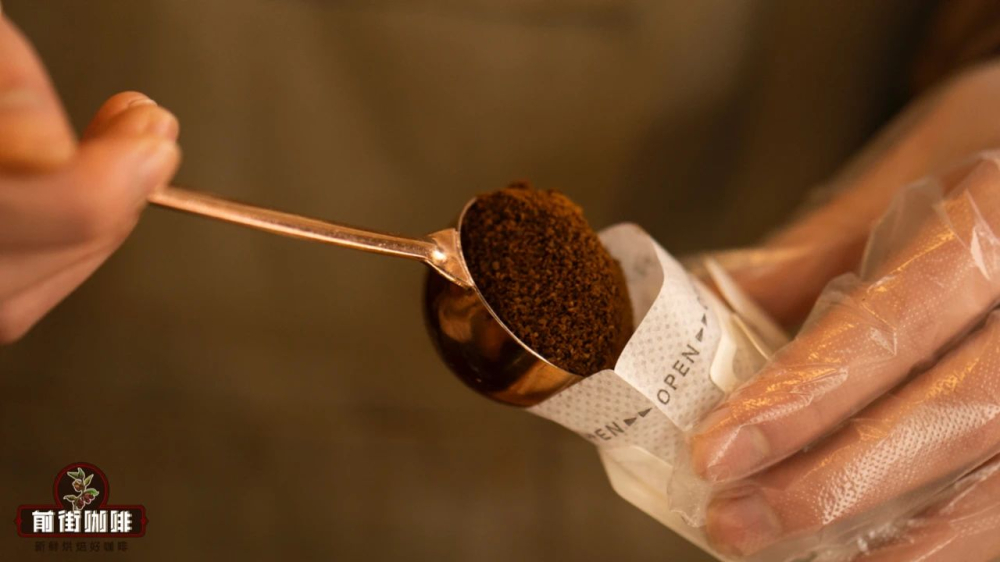
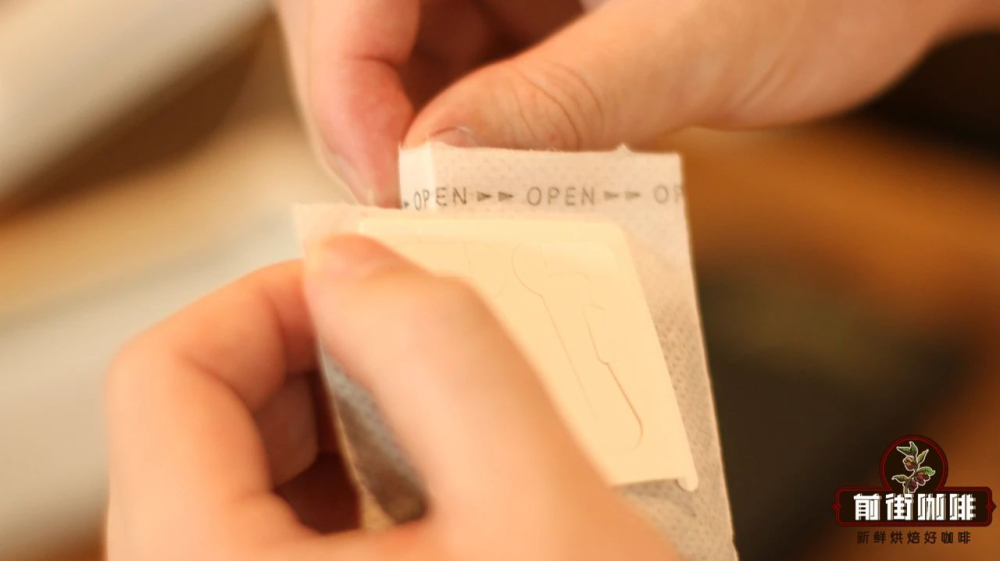
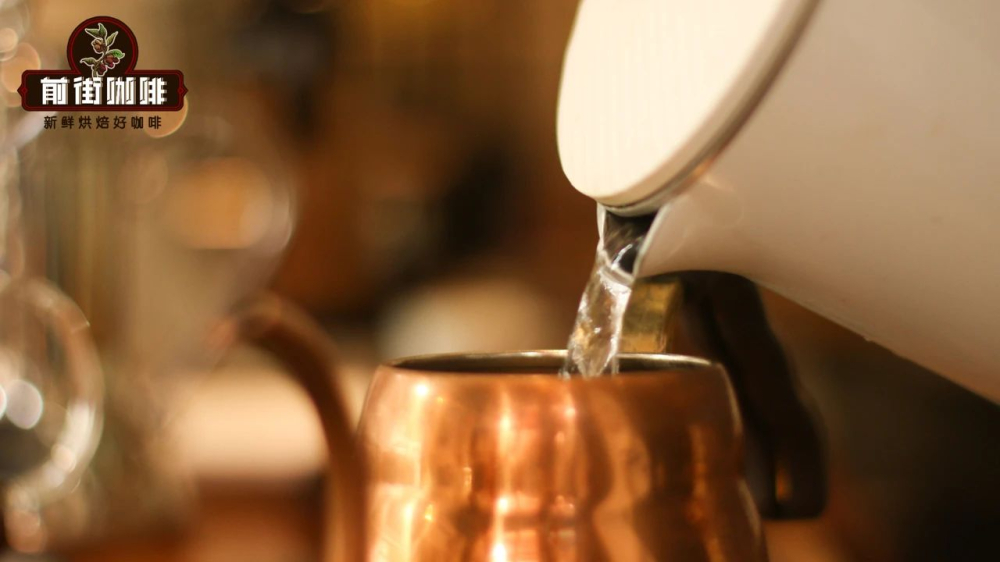
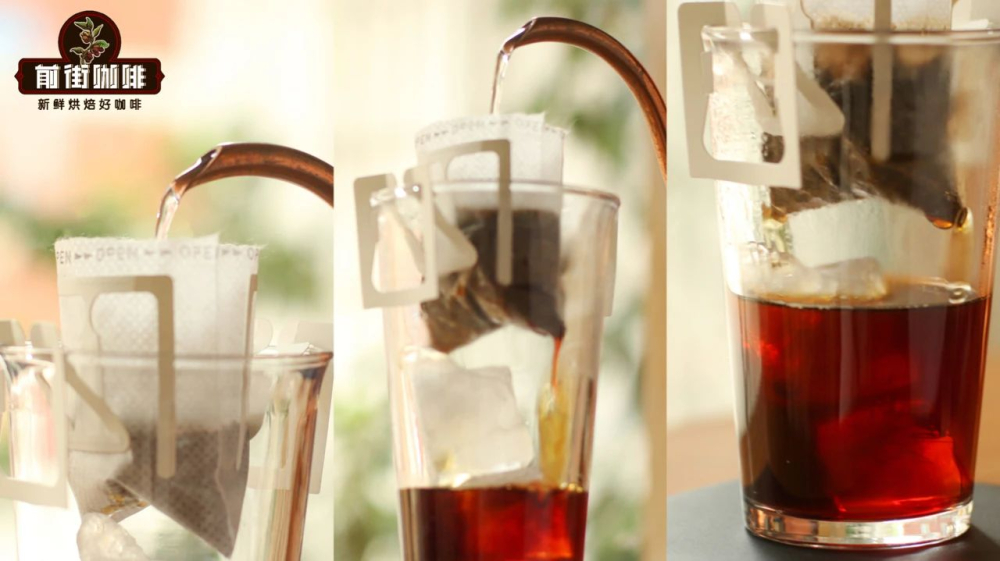
When brewing drip coffee, it’s recommended to use hot water at 85°C to 95°C, with the water volume adjusted according to personal taste — generally around 180–200 milliliters. For example, with 10 grams of coffee grounds, a medium to medium-dark roasted drip bag is suited to about 180 milliliters of water. The specific steps include: opening the packaging along the tear notch, flattening the drip bag and hanging it on the cup, first pouring a small amount of hot water for a 25–30 second bloom, then evenly pouring water up to the desired volume, and finally removing the drip bag to enjoy. Be careful not to pour too fast to prevent spillage or uneven extraction.
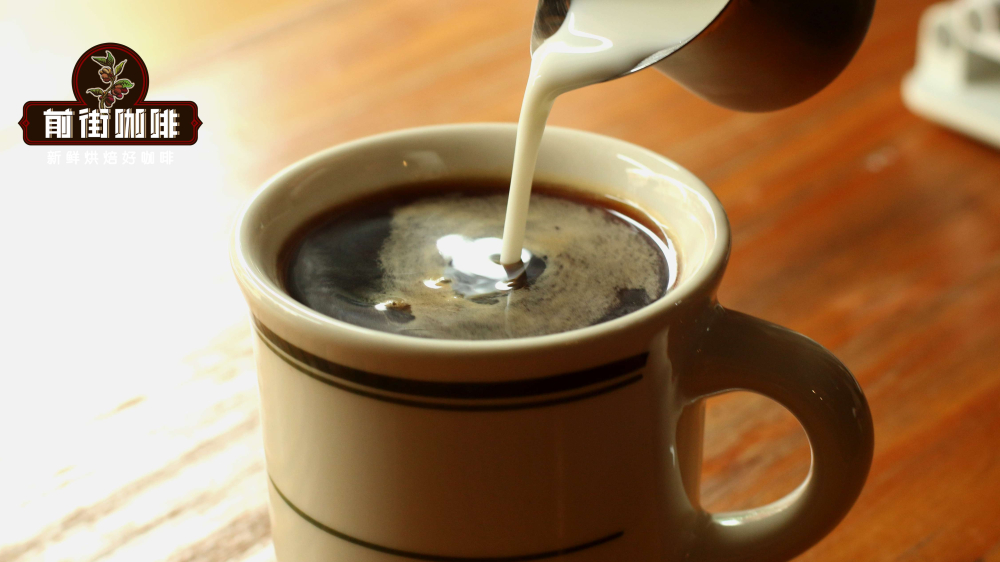
As for whether you can add milk, the answer is yes — but it depends on the bean variety. Fruity Yirgacheffe may have its bright acidity and floral notes masked if milk is added, whereas more full-bodied drip bags like those from Brazil or Honduras can showcase a smooth and delicate taste when paired with milk, approximating a latte flavor. It’s important to note that pouring hot milk directly may cause the filter bag to clog due to an instant temperature drop, so it’s recommended to slowly add hot milk during the final stage of brewing to maintain a stable temperature and optimal extraction.
The above content is compiled by CoffeeHunters, a coffee news website.


